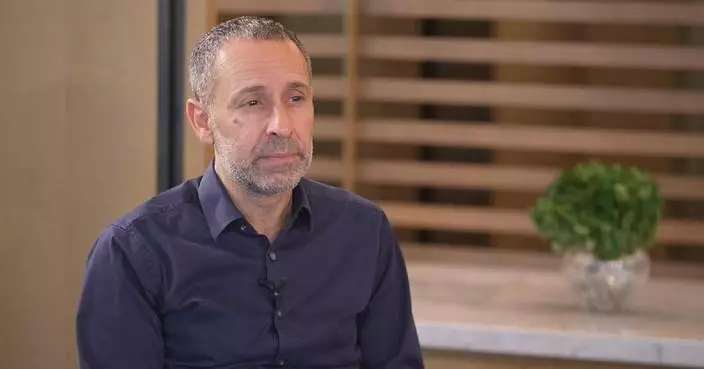
Serbia's Agriculture Minister Dragan Glamocic hailed the surge in exports to China following the launch of a landmark free trade agreement (FTA) in recent years, calling the pact a strategic relationship of mutual vision and voicing optimism for deeper bilateral cooperation.
The FTA between China and Serbia, signed in October 2023 and implemented on July 1, 2024, eliminates tariffs on roughly 90 percent of bilateral trade. More than 60 percent of goods became duty-free immediately upon its entry into force, marking a decisive step in deepening economic ties.
He said the agreement has reshaped Serbia’s trade profile, fueling a 69-percent jump in agricultural exports while accelerating imports of Chinese technologies and farm mechanization.
"The relationship between the People's Republic of China and the Republic of Serbia, I would describe as a long-term, strategic relationship of mutual political and clear economic vision.The Free Trade Agreement between our countries was signed in 2023. It was introduced in 2024. As a result, our trade exchange has greatly improved, especially in the field of agriculture. We can say from that moment our exports to China grew for 69 percent. We have also made easier the import of certain things, such as mechanization and digital technologies, from the People's Republic of China to Serbia," said Glamocic.
"Our traditional products, such as wine, our domestic brandy, our honey, dried plums, frozen raspberries, similarly, imports of modern technologies from China are increasing, mechanization also, which really improves our agriculture business in Serbia. So I am an optimist that it will get better and better every day," he added.
The minister spoke highly of Serbia's partnership with China and voiced hope for broader cooperation in the future.
"What I would expect from China is that we sometimes try to speed up these procedures as much as possible. It is especially an honor for us when such a small country has such a status in the People's Republic of China. We were the first country to sign this type of strategic document in Europe, and we have reached the highest possible level among the two countries," he said.
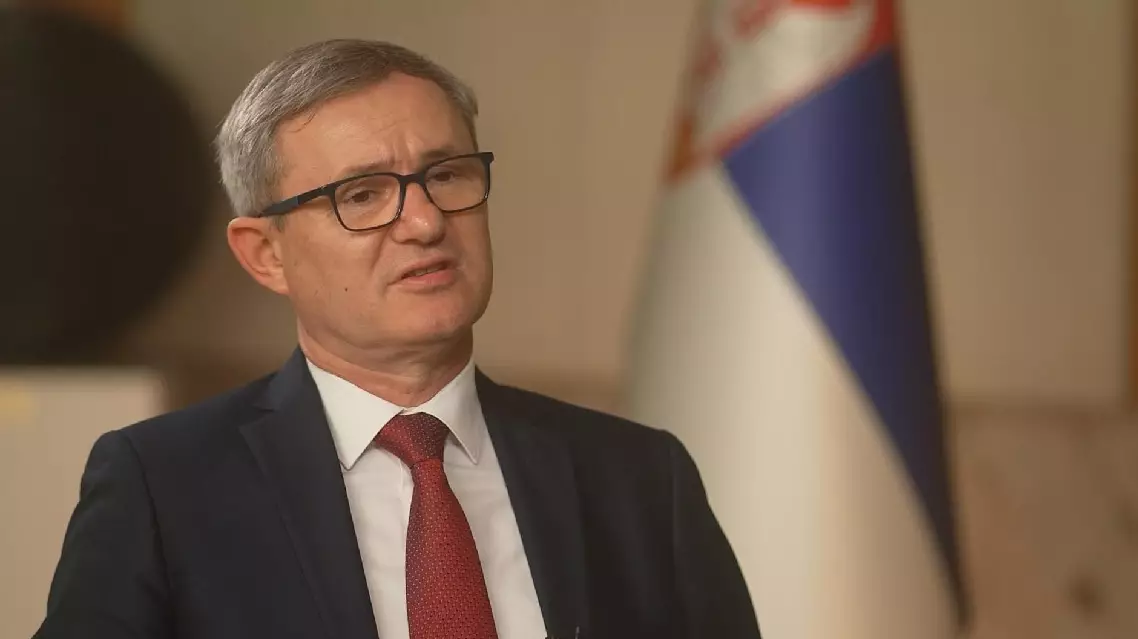
Serbian agriculture minister reports record export growth to China
Russian President Vladimir Putin and U.S. President Donald Trump held a phone conversation on Wednesday, discussing the recent shooting at the White House press dinner, the situation in Iran and the Ukraine crisis, the Kremlin said.
The Russian president informed his U.S. counterpart of Russia's readiness to declare a truce with Ukraine for the period of Victory Day commemorations.
Trump voiced strong support for the initiative, noting that "the holiday marks our common victory over Nazism in World War II," said Russian presidential aide Yuri Ushakov after the phone conversation that lasted over an hour and a half.
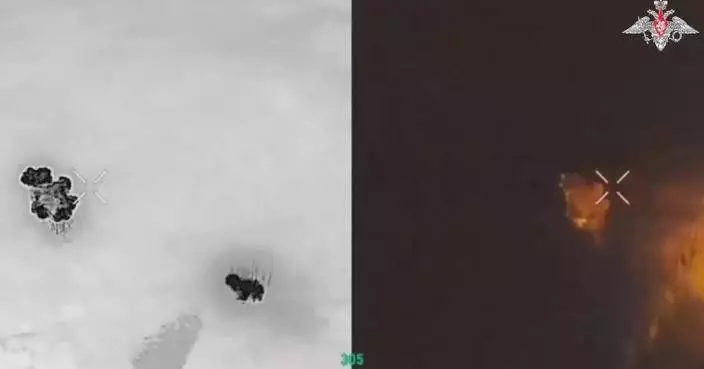
At Trump's request, Putin described the current situation along the contact line with Ukraine, where Russian troops maintain the strategic initiative and are pushing back enemy positions, said Ushakov.
Putin reaffirmed that the goals of the special military operation will be achieved in any case, the aide said. Russia would prefer this to be achieved through negotiations, for which Ukrainian President Volodymyr Zelenskymust respond positively to the well-known proposals that have been repeatedly put forward, including by the U.S. side, he said. Russia has handed over more than 20,000 bodies of the deceased to Ukraine, Putin told Trump, adding that Ukraine has returned just over 500 bodies to Russia since the beginning of 2025.
Among the issues on the international agenda, the two leaders focused primarily on the situation in Iran and the Persian Gulf, according to the Kremlin.
Putin viewed Trump's decision to extend the ceasefire with Iran as the right move, as it will help stabilize the situation, Ushakov said, adding that Putin drew attention to the inevitable, extremely dire consequences not only for Iran and its neighbors, but also for the entire international community should the United States and Israel resort to force again.
Russia remains firmly determined to fully support diplomatic efforts aimed at finding a peaceful settlement to the crisis, and has put forward a number of proposals intended to resolve differences over the Iranian nuclear program, said the presidential aide.
Ushakov noted that to this end, Moscow will maintain active contacts with Iranian representatives, leaders of Persian Gulf states, as well as with Israel and the U.S. negotiating team.
For his part, Trump also outlined his assessment of the Middle East situation to Putin.
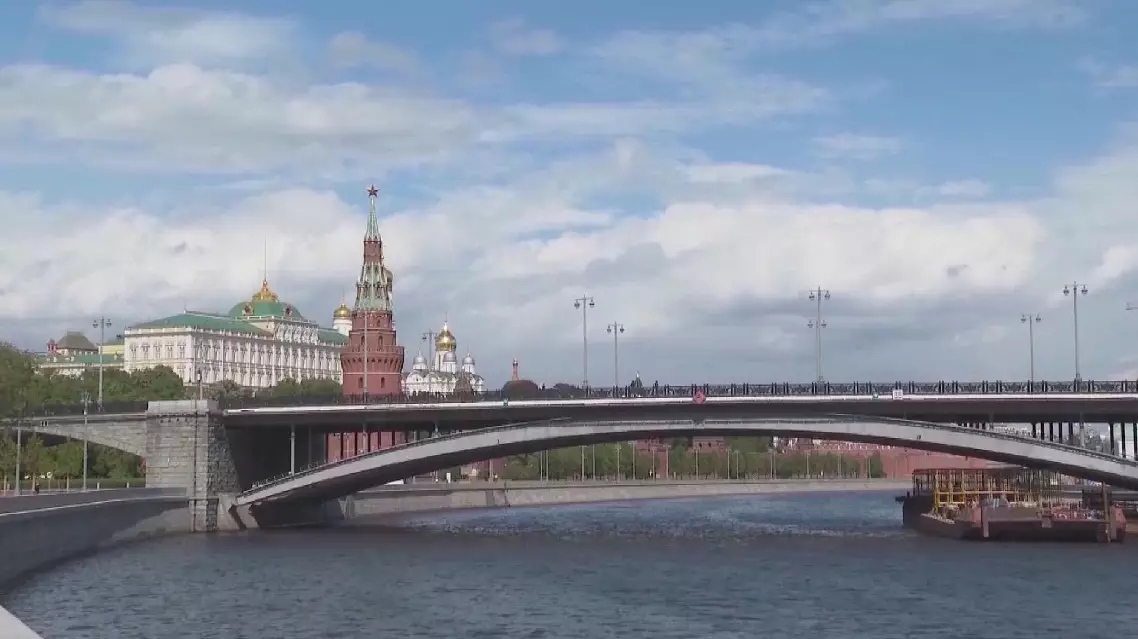
Putin, Trump hold phone call on issues of Iran, Ukraine