The recent disruptions to the shipping traffic in the Strait of Hormuz have taken toll on India's catering industry amid the restricted supply of liquefied petroleum gas (LPG) as the authorities are prioritizing supplies to households and essential non-domestic sectors.
India's Ministry of Petroleum and Natural Gas said on Wednesday in a post on X that in light of the current geopolitical disruptions to fuel supply and constraints on supply of LPG, it has issued orders to oil refineries for higher LPG production and using such extra production for domestic LPG use.
It has prioritized domestic LPG supply to households, said the ministry.
Non domestic supplies from imported LPG is being prioritized to essential non domestic sectors such as hospitals and educational institutions, it said.
For LPG supply to other non-domestic sectors, a committee of three Executive Directors (EDs) of Oil Marketing Companies (OMCs) has been constituted to review the representations for LPG supply to restaurants, hotels, and other industries, the ministry said.
India is the world's second-largest importer of LPG, with 90 percent of its imports transported via the Strait of Hormuz.
The local catering association said on Tuesday that suppliers have indicated that they will suspend LPG supplies to the sector.
"Our LPG stocks will only last for two days at most. If LPG supplies are not restored within two days, we will have to close the restaurant. We will not only be unable to provide food to customers, but also unable to offer meals to our employees. [If we suspend operation,] we will also be unable to pay our staff," said Suresh Naik, a restaurant owner in Mumbai.
In India, LPG is distributed and replenished in cylinders through distributors.
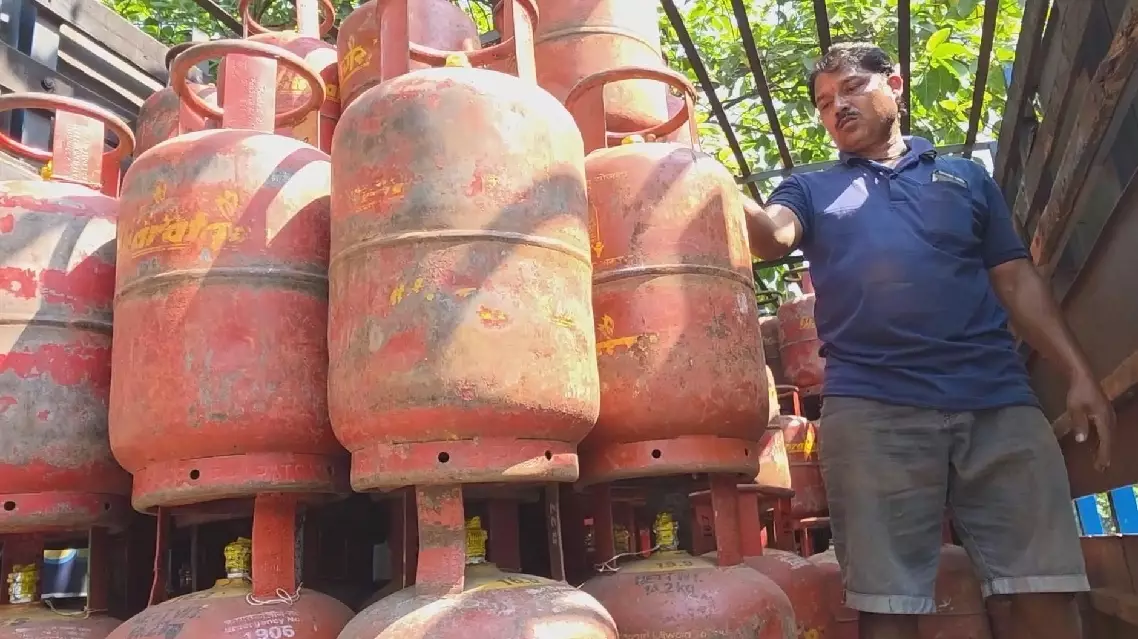
Hormuz shipping disruptions takes toll on India's catering industry
Saudi Arabia and Pakistan have reaffirmed that they will not seek normalization of ties with Israel, rejecting U.S. President Donald Trump's call for the two countries to join the Abraham Accords.
Saudi Arabia's position on the Palestinian issue remains unchanged, a Saudi source told Al Arabiya TV on Monday.
The source affirmed the need for "an irreversible pathway to a Palestinian state".
The remarks came after U.S. President Donald Trump urged Muslim-majority and regional countries to normalize relations with Israel and join the Abraham Accords before the U.S. reaches a peace agreement with Iran.
Saudi Arabia has repeatedly said it would not normalize relations with Israel without the establishment of a Palestinian state.
Pakistani Defense Minister Khawaja Asif said on Tuesday that Pakistan will not join any agreement to normalize ties with Israel, adding that the country will not accept any deal that "conflicts with its fundamental ideologies".
Trump on Monday urged Saudi Arabia, Qatar, Egypt, Jordan, Turkey and Pakistan -- countries involved in mediating U.S.-Iran talks -- to immediately join the Abraham Accords, warning that otherwise they should not participate in the mediation.
He added that if a U.S.-Iran deal is reached, Iran should also join the agreement.
The Abraham Accords, brokered by the United States in 2020 during Trump's first term, were established between the Israeli government and Arab countries including the United Arab Emirates, Bahrain, Sudan and Morocco, aimed at rapidly advancing the normalization of relations between Israel and Arab countries.
Before the outbreak of the latest round of Israeli-Palestinian conflict in October 2023, the United States had been pushing for normalization between Saudi Arabia and Israel.
After the conflict erupted, Saudi Arabia suspended normalization talks with Israel.
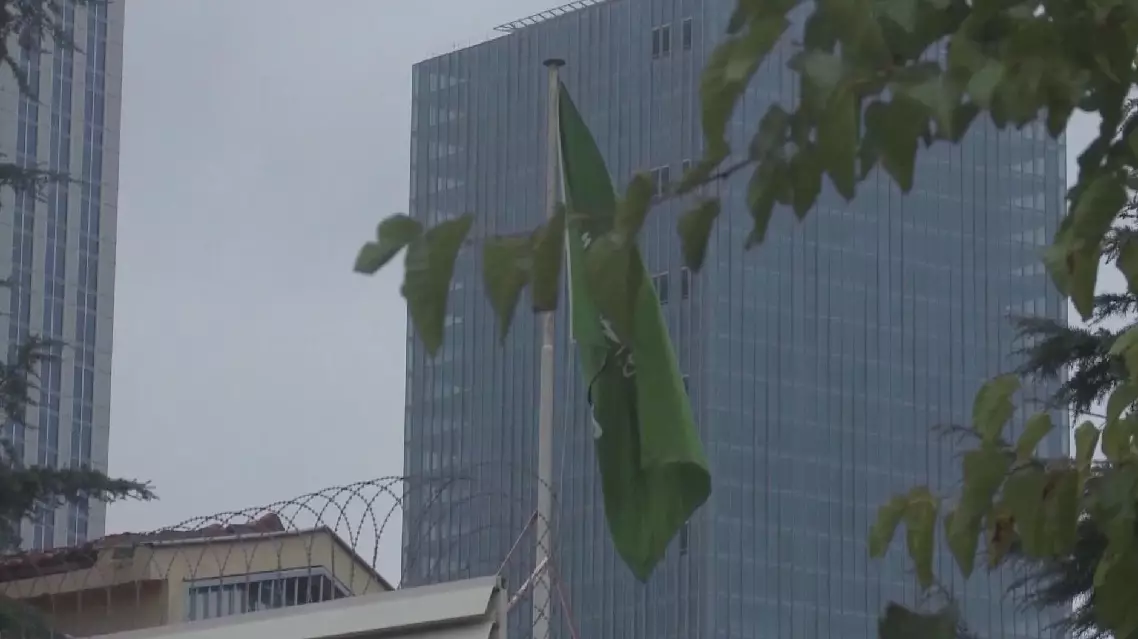
Saudi Arabia, Pakistan reject Trump's Abraham Accords demand