The ongoing tensions in the Middle East have triggered the largest oil supply disruption in the history of the global oil market, according to a report released by the International Energy Agency (IEA) on Thursday.
With shipping volumes through the Strait of Hormuz plummeting from approximately 20 million barrels per day before the conflict to near standstill now, coupled with limited rerouting capacity and rising inventories, oil production in Gulf nations has decreased by at least 10 million barrels per day. If shipping cannot resume swiftly, supply losses may expand further, said the report.
The IEA projects global oil supply will decline by approximately 8 million barrels per day in March. Although some of the Middle East's production cuts have been offset by increased output from non-OPEC+ members, the market remains subject to significant uncertainty.
The report said that the Middle East situation has also severely impacted the petroleum products market.
Over three million barrels per day of refining capacity has been shut down due to the attacks and export disruptions, according to the report.
On Wednesday, the IEA issued a statement, announcing that its 32 members had unanimously agreed to release 400 million barrels from strategic petroleum reserves to address the global oil supply strain caused by the tensions in the Middle East.
IEA members hold emergency stockpiles of over 1.2 billion barrels, with a further 600 million barrels of industry stocks held under government obligation.
The release represents the largest-scale deployment of oil reserves in history. Market analysts remain cautiously optimistic about its impact, with attention still focused on the progress of military operations by the United States, Israel and Iran, and the navigability of the Strait of Hormuz.
As the market has already priced in the information regarding the release of strategic oil reserves by the IEA members, investors continue to focus on shipping disruptions in the Strait of Hormuz, driving international oil prices higher amid volatility.
Following the opening of the next trading session on Wednesday evening U.S. Eastern Time, May-delivery Brent crude futures in London briefly climbed back above 100 U.S. dollars per barrel during intraday trading.
At the close of trading on Wednesday, April-delivery light crude futures on the New York Mercantile Exchange rose 3.80 U.S. dollars to settle at 87.25 U.S. dollars per barrel, a gain of 4.55 percent. May-delivery London Brent crude futures climbed 4.18 U.S. dollars to settle at 91.98 U.S. dollars per barrel, a 4.76-percent increase.
Dan Coatsworth, head of markets at UK-based AJ Bell, an investment platform, said that while the release may temporarily ease market concerns, fully dispelling doubts requires either a complete end to hostilities or at least a clear path toward de-escalation of the tensions.
UK consultancy Wood Mackenzie analyzed that the current sharp decline in Gulf oil exports means that reserve releases and alternative sources cannot fully bridge the existing supply gap.
Simon Flowers, chairman and chief analyst at Wood Mackenzie, anticipates that international oil prices will continue to rise as the conflict drags on.
Sasha Foss, energy analyst at UK-based Marex, a global financial services platform, said that releasing oil reserves does buy time for the market, but the key factors remain the duration of the conflict and the status of shipping through the Strait of Hormuz.
The United States and Israel launched joint military strikes against Iran on Feb. 28. As the U.S.-Israeli-Iran conflict is dragging on, U.S. and Israeli officials have indicated that more strikes on Iran are planned, while Iran has vowed to continue retaliatory attacks, despite international pushes for de-escalation of the situation.
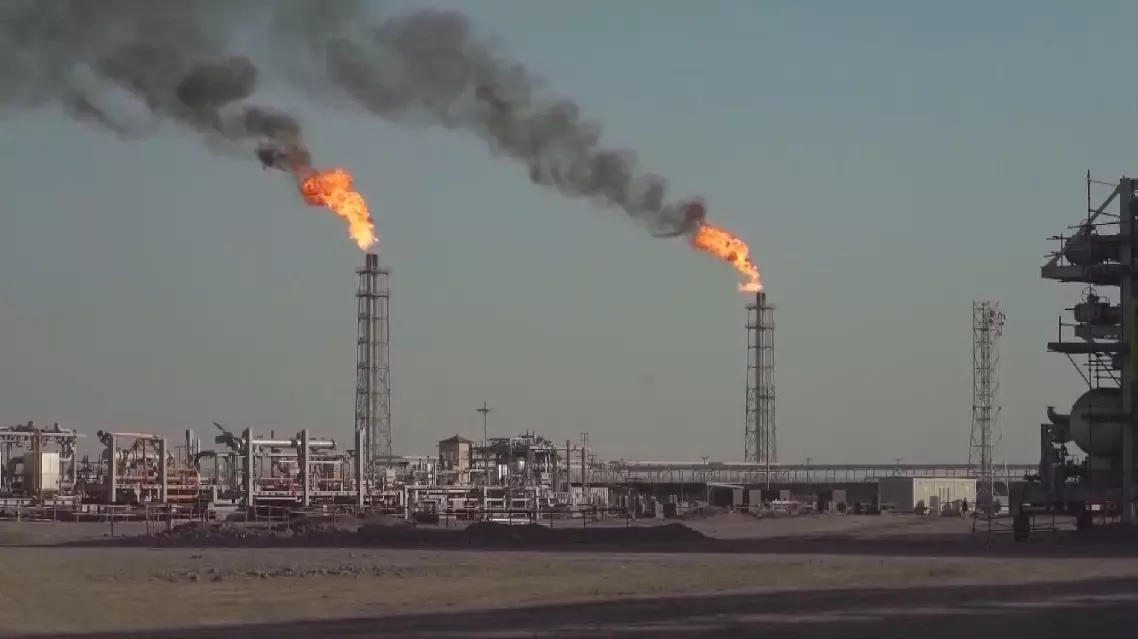
Middle East tensions trigger largest oil supply disruption in history: IEA