NEW YORK--(BUSINESS WIRE)--Mar 12, 2026--
HarbourView Equity Partners (HarbourView), a multi-strategy investment firm focused on investment opportunities in music, sports, media and entertainment industries, today announced the acquisition of select music and non-music assets from the Estate of Quincy Jones, one of the most visionary and influential creators in modern history. The deal includes Jones' recorded music and publishing assets, as well as other ancillary rights, including his participation in The Fresh Prince of Bel-Air.
This press release features multimedia. View the full release here: https://www.businesswire.com/news/home/20260312259283/en/
As part of the transaction, HarbourView will work in close partnership with the Quincy Jones Estate on go-forward initiatives tied to Jones’ name, image, and likeness. Through conversations with Quincy Jones’ children, the parties aligned around shared priorities of legacy preservation, education, and protection, ensuring his music and likeness are thoughtfully stewarded, safeguarded from unauthorized or exploitative uses, such as AI, and responsibly extended so future generations can fully understand and appreciate his global impact on music and culture.
“Our father was endlessly curious and always ahead of his time. Long before anyone talked about ‘multi-platform,’ he was already building bridges and connecting the dots across music, film, television, publishing, technology and culture, creating iconic juggernauts like Thriller, The Color Purple, The Fresh Prince of Bel-Air, and Vibe. These projects didn’t just succeed; they became the gold standard,” said Rashida Jones, on behalf of the Quincy Jones family. "What made him extraordinary was his ability to see around corners and bring together the right people, ideas, and sounds to create timeless work again and again. As his children, our responsibility is to protect not only the catalog, but the spirit and love behind it. HarbourView understands that legacy and has the vision and expertise to help ensure that future generations can feel the full scope of his everlasting impact.”
“Our father didn’t just create hits, he built platforms that shaped culture across music, film, media, and technology,” said Quincy Jones III (QD3). “He believed innovation was a creative tool and embraced it early, from serving on the board of MIT to pushing the boundaries of what storytelling could be. He had a deep passion for empowering future generations of creatives, and saw technology/innovation as a conduit if used ethically. HarbourView was the clear partner for our family: Sherrese Clarke’s vision, cultural pride, and mission alignment give us great confidence that our father’s legacy will be thoughtfully protected and carried forward.”
“Quincy Jones was not just a once-in-a-generation talent, he was a once-in-a-century architect of culture,” said Sherrese Clarke, CEO of HarbourView Equity Partners. “Our partnership with the Estate is rooted in deep respect for Quincy’s creative vision and a long-term commitment to safeguarding his work, his likeness, and his influence for generations to come.”
Over a career spanning more than six decades, Quincy Jones reshaped the sound of popular music and redefined what was possible for creators across industries. Named by TIME Magazine as one of the six most influential jazz artists of the 20th century, the Chicago-born icon built a singular career as a composer, producer, arranger, conductor, instrumentalist, record executive, entrepreneur, and humanitarian. He produced three of Michael Jackson’s most successful and culturally transformative albums: Off the Wall, Thriller, and Bad, as well as the global charity anthem “We Are the World.”
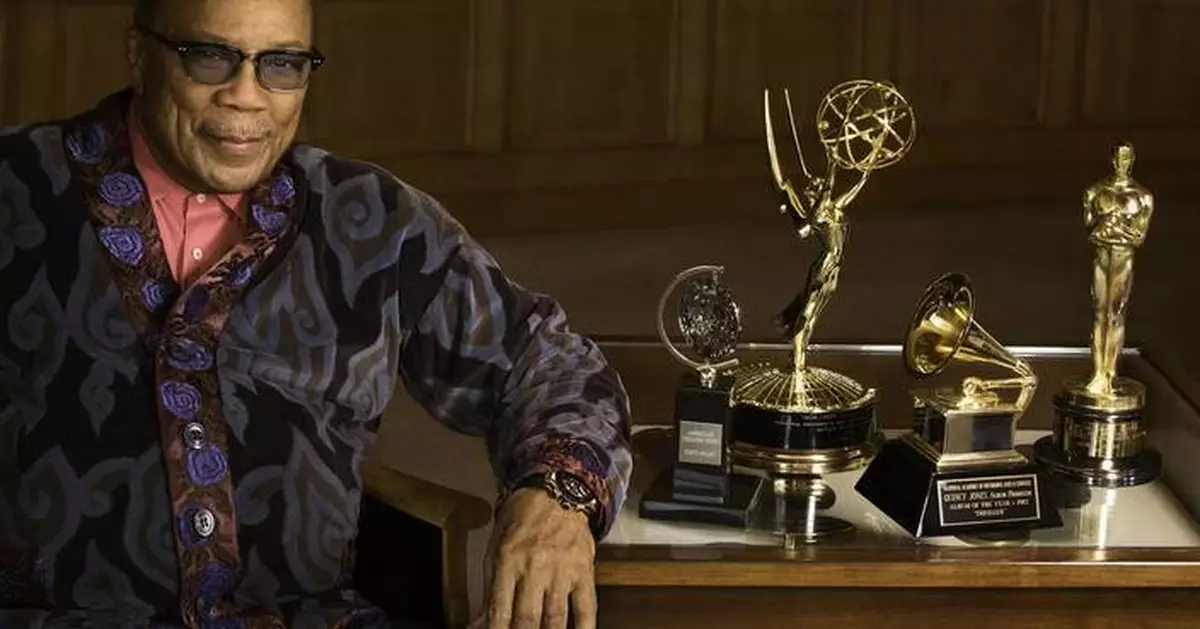
Jones’ impact extended far beyond music into film, television, business, and culture at large. At just 28 years old, he became Vice President of Mercury Records, making history as the first Black executive at a major US record company. In 1985, he co-produced Steven Spielberg’s adaptation of The Color Purple, earning a Tony Award and completing the rare EGOT distinction. One of the most decorated creative figures in history, Jones earned 28 GRAMMY® Awards and an unprecedented, record‑setting 80 nominations at the time, an Emmy Award, seven Academy Award nominations, and received the Academy’s Jean Hersholt Humanitarian Award, the Governors Award for lifetime achievement, France’s Commandeur de la Légion d’Honneur, a Kennedy Center Honor, designation as a National Endowment for the Arts Jazz Master, and the National Medal of Arts. In one of the most poetic intersections of art and history, astronaut Buzz Aldrin famously played Jones’ arrangement of Frank Sinatra’s “Fly Me to the Moon” upon landing Apollo 11 in 1969, an enduring symbol of a legacy that helped carry American culture to the world, and beyond.
Beyond the arts, Jones has been a lifelong humanitarian, helping secure $27 billion in developing-world debt relief through the Jubilee 2000 initiative alongside Bono and Bob Geldof, and advancing global health and education via his Project Q Foundation in partnership with Harvard and leading NGOs. Together, his creative and humanitarian legacy exemplifies how artistic excellence and social impact can intersect, making the preservation and thoughtful stewardship of his life’s work essential for future generations.
HarbourView’s acquisition reinforces its mission to invest in culturally significant assets while partnering closely with artists and estates to align financial stewardship with long-term cultural impact. Additional announcements and tributes will follow in the coming weeks as collaborators and longtime creative partners share reflections on Quincy Jones’ life, work, and enduring influence.
Since its inception in 2021, HarbourView has entered numerous strategic partnerships, including backing the kids’ media company Animaj, powered by proprietary, creator safe, GenAI, reflecting its broader vision for media innovation. The company’s coordinated value creation efforts include placements, such as Daniel Caesar’s “Blessed” featured in Netflix’s hit series Forever, the commercial license of Fleetwood Mac’s “The Chain” which was spotlighted in the official F1 movie trailer, and Bad Bunny’s hit “EoO”— which samples Hector y Tito’s “Perreo Baby” from HarbourView’s catalog, which became a centerpiece of his viral Calvin Klein campaign and performance at the 2025 iHeart Radio Music Awards.
The company continues to expand their portfolio, underscoring their ongoing commitment to investing in culturally resonant content from artists and creators. With approximately $2.67 billion* in regulatory assets under management and 70+ music catalogs to date, including names such as Kelly Clarkson, T-Pain, Rodney “Darkchild” Jerkins, James Fauntleroy, George Benson, Luis Fonsi, Fleetwood Mac’s Christine McVie, Pat Benatar, Neil Giraldo, Nelly, Hit-Boy, Kane Brown and more** — HarbourView continues to solidify its position as a leading player in music and entertainment investing.
Fox Rothschild served as legal counsel to HarbourView in this transaction. Quincy Jones Estate was represented by Gene Salomon and Don Passman at Gang, Tyre, Ramer, Brown & Passman. Terms of the transaction were not disclosed.
About HarbourView Equity Partners
HarbourView Equity Partners is an investment firm focused on opportunities to support content across the entertainment, sports, and media markets. The firm seeks businesses or assets powered by IP and investment opportunities that aim to build enduring asset value and returns. HarbourView has been extremely active since launching in 2021, amassing roughly $2.67 billion* in regulatory assets under management including over 70+ music catalogs to date and investments in various portfolio companies with management teams in its core industries. The firm's distinctly diverse music portfolio features thousands of titles spanning numerous genres, eras, and artists, amounting to a diversified catalog of ~41,000+ songs across both master recordings and publishing income streams. The company is headquartered in Newark, NJ.
*Regulatory AUM for private funds are calculated regardless of the nature of the gross assets under management as of 12/31/2024. This includes any uncalled committed capital pursuant to an obligation to make a capital contribution to the fund. Title count may include multiple versions of the same song, such as covers, remixes, remasters and/or minor differences in naming conventions.
**Catalog assets included in this release do not represent the full HarbourView portfolio.
Photo HERE
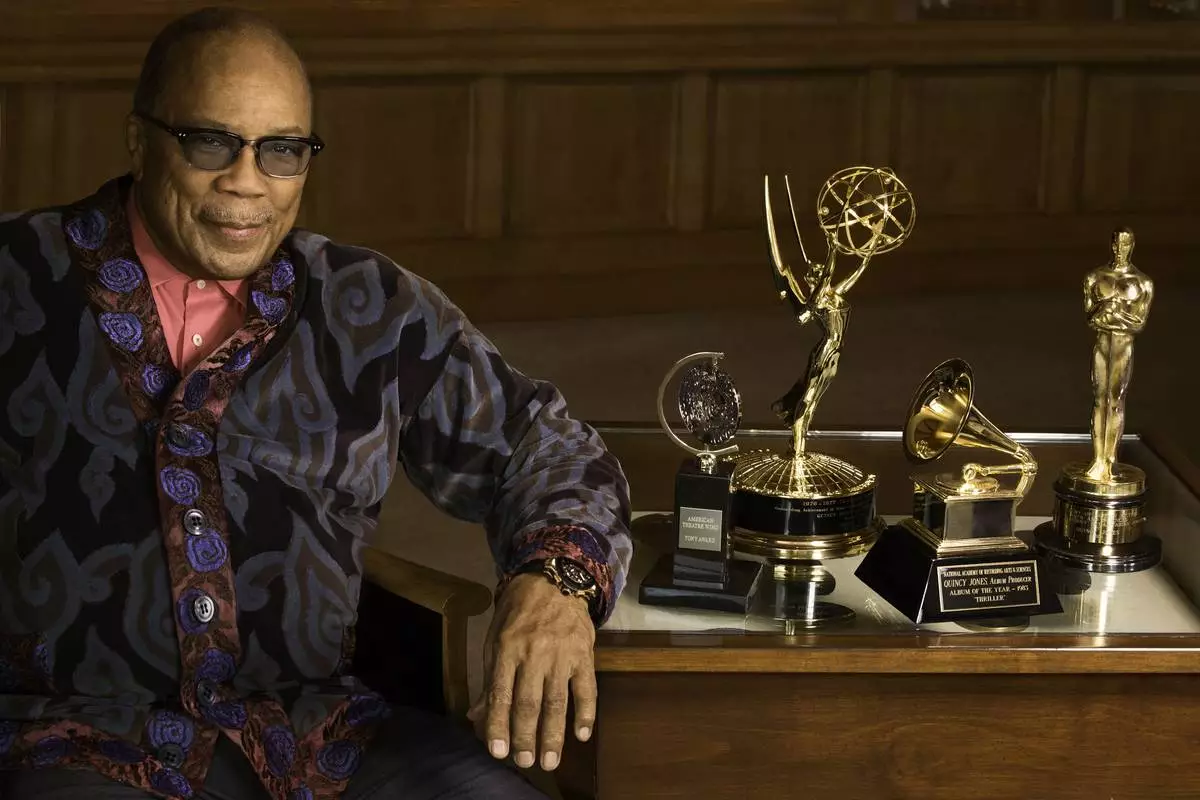
Photo by Greg Gorman