Russia reported on Thursday that its forces had struck Ukrainian energy infrastructure facilities, while Ukraine on the same day claimed to have repelled waves of Russian offensives.
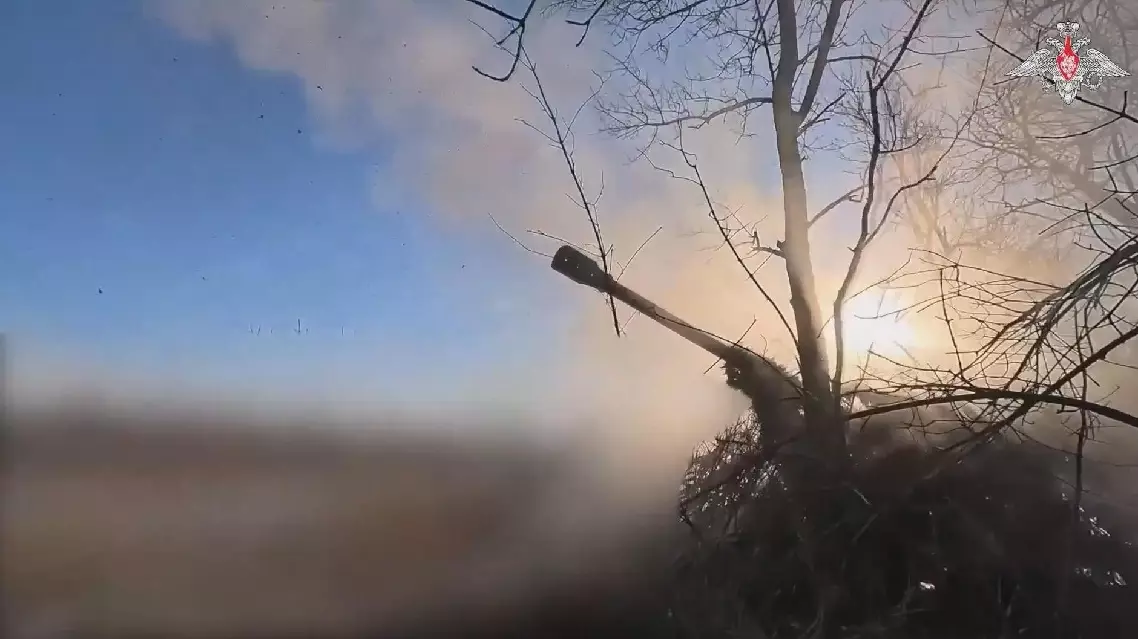
The Russian Ministry of Defense said in its daily report that over the past day, Russian forces had conducted strikes on energy and transportation infrastructure serving the Ukrainian army, as well as temporary deployment sites of the Ukrainian armed forces and foreign mercenaries, in 149 areas.
The report also said that Russian air defense forces had shot down three guided-missile bombs, six HIMARS rockets, and 447 fixed-wing drones. The ministry also reported the same day that Russian air defense systems had intercepted and destroyed dozens of Ukrainian drones over Belgorod Oblast and other areas.
On the same day, the General Staff of the Armed Forces of Ukraine said that over the past night, frontline units had engaged in 128 battles across various regions, with Ukrainian forces repelling 58 Russian offensives.
Ukrainian forces launched strikes against Russian military assembly areas, artillery systems, drone control stations, command posts, and other targets, the Ukrainian side said.
According to Ukrinform, the Ukrainian National News Agency, citing sources, the Security Service of Ukraine (SBU) carried out a strike on Tikhoretsk oil pumping station, an important energy facility in southern Russia, causing a large fire. The facility is one of the largest oil transshipment hubs in southern Russia, featuring large oil reservoirs and terminals, the agency said.
Russia reports strikes on Ukrainian energy facilities, Ukraine claims to repel Russian offensives
People across Iran took to the streets on Friday to mark International Quds Day, an annual event expressing support for Palestinians and condemnation of Israeli actions.
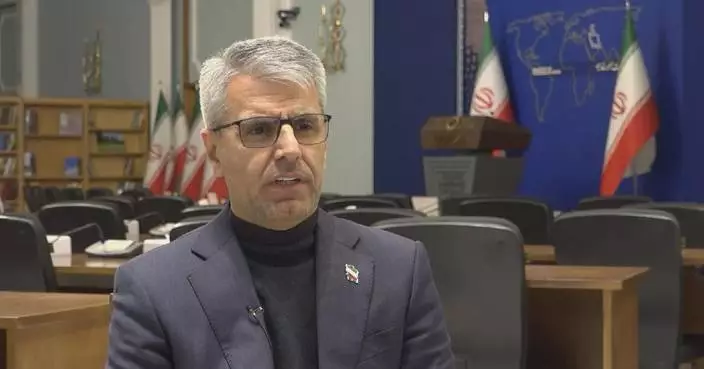
Several high-ranking Iranian officials also took part in the rallies in Tehran, including President Masoud Pezeshkian, Secretary of the Supreme National Security Council (SNSC) Ali Larijani, Judiciary Chief Gholamhossein Mohseni-Ejei as well as cabinet ministers, such as Foreign Minister Seyed Abbas Araghchi.
The event, established by Iran in 1979, is observed on the final Friday of the fasting month of Ramadan. This year, it fell on March 13 and amid the ongoing U.S.-Israeli strikes against Iran.
In the capital, people marched from 10 different locations towards the iconic Enghelab Square in central Tehran, while waving Iran's flags and holding pictures of Iran's late Supreme Leader Ali Khamenei and his successor, Mojtaba Khamenei.
The marchers condemned the "crimes" committed by the United States and Israel, voiced their support for the Iranian armed forces, and pledged allegiance to the new supreme leader.
According to the official news agency IRNA, Tehran's central areas near the rally path came under U.S. and Israeli airstrikes in the early minutes of the gathering, killing at least one person. Addressing reporters after the strikes, Larijani said the attacks are "out of fear and desperation."
Araghchi said despite the attacks today, millions of people have taken part in the rallies across Iran, which shows "the Iranians' firm determination and will in supporting" the country.
On Feb 28, Israel and the United States launched joint attacks on Tehran and several other Iranian cities, killing Iran's then Supreme Leader Ali Khamenei, along with senior military commanders and civilians. Iran responded by launching waves of missile and drone strikes targeting Israel and U.S. bases and assets in the Middle East.
Iran's Assembly of Experts on Sunday announced the appointment of Mojtaba Khamenei as Iran's new supreme leader.

Iranians hold mass rallies to mark Quds Day amid U.S.-Israeli attacks