SEATTLE (AP) — Colorado Avalanche forward Nathan MacKinnon had his game misconduct rescinded by the NHL, a person familiar with the decision told The Associated Press on Thursday night.
The person spoke to the AP on condition of anonymity because the league had not yet announced the move. MacKinnon received a major penalty and game misconduct for crashing into Oilers goaltender Connor Ingram on Tuesday night during Edmonton's 4-3 win.
Because of the reversal, MacKinnon would no longer receive an automatic one-game suspension if he were to receive another game misconduct this season.
After Tuesday's game, Avalanche coach Jared Bednar expressed his frustration about Oilers defenseman Darnell Nurse having collided with MacKinnon, propelling him into Ingram.
“There’s no chance he hits the goalie if Nurse doesn’t run into him,” Bednar said. “I don’t care if (Ingram is) injured, not injured, if it’s a severe crash, not a severe crash — it’s not a penalty. If you put guys into your own goalie, it’s not a penalty. ... The goalie’s hurt, so it’s five (minutes). Again, I really don’t give a crap if the goalie’s hurt. That’s on their D-man, not our guy.”
The Avalanche beat Seattle 5-1 on Thursday night. MacKinnon scored in the first period, his NHL-leading 44th goal of the season, and Bednar was relieved afterwards that MacKinnon is expected to have his game misconduct reversed by the league.
“Not surprising for me," Bednar said. "I commented on that enough the other night.”
AP NHL: https://apnews.com/NHL
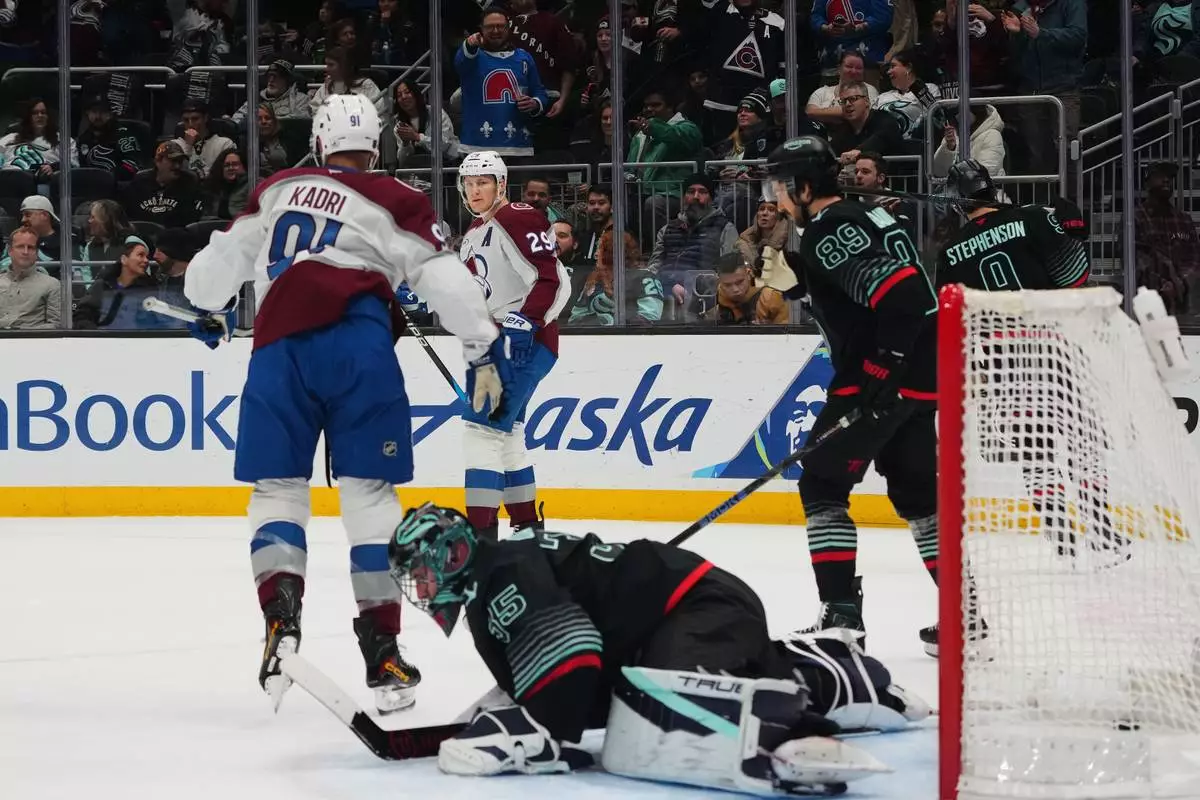
Colorado Avalanche center Nathan MacKinnon (29) reacts to scoring with center Nazem Kadri (91) against Seattle Kraken goaltender Joey Daccord (35) as center Frederick Gaudreau (89) looks on during the first period of an NHL hockey game Thursday, March 12, 2026, in Seattle. (AP Photo/Lindsey Wasson)

Colorado Avalanche center Nathan MacKinnon, left, reacts to scoring with teammates, including defenseman Sam Malinski (70), against the Seattle Kraken during the first period of an NHL hockey game Thursday, March 12, 2026, in Seattle. (AP Photo/Lindsey Wasson)

Colorado Avalanche center Nathan MacKinnon (29) moves the puck against Seattle Kraken center Frederick Gaudreau (89) during the first period of an NHL hockey game Thursday, March 12, 2026, in Seattle. (AP Photo/Lindsey Wasson)
Stock indexes on Wall Street are losing ground in afternoon trading Friday, as the fallout from the war with Iran keeps pressure on oil prices, destabilizing the global economy.
The S&P 500 was down 0.6% after having been up as much as 0.9% in the early going. The Dow Jones Industrial Average was down 79 points, or 0.2%, as of 1:54 p.m. Eastern time, and the Nasdaq composite was 1% lower.
The latest choppy trading follows heavy turbulence in the market earlier in the week, which has the major indexes headed for their third straight losing week.
In the energy market, which has been roiled by the Iran war and its impact on supplies of crude oil and gas, the price of a barrel of Brent crude, the international standard, climbed back above $100 per barrel after briefly dropping earlier in the day. It was up 1.5% to $101.95 and is up about 40% for the month.
U.S. crude oil rose 2.4% to $98.03 a day after settling at $95.73 per barrel. It’s risen around 46% this month.
Oil prices have been volatile since the Iran war began. Iran’s actions have effectively stopped cargo traffic through the narrow Strait of Hormuz, where a fifth of the world’s oil typically sails. That has oil producers cutting production because their crude has nowhere to go.
If the war continues to hamper the production and transportation of oil from the Persian Gulf, it could cause a surge in inflation that could hurt the global economy. Analysts have said that if the Strait of Hormuz remains closed, oil prices could jump to $150 relatively quickly.
While the International Energy Agency said Wednesday its members would make a record 400 million barrels of oil available from their emergency reserves, some economists believe that would do little to reassure markets.
President Donald Trump signaled earlier this week that he would take more action to address the squeeze on oil flows. The move follows the administration’s decision to grant temporary permission for India to buy Russian oil.
A new snapshot of consumer spending Friday shows inflation crept higher in January, even before the Iran war caused oil and gas prices to spike.
The Commerce Department said prices rose 2.8% in January compared with a year earlier. But excluding the volatile food and energy categories — which the Federal Reserve pays closer attention to — core prices rose 3.1%, up from 3% in the prior month and the highest in nearly two years.
Even so, consumers still lifted their spending at a solid 0.4% pace in January, with their incomes rising at the same pace, according to the report.
Consumer spending powers about two-thirds of the economy, which is why economists keep a close watch on trends in incomes and spending.
The University of Michigan's latest gauge of consumer sentiment on Friday showed consumer sentiment declined slightly to its lowest reading of the year as gasoline price hikes since the start of the war in Iran.
Meanwhile, the Labor Department said Friday U.S. job openings jumped to nearly 7 million in January, topping economists’ forecasts.
Wall Street also got an update on how U.S. economic growth fared in the October-December quarter. The economy, hobbled by last fall’s 43-day government shutdown, grew at a sluggish 0.7% annual rate, a downgrade from its initial estimate last month.
“GDP and the job market have been expanding, but the rate of change has been slowing, which leads to concerns about the overall economy -- and that was even before we stared a war in the Middle East, which spiked the price of oil,” Chris Zaccarelli, chief investment officer for Northlight Asset Management, said in an email.
About 61% of the stocks in the S&P 500 were rising Friday, with financial services, health care and consumer goods companies among the gainers. Charles Schwab rose 1.8%, Eli Lilly added 1.3% and Philip Morris International gained 1.8%.
Software maker Adobe fell 5.4% even after it beat Wall Street’s sales and profit forecasts. Investors were likely underwhelmed by the company’s forecast for its recurring subscription revenue.
Ulta Beauty slid 12.5% for the biggest decline among S&P 500 stocks after the beauty and makeup retailer's latest quarterly results fell short of analysts’ profit targets. Ulta’s profit was dinged by a 23% increase in selling, general and administrative expenses, which jumped to $1 billion in the period.
Bitcoin rose 1.3% to just around $71,140, boosting companies that trade or hoard the cryptocurrency. Coinbase Global rose 1.5% and Strategy gained 1.4%.
In the bond market, the yield on the 10-year Treasury rose to 4.28% from 4.26% late Thursday. It was just 3.97% before the war started.
Higher yields help make all kinds of borrowing more expensive, such as mortgages for potential U.S. homebuyers and bond offerings for companies looking to expand. They also push down on prices for all kinds of investments, from stocks to crypto.
In stock markets abroad, indexes in Europe were mostly lower after also falling in Asia.

Ryan Falvey works on the floor at the New York Stock Exchange in New York, Tuesday, March 10, 2026. (AP Photo/Seth Wenig)
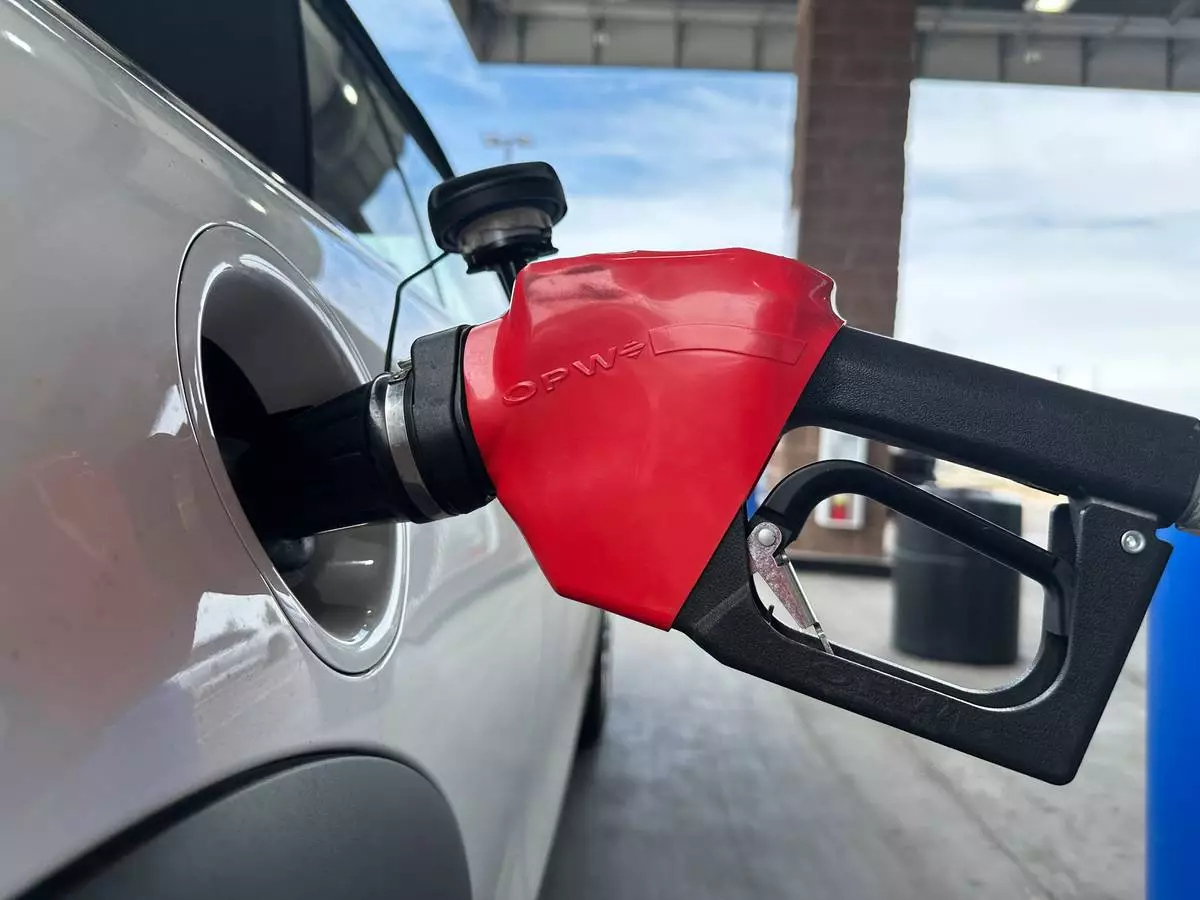
A motorist fills up the tank of a vehicle at a Coscto gasoline station Thursday, March 12, 2026, in east Denver. (AP Photo/David Zalubowski)
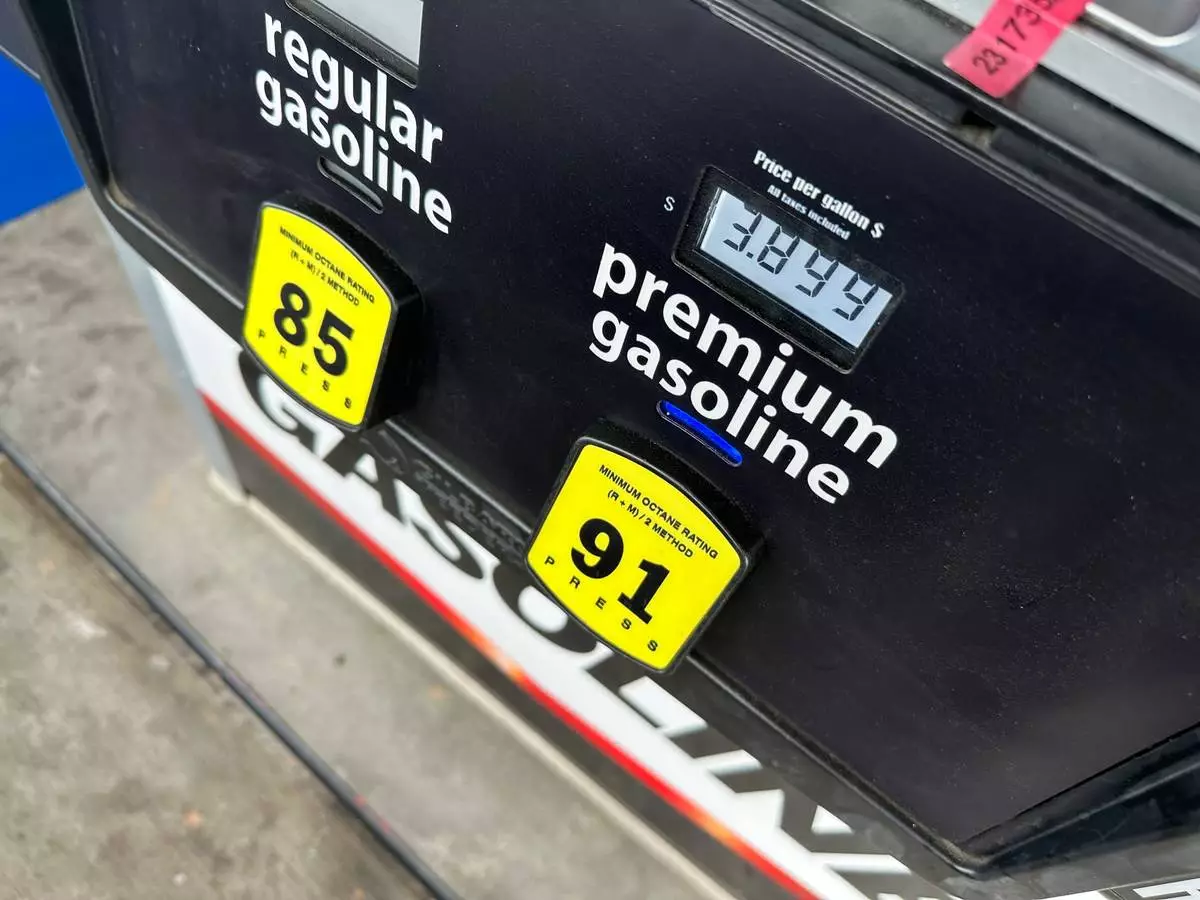
The per-gallon price for premium unleaded fuel is displayed electronically on a pump at a Costco gosoline station Thursday, March 12, 2026, in east Denver. (AP Photo/David Zalubowski)
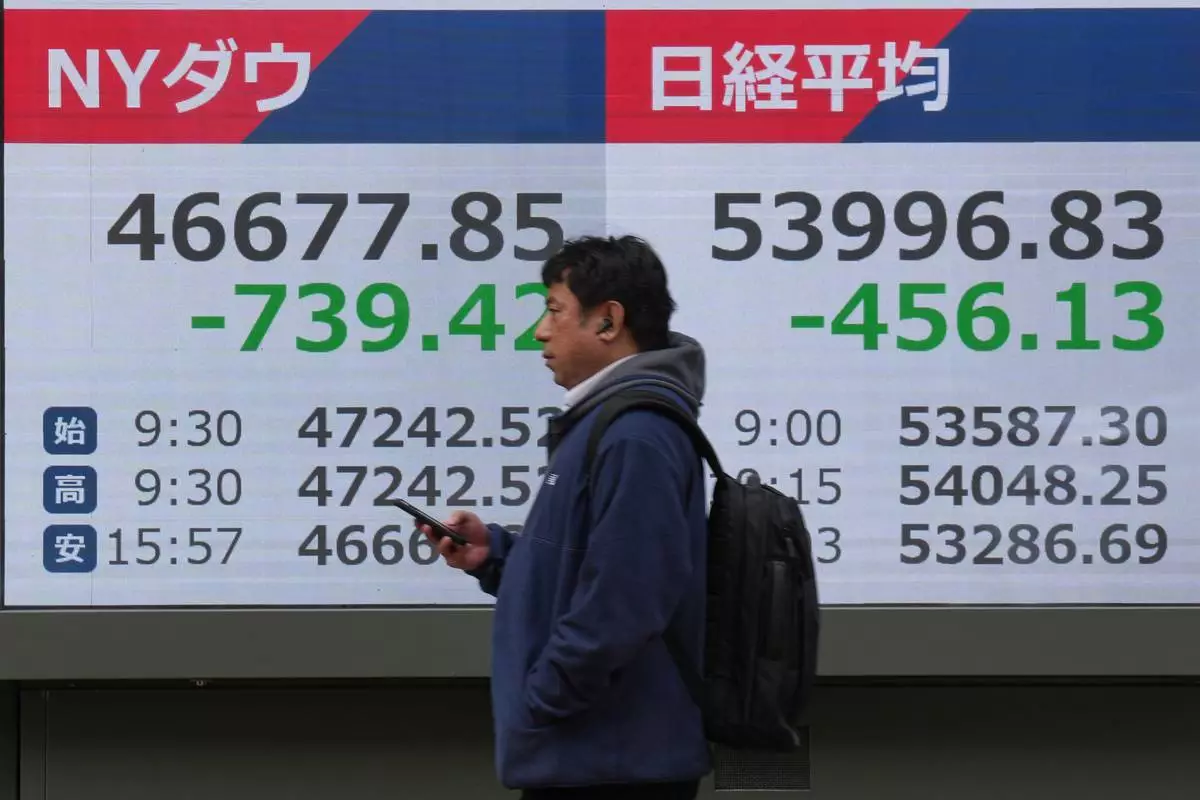
A person walks in front of an electronic stock board showing Japan's Nikkei index at a securities firm Friday, March 13, 2026, in Tokyo. (AP Photo/Eugene Hoshiko)
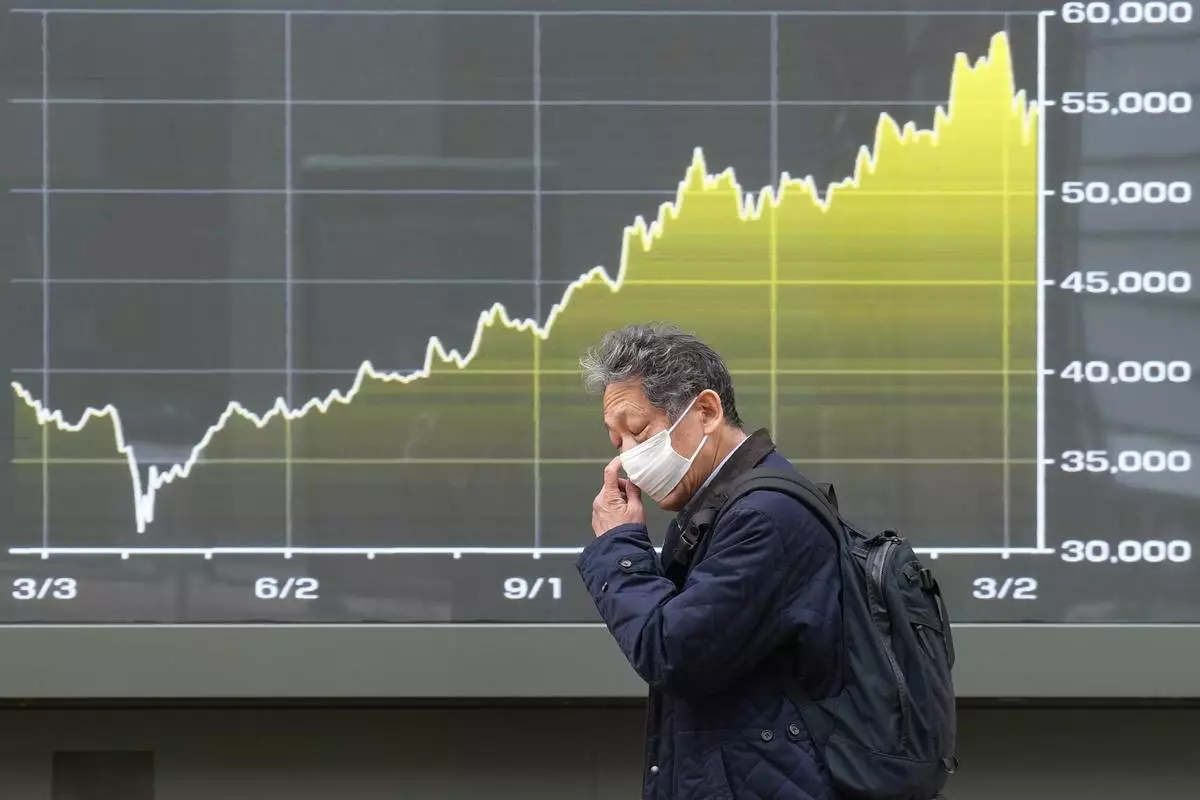
A person walks in front of an electronic stock board showing Japan's Nikkei index at a securities firm Friday, March 13, 2026, in Tokyo. (AP Photo/Eugene Hoshiko)

Gregg Maloney works on the floor at the New York Stock Exchange in New York, Tuesday, March 10, 2026. (AP Photo/Seth Wenig)