China's National Medical Products Administration (NMPA) on Friday issued marketing approval for the world's first invasive brain-computer interface (BCI) medical device, offering new hope for patients with paralysis to restore hand function by using brain signals.
The new-to-the-world product fills a critical void in both the domestic and international medical landscape, according to the administration.
"The medical device, called 'implantable brain-computer interface system for hand motor function compensation', is designed for quadriplegic patients suffering from spinal cord injuries. It can assist patients in achieving hand grasping function. Listed in the Class III medical device catalog, it is also the world's first invasive BCI medical device to go to market. It fills a clinical gap both domestically and internationally, making a zero-to-one breakthrough for invasive BCI medical devices worldwide," said Peng Liang, deputy director of the First Evaluation Department in the Center for Medical Device Evaluation of the NMPA.
For patients with spinal cord injuries, especially those who have been injured for more than a year, the difficulty of neurological recovery is extremely high.
The new device might help more people reignite the hope for life, as China now has 3.74 million spinal injury patients, with 90,000 new cases annually.
"In China, the cumulative number of spinal injury patients has already exceeded 3.7 million, with 90,000 new patients added each year. This means an average of 10 new patients every hour. Globally, the cumulative number of such patients has reached 15 million, and those under 50 years old account for more than 70 percent," said Chen Liang, deputy director of the Neurosurgery Department of the Huashan Hospital Affiliated to Fudan University.
The device can acquire electroencephalogram signals without touching brain tissue or damaging neurons, minimizing surgical trauma while ensuring long-term stability and reliability.
Different from consumer-grade BCI products, BCI medical devices must possess corresponding core elements for clinical treatment and obtain rigorous approval by drug regulatory authorities.
"The most important feature of a BCI medical device is its ability to read and analyze brain signals in real-time and interact with external devices to achieve a medical purpose. BCI products without a medical purpose do not belong to the category of medical devices. Some medical devices, although they read brain signals, do not perform real-time analysis or interact with external devices. So they are not BCI medical devices," said Peng.
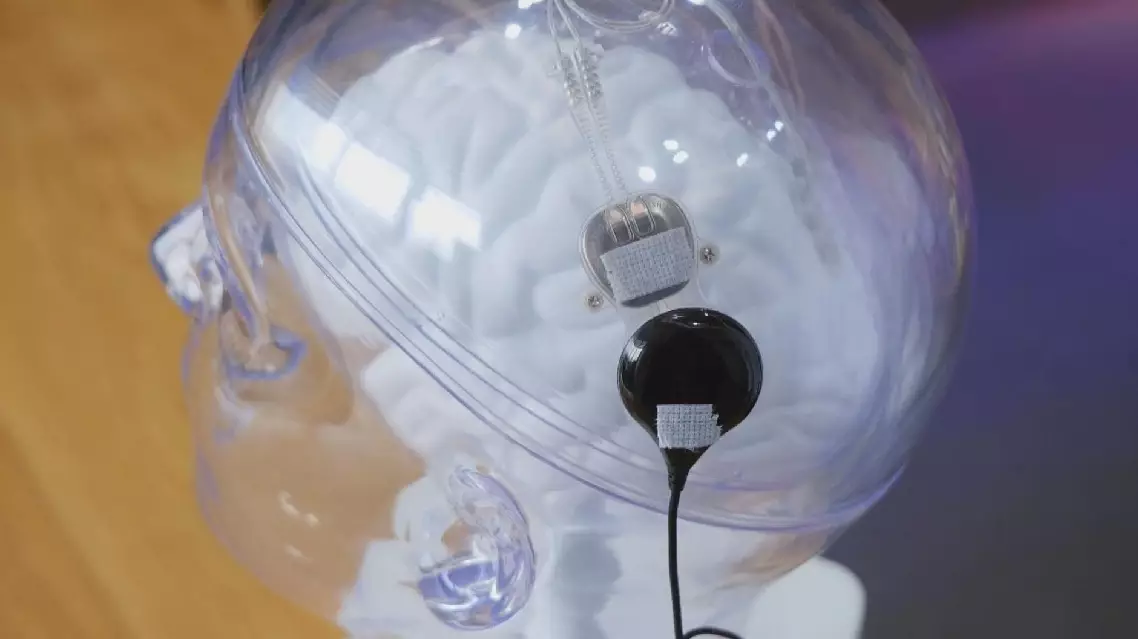
China approves world's first invasive brain-computer interface medical device
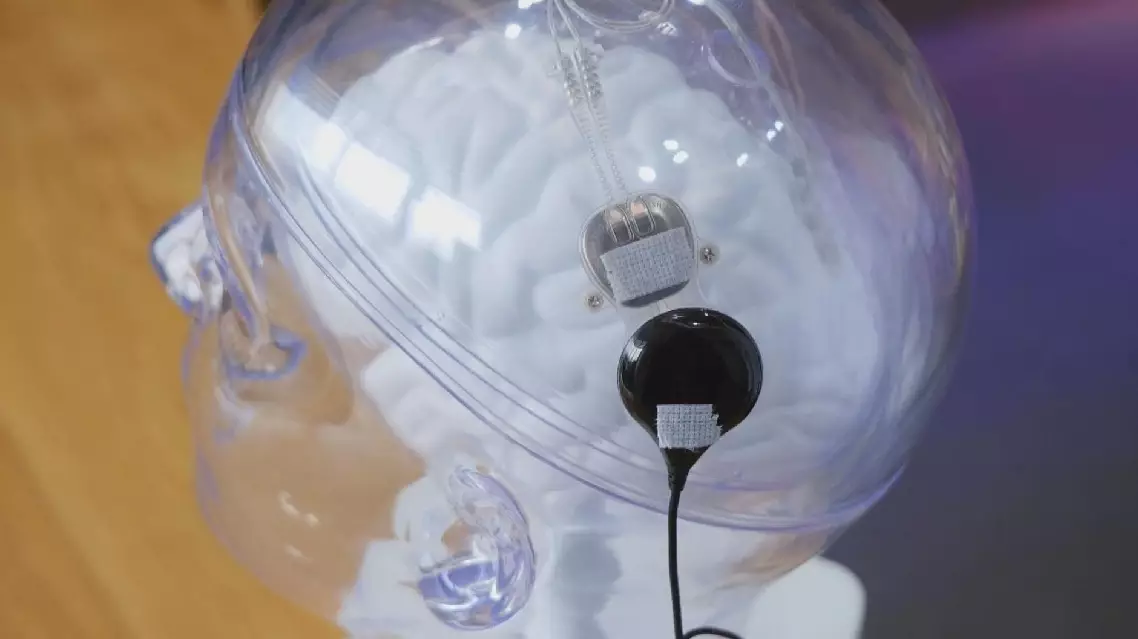
China approves world's first invasive brain-computer interface medical device
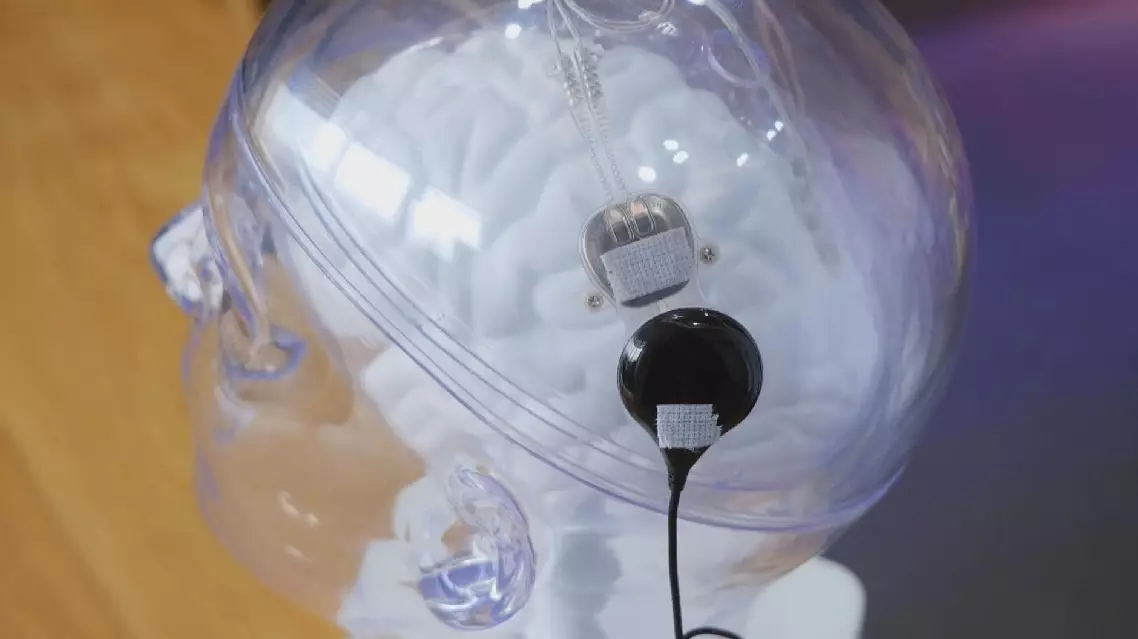
China approves world's first invasive brain-computer interface medical device