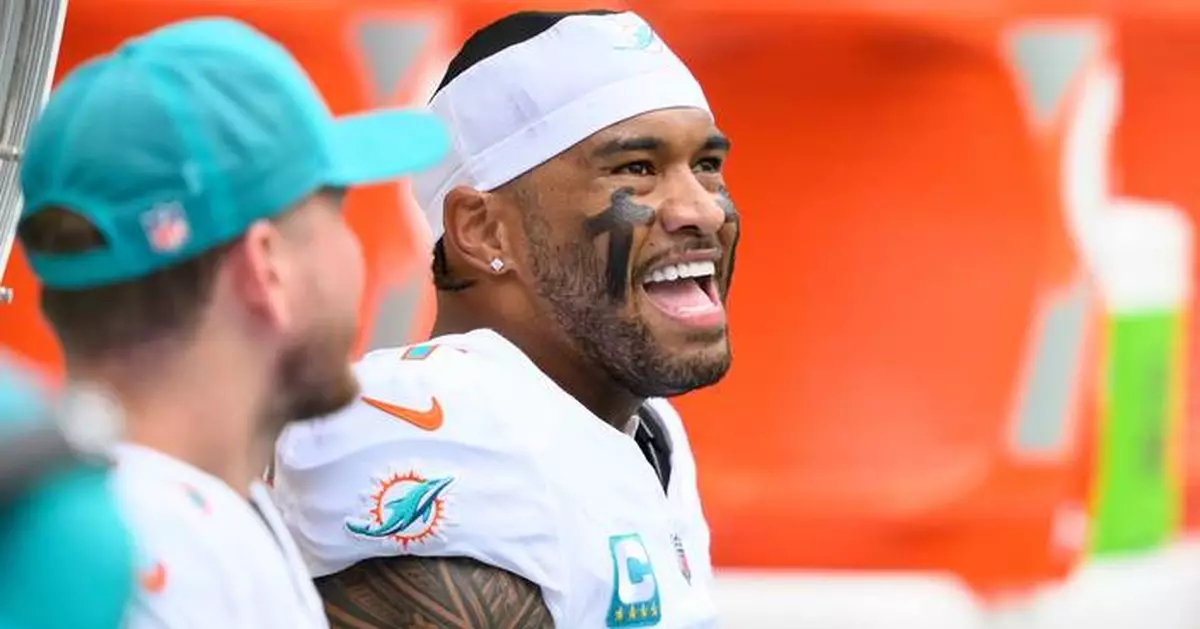
Newly signed Falcons quarterback Tua Tagovailoa will have an opportunity to compete for the starting job in Atlanta, where Michael Penix Jr. is recovering from a torn ACL he suffered in November, general manager Ian Cunningham said Friday.
“For Tua coming in here, he knows he’s coming in to compete, just like Michael knows he’s coming in to compete. Quite frankly, not just those two at the quarterback position, but everybody’s coming in to compete,” Cunningham told reporters. "We’re excited to have Tua, but we’re excited to have all the players that we were able to get in this free agent class.”
Cunningham said he spoke with the agent for Penix before signing Tagovailoa, who was released this week by the Miami Dolphins, and new coach Kevin Stefanski talked to the young quarterback personally.
"You don’t want to blindside somebody,” Cunningham said. “We want to have open conversations and communication, and we feel like we did that in regards to Michael and Tua.”
Penix, who was drafted by the Falcons in 2024, threw for 1,982 yards, nine touchdowns and three interceptions last season before going down with the season-ending torn ACL in November. He was replaced by Kirk Cousins, who was released this week.
Penix is expected to be sidelined through the start of the 2026 season, giving Tagovailoa a potential opportunity to prove himself early.
Tagovailoa is coming off an up-and-down six-year stint in Miami, where the Dolphins signed him to a four-year, $212.4 million contract extension after he led the league in passing yards in 2023. Miami will owe him $54 million in 2026 as a result.
The following two seasons were turbulent, as the quarterback suffered his fourth documented concussion and his play regressed. He was benched for the final three games in 2025 after throwing for 2,660 yards, 20 touchdowns and 15 interceptions, signaling his time in Miami was over.
Cunningham's first free agent signings as general manager of the Falcons share the desire for a fresh start. Like Tagovailoa, receiver Jahan Dotson was eager for a new beginning.
Dotson, a former first-round pick by Washington, spent his past two seasons in Philadelphia in a star-studded receiving room with A.J. Brown and Devonta Smith. He caught 37 passes for 478 yards and a touchdown in his time as an Eagle.
Approaching his first free agency, Dotson sought a home where he could have a bigger impact in the receiving game.
“The big thing for me was going to a team where I feel like my talent will be on display, and my talent can be showcased," Dotson said Friday. “I 100% believe in my talent, my ability to make plays in this football league, it's just about getting the opportunity to do so.”
Dotson joins a position group with Drake London, one of the lone men standing in the Falcons' receiving room after the team parted ways with Darnell Mooney and KhaDarel Hodge.
Tight end Kyle Pitts Sr., whom the Falcons have franchise tagged, led the team with 928 receiving yards last season. All Pro running back Bijan Robinson played a major role in the receiving game as well, adding 820 yards and four TDs receiving in addition to 1,478 rushing yards and seven rushing scores.
AP NFL: https://apnews.com/hub/NFL
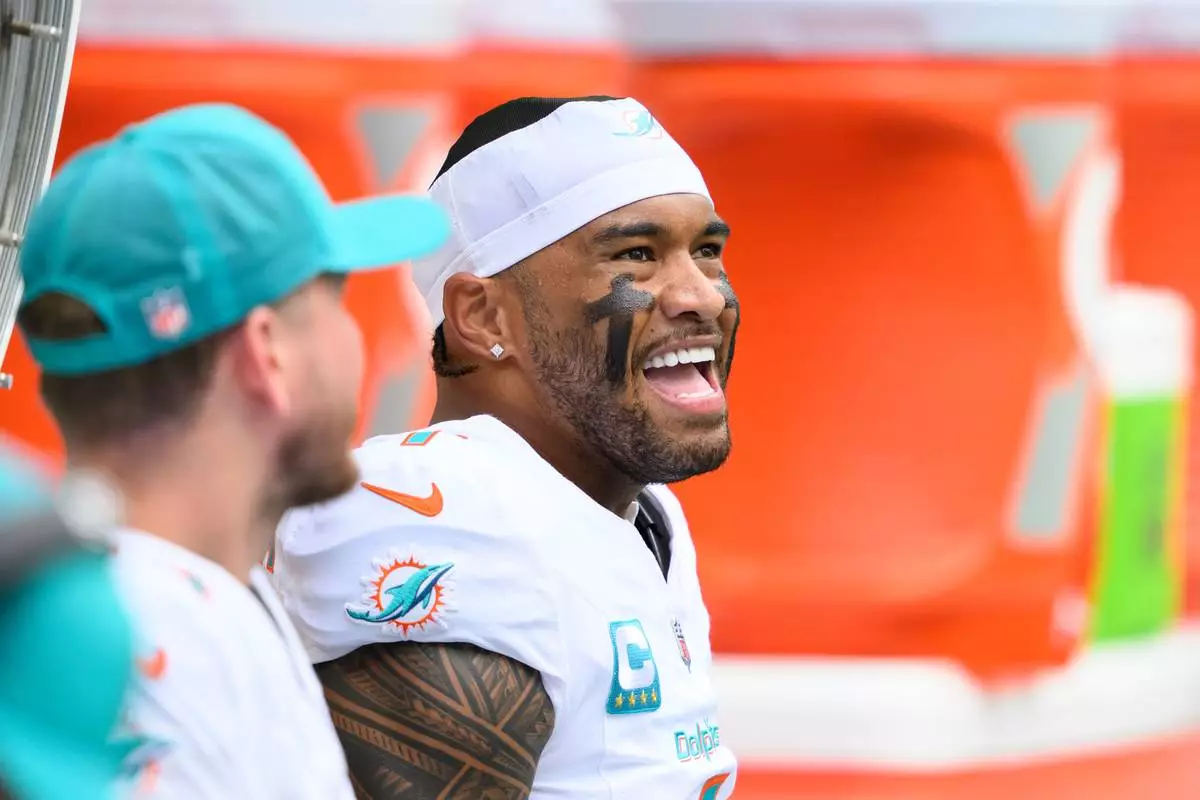
FILE - Miami Dolphins quarterback Tua Tagovailoa smiles on the bench during an NFL football game against the New Orleans Saints, Nov. 30, 2025, in Miami Gardens, Fla. (AP Photo/Doug Murray, File)
Wall Street's losses deepened Friday as the ongoing fallout from the war in Iran keeps pushing oil prices higher, ratcheting up inflationary pressure on the global economy.
The S&P 500 fell 0.6% after having been up as much as 0.9% in the early going. The benchmark index is now down 3.1% so far this year.
The Dow Jones Industrial Average lost 0.3%, and the Nasdaq composite finished 0.9% lower. The indexes also ended the week with their third straight weekly loss.
After briefly easing early Friday, crude oil prices rose again, bringing the benchmark oil price back above $100 a barrel. Brent crude, the international standard, closed 2.7% higher at $103.14 per barrel. It's up about 40% for the month.
A barrel of U.S. crude oil rose 3.1% to settle at $98.71. It’s risen around 46% this month.
“Everything’s just trading with crude oil at this point,” said Michael Antonelli, market strategist at Baird. “We’re basically in a holding pattern until we get kind of the hour-by-hour, day-by-day news about the conflict in the Middle East.”
Oil prices have been volatile since the start of the war. Iran’s actions have effectively stopped cargo traffic through the narrow Strait of Hormuz, where a fifth of the world’s oil typically sails. That has oil producers cutting production because their crude has nowhere to go.
In just over a week since the closure of the Strait of Hormuz, more than 12 million barrels of oil equivalent per day have been taken offline, according to independent research firm Rystad Energy.
If the war continues to hamper the production and transportation of oil from the Persian Gulf, it could cause a surge in inflation that could hurt the global economy.
President Donald Trump signaled earlier this week that he would take more action to address the squeeze on oil flows. The move follows the administration’s decision to grant temporary permission for India to buy Russian oil.
While the International Energy Agency said Wednesday its members would make a record 400 million barrels of oil available from their emergency reserves, some economists believe that would do little to reassure markets.
Long-term bond yields continued to rise Friday as bond market traders reacted to the latest rise in oil prices, a key driver of inflation.
The yield on the 10-year Treasury rose to 4.28% from 4.26% late Thursday. It was just 3.97% before the war started.
When bond yields rise they can push up interest rates on consumer loans, such as mortgages for prospective U.S. homebuyers and bond offerings for companies looking to expand. They also push down on prices for all kinds of investments, from stocks to crypto.
“Higher inflation expectations means higher yields, and then as the higher inflation expectations go, rate cuts start to be priced out,” Antonelli said. “And that’s the whammy that we’re seeing right now.”
A Fed rate cut could give the economy and job market a boost, but also potentially worsen inflation. The Federal Reserve is scheduled to hold its next interest rate policy meetings next week. However, Wall Street traders put the odds of a rate cut at less than 1%, according to CME Group.
A new snapshot of consumer spending Friday shows inflation crept higher in January, even before the Iran war caused oil and gas prices to spike.
The Commerce Department said prices rose 2.8% in January compared with a year earlier. But excluding the volatile food and energy categories — which the Federal Reserve pays closer attention to — core prices rose 3.1%, up from 3% in the prior month and the highest in nearly two years.
Even so, consumers still lifted their spending at a solid 0.4% pace in January, with their incomes rising at the same pace, according to the report.
The University of Michigan's latest gauge of consumer sentiment on Friday showed consumer sentiment declined slightly to its lowest reading of the year as gasoline price hikes since the start of the war in Iran.
Wall Street also got an update on how U.S. economic growth fared in the October-December quarter. The economy, hobbled by last fall’s 43-day government shutdown, grew at a sluggish 0.7% annual rate, a downgrade from its initial estimate last month.
Ulta Beauty slid 14.2% for the biggest decline among S&P 500 stocks after the beauty and makeup retailer's latest quarterly results fell short of analysts’ profit targets. Ulta’s profit was dinged by a 23% increase in selling, general and administrative expenses, which jumped to $1 billion in the period.
All told, the S&P 500 fell 40.43 points to 6,632.19. The Dow lost 119.38 points to finish at 46,558.47, and the Nasdaq dropped 206.62 points to 22,105.36.
In stock markets abroad, indexes in Europe closed mostly lower after falling in Asia.
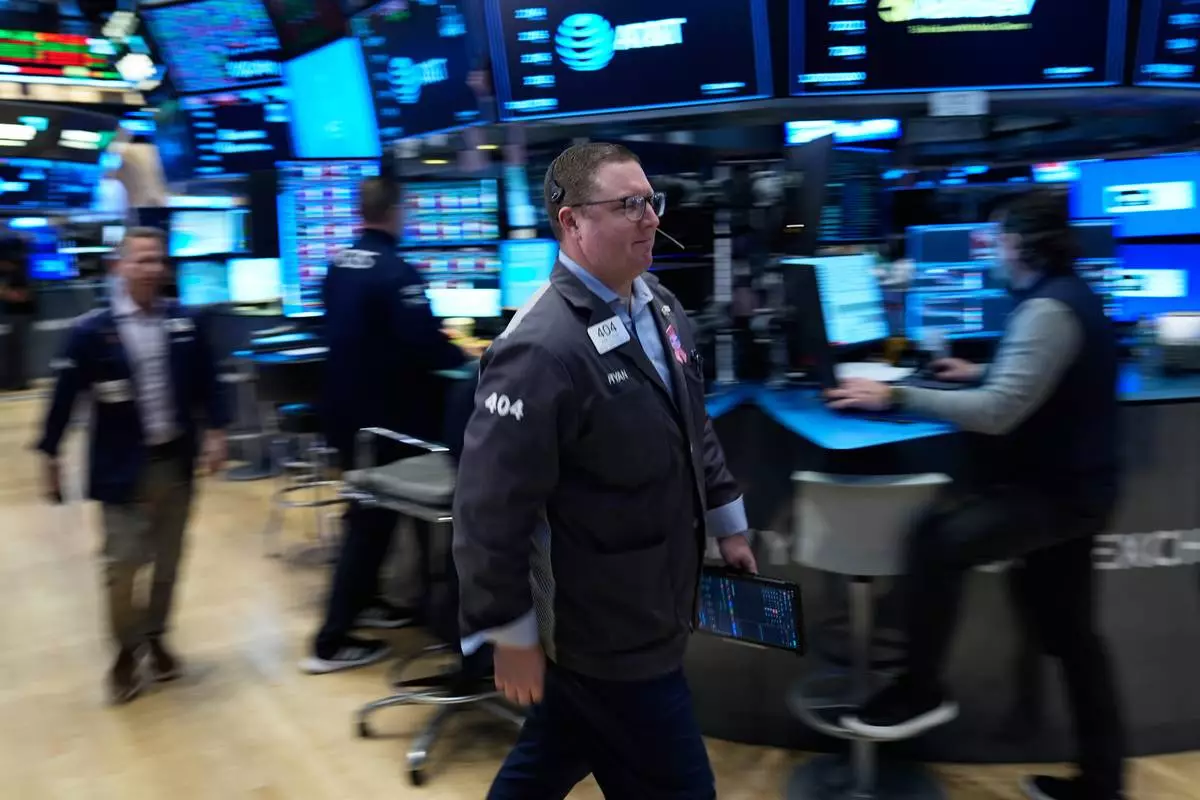
Ryan Falvey works on the floor at the New York Stock Exchange in New York, Tuesday, March 10, 2026. (AP Photo/Seth Wenig)
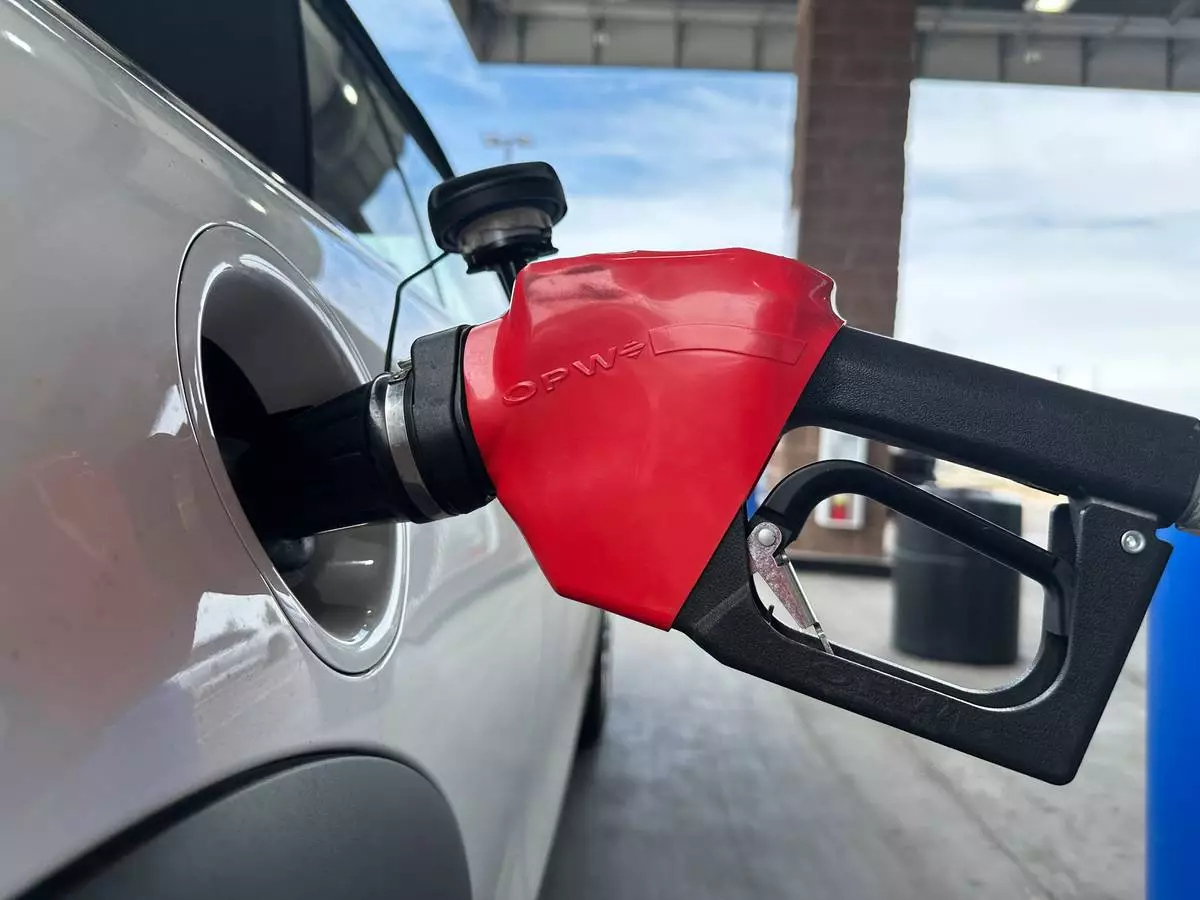
A motorist fills up the tank of a vehicle at a Coscto gasoline station Thursday, March 12, 2026, in east Denver. (AP Photo/David Zalubowski)
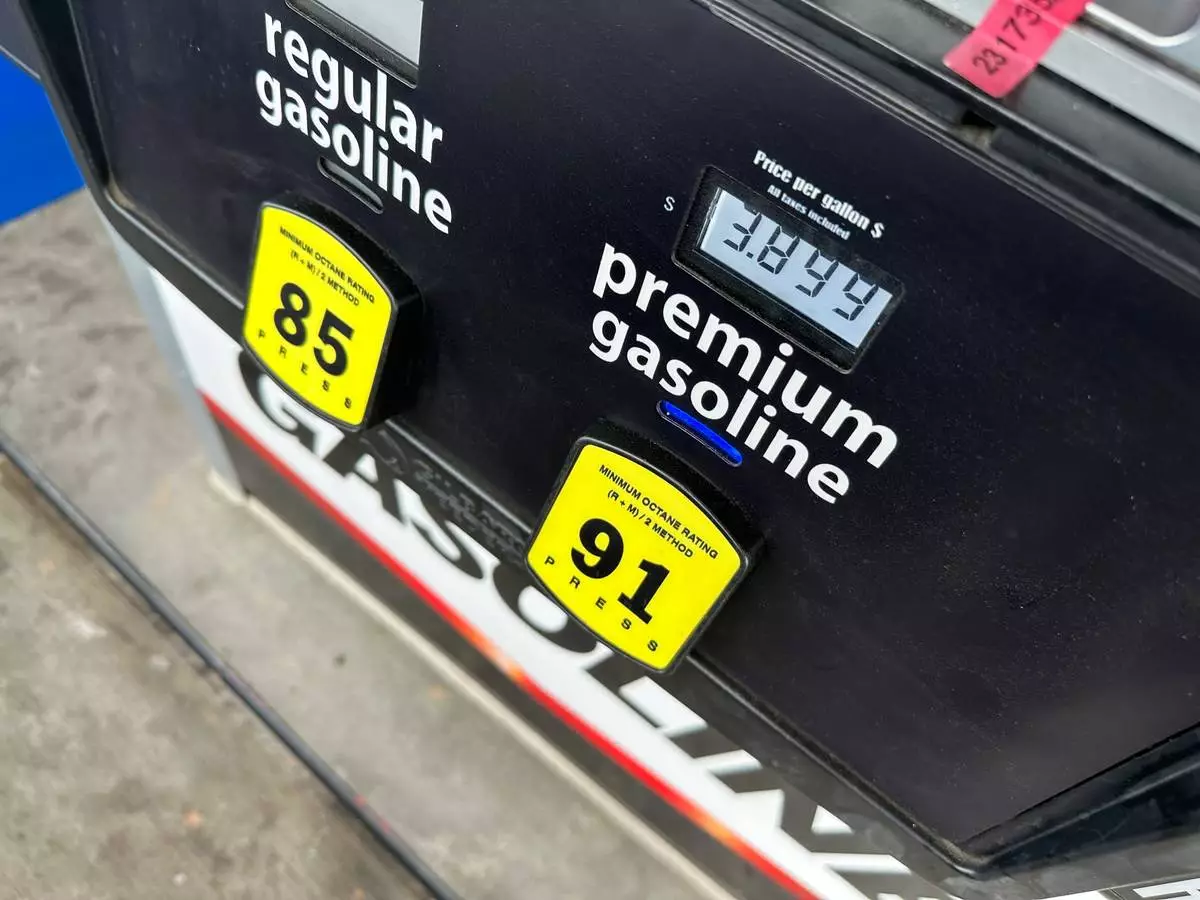
The per-gallon price for premium unleaded fuel is displayed electronically on a pump at a Costco gosoline station Thursday, March 12, 2026, in east Denver. (AP Photo/David Zalubowski)
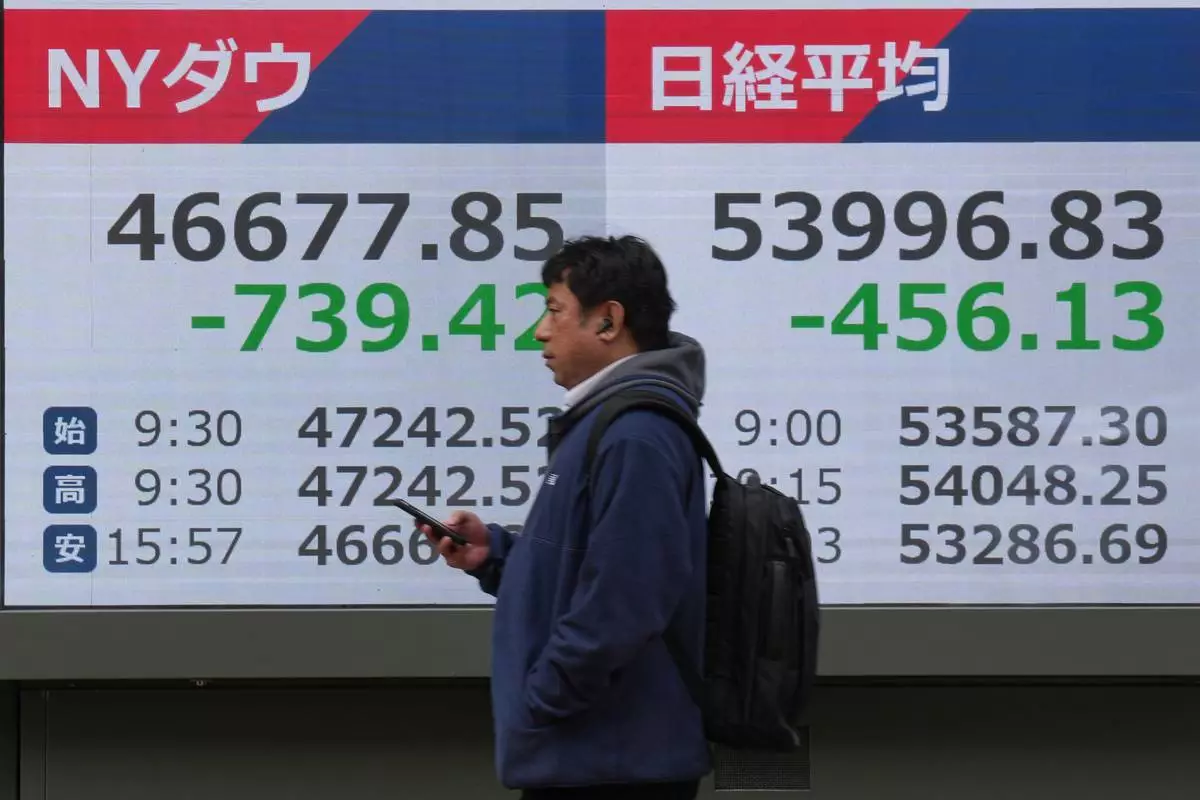
A person walks in front of an electronic stock board showing Japan's Nikkei index at a securities firm Friday, March 13, 2026, in Tokyo. (AP Photo/Eugene Hoshiko)
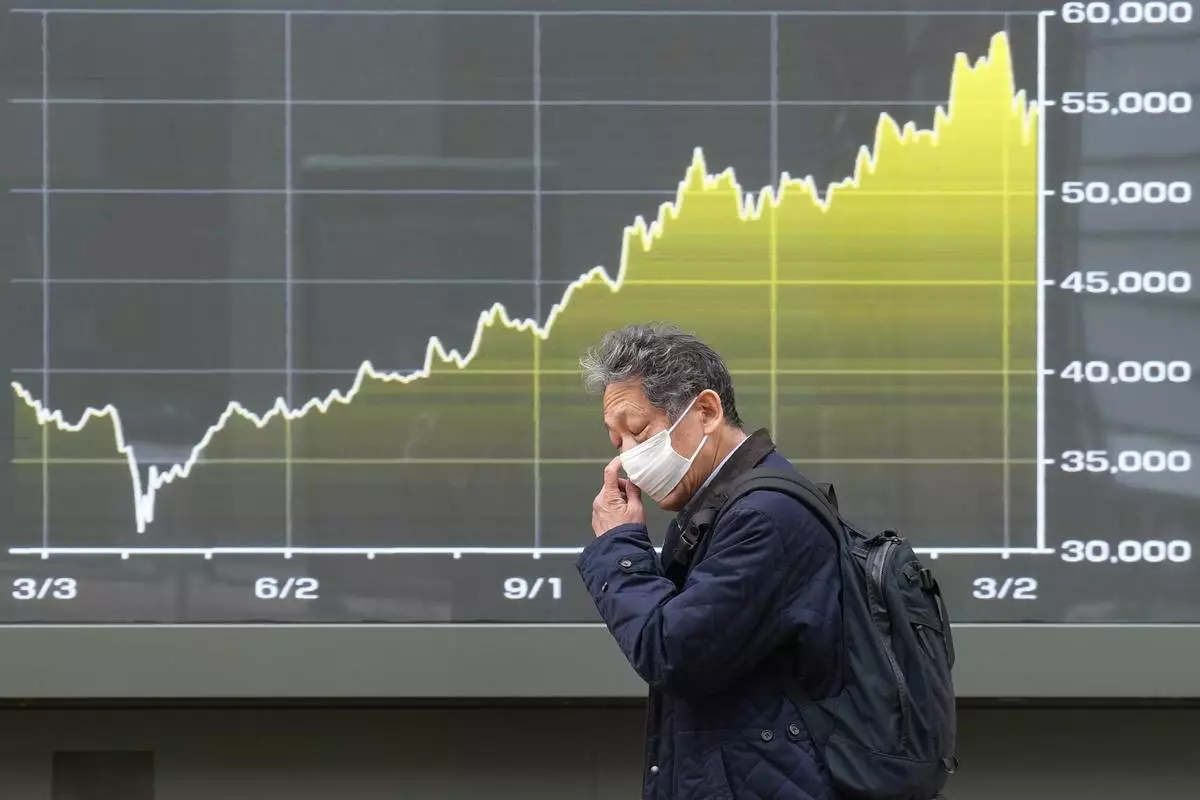
A person walks in front of an electronic stock board showing Japan's Nikkei index at a securities firm Friday, March 13, 2026, in Tokyo. (AP Photo/Eugene Hoshiko)
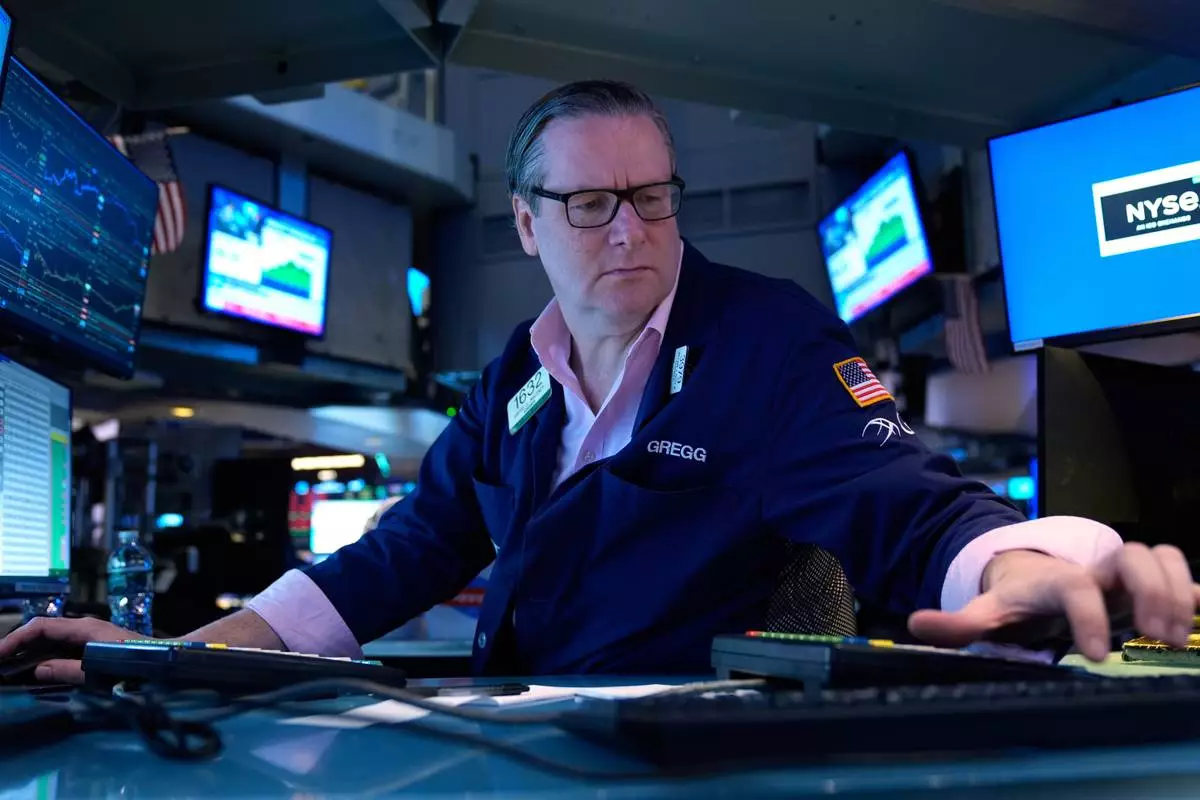
Gregg Maloney works on the floor at the New York Stock Exchange in New York, Tuesday, March 10, 2026. (AP Photo/Seth Wenig)