MADISON, Wis. (AP) — A Wisconsin legislator has pleaded guilty to a misdemeanor count of disorderly conduct in connection with a bitter feud with her caucus over resolutions honoring Hispanics.
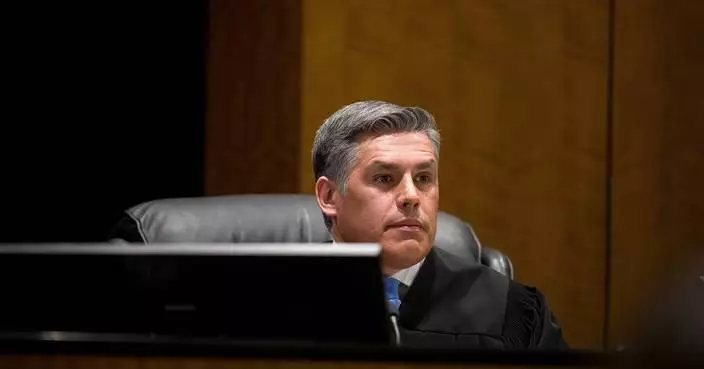
Prosecutors in Milwaukee County charged state Rep. Sylvia Ortiz-Velez in February. Online court records show the Milwaukee Democrat entered the guilty plea Friday, and Judge Paul Malloy ordered her to pay a $300 fine and submit a DNA sample. She could have faced up to 90 days in jail.
Ortiz-Velez said in a statement after the sentencing that she will pay the fine and remains focused on her constituents, not caucus infighting.
“My voting choices caused a rift that has been ugly and bitter,” she said. “My constituents did not send me to Madison to litigate internal caucus disputes or be distracted by the personal feuds — they sent me there to deliver results.”
A spokesperson from Assembly Democratic Minority Leader Greta Neubauer did not immediately respond to an email seeking comment.
According to the criminal complaint, the feud began in August as Democratic members of the state Assembly were planning resolutions honoring Hispanic heritage and Hispanic veterans in observance of Hispanic Heritage Month in September.
Ortiz-Velez grew angry because she believed an unnamed lawmaker drafting the heritage resolution had intentionally excluded her from working on it.
The complaint states that she had been invited to work on the resolution in June and chose not to participate but still wanted to help draft the language. She contacted media outlets saying she had been intentionally left out of the resolution work. She also told the resolution's author that she felt excluded from working on another resolution that same legislator was crafting honoring Hispanic veterans, saying her late husband was a Hispanic veteran.
Two more unnamed lawmakers told investigators that Ortiz-Velez told them in separate phone conversations that she was going to spread “negative personal information” about the resolutions’ author to the media and that “they are going to do what I want them to do, or I’m going to x, y and z," according to the complaint.
When one of the lawmakers asked her what that meant, she made comments about the resolutions’ author’s personal life and other legislators. The complaint characterized those remarks as “indecent and tended to disrupt the good public order" but does not elaborate or offer any more specificity.
Democratic leaders issued a statement in September saying Ortiz-Velez had made a comment about shooting three caucus members. That statement came a day after another statement announcing that Ortiz-Velez was leaving the Democratic caucus.
In interviews with the news website Wisconsin Right Now and the Milwaukee Journal Sentinel, Ortiz-Velez denied that she threatened her colleagues. But the Legislature's human resources office barred her from entering the state Capitol for a day. A spokesperson for Assembly Republican Speaker Robin Vos said at the time that she shouldn't have been banned.
Ortiz-Velez's attorney, Michael Cernin, said in a telephone interview Friday that Assembly Democrats were already upset with Ortiz-Velez going into September because she had voted for the 2025-27 state budget and for new legislative maps Democratic Gov. Tony Evers drew up in 2024. Democrats opposed the spending plan in part because they felt it doesn't adequately fund public schools and argued the state Supreme Court should have drawn the new legislative maps.
Rep. Priscilla Prado, another Milwaukee Democrat, wouldn't allow Ortiz-Velez to participate in the Hispanic resolutions, he said. Two of the lawmakers who went unnamed in the complaint made allegations to investigators that Ortiz-Velez had threatened to expose unsavory elements of Prado's personal life to the media, he said.
“It’s incredibly petty, and Sylvia didn’t want any part of this,” Cernin said. “Sylvia truly wanted to spare Prado any sort of embarrassment on this.”
No one immediately responded to messages left with Prado’s Capitol’s office seeking comment on Friday afternoon.
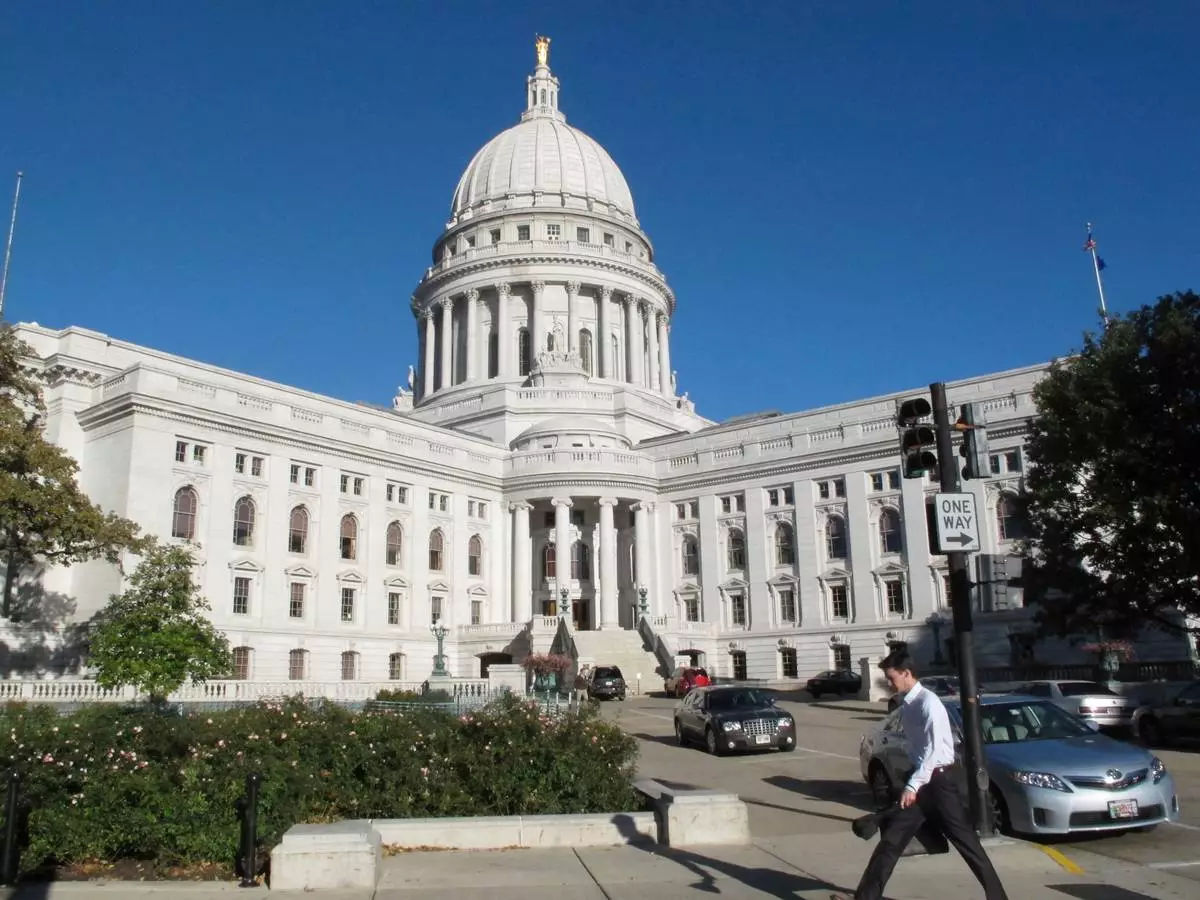
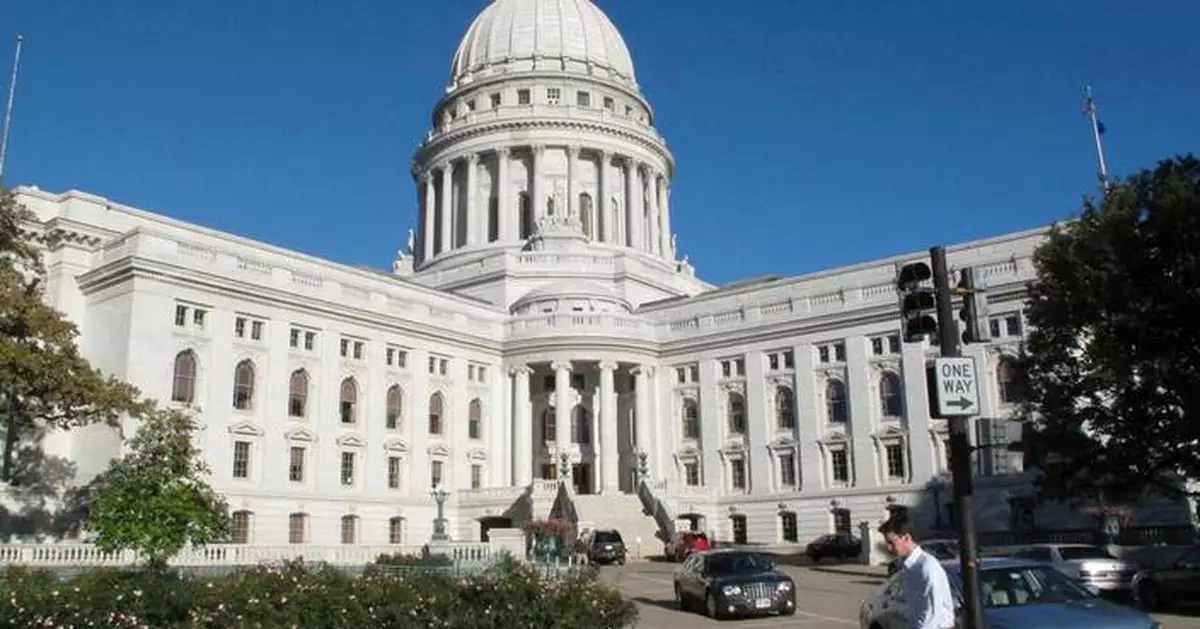
FILE - A man walks by the Wisconsin state Capitol, Oct. 10, 2012, in Madison, Wis. (AP Photo/Scott Bauer, File)
Wall Street's losses deepened Friday as the ongoing fallout from the war in Iran keeps pushing oil prices higher, ratcheting up inflationary pressure on the global economy.
The S&P 500 was down 0.5% in afternoon trading after having been up as much as 0.9% in the early going. The Dow Jones Industrial Average was down 64 points, or 0.1%, as of 3:22 p.m. Eastern time, and the Nasdaq composite was 1% lower. The major indexes are headed for their third straight losing week.
In the energy market, which has been roiled by the Iran war and its impact on supplies of crude oil and gas, the price of a barrel of Brent crude, the international standard, climbed back above $100 per barrel after briefly dropping earlier in the day. It closed 2.7% higher at $103.14 per barrel. It's up about 40% for the month.
A barrel of U.S. crude oil rose 3.1% to settle at $98.71. It’s risen around 46% this month.
Oil prices have been volatile since the Iran war began. Iran’s actions have effectively stopped cargo traffic through the narrow Strait of Hormuz, where a fifth of the world’s oil typically sails. That has oil producers cutting production because their crude has nowhere to go.
If the war continues to hamper the production and transportation of oil from the Persian Gulf, it could cause a surge in inflation that could hurt the global economy. Analysts have said that if the Strait of Hormuz remains closed, oil prices could jump to $150 relatively quickly.
While the International Energy Agency said Wednesday its members would make a record 400 million barrels of oil available from their emergency reserves, some economists believe that would do little to reassure markets.
President Donald Trump signaled earlier this week that he would take more action to address the squeeze on oil flows. The move follows the administration’s decision to grant temporary permission for India to buy Russian oil.
A new snapshot of consumer spending Friday shows inflation crept higher in January, even before the Iran war caused oil and gas prices to spike.
The Commerce Department said prices rose 2.8% in January compared with a year earlier. But excluding the volatile food and energy categories — which the Federal Reserve pays closer attention to — core prices rose 3.1%, up from 3% in the prior month and the highest in nearly two years.
Even so, consumers still lifted their spending at a solid 0.4% pace in January, with their incomes rising at the same pace, according to the report.
Consumer spending powers about two-thirds of the economy, which is why economists keep a close watch on trends in incomes and spending.
The University of Michigan's latest gauge of consumer sentiment on Friday showed consumer sentiment declined slightly to its lowest reading of the year as gasoline price hikes since the start of the war in Iran.
Meanwhile, the Labor Department said Friday U.S. job openings jumped to nearly 7 million in January, topping economists’ forecasts.
Wall Street also got an update on how U.S. economic growth fared in the October-December quarter. The economy, hobbled by last fall’s 43-day government shutdown, grew at a sluggish 0.7% annual rate, a downgrade from its initial estimate last month.
“GDP and the job market have been expanding, but the rate of change has been slowing, which leads to concerns about the overall economy -- and that was even before we stared a war in the Middle East, which spiked the price of oil,” Chris Zaccarelli, chief investment officer for Northlight Asset Management, said in an email.
About 60% of the stocks in the S&P 500 were rising Friday, with financial services, health care and consumer goods companies among the gainers. Charles Schwab rose 2.5%, Eli Lilly added 1.2% and Philip Morris International gained 1.7%.
Software maker Adobe fell 5.9% even after it beat Wall Street’s sales and profit forecasts. Investors were likely underwhelmed by the company’s forecast for its recurring subscription revenue.
Ulta Beauty slid 13.5% for the biggest decline among S&P 500 stocks after the beauty and makeup retailer's latest quarterly results fell short of analysts’ profit targets. Ulta’s profit was dinged by a 23% increase in selling, general and administrative expenses, which jumped to $1 billion in the period.
Bitcoin rose 1.2% to just around $71,257, boosting companies that trade or hoard the cryptocurrency. Coinbase Global rose 0.8% and Strategy gained 1.6%.
In the bond market, the yield on the 10-year Treasury rose to 4.28% from 4.26% late Thursday. It was just 3.97% before the war started.
Higher yields help make all kinds of borrowing more expensive, such as mortgages for potential U.S. homebuyers and bond offerings for companies looking to expand. They also push down on prices for all kinds of investments, from stocks to crypto.
In stock markets abroad, indexes in Europe closed mostly lower after falling in Asia.

Ryan Falvey works on the floor at the New York Stock Exchange in New York, Tuesday, March 10, 2026. (AP Photo/Seth Wenig)

A motorist fills up the tank of a vehicle at a Coscto gasoline station Thursday, March 12, 2026, in east Denver. (AP Photo/David Zalubowski)

The per-gallon price for premium unleaded fuel is displayed electronically on a pump at a Costco gosoline station Thursday, March 12, 2026, in east Denver. (AP Photo/David Zalubowski)

A person walks in front of an electronic stock board showing Japan's Nikkei index at a securities firm Friday, March 13, 2026, in Tokyo. (AP Photo/Eugene Hoshiko)

A person walks in front of an electronic stock board showing Japan's Nikkei index at a securities firm Friday, March 13, 2026, in Tokyo. (AP Photo/Eugene Hoshiko)

Gregg Maloney works on the floor at the New York Stock Exchange in New York, Tuesday, March 10, 2026. (AP Photo/Seth Wenig)