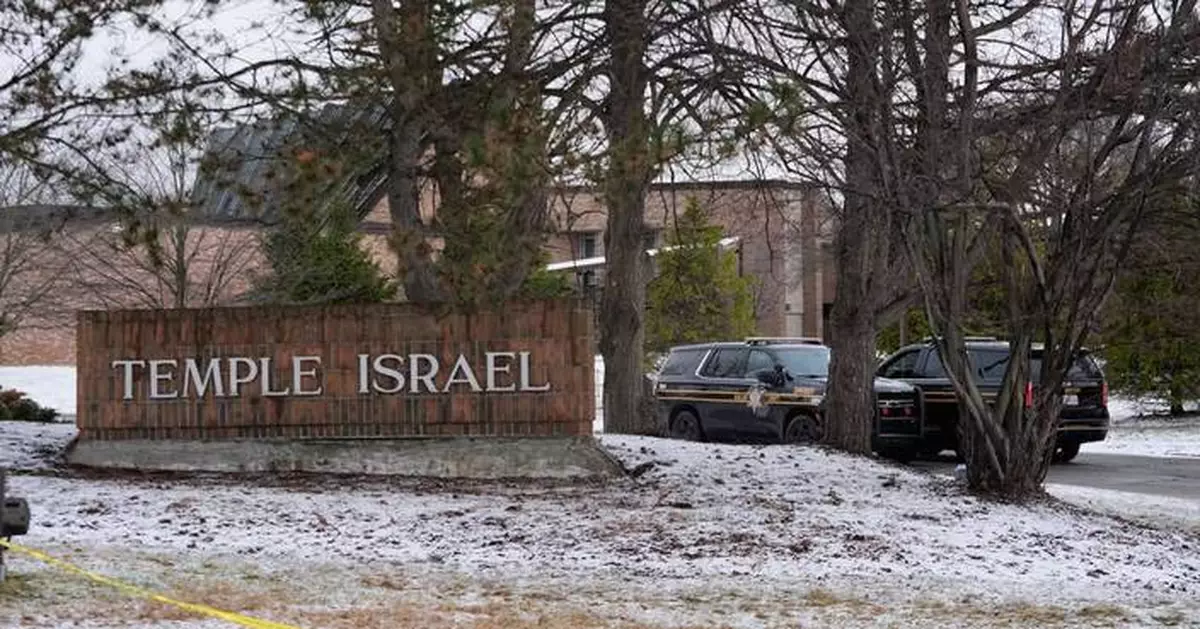
The Michigan synagogue that came under attack this week when an armed man drove his car into the building had for months been strengthening its security apparatus by hiring a seasoned police lieutenant as its security director and holding active shooter training.
That beefed up security, which came in response to rising antisemitism and other attacks at places of worship, is being credited with saving lives in an event that ended with only the attacker dying.
An armed private security guard shot back at the attacker after he opened fire through his windshield in a hallway inside the building. When the car barreled in, there were 140 students inside in an early childhood learning center. All were unscathed.
The car’s engine caught fire, and the gunman, Ayman Mohammad Ghazali, a Lebanese-born U.S. citizen, eventually used his own weapon to fatally shoot himself, according to Jennifer Runyan, the special agent in charge of the FBI’s Detroit field office.
“If they had not done their job almost perfectly we would be talking about an immense tragedy here today with children gone,” U.S. Sen. Elissa Slotkin said of the building's security.
Michigan Gov. Gretchen Whitmer added: “These heroes threw themselves in harm’s way, engaging a suspect.”
One of Temple Israel's rabbis said “it was only a miracle” that none of its members were hurt.
“Unfortunately the entire Jewish community, no matter where we are in the world, we have to plan for things like this,” Temple Israel Rabbi Jennifer Kaluzny told CNN.
The effort to bolster security at Temple Israel, outside Detroit, came as many houses of worship have undergone similar efforts, with leaders working to fortify facilities in the wake of deadly attacks. Synagogues around the world have increased protections after the U.S. and Israel launched a war with Iran.
The synagogue last June hired a former police lieutenant, Danny Phillips, to lead its in-house armed security guards as the head of security, with the temple saying it was taking a proactive step “in response to the evolving realities facing Jewish communities.”
Phillips served in law enforcement for almost three decades, including more than 20 years as his department's advanced firearm instructor, according to the website of a college where he teaches a police academy course on responding to active assailants.
And in January, Temple Israel's staff and clergy participated in an active shooter prevention and preparedness training led by an FBI official, according to the synagogue's social media accounts.
Oakland County Sheriff Mike Bouchard said on Thursday that he had contacted the head of security for the temple just two days before the attack. He credited the thorough preparation ahead of the attack as the reason that there weren’t casualties.
Ron Amann, a member of the safety team at CrossPointe Community Church in Wayne, Michigan, is still recovering after being shot in the leg by a man who tried to attack the Christian church last June. The gunman was killed by another team member before he could enter a Sunday service.
Amann, who was armed, said he passed his grandson to his wife when he heard a woman yell, “There’s a man with a gun.”
“When you sign up for the safety team you have to be willing to stand up and fight, bluntly, rather than run the other direction,” said Amann, 64, who has a metal rod in his lower right leg.
“My alertness is just at a higher level than it ever was before,” he said. “The events at the synagogue just keep bringing it back to the forefront. I’m certainly saddened by all that.”
CrossPointe church is 30 miles (48.2 kilometers) from the synagogue. But Pastor Bobby Kelly said he and his staff sheltered in place Thursday when they heard about the attack. Police even drove around the church.
“When you hear of something happening,” Kelly said, “you don’t know where it’s going to happen next.”
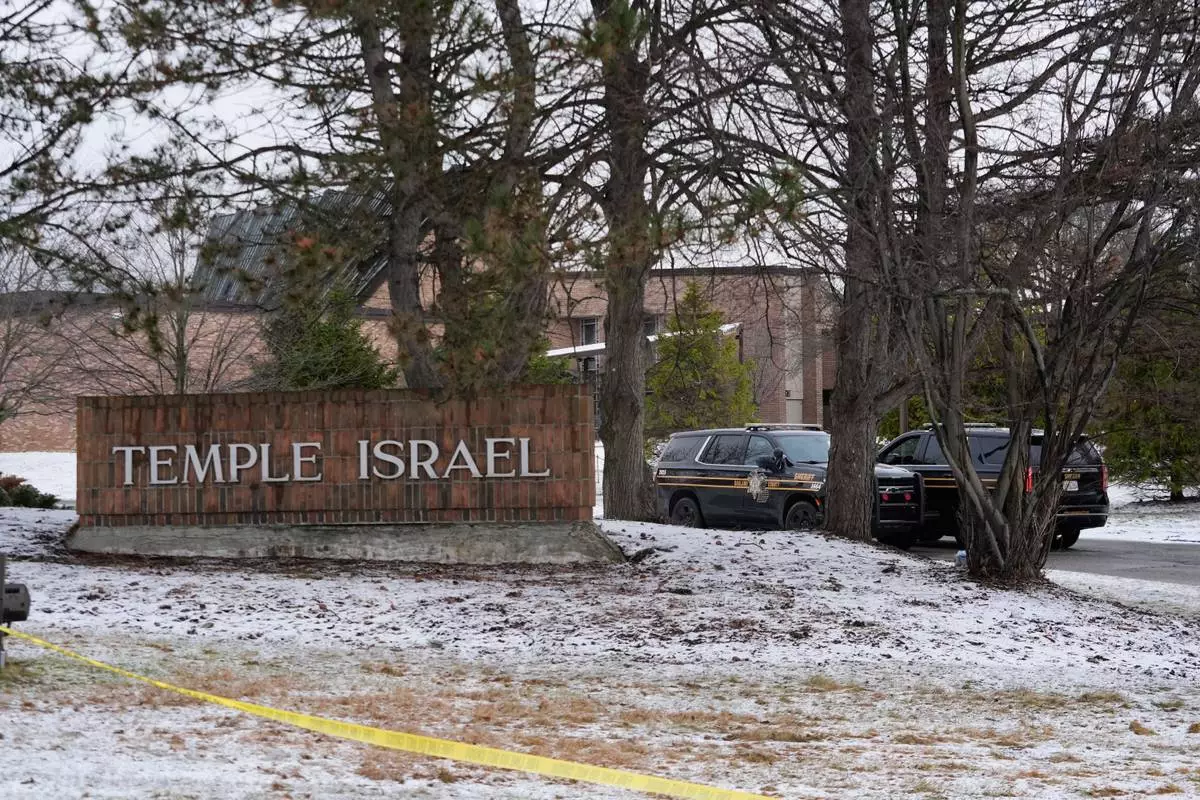
Police vehicles sit outside the Temple Israel synagogue Friday, March 13, 2026, in West Bloomfield Township, Mich. (AP Photo/Paul Sancya)
U.S. and Iranian negotiators were in Switzerland on Sunday for talks on their interim agreement to end the Iran war. Pakistani and Qatari mediators were also at the scene for the technical-level discussions on resolving the conflict that began in late February.
The U.S. team is led by Vice President JD Vance and includes Jared Kushner and Steve Witkoff. They will meet with Iranian negotiators led by Parliament Speaker Mohammad Bagher Qalibaf and Foreign Minister Abbas Araghchi.
On the eve of the talks, Tehran announced it has closed the Strait of Hormuz again over Israel’s ongoing military campaign in Lebanon. The interim deal between the U.S. and Iran is meant to stop fighting on all fronts, including Lebanon, as well as calling for billions of dollars of Iran’s assets to be unfrozen.
U.S. President Donald Trump has threatened to impose American tolls in the strait if a final deal with Iran isn’t reached in 60 days. The interim agreement calls for toll-free travel for 60 days in the waterway that is vital for the world’s oil supply.
Here is the latest:
The Israeli military says it killed two militants who were involved in helping transfer up to half a billion dollars to Hamas. The military says the two — Hussein Qadra and Mohammed Farra, who worked with Hamas and the militant group Palestinian Islamic Jihad — were killed in a strike last week.
It said on Sunday that the men oversaw a network of couriers and money exchange spots in both Gaza and Turkey that funneled money towards Hamas militants and infrastructure.
Both men were killed on Wednesday and buried on Thursday, according to their families. Farra’s family said his father, mother and sister were killed in an Israeli strike earlier in the war.
The conflict in Gaza is not part of the U.S-Iran talks underway in Switzerland.
Pakistan’s Prime Minister Shehbaz Sharif has separately met with JD Vance and with the Iranian delegation at the Bürgenstock Resort near Lucerne in Switzerland where the high-level talks are taking place.
Islamabad says Pakistan’s army chief, Field Marshal Asim Munir, accompanied Sharif at the meetings. It did not provide further details.
Sharif has repeatedly said Munir played a key role in brokering the memorandum of understanding between the U.S. and Iran.
A video released by Sharif’s office shows him warmly embracing Qalibaf, Iran's parliament speaker, and Araghchi, Iran's foreign minister, as Munir looks on.
Rafael Grossi, chief of the U.N. nuclear watchdog — the International Atomic Energy Agency — met with Swiss Foreign Minister Ignazio Cassis on the sidelines of the gathering at the picturesque mountainside resort near Lake Lucerne on Sunday morning.
The agency had monitored the 2015 nuclear deal negotiated between the U.S. and Iran under the Obama administration.
Trump in 2018 withdrew the U.S. from that agreement.
Iran's Foreign Ministry spokesman Esmail Baghaei says Tehran will mainly focus during the talks on Sunday on the ongoing fighting in Lebanon.
Tehran insists that the deal’s implementation start with a cessation of all fighting — including between Israel and Hezbollah.
Baghaei said the U.S. “has been unable or unwilling” to hold Israel to the ceasefire.
Iran will meet in the morning with Pakistani and Qatari mediators, and in the afternoon, there will be a four-way meeting including the U.S. negotiating team. There is currently only one day of negotiations planned, Baghaei told the state news agency.
“The implementation of any document is more important than its signing,” Baghaei also said Sunday.
Iran’s president has said that Iran will maintain its right to a nuclear program.
“What is certain is that we will never back down from the right to enrich uranium, and the other side is also forced to accept it,” Masoud Pezeshkian said on Sunday, according to state media.
As the U.S.-Iran talks were to kick off in Switzerland, a ceasefire appears to be holding in Lebanon, a lull that came after another day of heavy fighting.
Since the ceasefire, Israeli strikes on Friday and Saturday killed 97 people, including eight women and four children, Lebanese officials said. Five Israeli soldiers were also killed.
Israel says it targeted Hezbollah infrastructure on Saturday, including a tunnel network in the southern Lebanese town of Kfar Tebnit.
But by Sunday morning, residents in southern Lebanon reported a lull in Israeli strikes. There also were no reports of Hezbollah fire from the Israeli side.
Israel’s military has received instructions to uphold the ceasefire, and said it is only acting defensively, according to an Israeli military official who spoke on condition of anonymity in line with military guidelines.
—Melanie Lidman in Tel Aviv, Israel
Pakistani Prime Minister Shehbaz Sharif and army chief Field Marshal Asim Munir are also in Switzerland for the high-level U.S.-Iran talks, the prime minister's office said without providing further details.
The technical-level talks at Bürgenstock Resort near the Swiss city of Lucerne are being held after Sharif dispatched his special envoy, Interior Minister Mohsin Naqvi, to Tehran to persuade Iranian authorities to send a delegation to Switzerland. The meeting was originally scheduled for Friday but was delayed because of concerns raised by Iran.
Naqvi later informed Islamabad that Iran was willing to attend the talks. Pakistan subsequently conveyed the development to Washington.
The strait has emerged as a key focus, with Iran’s joint military command saying on Saturday that it was closed again because of the U.S. “clear breach of its commitments” by failing to end the war. The interim deal is meant to stop fighting on all fronts, including in Lebanon where Israeli forces are battling the militant Hezbollah group.
The U.S. disputed Iran’s announcement, with the U.S. Central Command saying that traffic continues to flow and that 55 merchant ships transited on Saturday with more than 17 million barrels of oil.
Ships began transiting after the interim U.S.-Iran agreement was signed last week. The U.S. lifted its blockade of Iran’s ports and now allows Tehran to sell its oil freely — terms that have left some in U.S. Congress asking whether the war was worth it.
The interim deal signed by Trump and Iranian President Masoud Pezeshkian gives negotiators 60 days to reach a nuclear agreement, but the time can be extended.
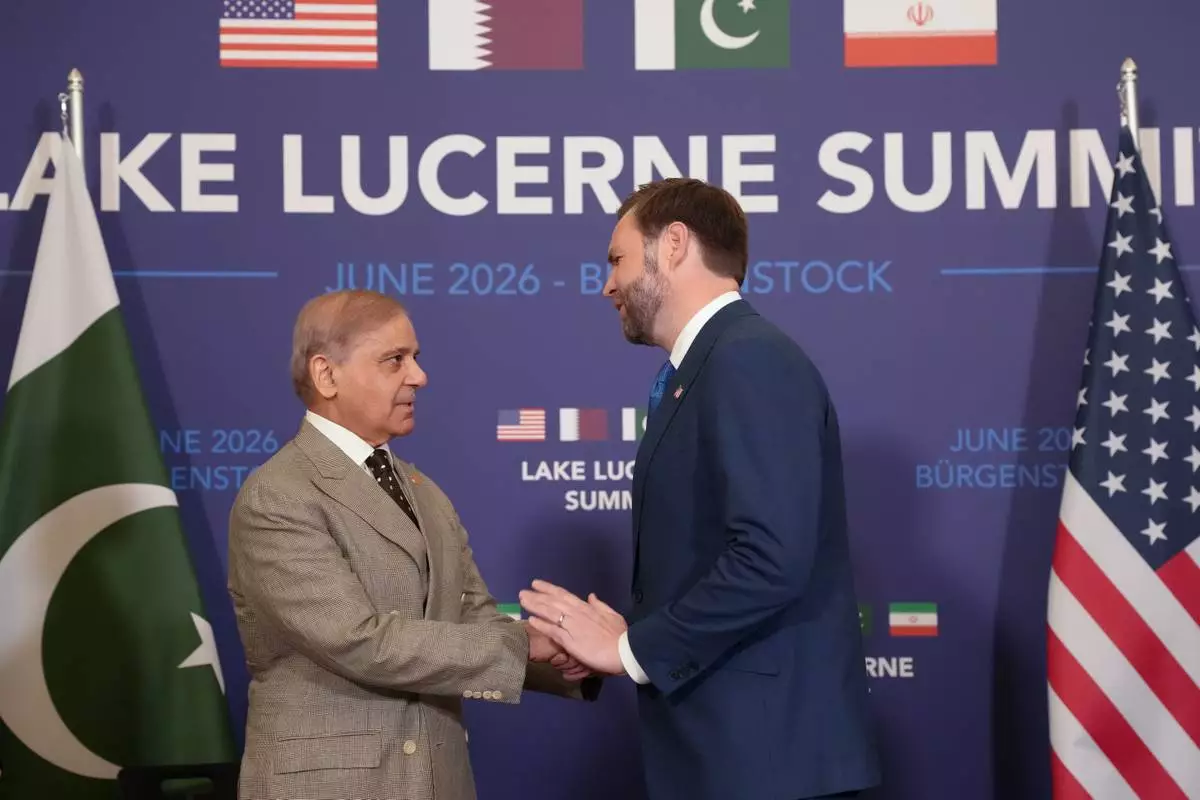
U.S. Vice President JD Vance, right, meets with Pakistan's Prime Minister Shehbaz Sharif, during high-level talks aimed at advancing a deal to end the Middle East conflict, at the Bürgenstock Resort in Obbuergen, near Lucerne, in Switzerland, Sunday, June 21, 2026. (Nathan Howard/Pool Photo via AP)
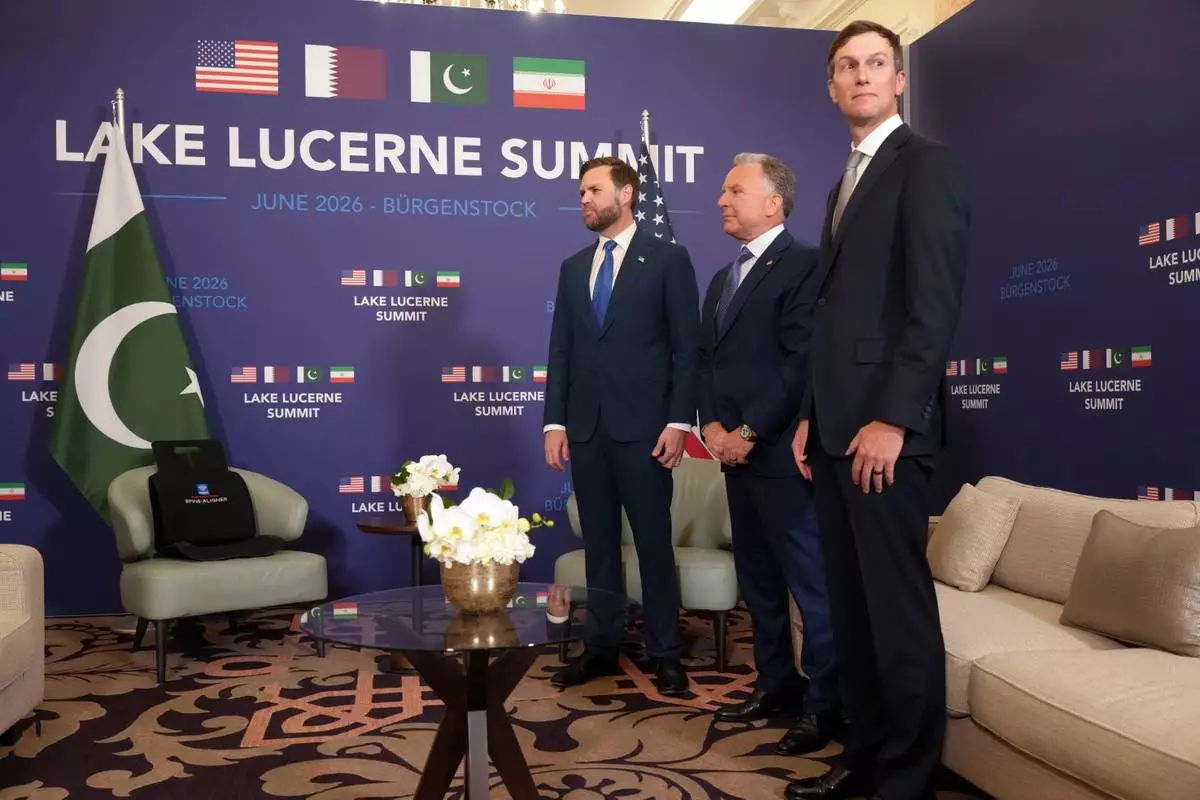
U.S. Vice President JD Vance waits, alongside U.S. President Donald Trump's envoys Steve Witkoff, second right, and Jared Kushner, right, to meet with Pakistan's Prime Minister Shehbaz Sharif for high-level talks aimed at advancing a deal to end the Middle East conflict, at the Bürgenstock Resort in Obbuergen, near Lucerne, in Switzerland, Sunday, June 21, 2026. (Nathan Howard/Pool Photo via AP)
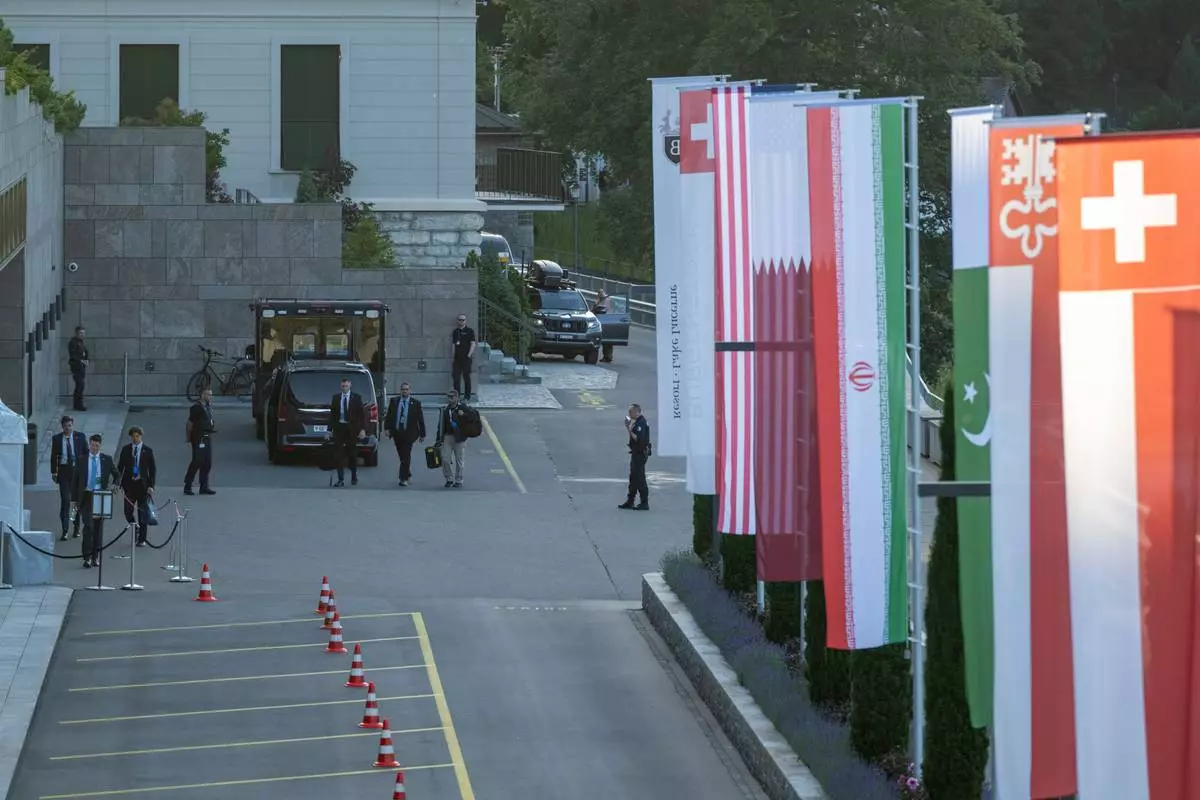
Flags of the U.S., Qatar, Iran, Pakistan, Nidwalden and Switzerland, from left, are seen at the Buergenstock resort in Obbuergen, near Lucerne, Switzerland, Sunday, June 21, 2026. (Urs Flueeler/Keystone Pool via AP)
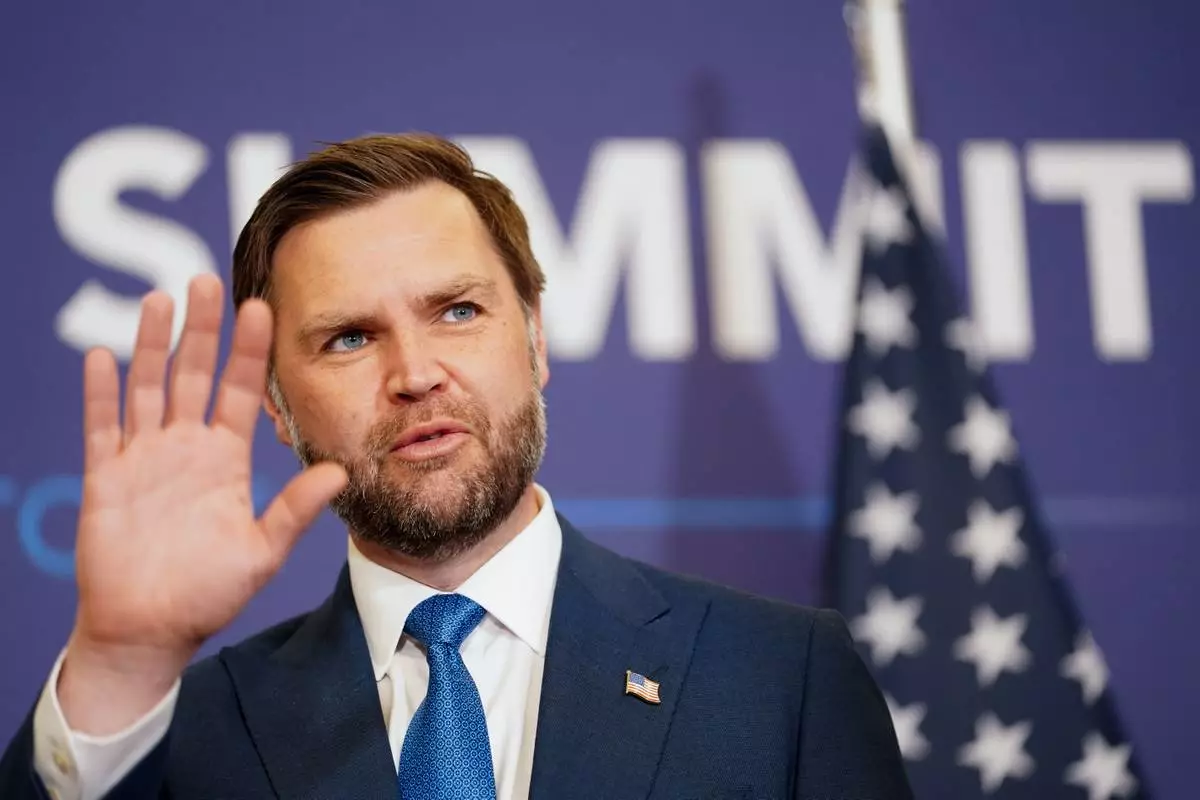
U.S. Vice President JD Vance, gestures as he meets with Pakistan's Prime Minister Shehbaz Sharif, during high-level talks aimed at advancing a deal to end the Middle East conflict, at the Bürgenstock Resort in Obbuergen, near Lucerne, in Switzerland, Sunday, June 21, 2026. (Nathan Howard/Pool Photo via AP)
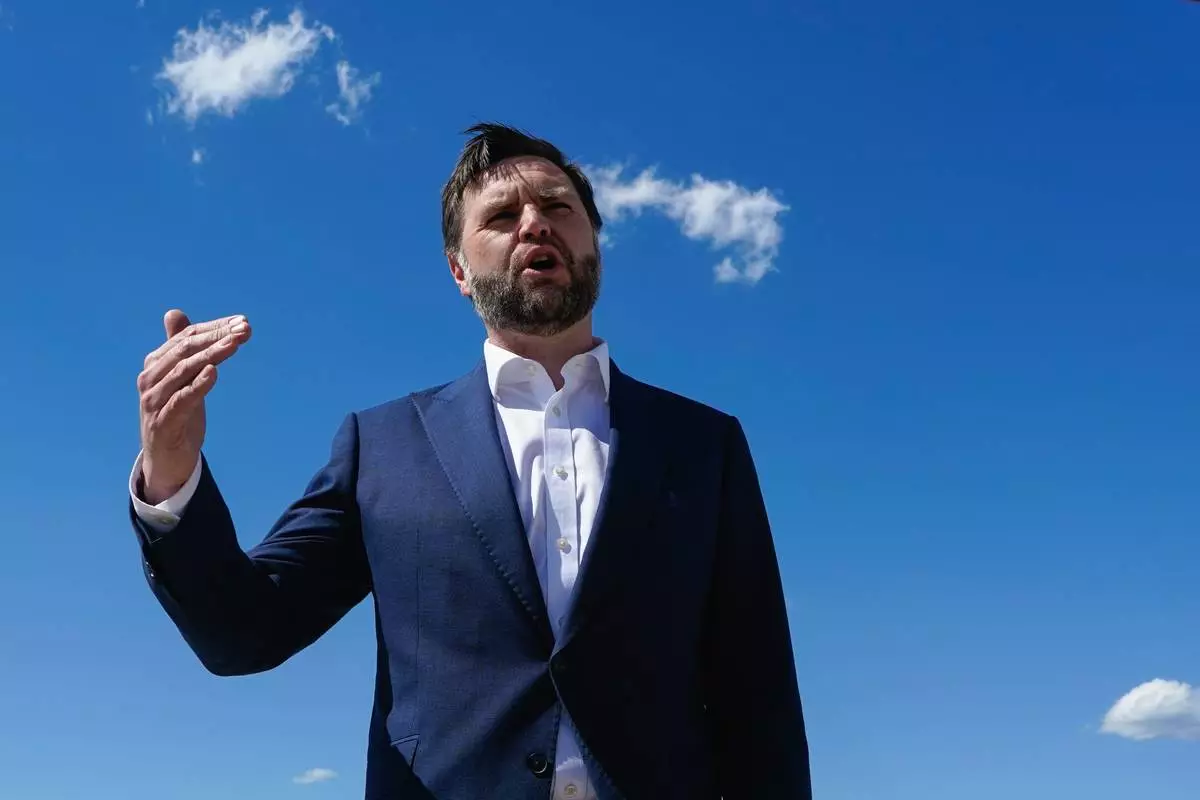
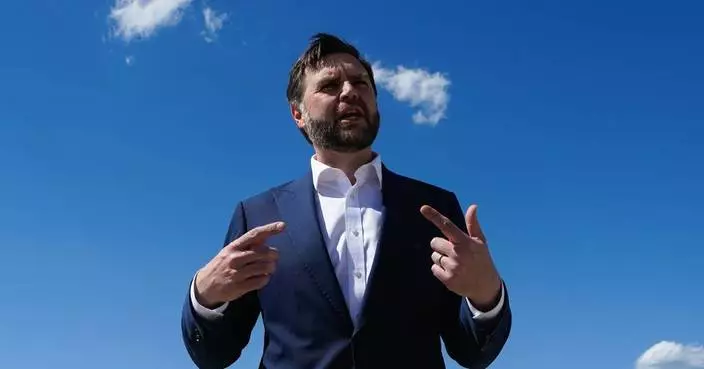
Vice President JD Vance speaks to reporters at Joint Base Andrews, Md., Saturday, June 20, 2026, en route to Switzerland. (Elizabeth Frantz/Pool Photo via AP)
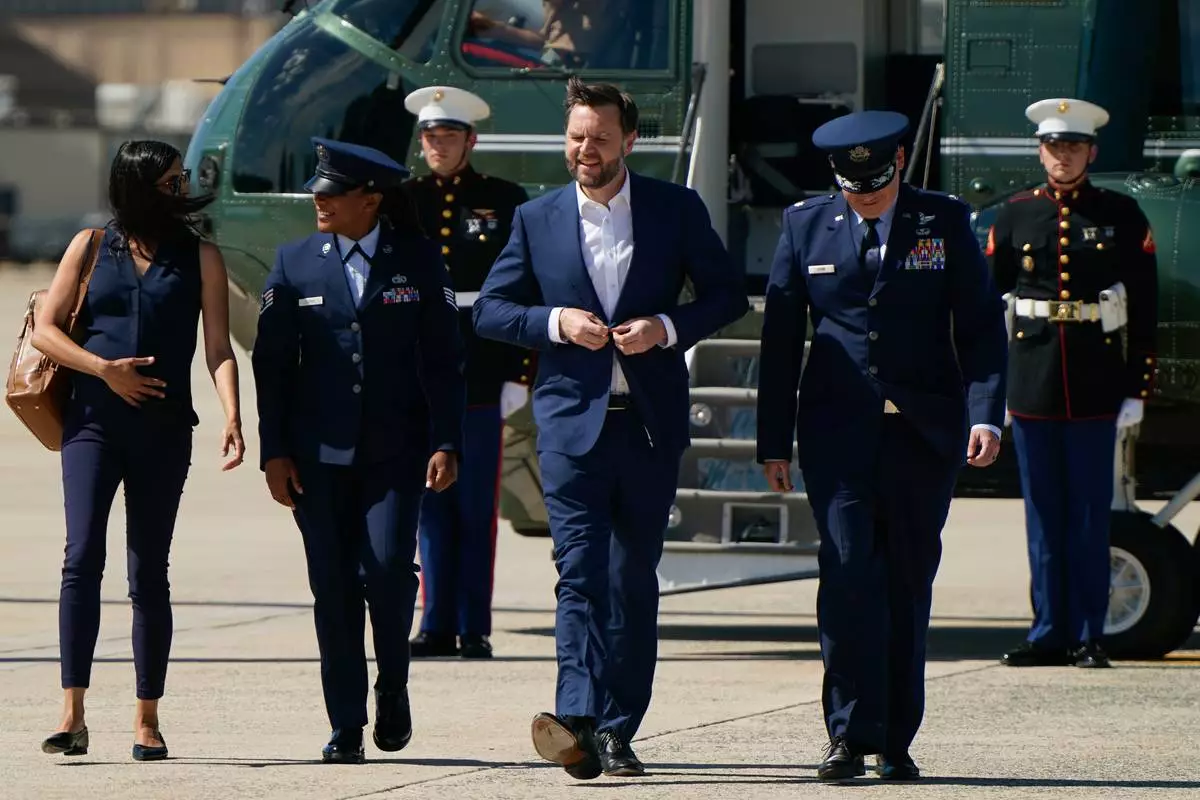
Vice President JD Vance, center, and second lady Usha Vance, left, walk from Marine Two as they arrive at Joint Base Andrews, Md., Saturday, June 20, 2026, en route to Switzerland. (Elizabeth Frantz/Pool Photo via AP)
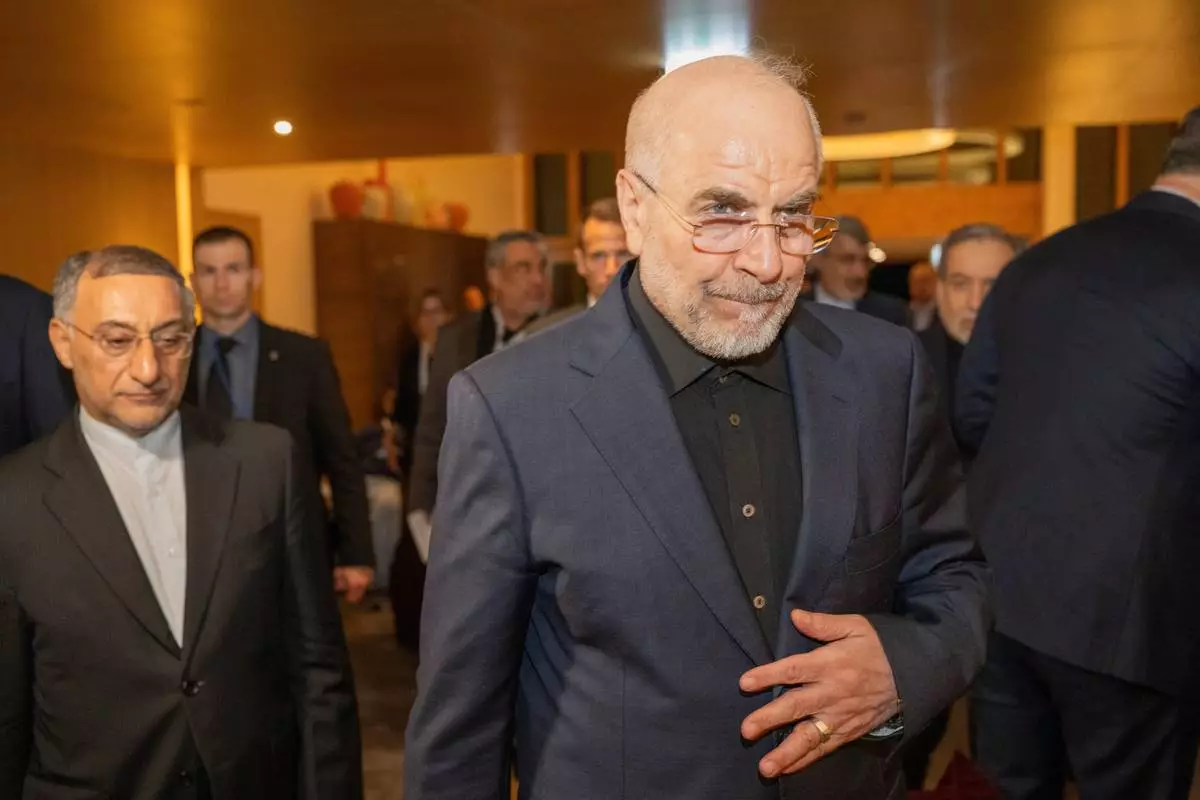
Speaker of the Islamic Parliament of Iran Mohammed Bagher Ghalibaf, center, arrives at the Buergenstock resort in Obbuergen, near Lucerne, Switzerland, early Sunday, June 21, 2026. (Urs Flueeler/Keystone, Pool via AP)
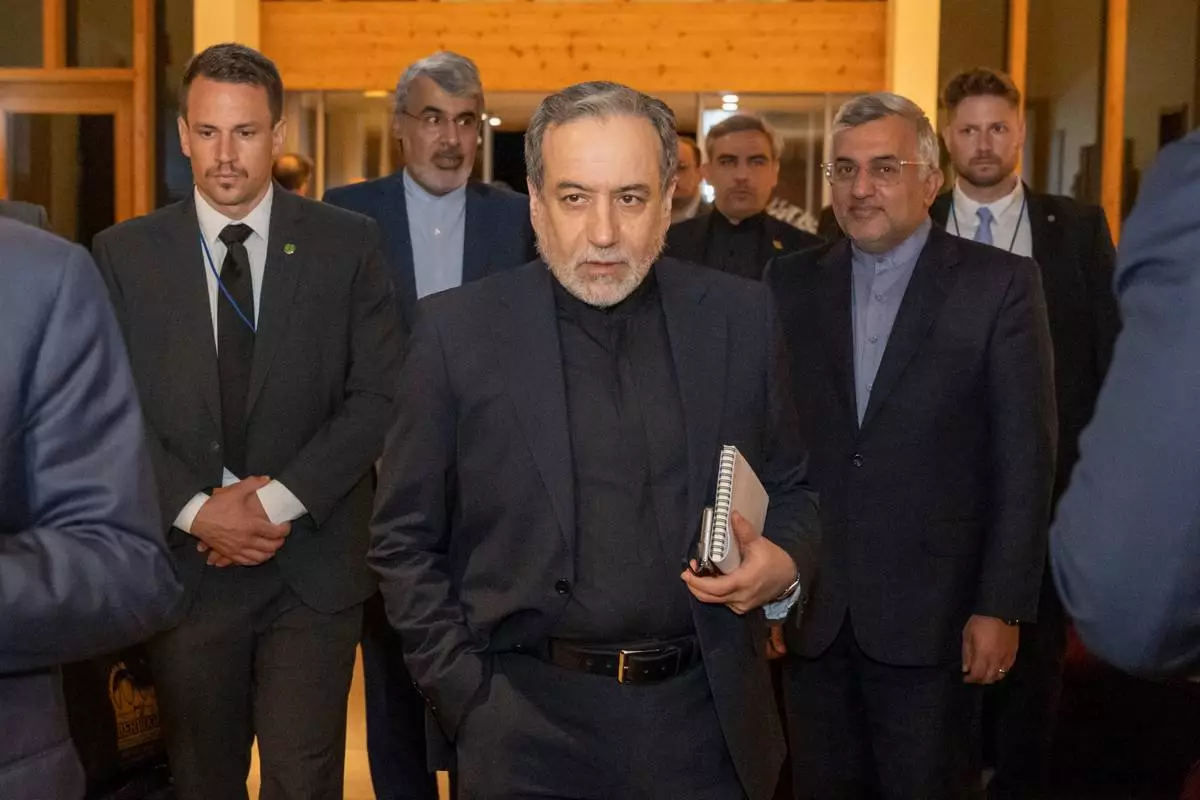
Iranian Foreign Minister Seyyed Abbas Araghchi, center, arrives at the Buergenstock resort in Obbuergen, near Lucerne, Switzerland, early Sunday, June 21, 2026. (Urs Flueeler/Keystone, Pool via AP)
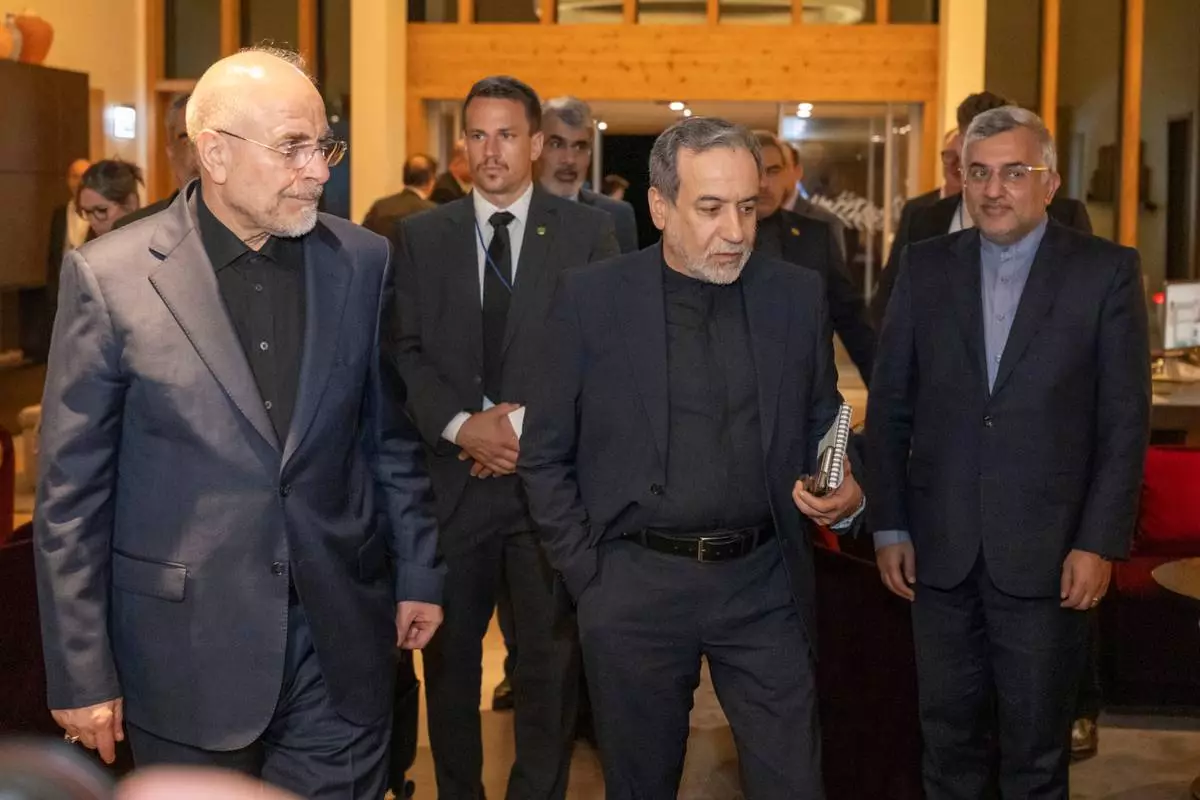
Iranian Foreign Minister Seyyed Abbas Araghchi, center, and Speaker of the Islamic Parliament of Iran Mohammed Bagher Ghalibaf, left, arrive at the Buergenstock resort in Obbuergen, near Lucerne, Switzerland, early Sunday, June 21, 2026. (Urs Flueeler/Keystone, Pool via AP)