China's second homegrown cruise ship, the Adora Flora City, successfully floated out in Shanghai on Saturday after dock flooding, according to China State Shipbuilding Cooperation.
After three rounds of safety inspections, the cruise ship began its undocking procedures on Saturday.
After being floated, the vessel was shifted to a fore dock chamber to conduct an inclining test, a key step used to measure the ship's weight and center of gravity, which are critical for stability and passenger comfort.
The undocking process is expected to last seven days. During this period, the ship will also undergo lifeboat release tests and maneuvering trials inside the dock to verify the performance of its 18 large lifeboats and two rescue boats under both normal and emergency conditions.
The cruise ship is scheduled to officially leave the dock next Friday, after which it will enter the stage of system commissioning and complete interior construction. Sea trials are planned for late May.
The ship was built by Shanghai Waigaoqiao Shipbuilding Co., Ltd. under China State Shipbuilding Cooperation.
The delivery of the cruise ship is expected before the end of the year.
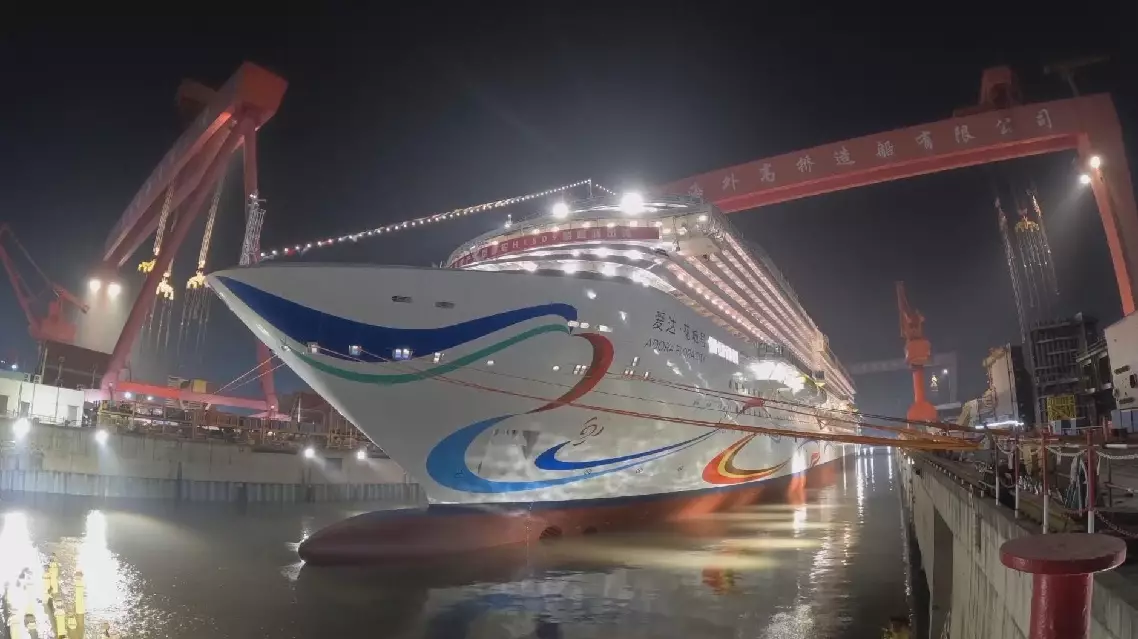
China's 2nd homegrown cruise ship floats out, about to undock
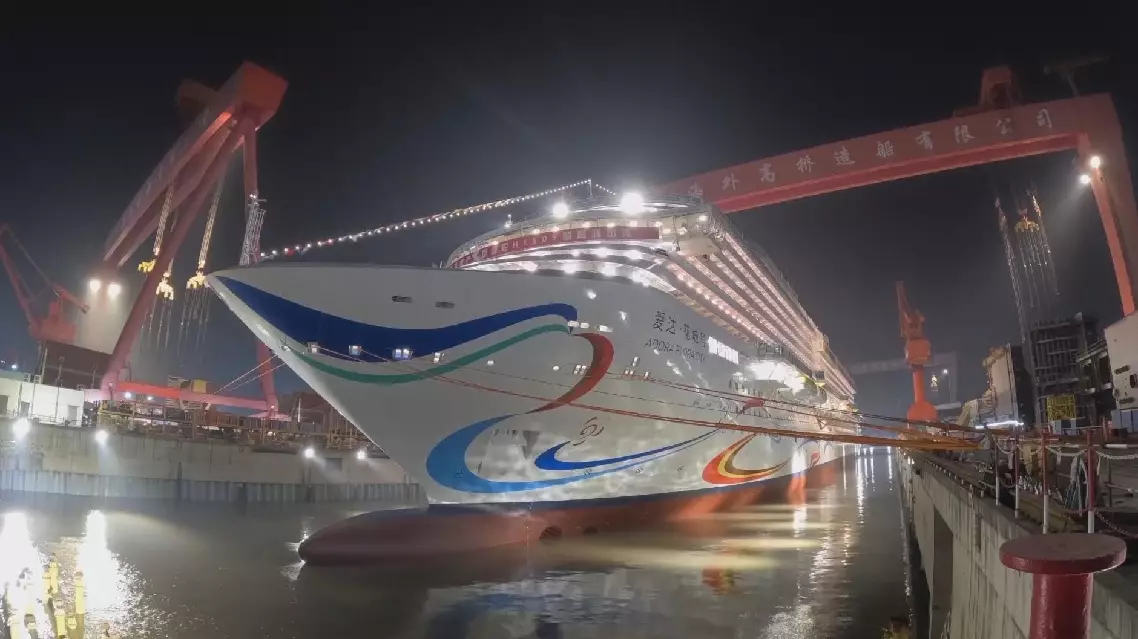
China's 2nd homegrown cruise ship floats out, about to undock
The United Arab Emirates' (UAE) exit from the Organization of the Petroleum Exporting Countries (OPEC) and the broader OPEC+ is unlikely to jolt oil markets in the short term, but sets the stage for lower prices once the Iran conflict ends and Gulf exports resume, experts said.
Effective Friday, the UAE formally withdrew from OPEC in a move poised to reshape global oil markets. The decision came amid heightened geopolitical tensions driven by the ongoing Iran conflict.
The UAE Energy Minister Suhail Al Mazrouei said the timing was chosen to cause the least market disruption. But analysts say the exit reflects the UAE's long-simmering frustrations over production quotas that no longer align with its capacity.
"It gives the UAE flexibility to move from a quota within OPEC of 3.3 million barrels a day to 5 million barrels a day in 2027. It won't radically change the pricing. It will make more energy available. So, it will take some of the price pressures off," said John Defterios, senior advisor for APCO Worldwide, a global advisory firm, and also senior fellow at the Center for Energy and Materials of the World Economic Forum.
While immediate market impact remains muted amid wartime volatility, experts anticipate meaningful shifts once regional stability returns.
"It has no impact right now, because obviously oil prices right now depend on the state of the war and whether exports can start freely through the Gulf and so on. But assume, once the war is over and a normal transit resumes, I would expect the UAE will move quickly to increase production and try to refill some of that storage that was drained. And that should mean, in general, lower prices for oil importers, for oil consumers. In the longer term, yes, I think also probably it means lower prices," said Robin Mills, CEO of Qamar Energy, a Dubai-based independent consultancy company.
The UAE's departure highlights structural tensions within OPEC+. As a low-cost producer with billions invested in upstream expansion, Abu Dhabi increasingly chafed against collective quotas.
However, other members, including Iraq and Kazakhstan, also sought higher production allowances.
"This pressure has been building up for some time. But Saudi Arabia was also in a difficult position. If it agreed to grant higher production levels to the UAE, then it would have to grant them to Iraq as well. Kazakhstan wanted more [allowance as well]. Everybody wants special treatment," said Mills.
Strategically, the move aligns with the UAE's broader vision to diversify its economy.
"They made this announcement ahead of a very important forum, Make It In the Emirates, which displays what the UAE is doing in terms of diversification outside of oil and gas. So, they want that revenue from oil and gas -- the extra 50 billion dollars a year to go into greater diversification. It's advanced manufacturing, it's artificial intelligence, it's the next wave of financial services, and it is trade," said Defterios.
The exit also signals a broader recalibration of legacy energy institutions in a world confronting new climate imperatives, geopolitical fragmentation, and energy transition pressures.
"I do think it shows definitely a world in which there's a new energy reality, there's a new climate reality, there's a new geopolitical reality. And these legacy institutions have to adapt. And if they don't, then of course, their members will either leave or at least won't take them seriously," said Mills.
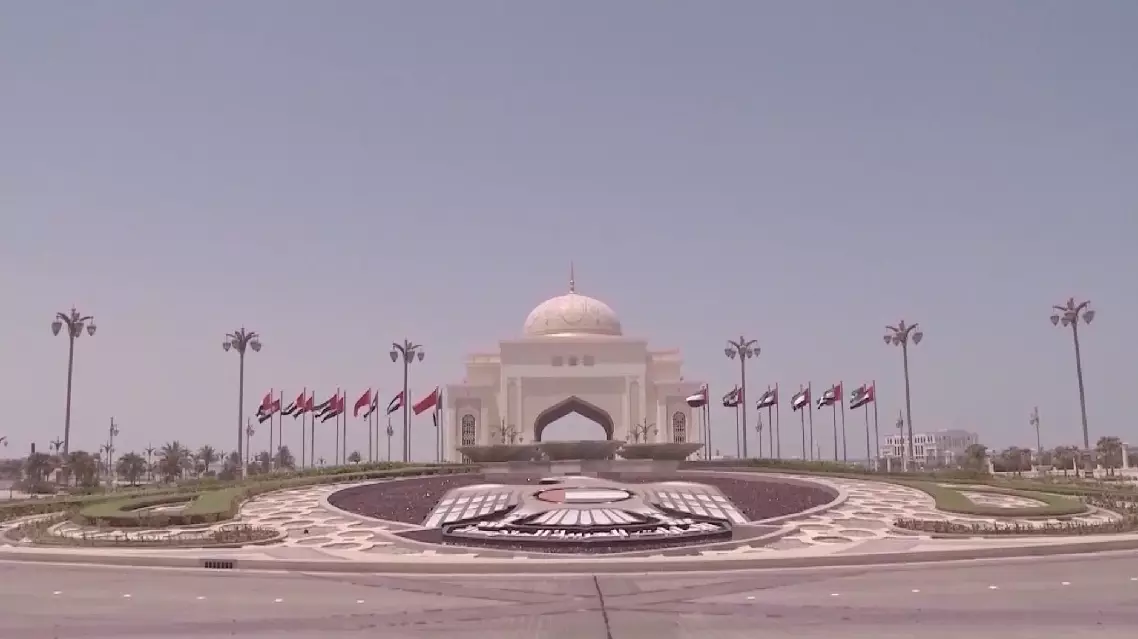
UAE's OPEC exit long expected, may ease oil prices after Iran war ends: experts