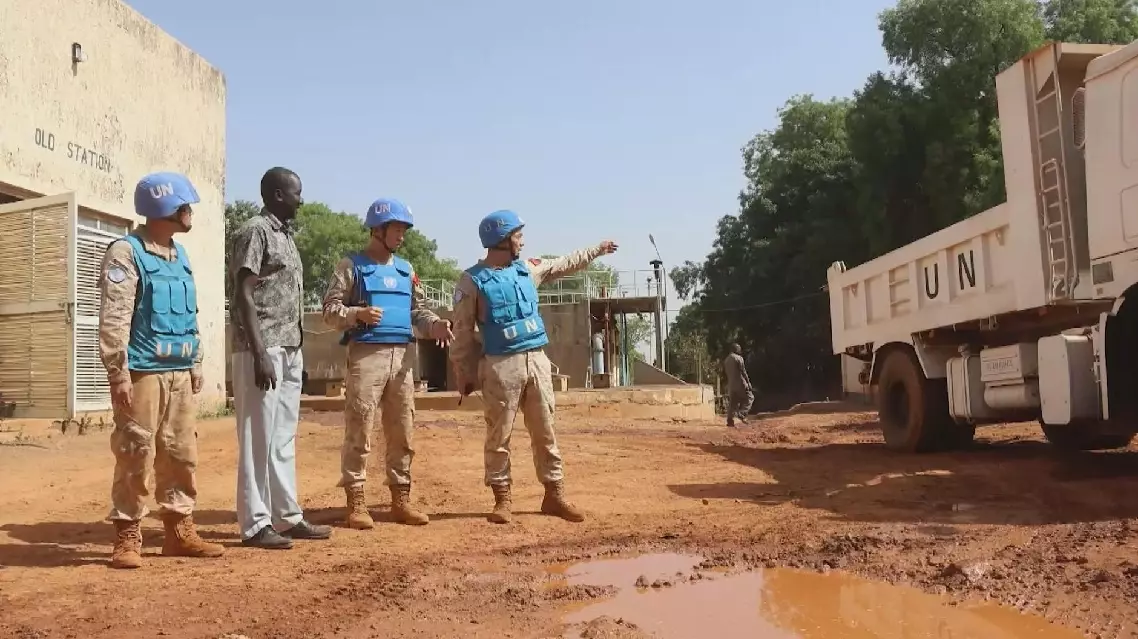
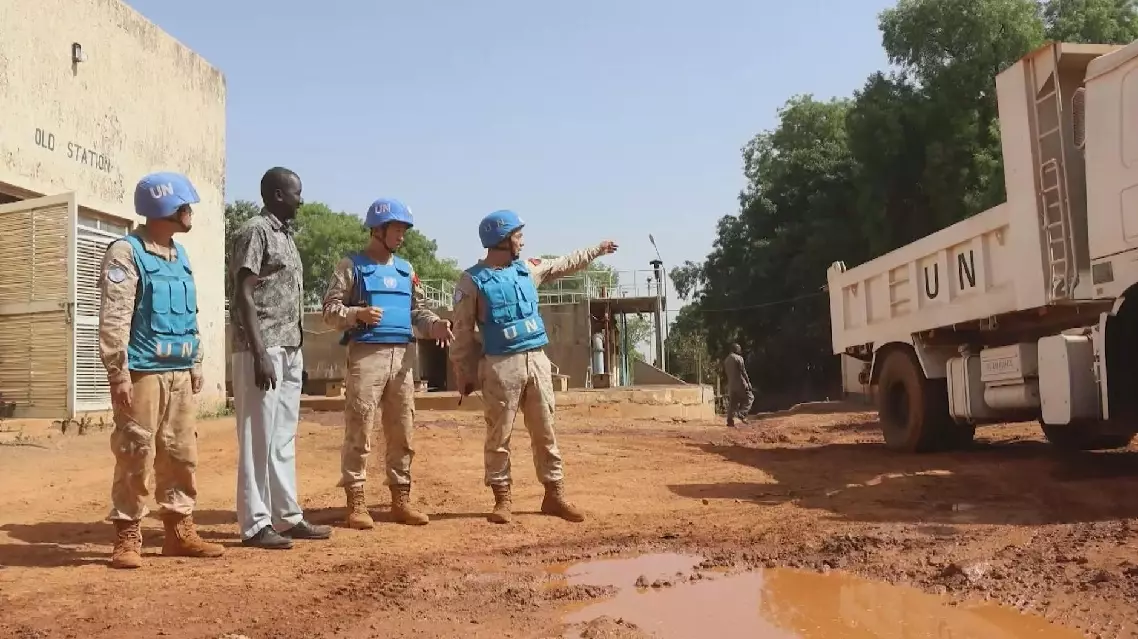
The 16th Chinese Peacekeeping Horizontal Engineering Company to the United Nations Mission in South Sudan (UNMISS) completed leveling and repairs of an access road to a key water station in Wau region in early March, improving the conditions for local residents access to clean water.
The water station has served as an important supply point for Wau city, but poor infrastructure, years of wear and tear by rainwater and vehicles as well as lack of maintenance, had left the road badly damaged, with potholes, heavy dust, and muddy puddles troubling residents all year round.
To improve local wellbeing, the Chinese peacekeepers were assigned the project to upgrade the infrastructure.
"After receiving the assignment, the Chinese Peacekeeping Horizontal Engineering Company coordinated with local authorities at once, and scientifically and carefully organized the repair work," said Yuan Yang from the troop.
Working in extreme heat and frequent sandstorms, these engineers repaired the road by refilling the potholes in layers, leveling the surface and repeatedly compacting it to ensure safe and stable access.
To ensure high quality, they used professional surveying equipment to check the road's surface level and slope, ensuring the repairs met engineering standards and would remain durable.
"Chinese geo-mechs excellent. You have solved the long-term problem that (afflicts) us. And with your tools and equipment, it has done the difference for us," said a local resident.
Chinese peacekeepers upgrade local water station access road in South Sudan
Chinese peacekeepers upgrade local water station access road in South Sudan
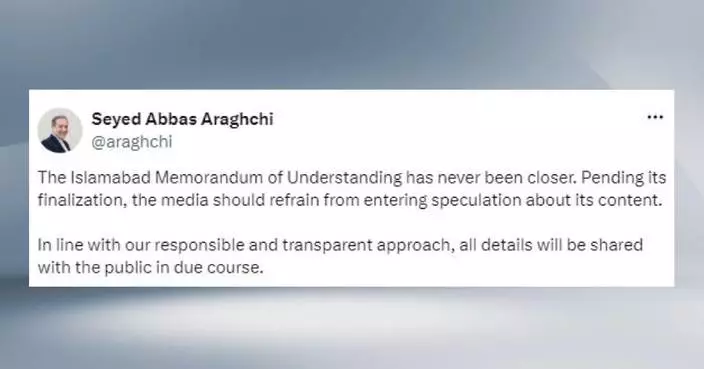
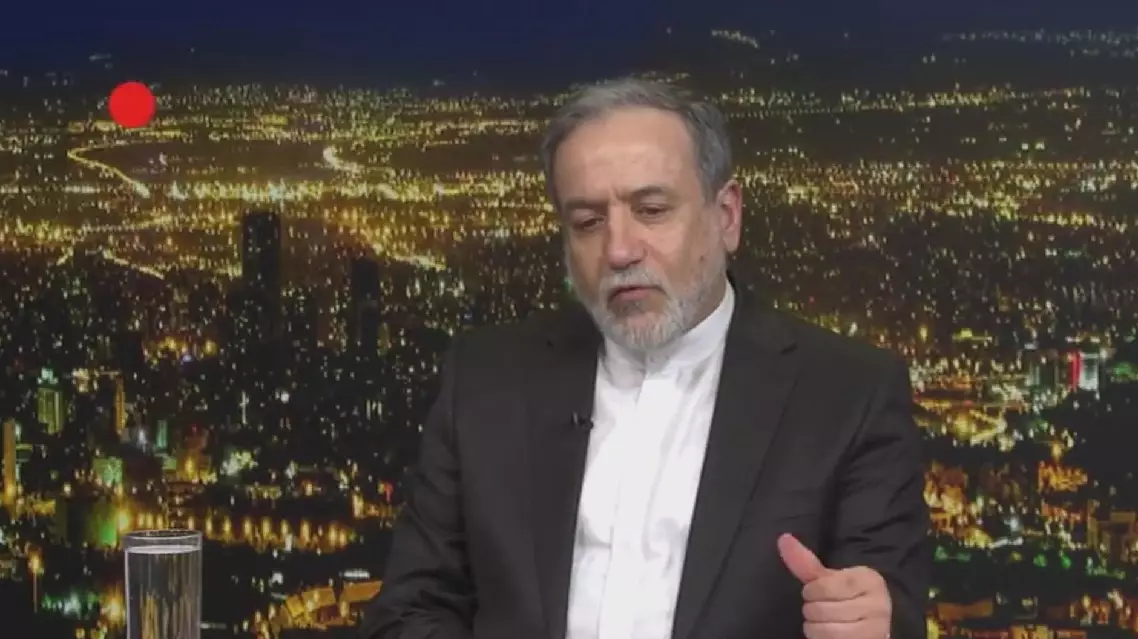
Iran's Foreign Minister Seyed Abbas Araghchi said Friday night that the signing of a memorandum of understanding (MoU) with the United States to end the war could take place within the next few days.
In an interview with state-run IRIB TV, Araghchi said that upon finalized, the MoU will be signed digitally by both sides in their respective countries and then announced. He added that following the potential signing, both parties will commit not to initiate any other war, and will begin the second stage of negotiations, scheduled within a 60-day period, to reach a final agreement, focusing mainly on Iran's nuclear program and sanctions removal.
He stressed that Tehran insists that the only acceptable way of dealing with its highly enriched uranium will be diluting it within Iranian territory.
Araghchi also said that the potential MoU would include provisions for ending the war on all fronts, including Lebanon, requiring Israel to withdraw from the occupied areas.
Other key issues in the MoU include the reopening of the Strait of Hormuz, the full lifting of the U.S. anti-Iran naval blockade, and the release of Iran's frozen assets, he noted.
On the Strait of Hormuz, Araghchi said its management will definitely not to return the pre-war era. While Iran will retain sovereignty and a military presence, a legal system consistent with international law will be established, he said.
He ruled out tolls for passage but noted that charging service fees will be reasonable.
U.S. President Donald Trump said Thursday that the United States had "just made a great settlement of the war with Iran," with an agreement expected "over the next few days."
Over recent weeks, Iran and the United States have exchanged several peace proposals through Pakistan's mediation, and have been working to finalize an MoU to end the war.
Iran's FM says signing of MoU with US possible within few days