Rising military tensions in the Persian Gulf are casting a heavy shadow over Iraq's economy, raising concerns about the fate of oil exports and maritime trade.
The recent targeting and burning of two foreign tankers carrying Iraqi oil within Iraq's territorial waters marks a significant escalation, signaling that a closure of the Strait of Hormuz is now a tangible threat. Such a scenario would halt Iraq's oil exports to global markets, dealing a severe blow to an economy that relies on oil revenues as its main source of funding for both operational and investment budgets.
With the main maritime route for its oil exports disrupted, Iraq is now looking to the central bank's reserves to cushion the shock of lost oil revenues and to ensure the payment of government employees' salaries.
"The other impact Iraq fears is the economic fallout from the closure of the Strait of Hormuz. This will affect Iraq just as it will other countries, but it will hit Iraq harder, because Iraq relies mainly, almost 90 percent of its resources, on oil sales. So the economic impact on Iraq will be significant. The consequences are both political and economic," said Hamza Mustafa, an Iraqi journalist.
The Iraqi government has few alternatives for exporting oil through other routes. The Ceyhan pipeline, which carries Iraqi oil through Turkey, remains shut, leaving the Gulf, now a conflict zone, as the only outlet. Recently, Iraqi officials have begun discussing the need to boost non-oil revenues to mitigate the economic impact of the ongoing conflict.
"We are doing everything in our power to keep this war away from our country, because Iraq cannot withstand more conflict. Our country has reached a critical economic stage in recent years, both before and after the previous regime. We have learned many lessons. As parliament, we will push for decisions that serve our citizens and our country," said Saqr Al-Muhammadawi, a member of Iraq's parliament.
According to a statement by Alireza Tangsiri, commander of the Iranian Navy, the Strait of Hormuz has not yet been militarily blocked and is merely under control. The strait "is only closed to the tankers and ships belonging to our enemies, to those who are attacking us and their allies. Others are free to pass," he said.
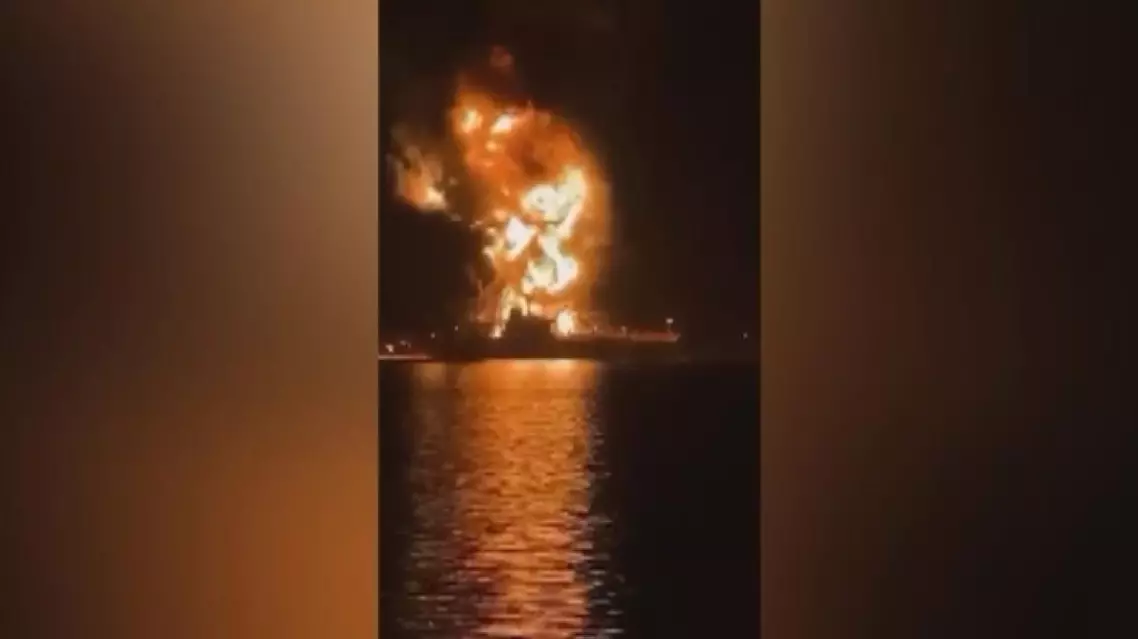
Gulf tensions raise fears for Iraqi's oil-funded economy
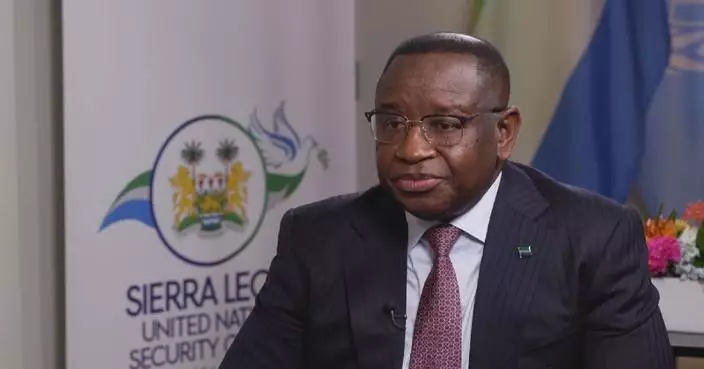
Sierra Leonean President Julius Maada Bio said serving on the UN Security Council has been a great learning experience for his country and stressed the importance of amplifying Africa's voice in global decision-making.
Sierra Leone was elected a non-permanent member of the UN Security Council for the 2024-2025 term and has twice held the rotating presidency during that period. The country also joined the Group of Friends of the Global Development Initiative (GDI) in early 2024.
Noting growing uncertainties over the past two years, the Sierra Leonean president said that the countries of the world must take care of one another, recognizing their common interests.
"We have to recognize, as we normally say, that the world is a village today. And if it is this a village, then we have to take care of one another, and that is what I admire China for. They have been open and willing to help other countries. China is a successful example of a country that has made so much progress in the last 50 years, and they have the experience that we can learn from," Bio said in an interview with China Central Television (CCTV) that aired on Friday.
Since taking office in 2018, Bio has twice presided over high-level open debates at the UN Security Council. He said those experiences offered his country valuable opportunities to understand world politics at the highest level and to navigate complex challenges.
"It's an honor, and a great learning experience for Sierra Leone. The word revolves around, for now, multilateralism, whether it's challenged or not. And being at the Security Council means you are at the center. And to have had the opportunity to preside over the Security Council twice, it's a great opportunity. We've learned quite a lot. It creates the opportunity for you to understand world politics at the highest level, and how you navigate the many challenges. These are very eventful times in the history of the world, and to be in the middle of that has been a great experience and we are happy that we are here and we have contributed to deal with some of the challenges around the world," said the president.
He also emphasized that Sierra Leone has used its seat to bring African perspectives to the UN Security Council, which regularly makes decisions that impact the continent.
"As a member of the Security Council, we used that opportunity to bring the perspectives of Africa, but also the concerns of Africa. We were not there at the beginning of the creation of the United Nations, because most of us, were not independent countries. Africa is 1.4 billion people. And most of the decisions at the Security Council, call it 60 to 70 percent, are actually about Africa. It is just fair to make sure that Africa is equally represented," Bio said.
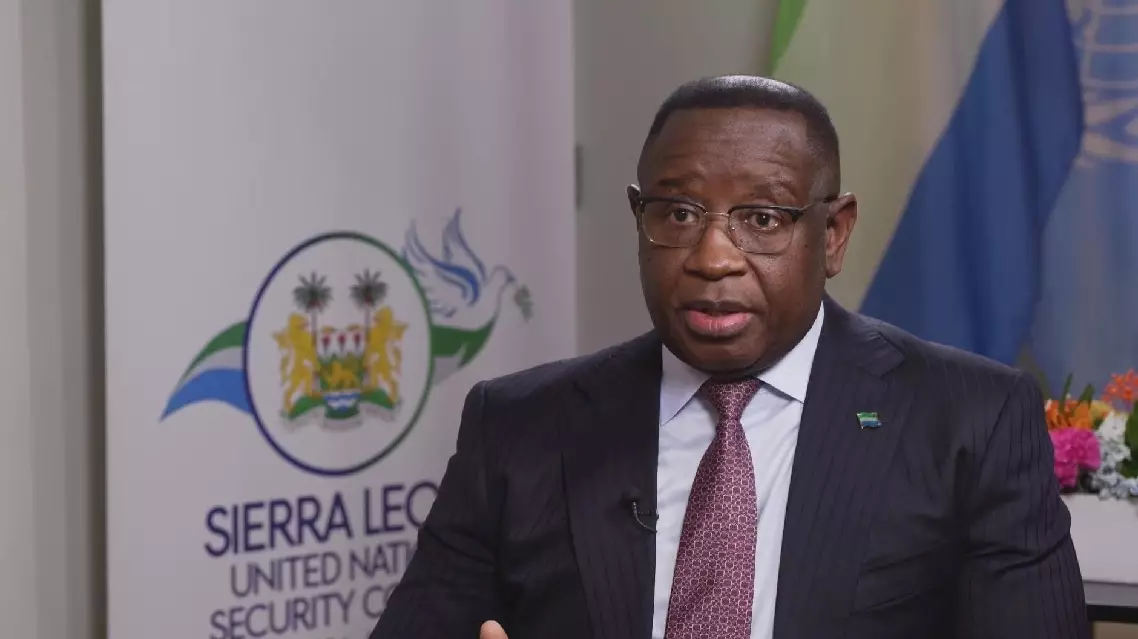
African voices must be heard at Security Council as matter of fairness: Sierra Leone president