Lewis Hamilton says he is “incredibly grateful” to Ferrari for letting him guide the development of the car that put him back on a Grand Prix podium for the first time since 2024.
Hamilton's third-place finish at the Chinese Grand Prix followed a race-long battle with teammate Charles Leclerc and what Hamilton called “just a kiss” of contact between the pair.
It ended a long wait for a finish in the top three for Hamilton in a full Formula 1 race since his blockbuster move from Mercedes, which took the win Sunday with the driver who replaced him at the team, Kimi Antonelli.
“To see them listen and put some of those things that I’d asked for on the car I’m just incredibly grateful to them for listening on that side of things," Hamilton said.
"It just makes you feel more united with everyone because you’re moving in the same direction. I’m looking forward to getting back next week to (Ferrari HQ in) Maranello and seeing everybody. Big, big push.”
Hamilton’s first year with Ferrari was full of frustration as he and the team failed to get to grips with a car that was very sensitive to setup changes, except for a sprint race win in China a year ago. Ferrari failed to win a single Grand Prix all year.
At times, Hamilton blamed himself, even suggesting in August the team consider a driver change after he was far off Leclerc's qualifying pace. He's said a big part of preparing for 2026 was to come back with a fresh mindset.
Ferrari's fast-starting car helped Hamilton to charge past Antonelli into the lead at the start Sunday, but holding onto that place proved too difficult against a Mercedes pair with what's widely considered to be the best all-round car on the grid. Hamilton said Ferrari would double down on working to out-develop Mercedes for the rest of the year.
“It’s really special to see them back at the front, because this is a phenomenal team. And I know we’ve got our work cut out to beat them, because when they’re on form like this, it’s not easy to beat,” Hamilton said.
Hamilton was Russell's teammate and helped mentor Antonelli before his debut. Also on the podium as Mercedes representative was Hamilton's longtime race engineer Peter “Bono” Bonnington, who now works with Antonelli.
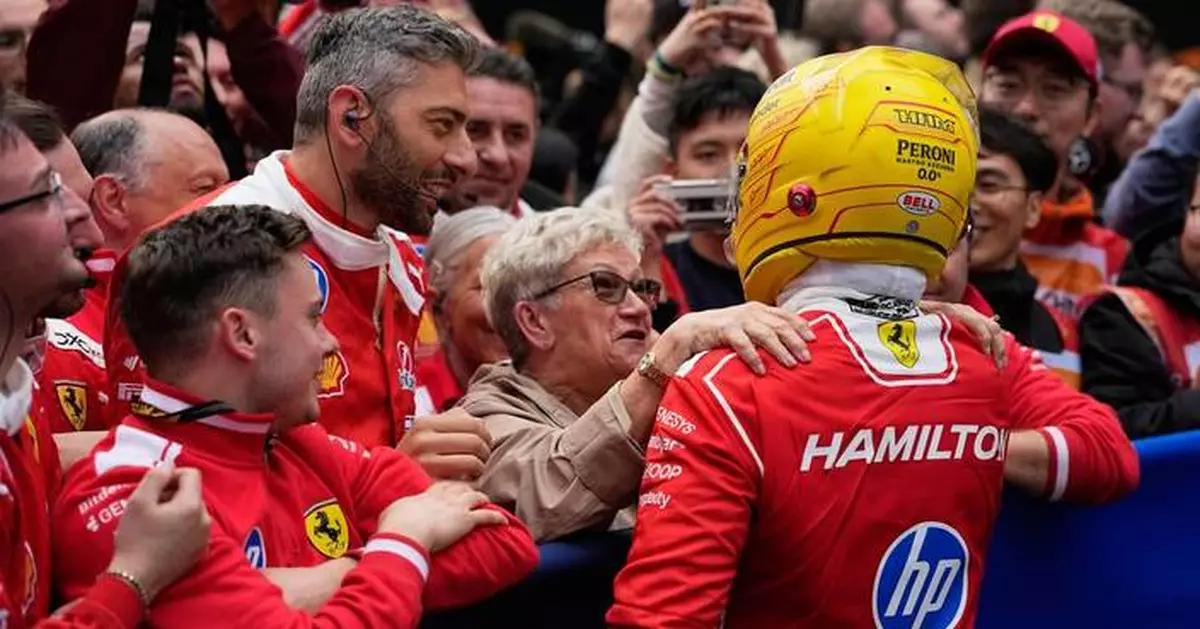
“It’s like sitting here with my whole family, so that’s great,” Hamilton said.
AP auto racing: https://apnews.com/hub/auto-racing
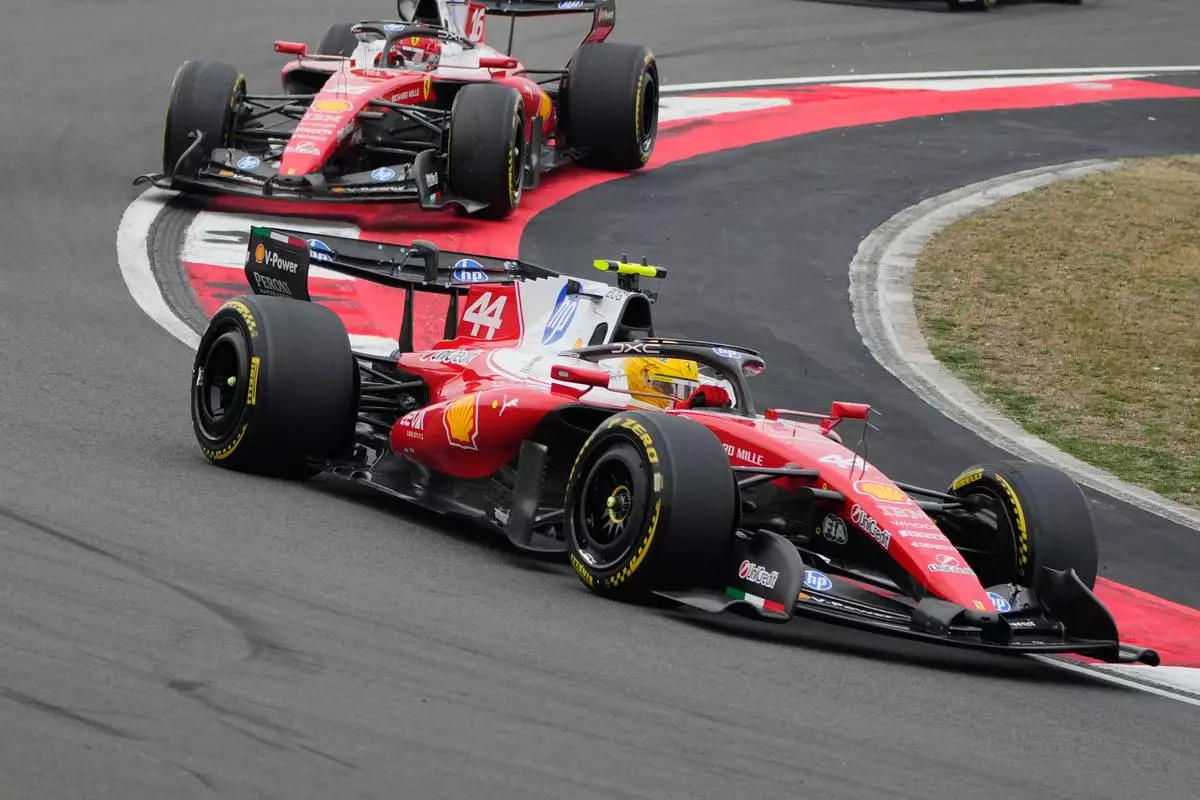
Ferrari driver Lewis Hamilton of Britain steers his car ahead of teammate Charles Leclerc of Monaco during the Chinese Formula One Grand Prix race at the Shanghai International Circuit, in Shanghai, China, Sunday, March 15, 2026. (AP Photo/Vincent Thian)
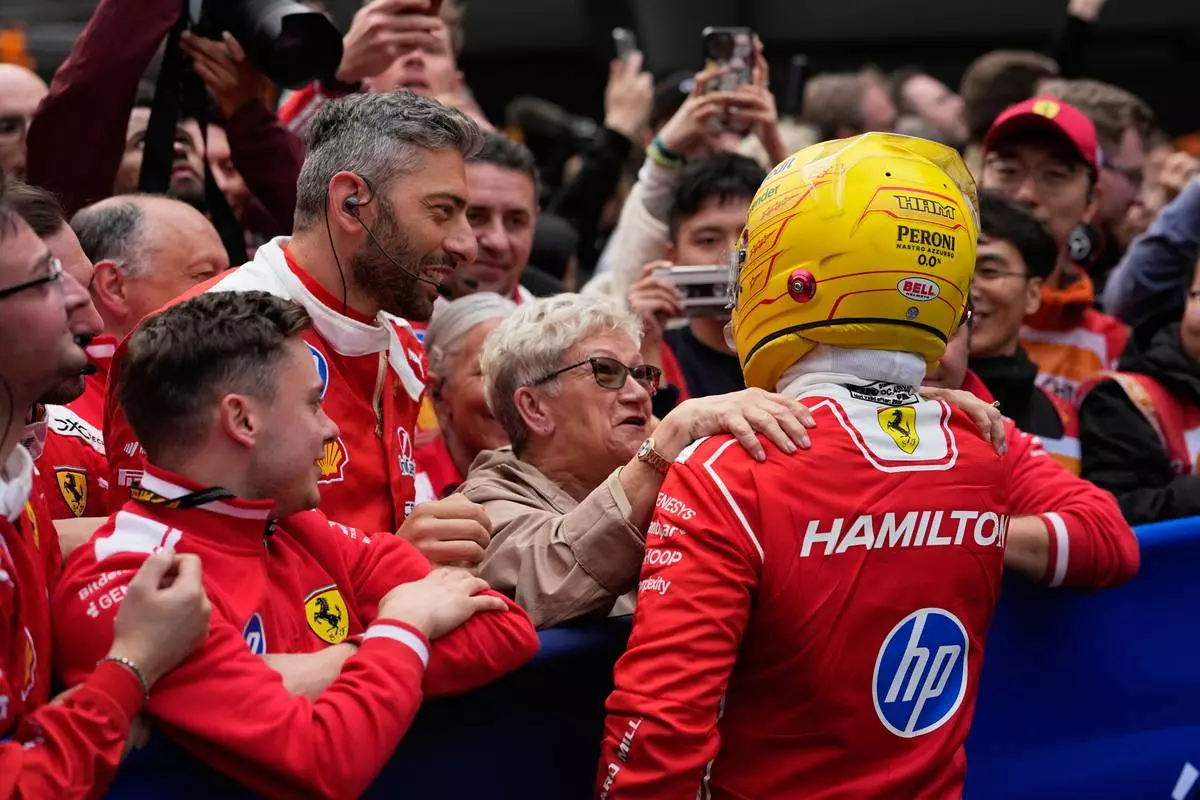
Ferrari driver Lewis Hamilton of Britain celebrates after he clocked the third fastest time in the Chinese Formula One Grand Prix race at the Shanghai International Circuit, in Shanghai, China, Sunday, March 15, 2026. (AP Photo/Andy Wong)
LJUBLJANA, Slovenia (AP) — Slovenia’s parliament on Friday appointed right-wing populist politician Janez Jansa as the new prime minister, in a shift for the small European Union country that was previously run by a liberal government.
Lawmakers backed Jansa in a 51-36 vote in the 90-member assembly. The new prime minister will need to come back to Parliament within the next 15 days for another vote to confirm his future Cabinet.
Jansa's appointment concludes a postelection stalemate in Slovenia after a parliamentary ballot two months ago ended practically in a tie. Former liberal Prime Minister Robert Golob's Freedom Movement won by a thin margin but he was unable to muster a parliamentary majority.
Jansa and his populist Slovenian Democratic Party signed a coalition agreement this week with several right-wing groups. The new government also has the backing of a nonestablishment Truth party that first emerged as an anti-vaccination movement during the COVID-19 pandemic.
The new term in office will be the fourth for the veteran Slovenian politician. Jansa, 67, is an admirer of U.S. President Donald Trump and was a close ally of former populist Hungarian Prime Minister Viktor Orbán, who was defeated in a landslide election last month.
Jansa in a speech listed the economy, fight against corruption and red tape, and decentralization as key goals of the future government. He has promised to lower taxes for the rich and support private education and healthcare.
Critical of the previous government's alleged “inefficiency," Jansa said the new government will turn Slovenia into “a country of opportunity, prosperity and justice, where each responsible citizen will feel safe and accepted."
Like Orban, Jansa was staunchly anti-immigrant during the huge migration wave to Europe in 2015. Also like Orban, Jansa has faced accusations of clamping down on democratic institutions and press freedoms during a previous term in 2020-2022. This led to protests at the time, and scrutiny from the European Union.
Golob in his speech described Jansa as “the greatest threat to Slovenia’s sovereignty and democracy."
Alleging that Jansa had threatened to arrest him, Golob said Jansa's "idea of democracy is that anyone who dares speak a word against you deserves only the worst.”
Jansa, a supporter of Israel, also has been a stern critic of the Golob government's 2024 recognition of a Palestinian state.
The vote on March 22 was marred by allegations of foreign influence and corruption. The around 2 million people in the Alpine nation are deeply divided between liberals and conservatives.
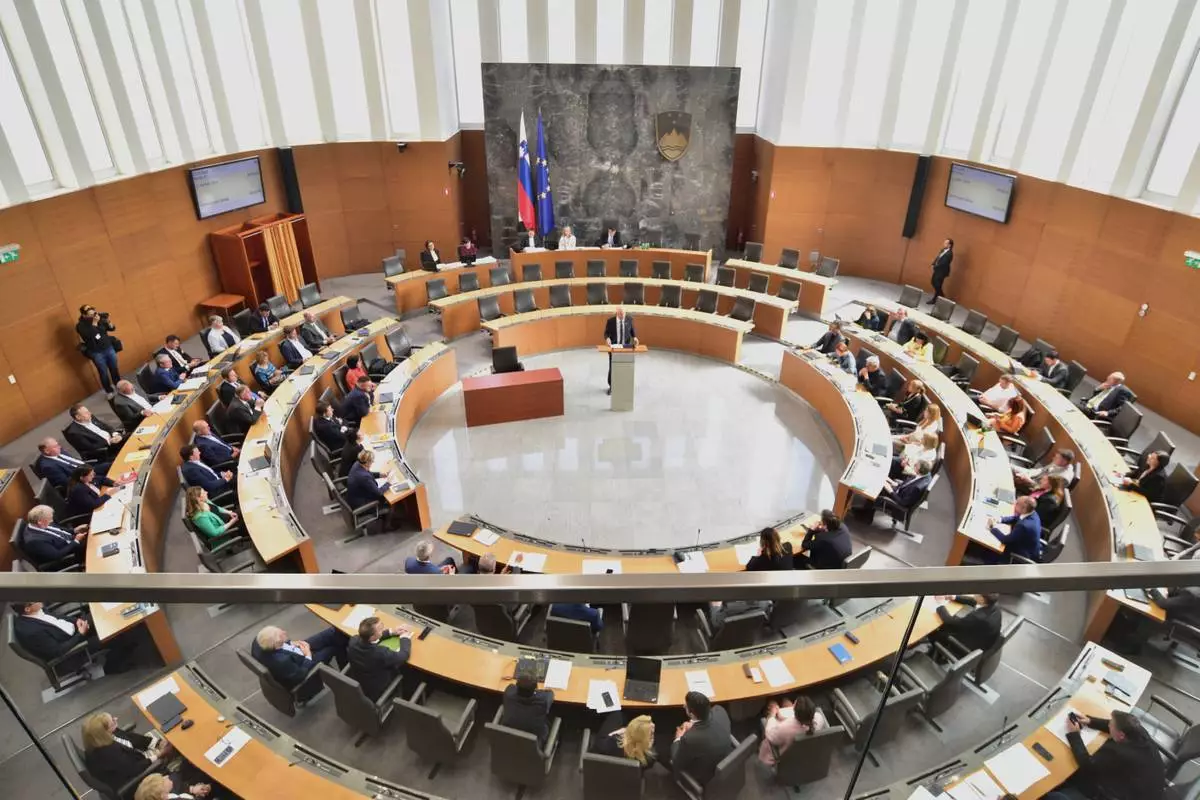
Janez Jansa, center, addresses the Slovenian Parliament during a session in Ljubljana, Slovenia, Friday, May 22, 2026, before appointing him as prime minister, ending a political deadlock after tight elections in March. (AP Photo/Igor Kupljenik)
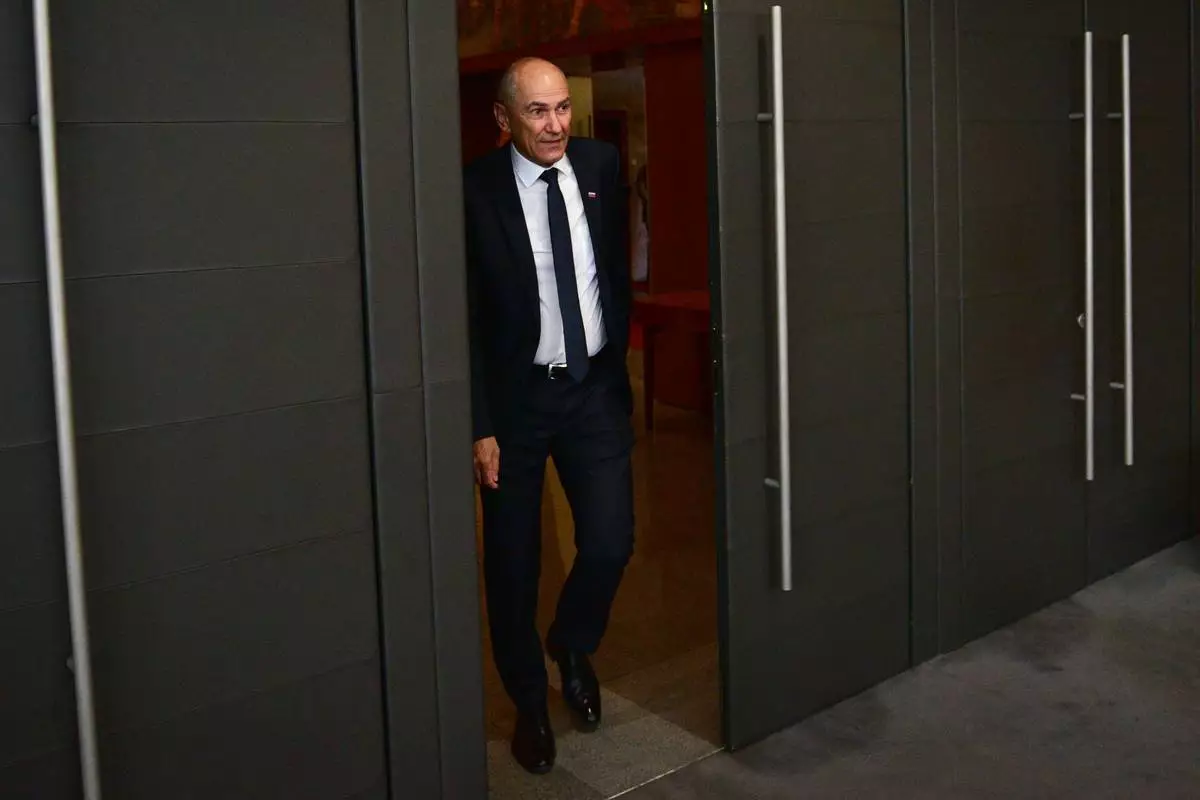
Janez Jansa arrives for a session of the Slovenian Parliament in Ljubljana, Slovenia, Friday, May 22, 2026, before appointing him as prime minister, ending a political deadlock after tight elections in March. (AP Photo/Igor Kupljenik)
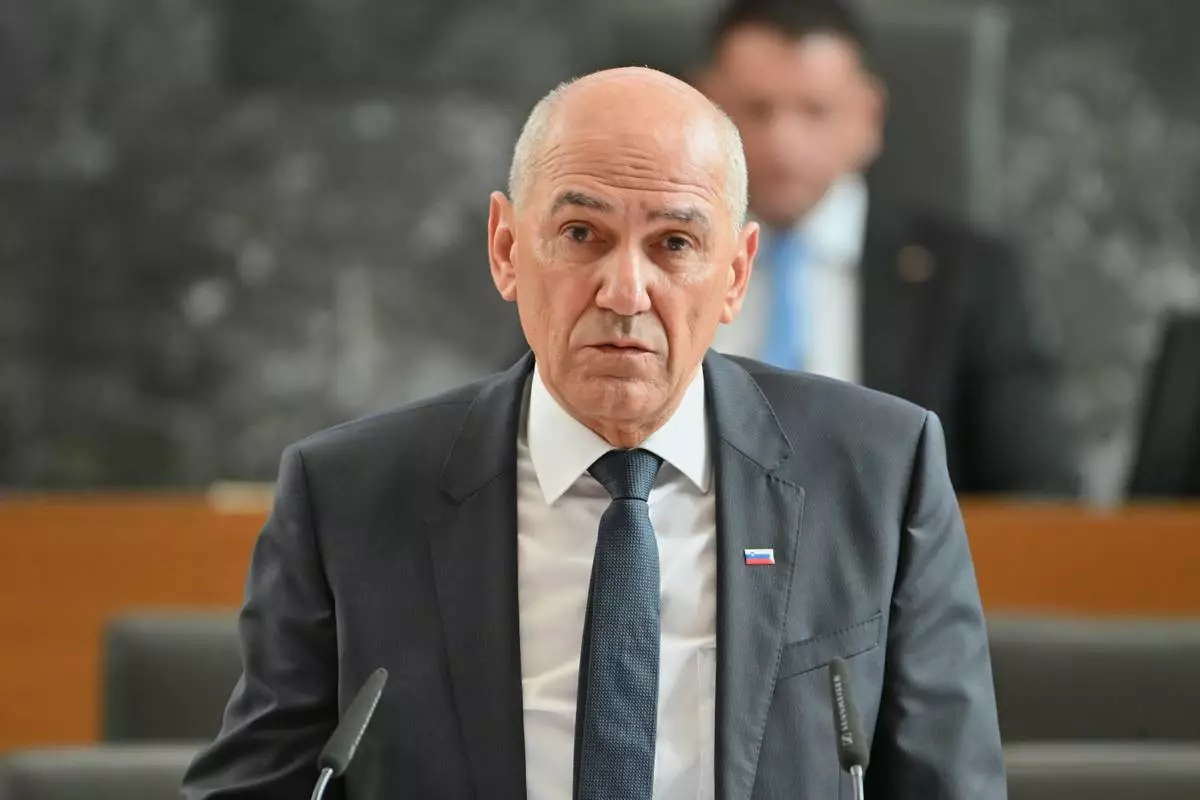
Janez Jansa addresses the Slovenian Parliament during a session in Ljubljana, Slovenia, Friday, May 22, 2026, before appointing him as prime minister, ending a political deadlock after tight elections in March. (AP Photo/Igor Kupljenik)