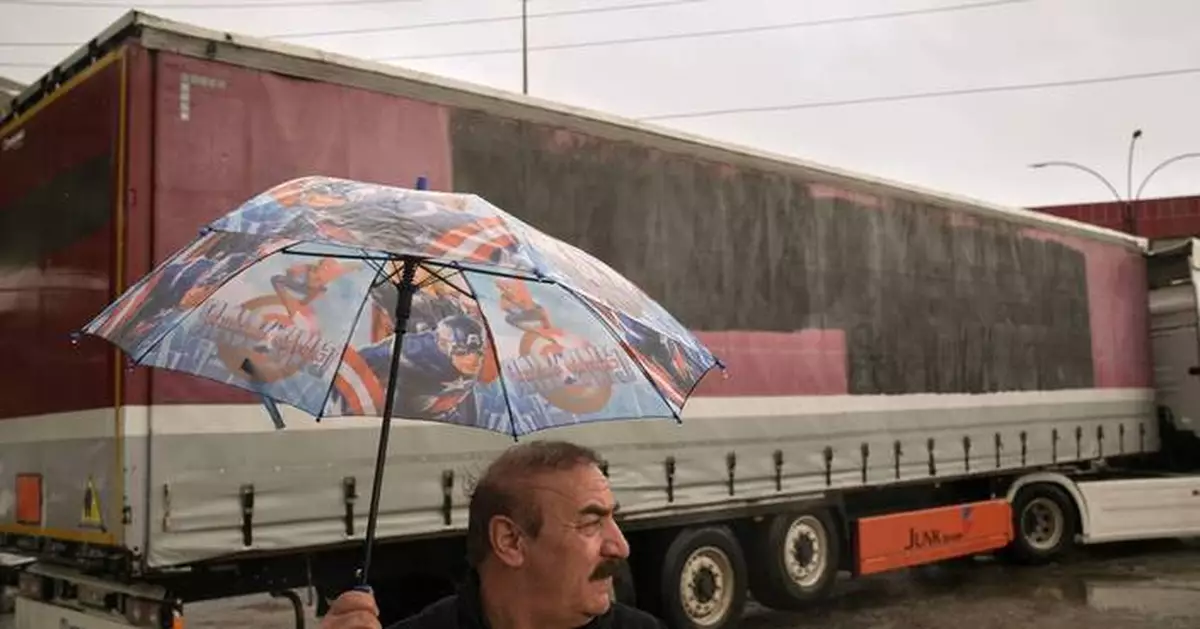
HAJI OMERAN, Iraq (AP) — Dozens of Iranians crossed into northern Iraq Sunday — the first day the border had opened since war struck their country — to buy cheaper groceries, access the internet, contact relatives and find work.
Travelers said constant airstrikes and soaring food prices have made life in Iran increasingly desperate.
Click to Gallery
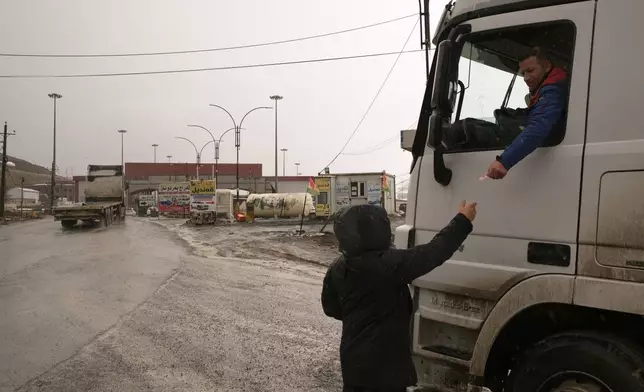
Trucks line up to cross into Iran at the Haji Omeran border crossing between Iran and the autonomous Kurdistan Region of Iraq (KRI), Iraq, Sunday, March 15, 2026.(AP Photo/Leo Correa)
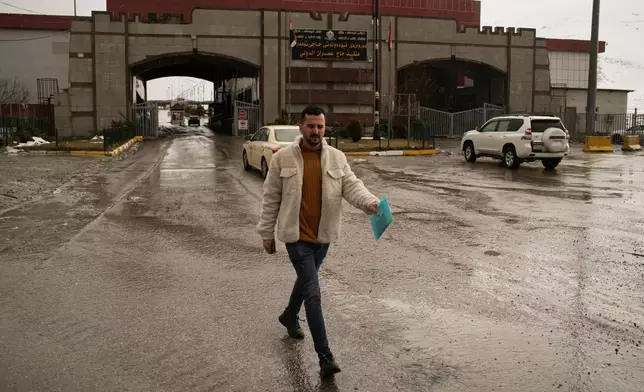
An Iranian Kurdish man crosses the Haji Omeran border crossing on foot between Iran and the autonomous Kurdistan Region of Iraq (KRI), Iraq, Sunday, March 15, 2026, as the border remains open. (AP Photo/Leo Correa)
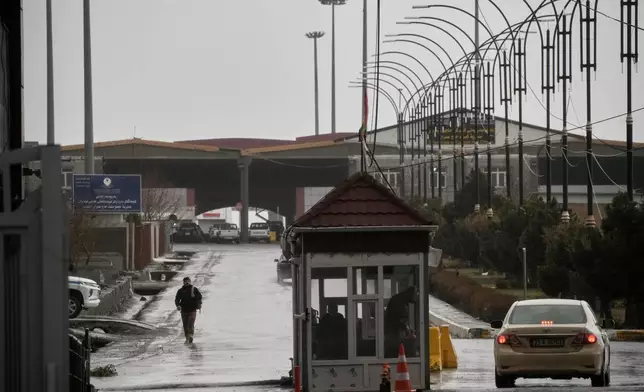
An Iraqi border officer walks toward the Iraqi side as cars cross the Haji Omeran border crossing between Iran and the autonomous Kurdistan Region of Iraq (KRI), Iraq, Sunday, March 15, 2026.(AP Photo/Leo Correa)
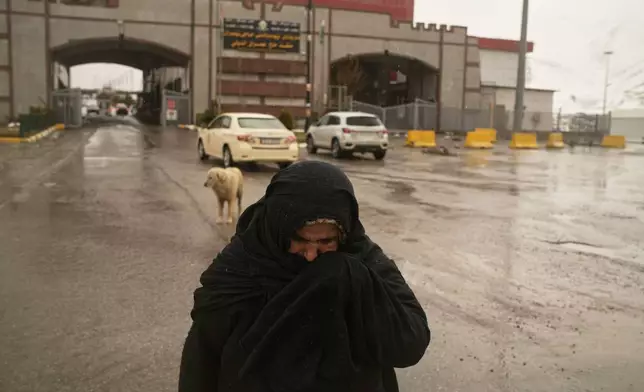
Iranian Kurdish Mariam crosses the Haji Omeran border crossing on foot between Iran and the autonomous Kurdistan Region of Iraq (KRI), Iraq, Sunday, March 15, 2026, as the border remains open. (AP Photo/Leo Correa)
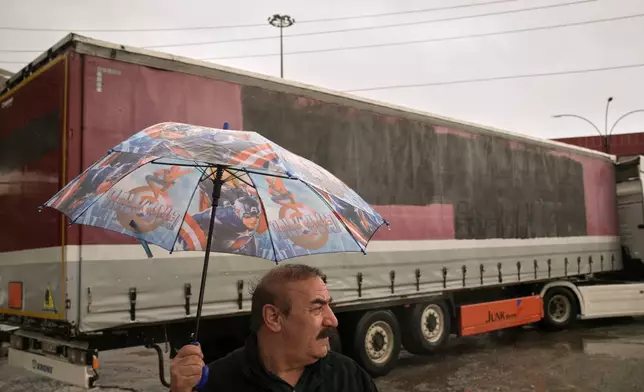
Iranian Kurdish Korban Ali stands on the Iraqi side of the Haji Omeran crossing between Iran and the autonomous Kurdistan Region of Iraq (KRI), Sunday, March 15, 2026, as the border remains open. (AP Photo/Leo Correa)
Trucks laden with goods snaked through the Haji Omeran crossing from Iraq’s Kurdish region, offering a hoped for respite from high costs on the Iranian side.
Even before the U.S. and Israel launched their war against Iran, Iranian Kurds routinely crossed into Iraq’s northern Kurdish region, sharing deep familial, cultural and economic ties and porous borders that enable steady trade and regular visits. Now Iraq’s Kurdish region has become a crucial lifeline for Iranians in the war-torn region to reach the outside world.
“When this border was closed, it affected everyone. Poor people, rich people, workers,” said Khider Chomani, a truck driver on his way to Iran carrying goods.
The border was closed in response to heightened regional military tensions. Iraqi Kurdish authorities have been waiting for their Iranian counterparts to reopen the crossing.
Almost all Iranian Kurds interviewed by The Associated Press asked to remain anonymous, saying they feared for their safety and reprisals from Iranian intelligence, which they allege monitors anyone who speaks to the media.
They said many Iranian military bases, intelligence offices and other security sites had been destroyed. The bombardment has curtailed security forces’ movements: officers are avoiding official buildings, sheltering in civilian sites such as schools and hospitals or remaining mobile in vehicles rather than reporting to their offices, they said.
A Kurdish woman from Piranshahr crossed the border on Sunday to contact her relatives and stock up on essentials. She had traveled 15 kilometers (9 miles).
“I came here to make a phone call. In most of Iran there is no internet,” she said. “For more than 16 days my relatives haven’t heard from me, and they are worried about me.”
She said many Iranians buy Iraqi SIM cards and gather near the frontier to connect and call family and friends abroad because of internet outages across the country. She came to get a SIM and relay news to her family.
She headed to the market in the town beside the crossing to buy groceries at a fraction of the cost back home in Piranshahr. She sought basic staples — rice and cooking oil — now prohibitively expensive in Iran amid wartime inflation, she said.
“The situation In Iran is terrible. People don’t feel safe, things are expensive, people don’t want to leave their homes,” she said.
Around a half-hour later, she hurried back across the border carrying two plastic bags of groceries. Her children were waiting for her at home, she explained.
An elderly woman veiled by a black shawl and thinly dressed against the pouring rain walked alone across the border. She said she had come from Sardasht in Iran's West Azerbaijan province, and was bound for Choman in Iraq’s Kurdish region, about 40 kilometers away from the border, to find distant relatives she knows are living there and to ask for help.
Her son, a cross-border goods smuggler of cigarettes and other goods was shot and killed by Iranian soldiers 14 months ago. Smuggling is not an uncommon livelihood in the porous frontier region. He had been the family’s sole provider; his death left them penniless and caring for three children, the eldest just five.
With food prices surging, she can barely feed them and is two months behind on rent, owing roughly $200. “I don’t have anyone there to help me survive,” she said through tears. “The war made things worse — everything is more expensive.”
She had not been able to call ahead and hoped her relatives could help. “I am powerless, but the kids are hungry and I must do my best for them,” she said. Later, she stood in the rain as she waited for a passing car to offer a ride.
Iranian workers from three cities were piled in one taxi as they returned from a visit home, heading back to their jobs in the Iraqi Kurdish region. The men worked for the same construction company and plan to stay for a month to make enough money to manage rising costs back home, they said.
“The situation will only become worse and civilians will be the only ones affected,” one worker said. “We left our kids and wives just to come and work here and make some money, otherwise we would not have left them alone.”
Iranian Kurds living near sites used by Iranian authorities said they were forced to flee to safer areas to avoid the bombardment.
A house painter who lives in the Iranian city of Urmia but works in Irbil, in northern Iraq, said constant bombardment had become a fact of life. He had briefly returned home at his mother’s urging after she was frightened by the explosions; he reassured her that the family had no links to Iranian authorities and nothing to fear.
The situation was so dire that another Iranian Kurdish metal factory worker living in the Iraqi Kurdish region implored his family in Urmia to relocate and live with him. His family, including wife and three children, arrived on Sunday and took rest at a roadside restaurant.
He said security forces no longer shelter in their bases after repeated strikes. Many military, intelligence and police installations lie in ruins, and personnel avoid fixed posts.
“They don’t stay in their offices,” he said. “They stay in their cars, under bridges, in schools and hospitals. They drive around. Their bases are destroyed.”
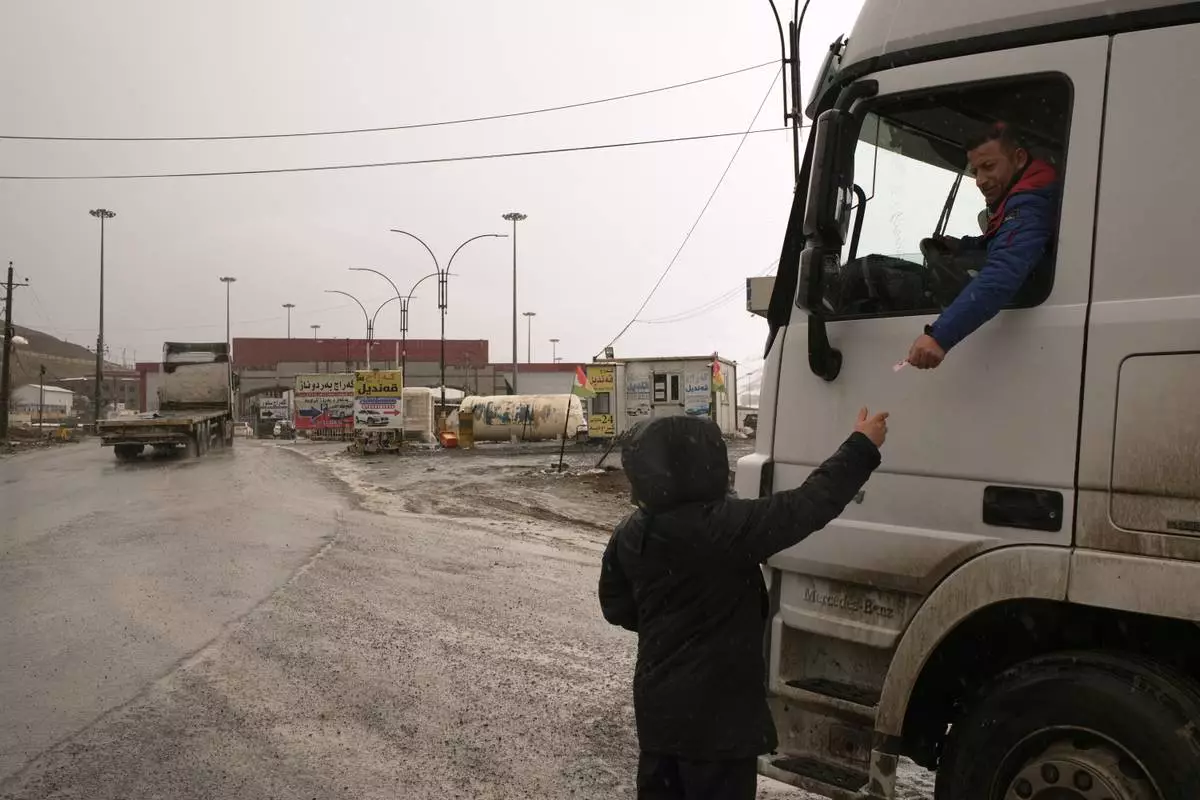
Trucks line up to cross into Iran at the Haji Omeran border crossing between Iran and the autonomous Kurdistan Region of Iraq (KRI), Iraq, Sunday, March 15, 2026.(AP Photo/Leo Correa)
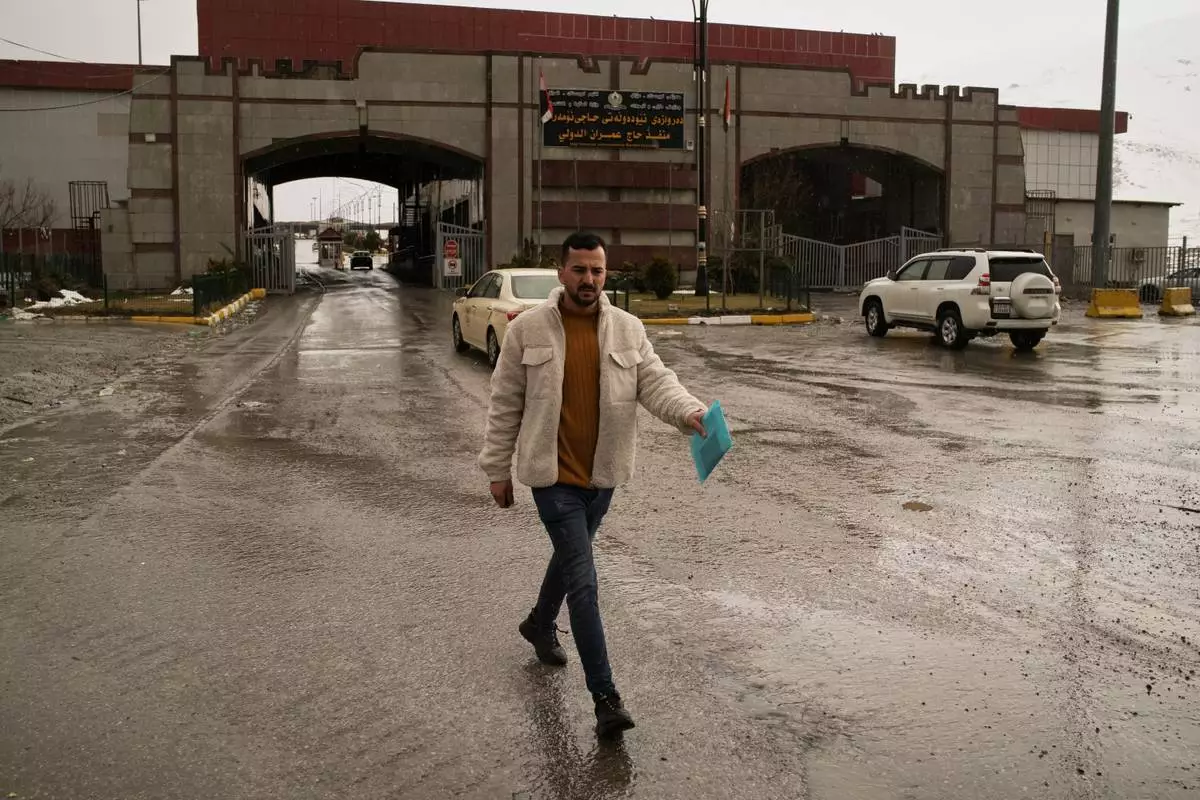
An Iranian Kurdish man crosses the Haji Omeran border crossing on foot between Iran and the autonomous Kurdistan Region of Iraq (KRI), Iraq, Sunday, March 15, 2026, as the border remains open. (AP Photo/Leo Correa)
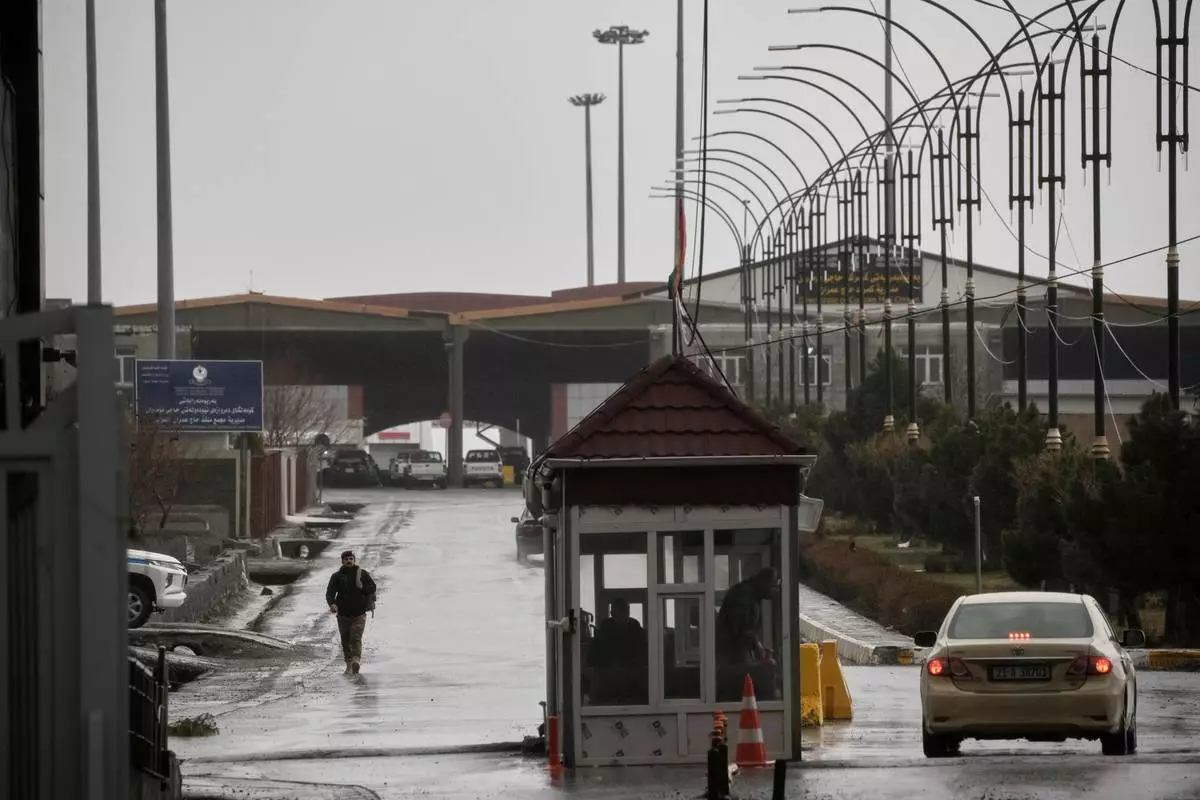
An Iraqi border officer walks toward the Iraqi side as cars cross the Haji Omeran border crossing between Iran and the autonomous Kurdistan Region of Iraq (KRI), Iraq, Sunday, March 15, 2026.(AP Photo/Leo Correa)
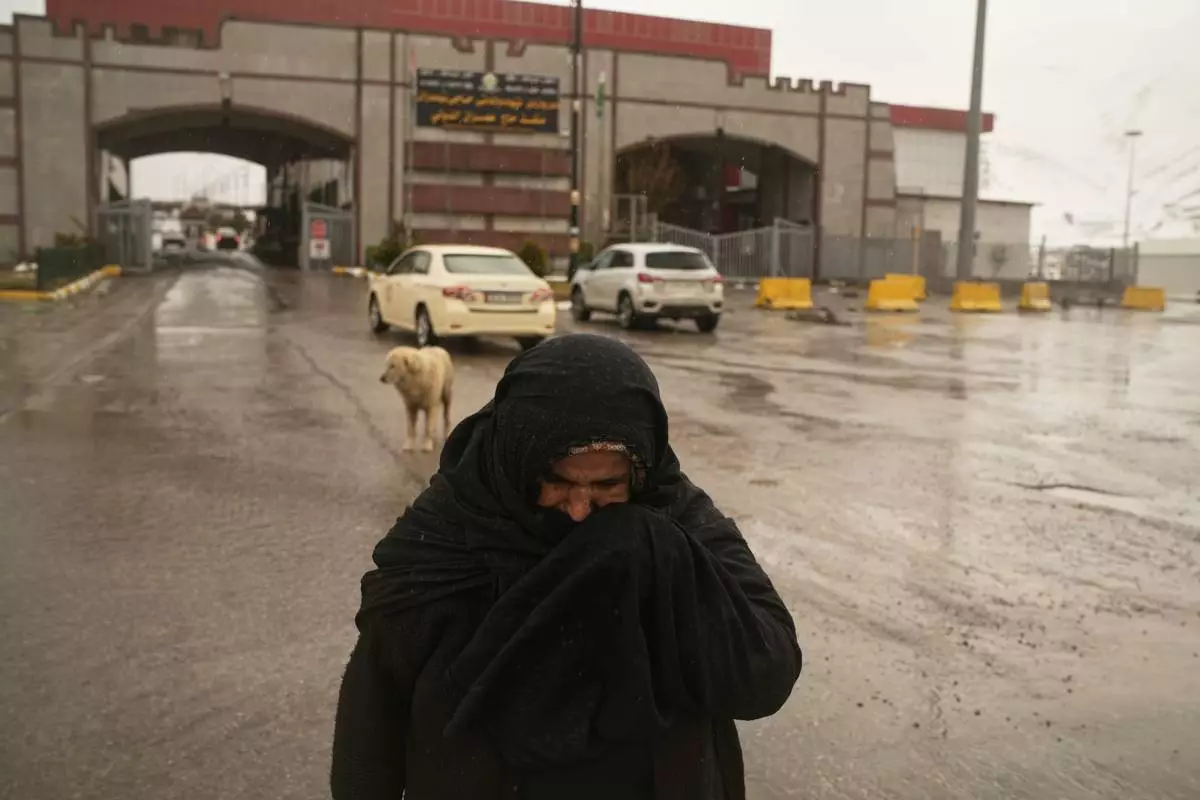
Iranian Kurdish Mariam crosses the Haji Omeran border crossing on foot between Iran and the autonomous Kurdistan Region of Iraq (KRI), Iraq, Sunday, March 15, 2026, as the border remains open. (AP Photo/Leo Correa)
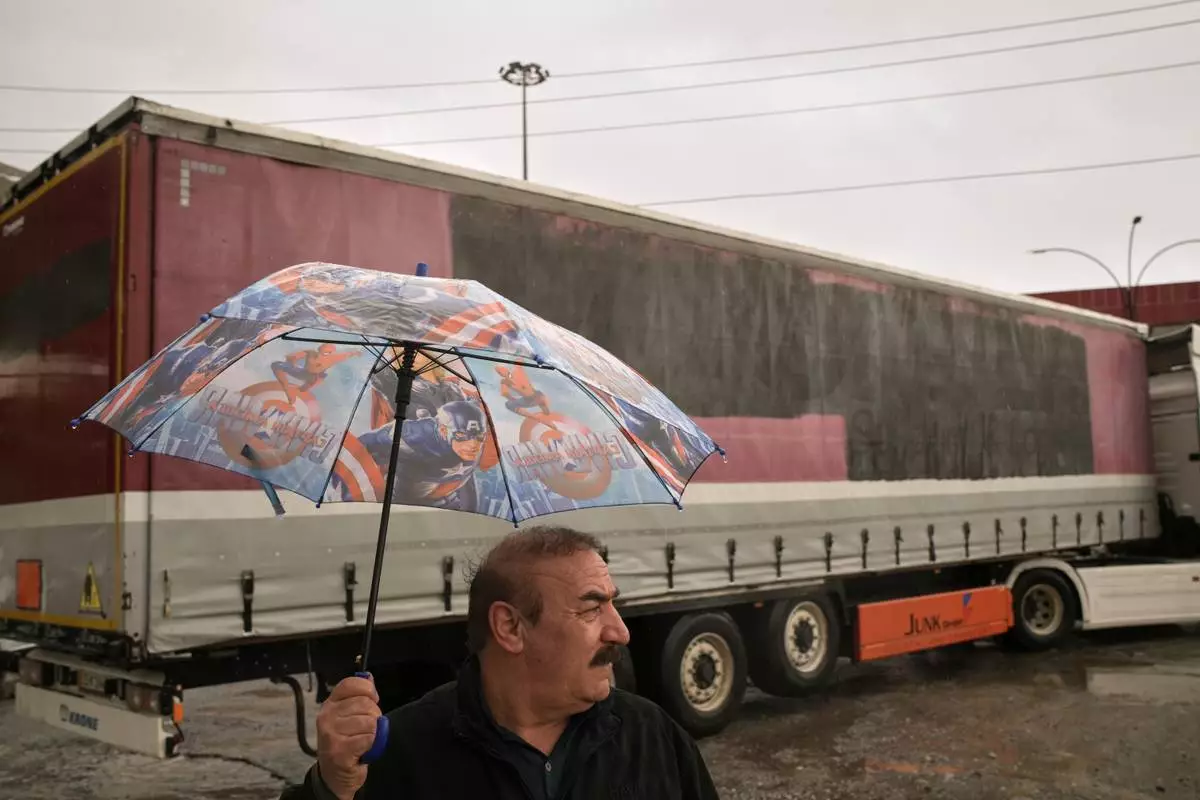
Iranian Kurdish Korban Ali stands on the Iraqi side of the Haji Omeran crossing between Iran and the autonomous Kurdistan Region of Iraq (KRI), Sunday, March 15, 2026, as the border remains open. (AP Photo/Leo Correa)