The imported impact on China's Producer Price Index (PPI) requires observation amid oil price fluctuations triggered by geopolitical conflicts in the Middle East, but the country's robust energy supply provides a strong buffer against external market volatility, said a spokesman for the National Bureau of Statistics (NBS) on Monday.
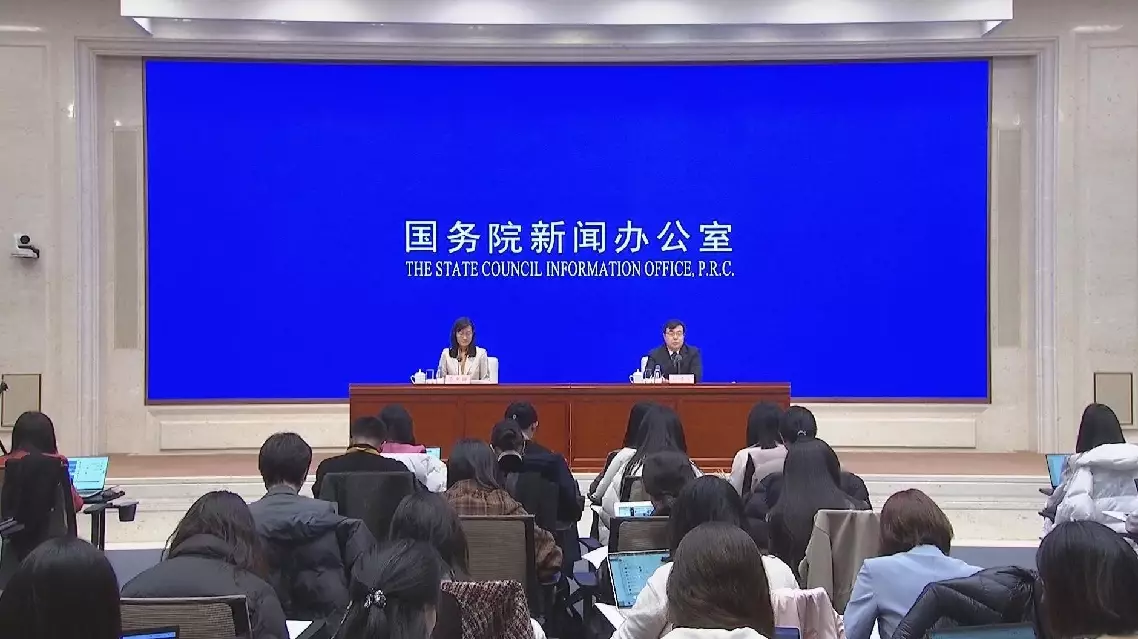
Fu Linghui, the NBS spokesman and chief economist, briefed the media on China's national economic performance in the first two months of this year at a press conference in Beijing.
He attributed the narrowing of the PPI decline in February to four main factors.
"Firstly, through industrial upgrading, the demand for high-end equipment expanded, pushing up prices of related products. In February, prices for aircraft manufacturing rose by 7.7 percent year on year, and prices for ship and related device manufacturing also increased by 0.5 percent year on year. Secondly, with the rapid development of industrial intelligence and green transformation, related demand expanded, leading to price increases. Driven by the rapid development of China's AI Plus Initiative, prices in the electronic components and electronic special materials manufacturing sector rose by 4.9 percent year on year in February. The green transition is also supporting the increase, and in February, prices for the biomass fuel processing sector increased by 3.2 percent year on year," Fu said.
"Thirdly, the improved market competition order contributed to price improvements in some sectors. The ongoing effects of capacity management in key industries and the comprehensive rectification of involution-style competitions continued to show results. In February, the price declines in cement manufacturing and ferrous metals melting and rolling processing sectors narrowed by 1.5 and 0.3 percentage points, respectively, compared with the previous month. Additionally, rising international prices for energy and non-ferrous metals have partly contributed to the rebound in producer prices. In February, the non-ferrous metals sector posted a substantial year-on-year price increase of 22.1 percent," he said.
The spokesman said the positive change in PPI is beneficial for improving business operations and market expectations.
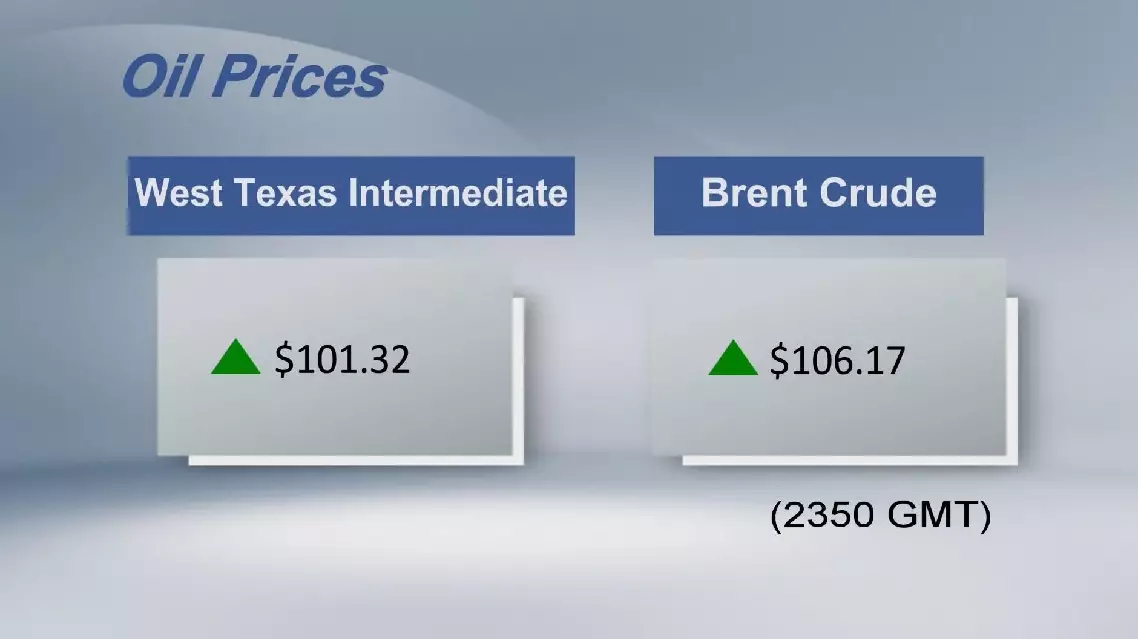
"Recently, geopolitical conflicts in the Middle East have caused fluctuations in international oil prices, raising market concerns. China has strong energy supply security capabilities and a good foundation and conditions to cope with external market volatility. Currently, many uncertainties are affecting international energy prices, and the imported impact on domestic prices requires observation," Fu said.
"So, in the next stage, we must continue to expand domestic demand, optimize supply, develop new quality productive forces according to local conditions, deepen the construction of a unified national market, promote the return of industrial product prices to a reasonable range, improve economic circulation, and enhance the sound development of the industrial economy," he said.
China's robust energy supply provides strong buffer against external market volatility: spokesman