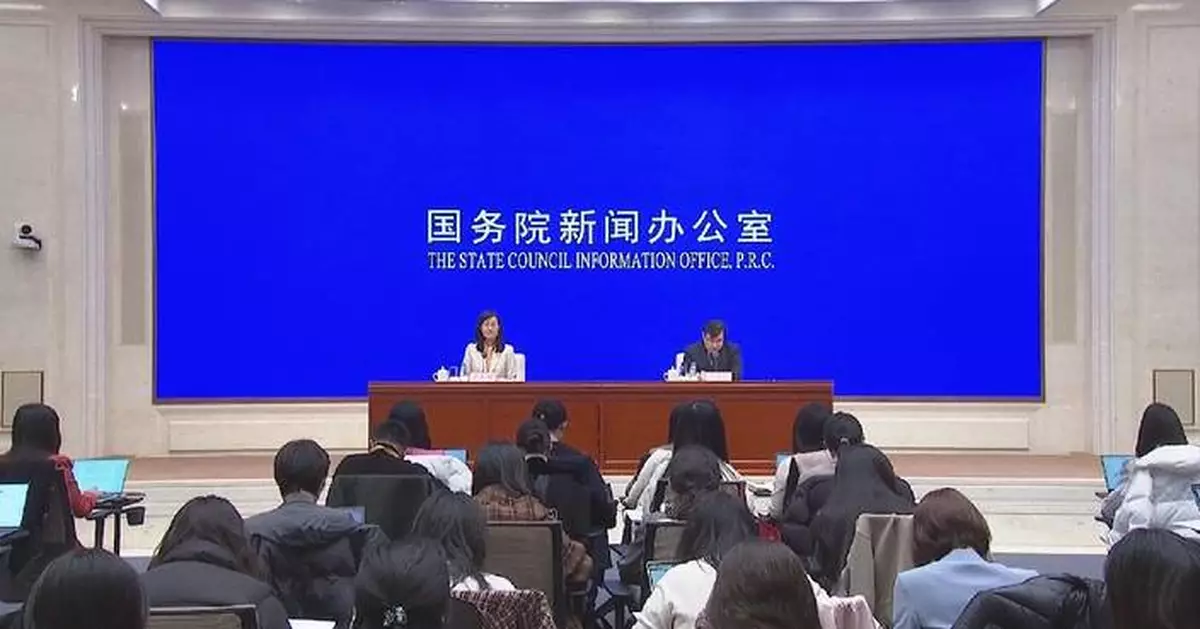
China saw robust growth in goods imports and exports in the first two months of 2026, showing great vitality and resilience in foreign trade, said a spokesman for the National Bureau of Statistics (NBS) in Beijing on Monday.
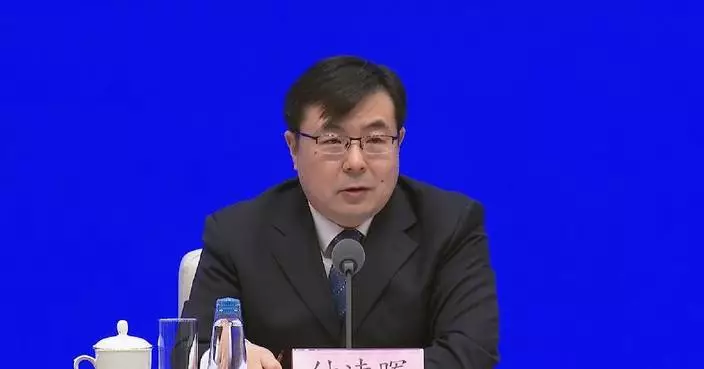
Speaking at a press conference, NBS spokesman Fu Linghui said that China's goods trade registered structural improvement in the two months, featuring growth both in quantity and quality.
"Imports and exports significantly accelerated. Driven by a marginal recovery in global trade demand, the sound development of artificial intelligence applications, and the Spring Festival holiday, the total volume of goods imports and exports in January and February period increased by 18.3 percent year on year, marking a significant acceleration compared to the overall growth rate of last year. Growth rates for both exports and imports rebounded. In the two months, goods exports increased by 19.2 percent, 13.1 percentage points higher than those of the previous year, while imports rose by 17.1 percent, 16.6 percentage points higher than last year," he said.
Fu stated that the faster recovery in goods imports compared with exports reflects strengthened domestic demand driving import growth, which in turn creates new opportunities for global trade.
"The effects of trade diversification continued to emerge. Based on mutual benefit and win-win results, China expanded trade exchanges with countries worldwide, advanced high-quality Belt and Road cooperation, promoted unilateral and autonomous opening up in an orderly manner, and the building of free trade pilot zones. All these continued to play a supporting role in foreign trade growth. In the first two months [of this year], China's total imports and exports with ASEAN (the Association of Southeast Asian Nations) and the European Union grew by 20.3 percent and 19.9 percent, respectively, and its imports and exports with countries and regions involved in the Belt and Road Initiative rose by 20 percent, reflecting an expanding circle of our trade partners," he said.
"New growth drivers continued to grow. As the competitiveness of China's export products has improved, the proportion of industrial manufactured goods exports has increased, and the exports of mechanical and electrical products and high-tech products have grown rapidly, providing a stronger driving force for exports. From January to February, the exports of mechanical and electrical products increased by 24.3 percent, and those of high-tech products rose by 24.2 percent. The exports of high-tech products, such as integrated circuits and ships, also registered robust growth. Meanwhile, the sound development of trade in digital and green products is also conducive to the formation of new growth engines," said Fu.
Fu said China continued to unleash development vitality in the two months as new business forms and models grew rapidly and foreign trade enterprises actively explored overseas markets.
In January and February, the imports and exports of private enterprises increased by 22.8 percent year on year, faster than the overall growth, while the imports and exports of foreign-invested enterprises increased by 15.3 percent, maintaining a relatively fast growth rate, Fu added.
China sees robust growth in goods imports and exports in Jan-Feb: spokesman