Tangya Tusi City, a UNESCO world heritage site in central China's Hubei Province, is transforming into a popular tourism spot by offering visitors a new immersive experience.
The Tangya Tusi City Ruins was inscribed on the World Heritage List of the United Nations Educational, Scientific and Cultural Organization (UNESCO) in 2015, featuring the Tusi Ladies -- the seal-holding matriarchs of ancient southwest China's tribal clans, devoted to their land and people. In the decade since its World Heritage inscription, the site has struggled to turn global recognition into lasting economic growth.
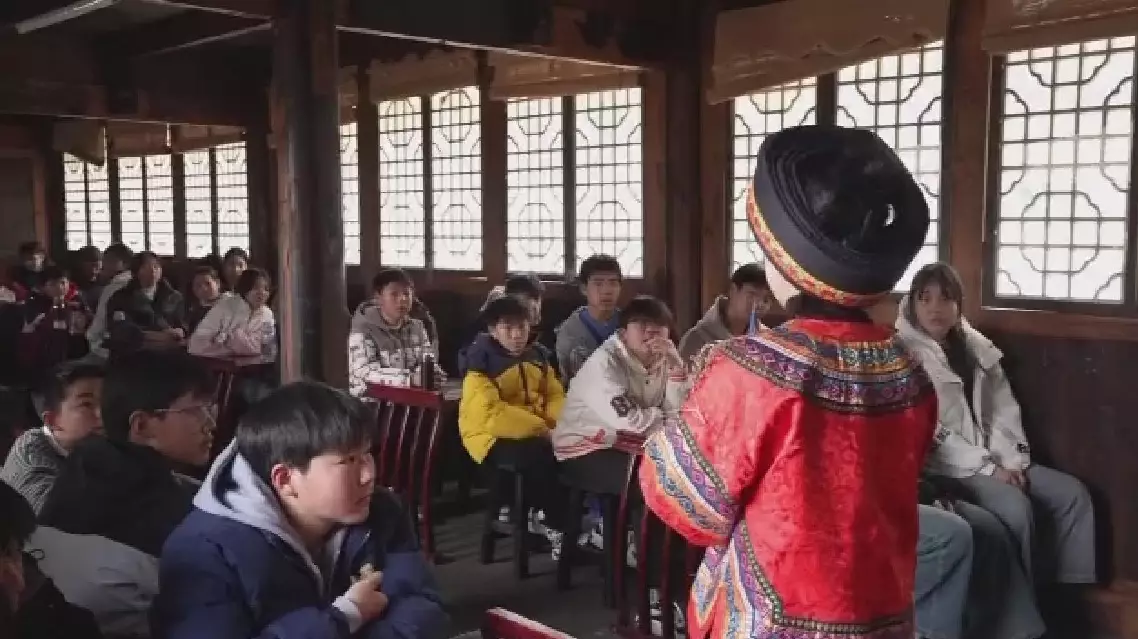
In 2025, authentic Tusi costumes and an immersive tourism project transformed the quiet royal city into a new cultural destination, dubbed by young visitors as the "Tusi Lady Dream Factory," through which people can dress as, and live in the role of a Tusi Lady.
"This isn’t like the assembly-line photo shoots you get elsewhere. They take you to every heritage spot, tell you the cultural and historical stories behind them, and let you truly recreate and step into the scenes of that era," said Shen Yihui, a tourist.
The respect for culture turns a once distant ruin into living history -- something people can touch, wear, and step into. The innovative project also boosted local tourism and consumption.
"Last year, travel photography generated about 30 percent of the site’s secondary revenue. The average visitor stay has increased from less than one hour to 2.5 hours. With that extra time comes additional spending on food, drinks, and cultural merchandise," said Luo Yang, manager of the Xianfeng Tangya Tusi Site Tourism Development Company.
Beyond the photography experience, the site also provides cultural study tours and immersive intangible heritage workshops, where visitors can learn traditional Tujia embroidery, silver forging, and folk dance, deepening their connection to the culture.
At Tangya Tusi City, a longer value chain, from costume design and styling to photography, guiding, and related consumption, now creates opportunities for local residents at every step.
Many young people who had gone for work elsewhere in the country have seen new opportunities in their hometown and chosen to return to start their own businesses.
Fu Jiao runs a rice cake shop by the roadside, offering free drinking water to passing visitors.
"In the past, everyone was busy with farm work and paid little attention to the Tusi City. After it was inscribed on the World Heritage List, more and more tourists started to come. Especially in the past two years, we can tell there are lots of visitors from other parts of the country just from the license plates of the cars passing by," Fu said.
World heritage site in China reinvents itself through immersive tourism project