RICHARDSON, Texas--(BUSINESS WIRE)--Mar 17, 2026--
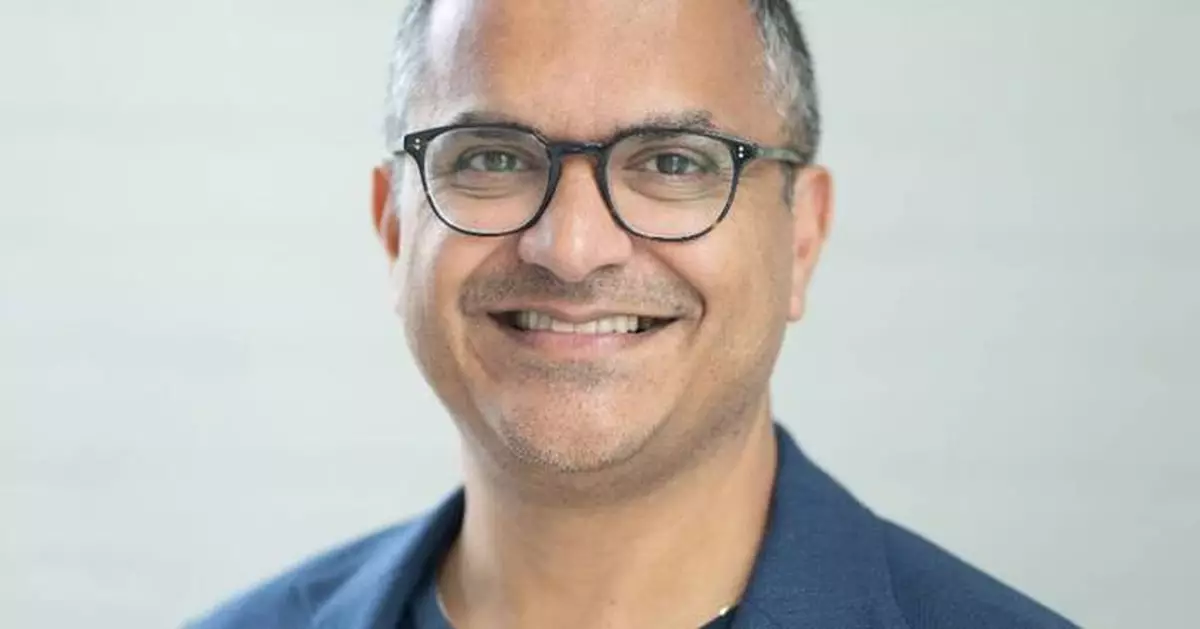
RealPage, a leading global provider of AI-enabled software and data analytics to the real estate industry, today announced the appointment of Zahir Khoja as Chief Fintech Officer. In this newly created role, Khoja will join the Executive Management Committee (EMC) and report directly to President and CEO Dirk Wakeham, leading the company's financial technology strategy and operations.
This press release features multimedia. View the full release here: https://www.businesswire.com/news/home/20260317861637/en/
“Financial services are an essential layer of the modern real estate operating platform,” said Wakeham. “Zahir brings deep experience building and scaling global fintech platforms, and he will accelerate how RealPage delivers secure, seamless financial experiences for operators and residents across our ecosystem.”
Khoja brings more than 20 years of global leadership experience in fintech and payments to RealPage. Most recently, he served as CEO of Wave Financial Inc., an H&R Block subsidiary and leading financial platform for small businesses, where he successfully led the organization towards profitable growth and expanded the platform’s capabilities. Earlier in his career, Khoja helped scale Afterpay in North America, and he held senior global leadership roles at Mastercard. Khoja also led the development and growth of M-Paisa in Afghanistan, where he scaled operations while advancing financial inclusion initiatives and empowering local leadership.
At RealPage, Khoja will lead the company’s overall fintech strategy, including payments, financial services, and emerging resident financial solutions. His focus will be on expanding secure and seamless financial experiences across the RealPage platform while strengthening operational excellence, risk management, and regulatory compliance.
The creation of the Chief Fintech Officer role reflects RealPage’s continued expansion of financial services capabilities across its platform, helping operators streamline transactions, improve resident experiences, and unlock new sources of economic value.
Khoja currently resides in California with his wife and two daughters and plans to relocate to the Dallas-Fort Worth area near RealPage's headquarters.
About RealPage
For over 25 years, RealPage has improved the business of living for housing providers and residents. As the leading platform for AI-powered real estate operations, we connect property owners, operators, and residents at every stage of the rental journey. RealPage introduced the industry's first agentic AI workforce, which automates tasks and delivers actionable insights that empower property teams to improve living experiences. Through our LOFT platform and integrated services, RealPage provides residents transparency, flexibility, and ease, helping them lease, live, and engage confidently. Backed by Thoma Bravo and with more than 8,500 employees worldwide, RealPage solutions help manage more than 24 million rental units around the globe.

RealPage Appoints Fintech Veteran Zahir Khoja as its First Chief Fintech Officer to Lead Next Phase of Financial Services Innovation
DUBAI, United Arab Emirates (AP) — Israel said Tuesday it killed two senior Iranian security officials in overnight strikes in a major blow to the country’s leadership. Tehran defiantly fired new salvos of missiles and drones at its Gulf Arab neighbors and Israel in a war that showed no signs of abating.
Both Ali Larijani, secretary of Iran’s Supreme National Security Council, and Gen. Gholam Reza Soleimani, the head of the Revolutionary Guard’s all-volunteer Basij force, were “eliminated last night," Israeli Defense Minister Israel Katz said. Following the death of Supreme Leader Ayatollah Ali Khamenei in an airstrike on the first day of the war, Larijani was considered one of the most powerful figures in the country.
Both men were key to Iran’s violent crackdown on protests in January that challenged the theocracy’s 47-year rule. Iranian state media did not immediately confirm either death. The killings would strip Iran of important leaders as the Islamic Republic faces its greatest test in recent decades in its war with the United States and Israel.
With concerns growing about a global energy crisis, Iran fired new attacks at several of its Gulf Arab neighbors and oil infrastructure throughout the region. Dubai, a major transit hub for international travel, briefly shut its airspace, the second disruption to flights in the city in as many days. An Iranian official defiantly said Tehran had no intention of relinquishing its tight grip on shipping through the Strait of Hormuz, a crucial waterway for oil.
The Israeli military also said it had begun a “wide-scale wave of strikes” across Iran’s capital and was stepping up strikes on Iran-backed Hezbollah militants in Lebanon.
Larijani hails from one of Iran’s most famous political families. A former parliamentary speaker and senior policy adviser, he was appointed to advise the late Khamenei on strategy in nuclear talks with the Trump administration.
Larijani was sanctioned by the U.S. Treasury in January as Tehran violently suppressed nationwide protests. It identified him as being “responsible for coordinating the response to the protests on behalf of the supreme leader of Iran.”
Soleimani has also been sanctioned by the U.S., as well as the European Union and other nations over his role in helping suppress dissent for years through the Basij.
Katz said the Israeli military would continue “pursuing the leadership of the terror and oppression regime in Iran, and to repeatedly cut off the head of the octopus and prevent it from regrowing.”
Iran kept up the pressure on the energy infrastructure around the region, hitting an oil facility in Fujairah, an emirate in the United Arab Emirates that has been repeatedly targeted. State-run WAM news reported that no one had been injured in the blast from the drone strike.
Early Tuesday, Iran also hit a tanker anchored off the coast of Fujairah, one of about 20 vessels struck since the war began.
A man was killed by the debris of a missile intercepted over Abu Dhabi, the eighth person to die in the UAE since the start of the war, authorities said.
Iran’s attacks on Gulf nations and its grip on the Strait of Hormuz, through which a fifth of the world’s oil is transported, have given rise to increasing concerns of a global energy crisis and are unnerving the world economy.
A handful of ships have crossed through the strait, and Iran has said the vital waterway technically remains open — just not for the United States, Israel and their allies.
“They are flying, launching missiles, should we just sit back and do nothing in response?” Iran’s parliamentary speaker, Mohammad Bagher Qalibaf, asked in an interview on state television.
With Washington under increasing pressure over rising oil prices, Brent crude, the international standard, remained over $100 a barrel, up more than 40% since the war started.
U.S. President Donald Trump said he had demanded that roughly a half-dozen countries send warships to ensure ships can pass through the Strait of Hormuz. But his appeals brought no immediate commitments, with many saying they are hesitant to get involved in a war with no defined exit plan and skeptical that they could do more than the U.S. Navy.
The UAE shut down its airspace again early Tuesday as its military reported it was “responding to missile and drone threats from Iran.” The closure was soon lifted, and not long after the sounds of explosions could be heard as the military worked to intercept incoming fire.
The brief closure showed the balancing act Emirati authorities face in trying to keep their long-haul carriers, Emirates and Etihad, flying as Iranian attacks continue to target the country.
Countries around the region also came under fire: Saudi Arabia said it intercepted drones, while explosions were heard over the capital of Qatar. Attacks from Iran-linked proxy forces continued in Iraq, where the U.S. Embassy in Baghdad was hit with shrapnel from intercepted drones.
The Israeli military early Tuesday said it had launched new attacks across Tehran and targeted Hezbollah militants in the Lebanese capital.
In Iran, it said it hit command centers, missile launch sites and air defense systems. There was no immediate confirmation from Iran, where little information has been coming out due to internet outages, round-the-clock airstrikes and tight restrictions on journalists.
More than 1,300 people have been killed in Iran since the start of the conflict, according to the Iranian Red Crescent.
Israel did not immediately release details of its attacks on Lebanon, but the Lebanese army said two of its soldiers were seriously wounded in an airstrike on the village of Kfar Sir.
Israel’s strikes have displaced more than 1 million Lebanese — or roughly 20% of the population — according to the Lebanese government, which says some 850 people have been killed.
Some Israeli troops have pushed into southern Lebanon, and there are fears Israel is preparing a large-scale invasion.
Israel reported two Iranian salvos early Tuesday fired toward Tel Aviv and an area south of the Sea of Galilee, and then more later in the day. More launches from Lebanon were also reported.
In Israel, 12 people have been killed by Iranian missile fire. At least 13 U.S. military members have been killed.
Rising reported from Bangkok and Magdy from Cairo. Associated Press writers Russ Bynum in Savannah, Georgia; Giovanna Dell'Orto in Miami; Qassim Abdul-Zahra in Baghdad; and Bassem Mroue in Beirut contributed to this report.
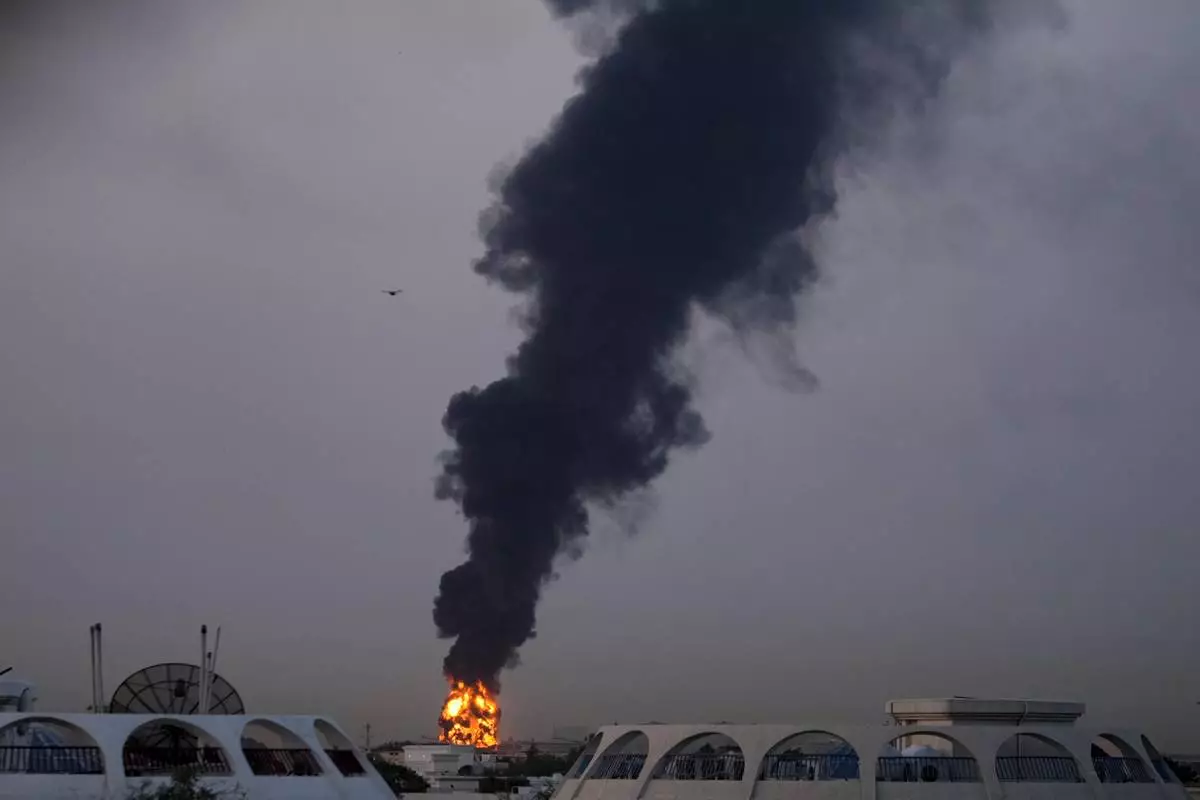
Fire and plumes of smoke rise after a drone struck a fuel tank forcing the temporary suspension of flights. near Dubai International Airport, in United Arab Emirates, early Monday, March 16, 2026. (AP Photo)
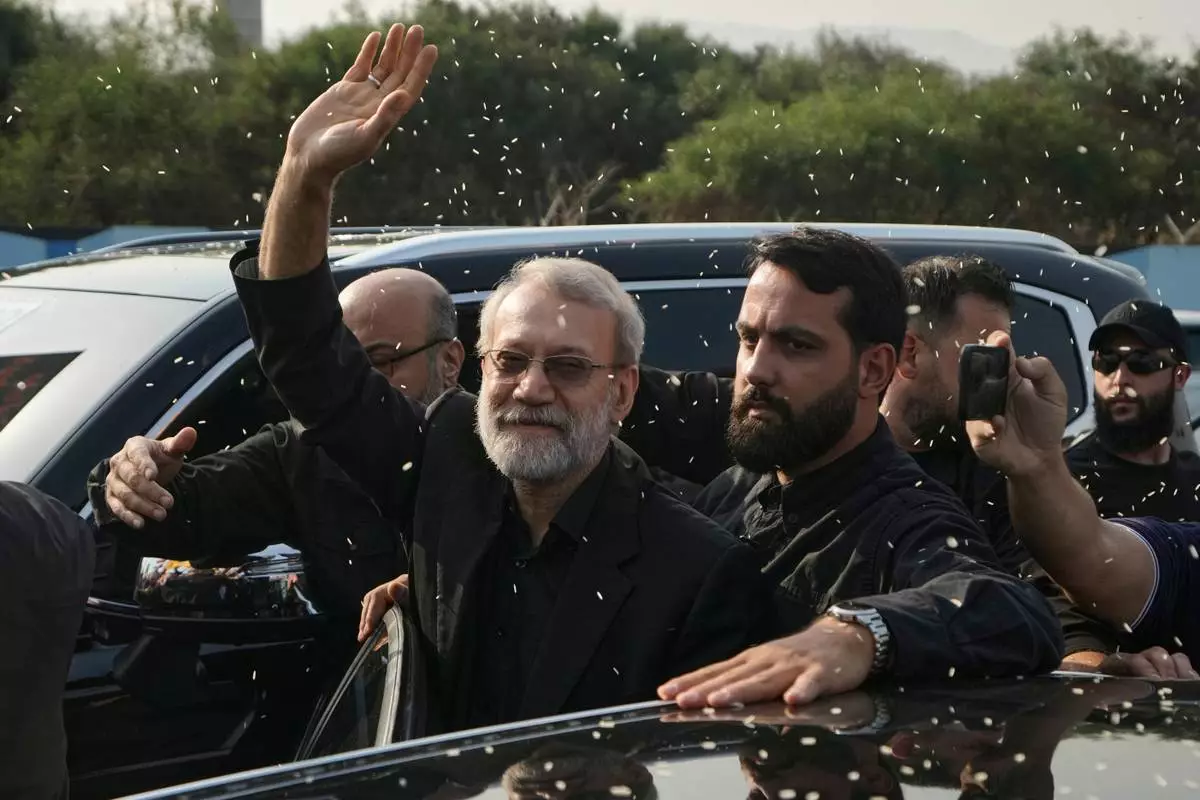
FILE - Ali Larijani, center, head of Iran's National Security Council, gestures as Hezbollah supporters throw rice to welcome him outside Rafik Hariri International Airport in Beirut, Lebanon, Wednesday, Aug. 13, 2025. (AP Photo/Bilal Hussein, File)
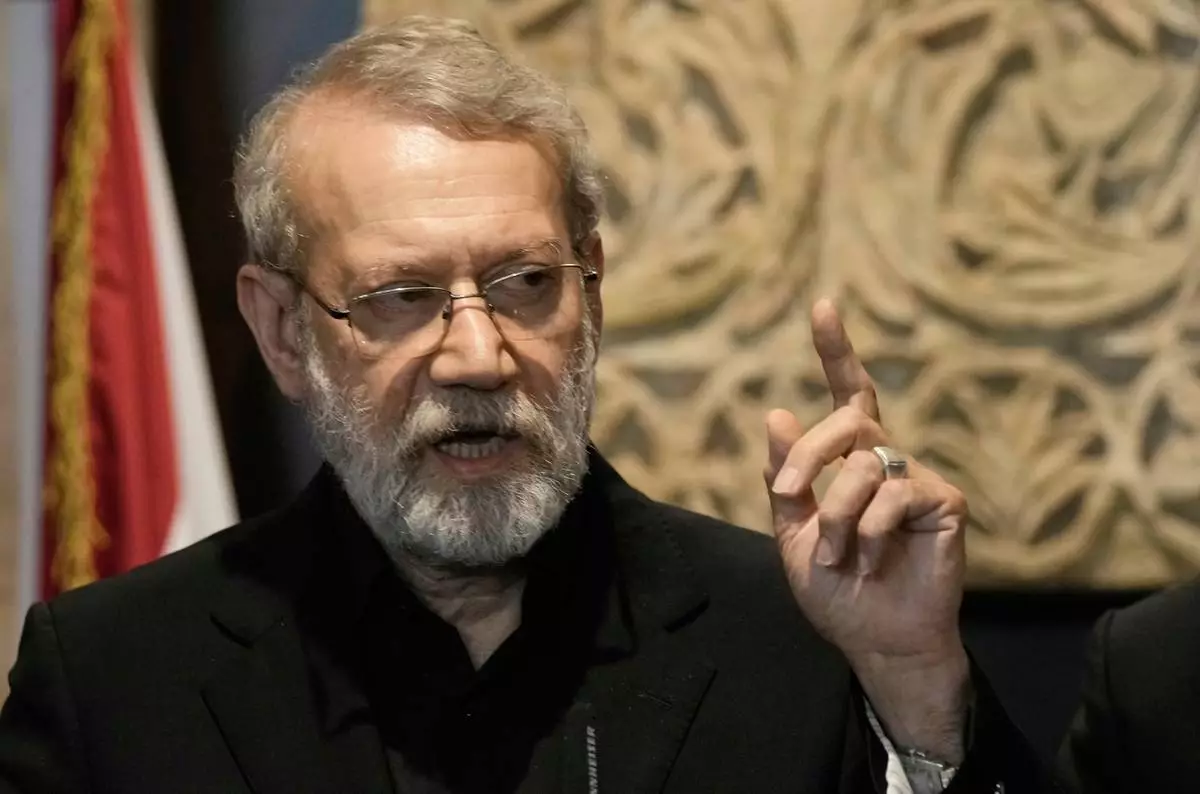
FILE -Iranian Secretary of Supreme National Security Council Ali Larijani, speaks during a press conference after his meeting with the Lebanese parliament speaker Nabih Berri, in Beirut, Lebanon, Aug. 13, 2025. (AP Photo/Bilal Hussein, File)
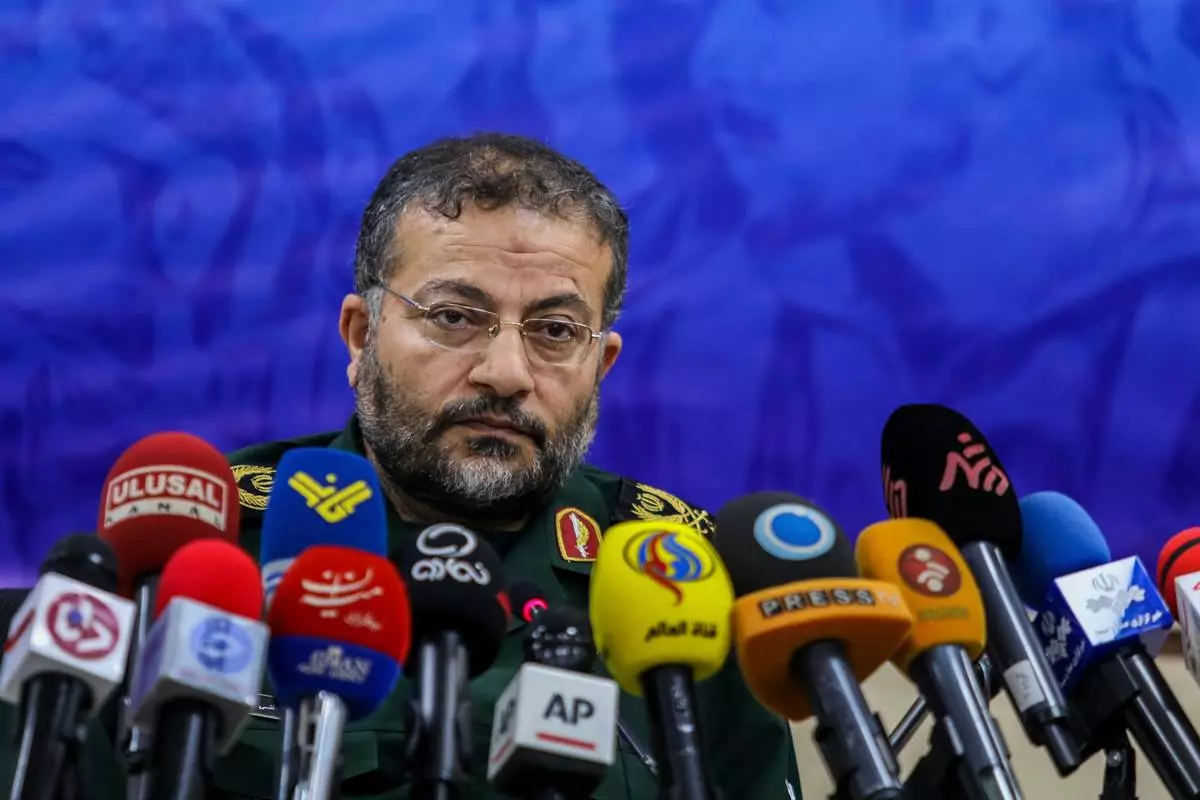
FILE - Commander of Iran's Basij paramilitary force, Gen. Gholam Reza Soleimani, gives a press conference in Tehran, Iran, Nov. 18, 2019. (AP Photo/Ebrahim Noroozi, File)
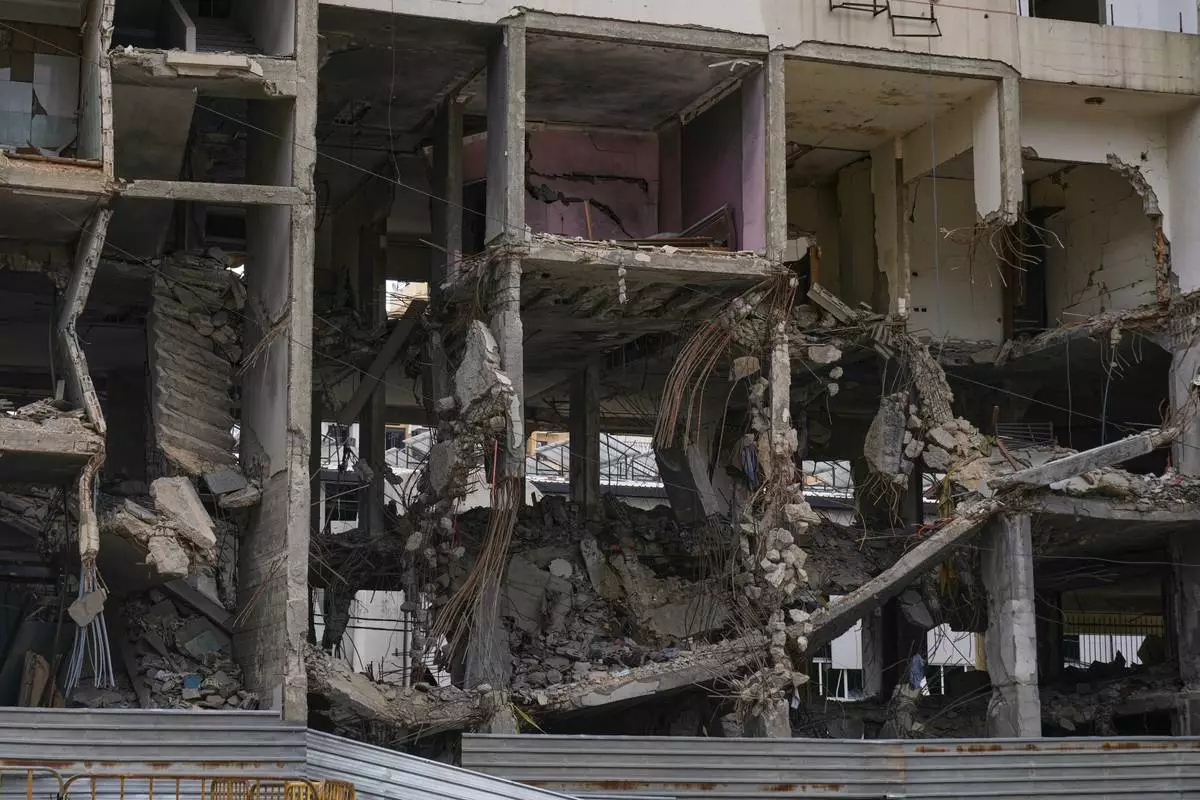
A view of a building damaged in an Israeli airstrike, in Dahiyeh, Beirut's southern suburbs, Beirut's southern suburbs, Lebanon, Monday, March 16, 2026. (AP Photo/Bilal Hussein)
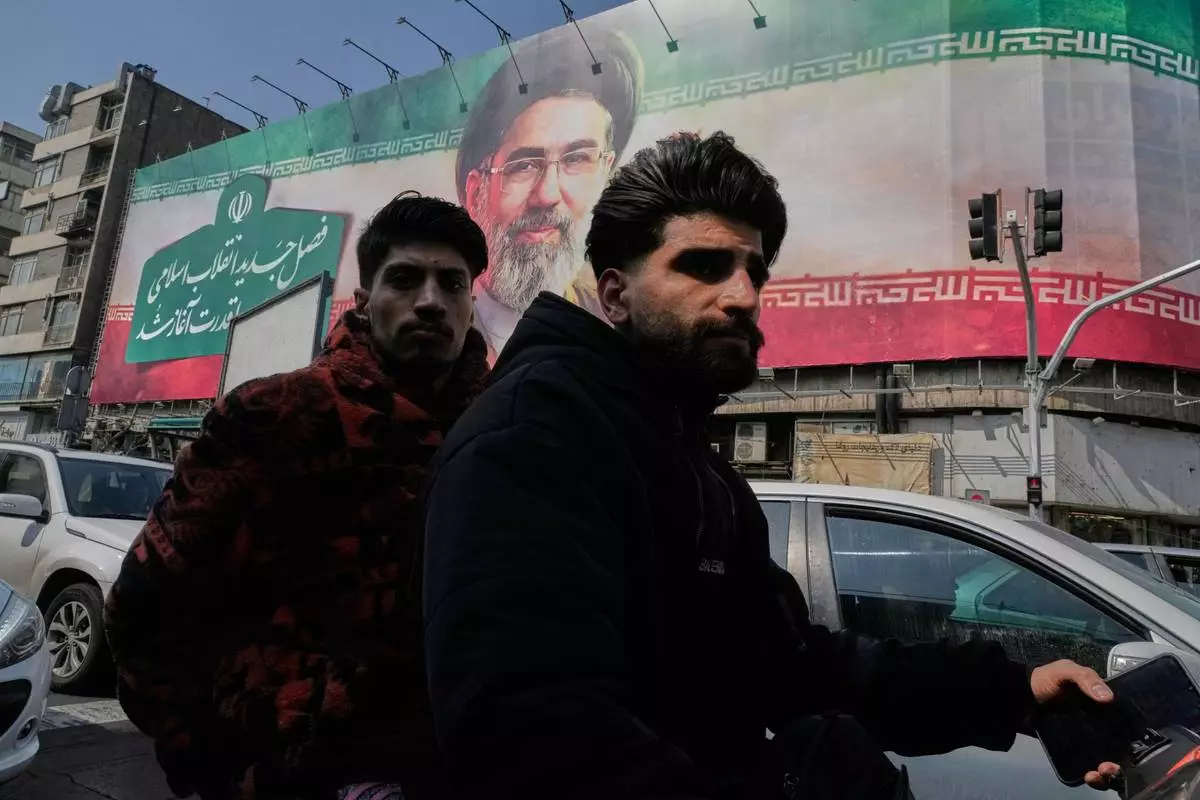
Two men ride their motorbike past a billboard of the Iranian Supreme Leader Ayatollah Mojtaba Khamenei in downtown Tehran, Iran, Saturday, March 14, 2026. (AP Photo/Vahid Salemi)
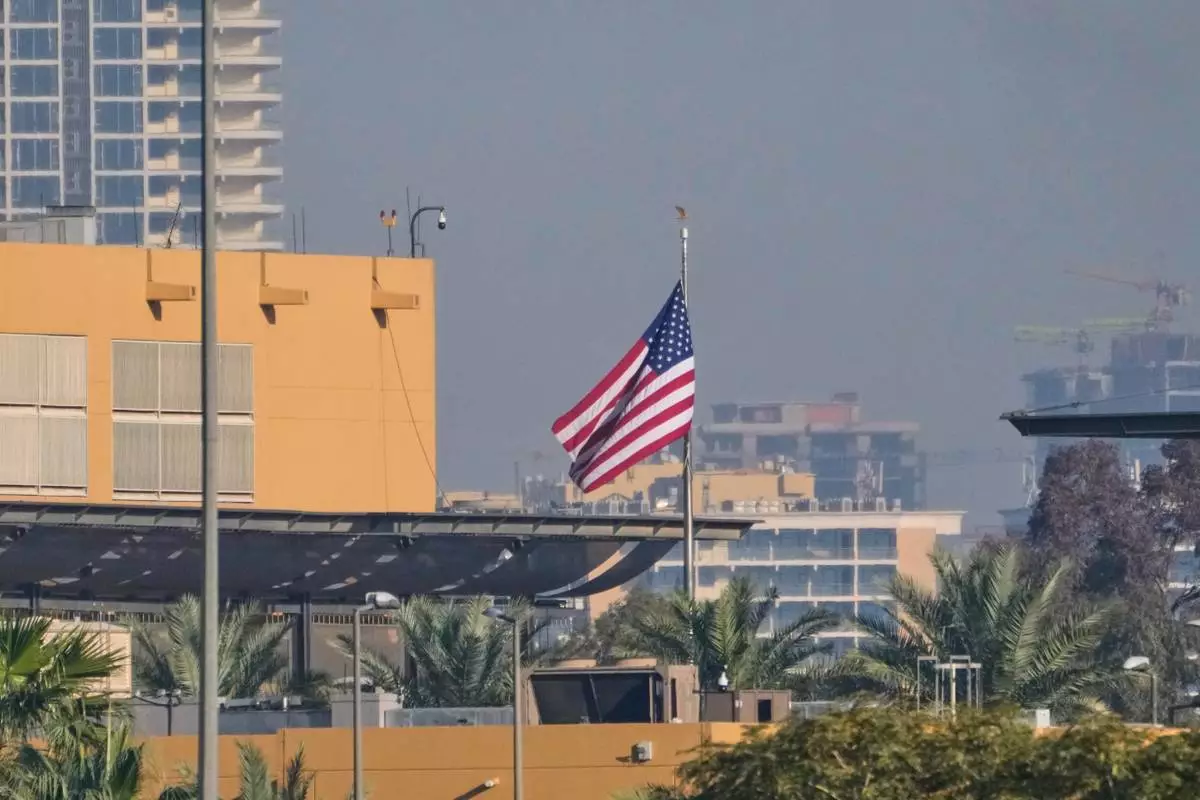
U.S. Embassy is seen across the Tigris River in Baghdad, Tuesday, March 17, 2026. (AP Photo/Hadi Mizban)
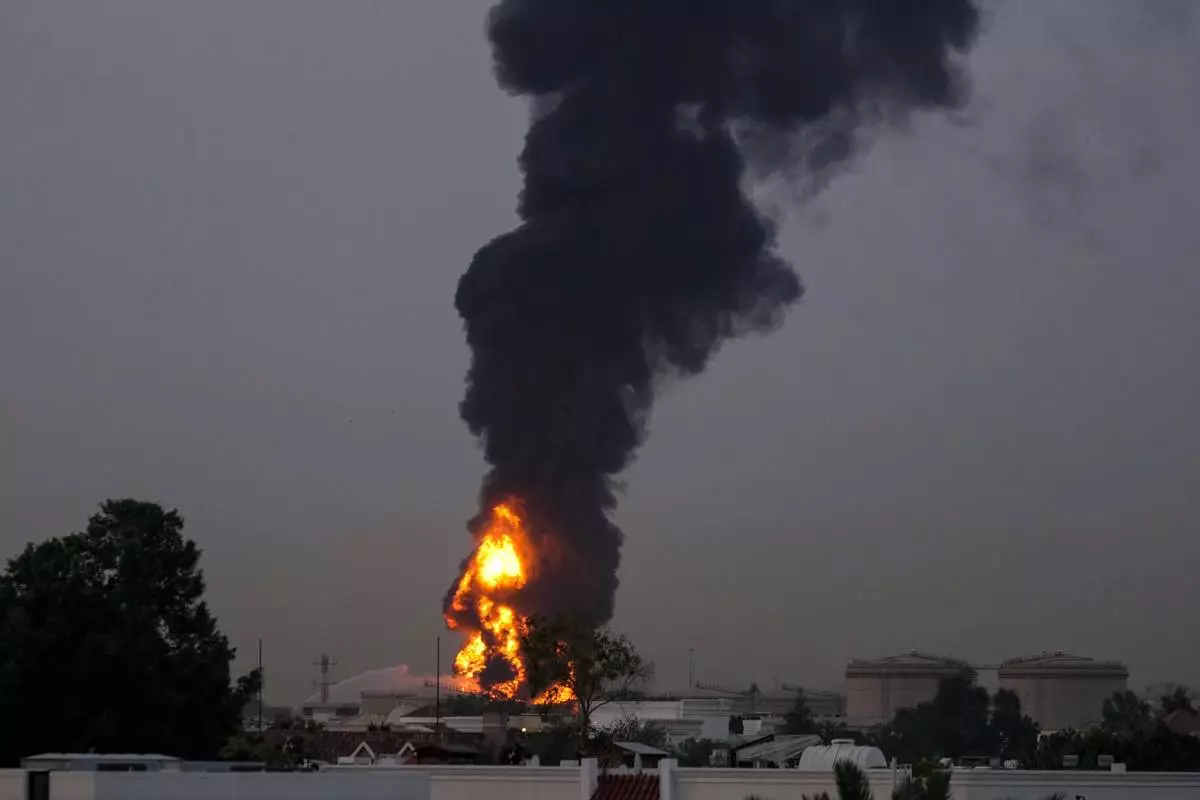
Fire and plumes of smoke rises after a drone struck a fuel tank forcing the temporary suspension of flights. near Dubai International Airport, in United Arab Emirates, early Monday, March 16, 2026. (AP Photo)
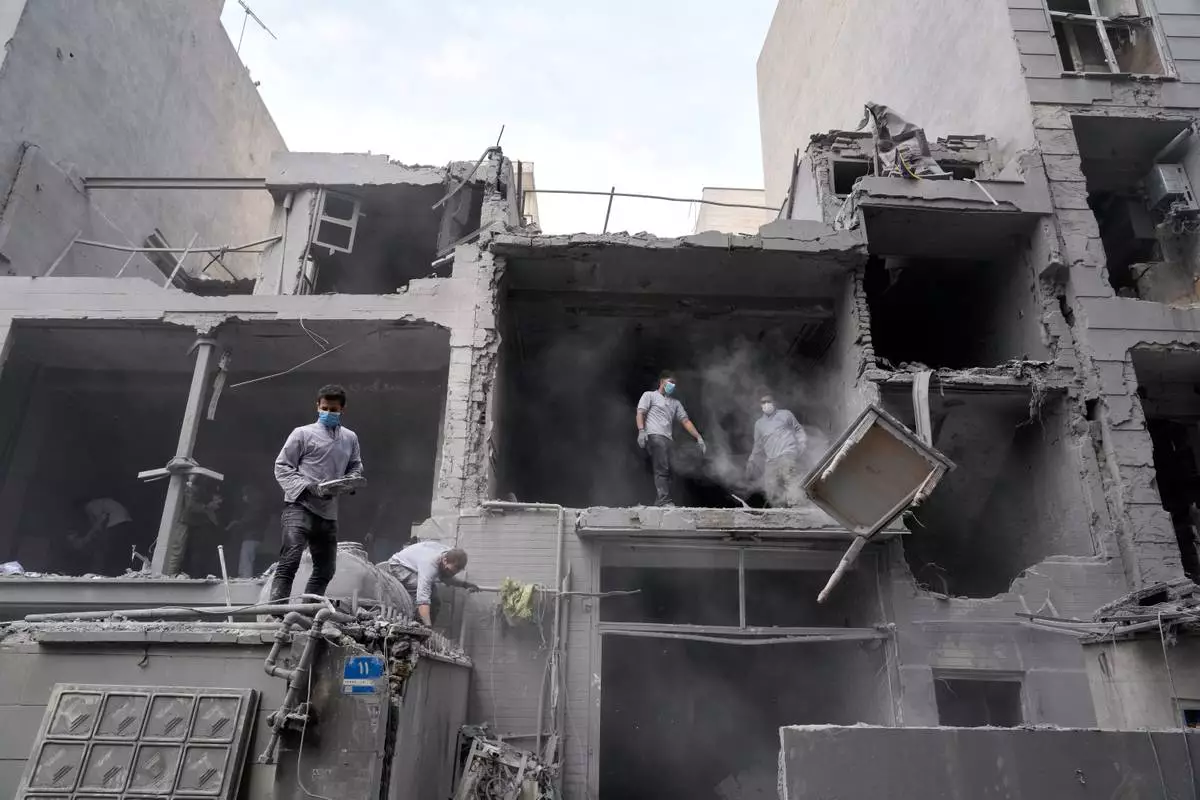
Volunteers clean debris from a residential building damaged when a nearby police station was hit Friday in a U.S.-Israeli strike in Tehran, Iran, Sunday, March 15, 2026. (AP Photo/Vahid Salemi)