SAN FRANCISCO--(BUSINESS WIRE)--Mar 17, 2026--
PagerDuty, Inc. (NYSE:PD), a leader in AI-first operations management, today published the 2026 State of AI-First Operations Report, which illustrates how the financial stakes of extended service disruption has made operational resilience the top priority, and how the growing trust in AI for digital operations contributes to revenue growth. The report draws insights based on survey responses from 1,000 business leaders, IT decision makers and senior developers across Australia and New Zealand, France, Germany, Japan, the Nordic countries, the United Kingdom and Ireland, and the United States.
This press release features multimedia. View the full release here: https://www.businesswire.com/news/home/20260317312829/en/
To read the full report, including survey findings and methodology, please visit here.
According to survey findings, 95% of respondents believe their leadership understands the competitive advantage that can be gained from reducing incidents and speeding recovery. The report also shows that organizations are increasingly considering the adoption of AI for digital operations, with 59% indicating they actively incorporate the technology into operations. The AI adopters appear to be experiencing more success than those who may have discussed it but have not yet incorporated it: 75% report improved operational resilience, compared to only 66% of organizations that improved operational resilience but are not yet using AI.
Additional key takeaways from the 2026 PagerDuty State of AI-First Operations Report include:
“The 2026 PagerDuty State of AI-First Operations Report further demonstrates how the financial risk of major incidents makes operational resilience a board-level priority,” said Katherine Calvert, chief marketing officer at PagerDuty. “AI-first operations enable organizations to accelerate their incident management workflows so they can restore service more quickly during disruption. With PagerDuty, organizations can not only minimize risk, but cut down on teams’ time spent firefighting so they can focus on driving innovation and revenue.”
About PagerDuty
PagerDuty, Inc. (NYSE:PD) is the global leader in AI-first operations management serving more than 35,000 organizations worldwide. The PagerDuty Operations Cloud is a comprehensive, multi-product operations cloud platform that sits at the center of the enterprise technology stack. The Platform is a system of intelligence and action, ingesting signals from over 700 integrations, to orchestrate the right response across people, machines and software. Trusted by nearly half of the Fortune 500, half of the Forbes AI 50, and approximately two-thirds of the Fortune 100, PagerDuty is essential to delivering always-on digital experiences for modern businesses. Learn more and try it for free at www.pagerduty.com.
The PagerDuty Operations Cloud
The PagerDuty Operations Cloud is an AI-powered platform that automates and orchestrates the entire incident management lifecycle—from detection to resolution, providing resilience at scale. Designed for mission-critical operations, the platform empowers teams to identify and diagnose disruptions in real time, mobilizing the right teams to quickly streamline workflows to solve digital issues before they become incidents. The PagerDuty Operations Cloud is essential for delivering flawless, always-on digital experiences that organizations and consumers expect today.
FAQs
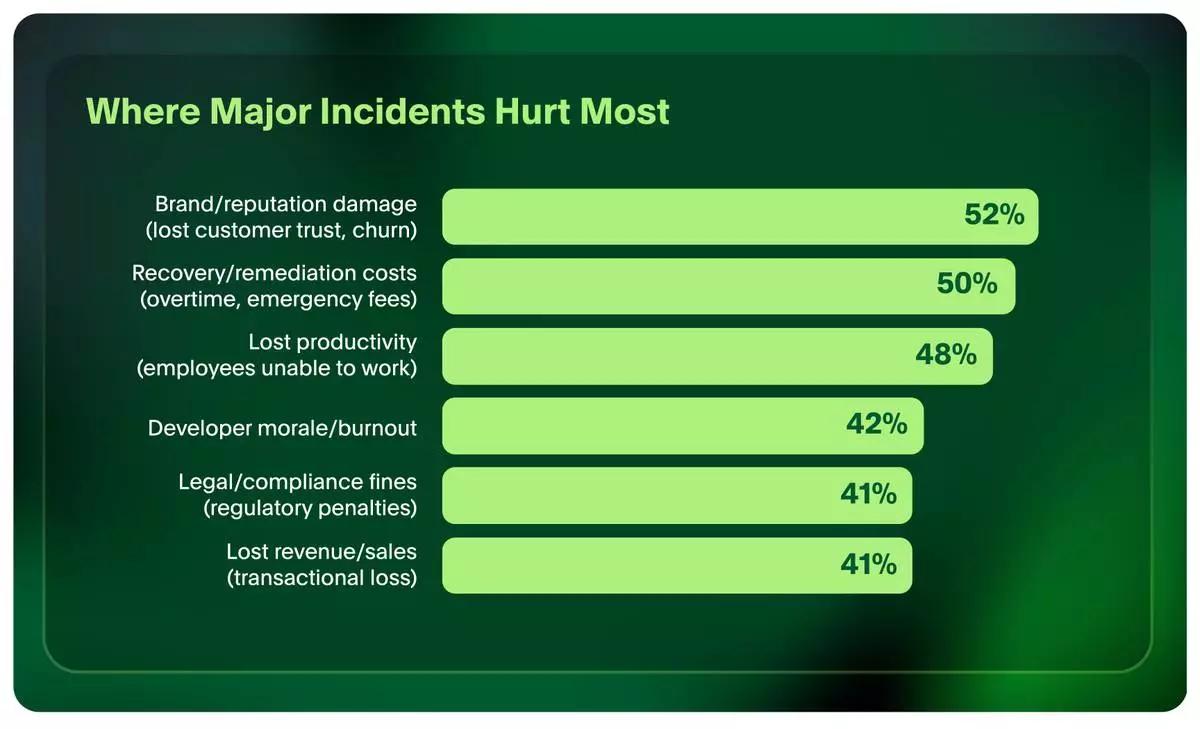
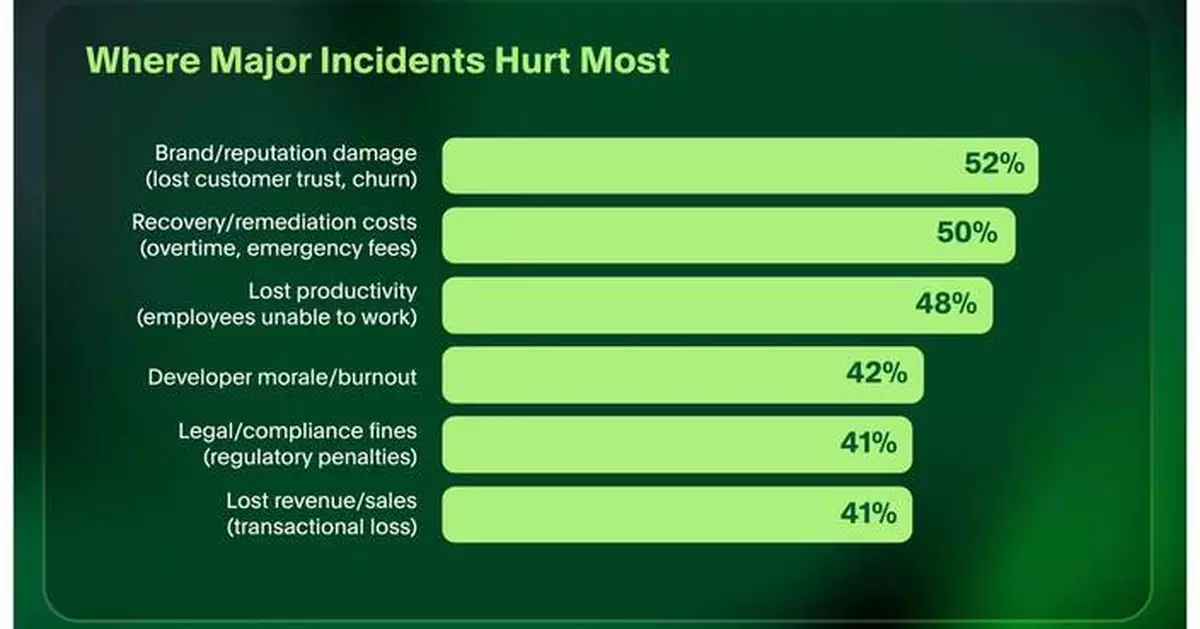
The PagerDuty 2026 State of AI-First Operations Report illustrates how major incidents have made operational resilience the top priority. The cost of disruptions have grown too high for leaders to ignore and the impact extends beyond immediate revenue loss to damaging brand reputation (52%), introducing recovery costs (50%), reducing productivity (48%) and contributing to developer burnout (42%).
NEW YORK (AP) — Oil prices resumed their rise on Tuesday because of the war with Iran, but U.S. stocks held steadier this time around.
The S&P 500 rose 0.2% to add to its gain from the day before, which was its biggest since the war began. The Dow Jones Industrial Average climbed 46 points, or 0.1%, and the Nasdaq composite rose 0.5%.
It’s a break, for now at least, from the usual playbook since the start of the war, where stock prices have tended to go in the opposite direction of oil prices. The fear in financial markets has been that a long-term disruption to the global flow of oil could send prices so high for so long that it damages the global economy. Not only would higher gasoline prices sap households’ budgets, it could also push companies to pass on their own higher transportation costs to customers.
On Tuesday, the price for a barrel of benchmark U.S. crude rose 2.9% to settle at $96.21. Brent crude, the international standard, climbed 3.2% to $103.42. But they pared even bigger gains from earlier in the morning, and they’re either roughly where they were at the end of last week or below.
Delta Air Lines offered an encouraging signal about the strength of the economy after raising its forecast for revenue for the first three months of 2026. It said it’s seen demand to fly accelerate into March from both businesses and households.
And that looks to be enough to offset higher prices for jet fuel because of the spike in oil prices. Delta said it still expects to report a profit for the start of 2026 that’s in line with its earlier forecast.
Delta’s stock flew 6.6% higher, and it helped other airline stocks trim their own sharp losses for the year so far. United Airlines climbed 3.2%, and Southwest Airlines rose 2.2%.
American Airlines gained 3.5% after saying it’s also likely to report stronger revenue growth for the start of this year than it had forecast earlier.
Another big winner was Uber Technologies, which drove 4.2% higher after announcing an expansion of its partnership with Nvidia. They plan to launch a fleet of autonomous vehicles using Nvidia’s technology, beginning with Los Angeles and San Francisco in the first half of next year.
Some beaten-down stocks in the financial industry, meanwhile, recovered losses from earlier in the year. That includes several that got swept up in worries about whether software businesses and others potentially under threat by AI-powered competitors will pay back all their loans. Blue Owl Capital gained 4.5%, and Ares Management rose 6.6%.
They helped offset a 3.2% drop for Cencora after the pharmaceutical sourcing and distribution services company said it’s looking for a new chief financial officer. Its current CFO, James Cleary, will retire at the end of June.
All told, the S&P 500 rose 16.71 points to 6,716.09. The Dow Jones Industrial Average added 46.85 to 46,993.26, and the Nasdaq composite gained 105.35 to 22,479.53.
The U.S. stock market has a track record of bouncing back relatively quickly from military conflicts in the Middle East and elsewhere, as long as oil prices don’t stay too high for too long. Many professional investors are expecting that to be the case again, which has helped keep U.S. stock prices near their record levels.
For all its dramatic swings over the last couple weeks, including several that struck hour to hour, the S&P 500 is less than 4% below its all-time high.
That’s even as Treasury yields have climbed on expectations that higher oil prices will prevent the Federal Reserve from cutting interest rates for a while. Higher yields push downward on prices for stocks and all kinds of investments.
The yield on the 10-year Treasury eased to 4.20% from 4.23% late Monday, but it remains well above the 3.97% level it was at before the war with Iran began.
The Fed will make its next announcement on interest rates Wednesday afternoon, and traders see virtually no chance of a cut, according to data from CME Group.
Cuts to interest rates by the Fed would give the economy and job market a boost, and President Donald Trump has angrily been calling for them. But reductions would also worsen inflation.
In Australia, the central bank is actually raising interest rates. Citing higher fuel prices, the Reserve Bank of Australia made its first hike since November 2023.
In stock markets abroad, European indexes rose following a mixed finish in Asia. Indexes climbed 0.8% in London and fell 0.9% in Shanghai for two of the world’s bigger moves.
AP Writers Matt Ott, Elaine Kurtenbach and Rod McGuirk contributed.
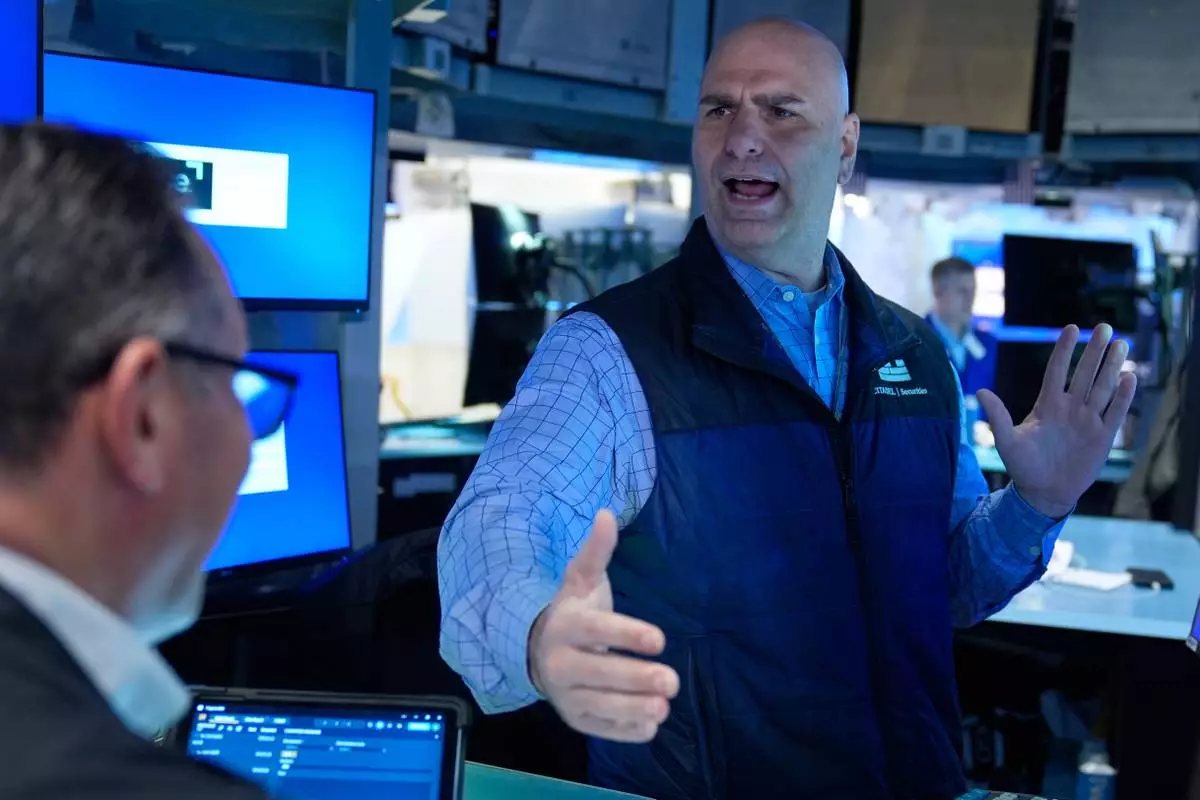
Philip Finale works on the floor at the New York Stock Exchange in New York, Tuesday, March 10, 2026. (AP Photo/Seth Wenig)

Traders work on the floor at the New York Stock Exchange in New York, Tuesday, March 10, 2026. (AP Photo/Seth Wenig)
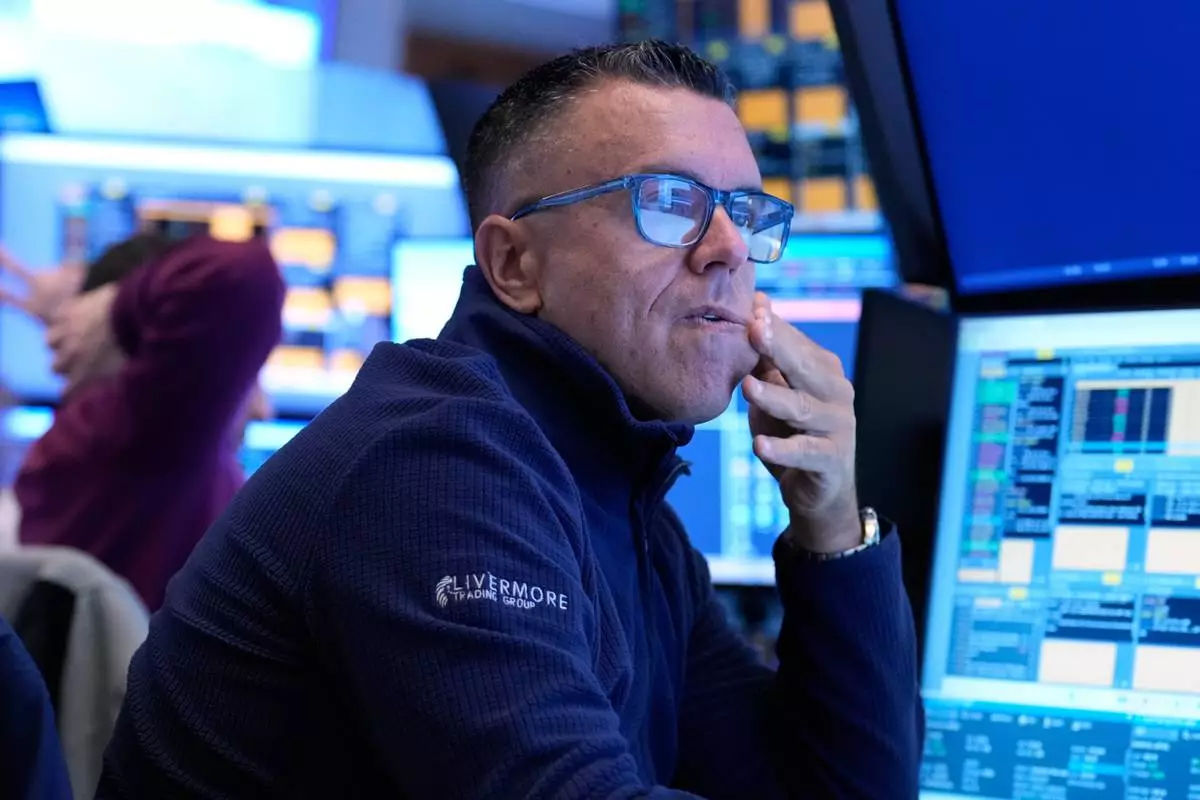
Traders work on the floor at the New York Stock Exchange in New York, Tuesday, March 10, 2026. (AP Photo/Seth Wenig)
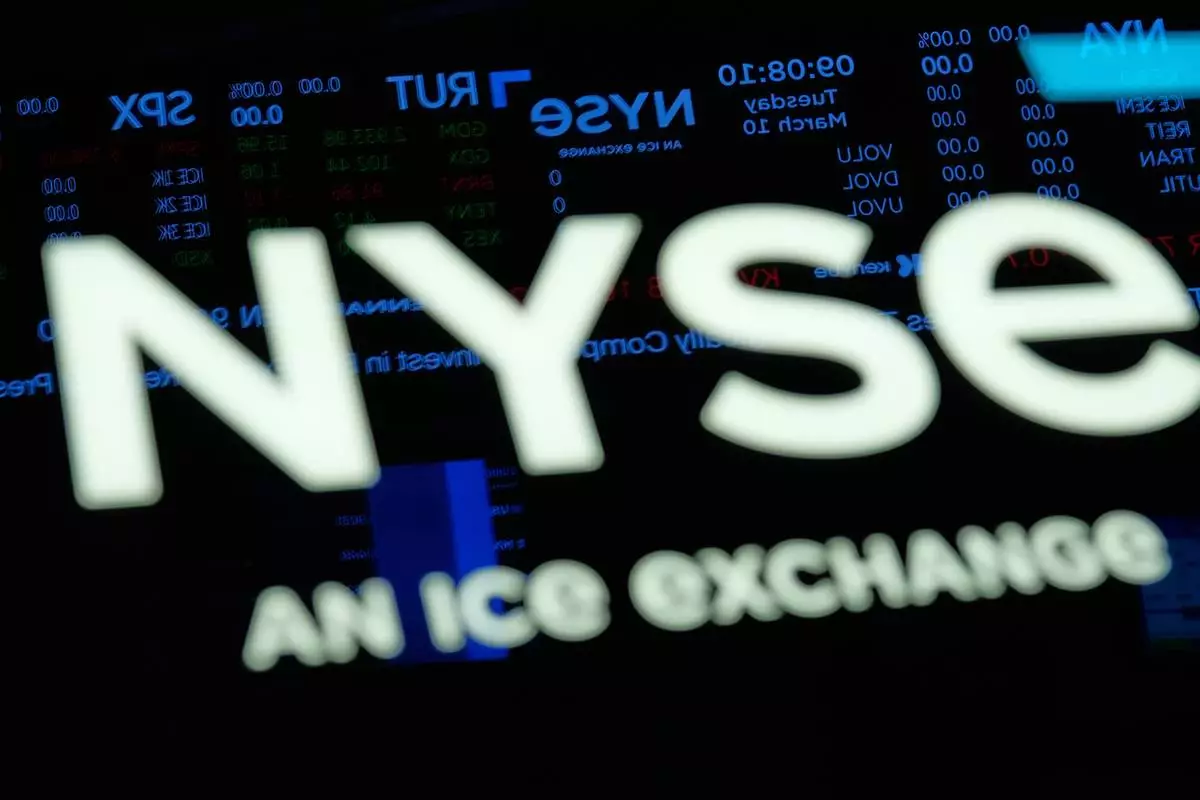
Screens display financial information on the floor at the New York Stock Exchange in New York, Tuesday, March 10, 2026. (AP Photo/Seth Wenig)
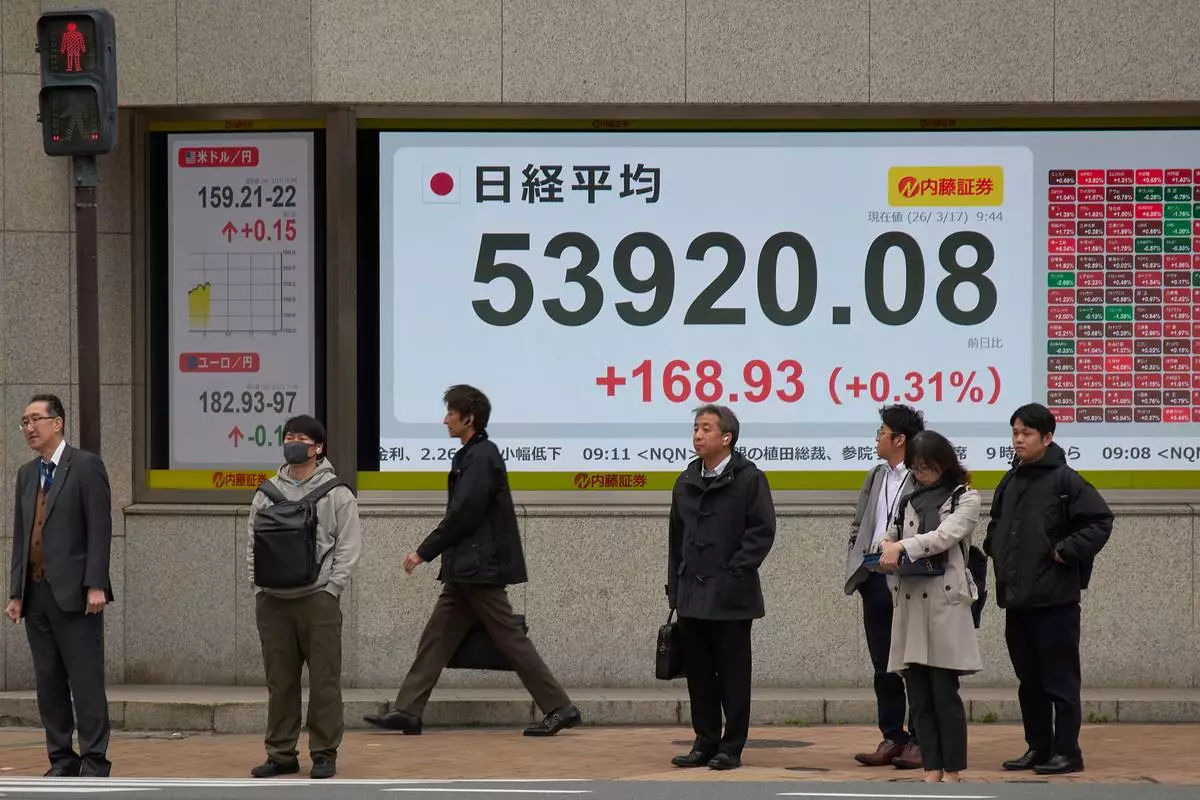
People stand in front of a stock price monitor showing Nikkei index at a security company Tuesday, March 17, 2026, in Tokyo. (AP Photo/Eugene Hoshiko)
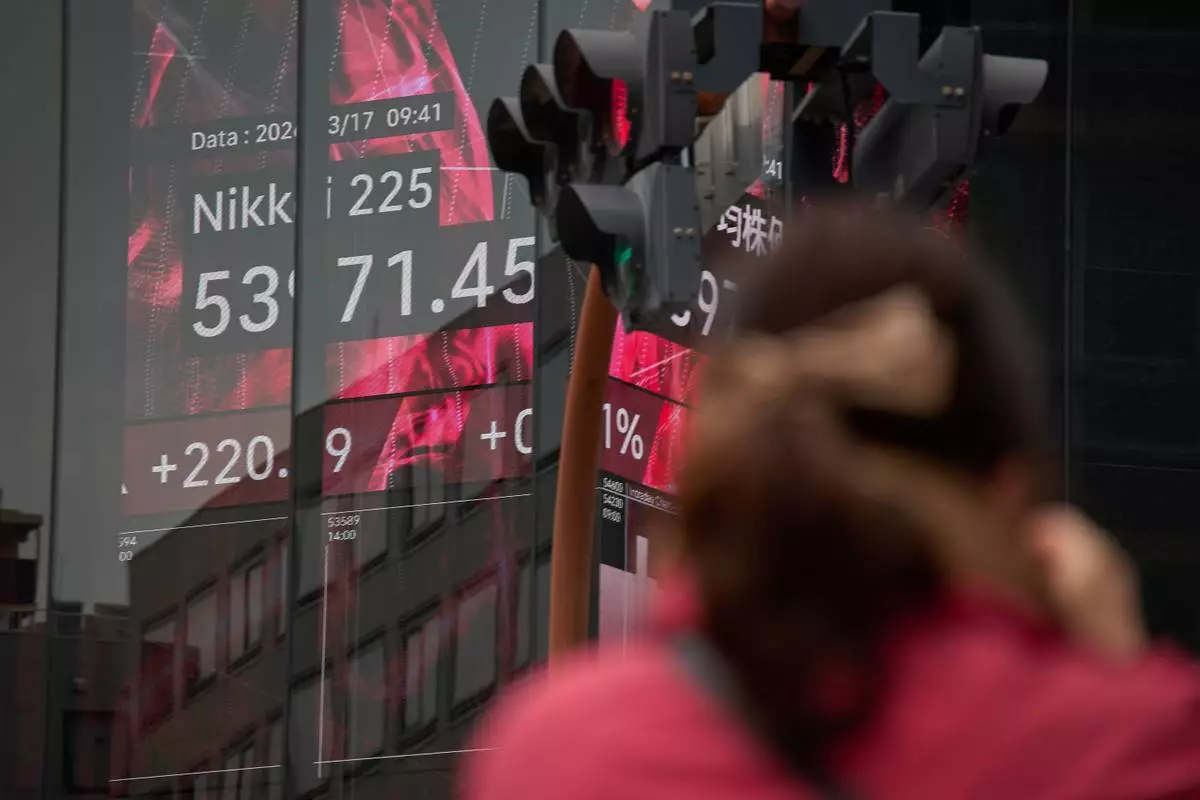
A person stands near a stock price monitor showing Nikkei 225 index at a security company Tuesday, March 17, 2026, in Tokyo. (AP Photo/Eugene Hoshiko)
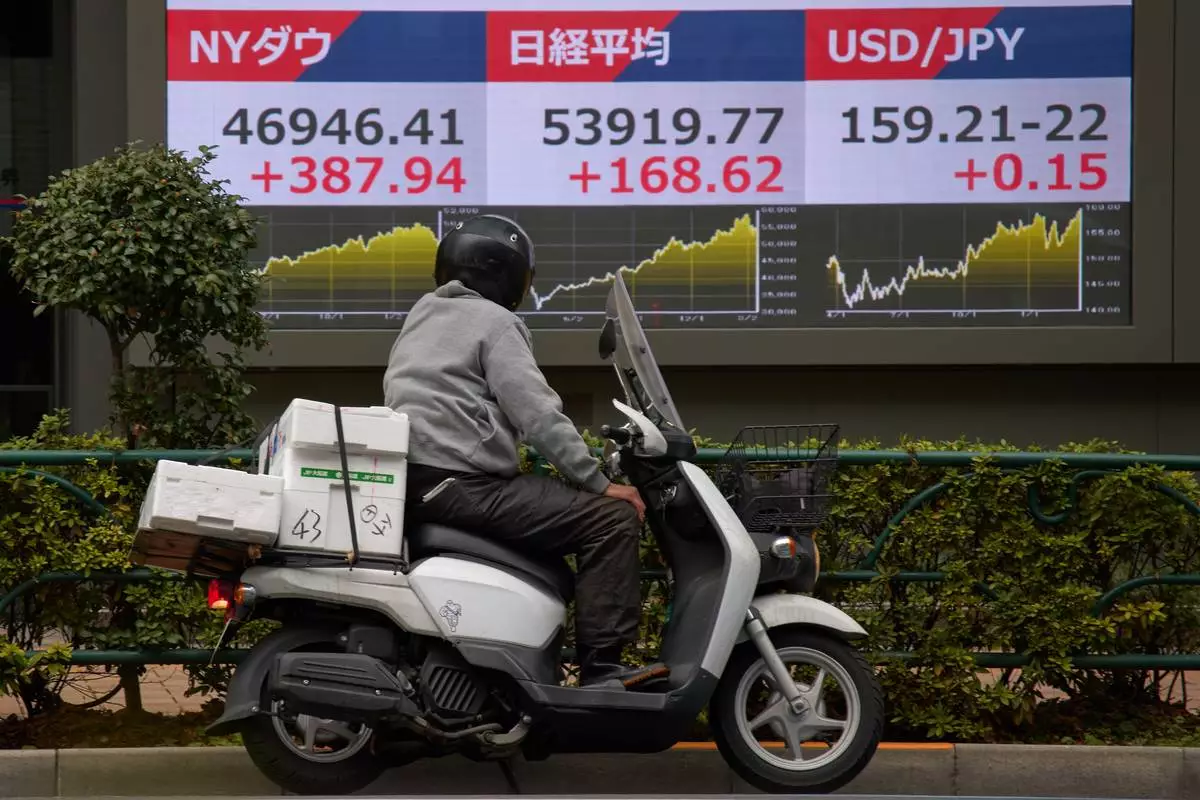
A person looks at a stock price monitor showing New York Dow and Nikkei indexes also US dollar Japanese yen exchange rate at a security company Tuesday, March 17, 2026, in Tokyo. (AP Photo/Eugene Hoshiko)
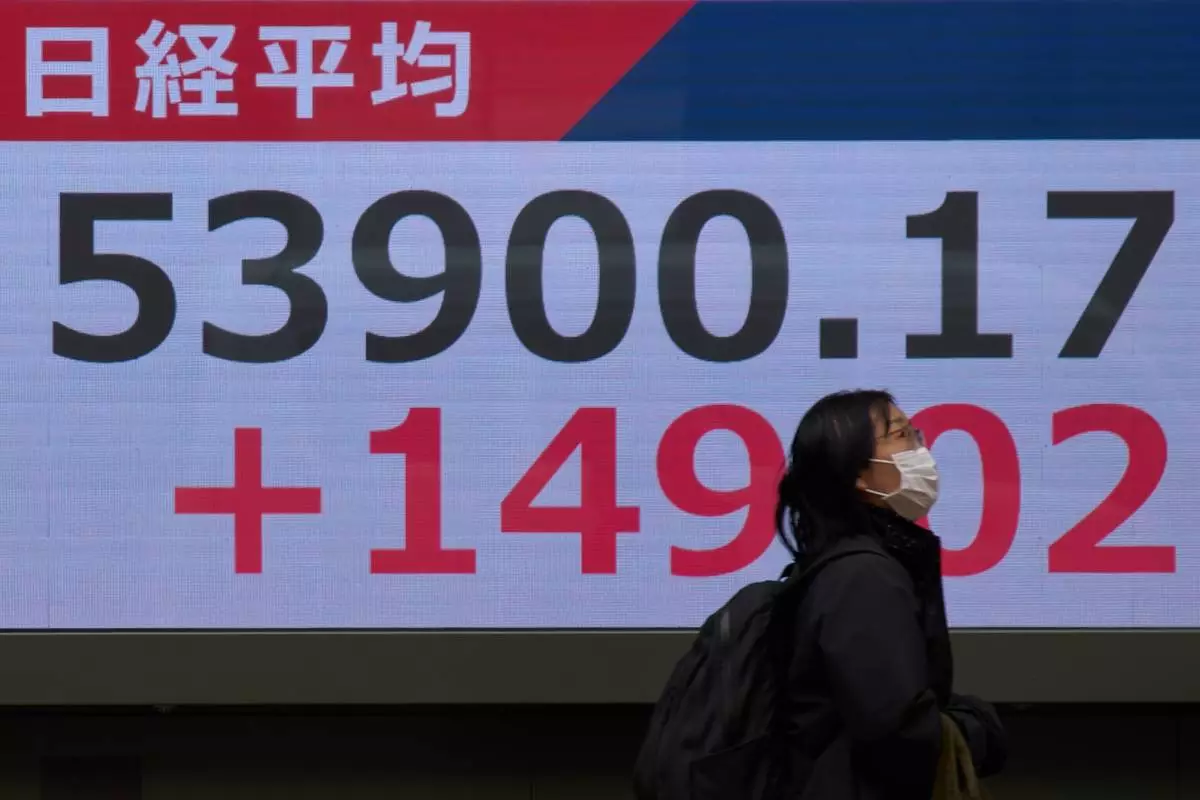
A person walks near a stock price monitor showing Nikkei index at a security company Tuesday, March 17, 2026, in Tokyo. (AP Photo/Eugene Hoshiko)