Incoming passenger convicted and jailed for possessing duty-not-paid cigarettes
An incoming female passenger was sentenced to 12 weeks' imprisonment and fined $3,000 by the Fanling Magistrates' Courts today (March 18) for possessing duty-not-paid cigarettes and failing to declare them to Customs officers, in contravention of the Dutiable Commodities Ordinance (DCO).
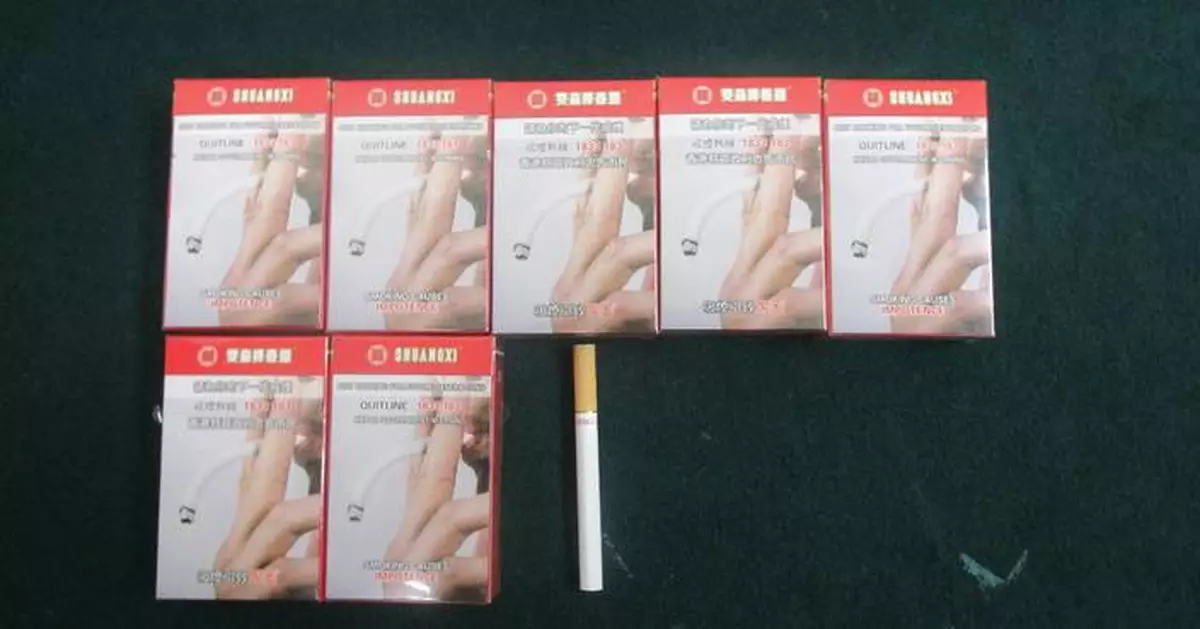
Customs officers intercepted the incoming 67-year-old female passenger at the Lok Ma Chau Spur Line Control Point yesterday (March 17) and seized 141 duty-not-paid cigarettes with an estimated market value of about $580 and a duty potential of about $470 from her personal baggage. She was subsequently arrested.
Customs welcomes the sentence. The custodial sentence has imposed a considerable deterrent effect and reflects the seriousness of the offences.
Customs reminds members of the public that under the DCO, cigarettes are dutiable goods to which the DCO applies. Any person who imports, deals with, possesses, sells or buys illicit cigarettes commits an offence. The maximum penalty upon conviction is a fine of $2 million and imprisonment for seven years.
Members of the public may report any suspected illicit cigarette activities to Customs' 24-hour hotline 182 8080 or its dedicated crime-reporting email account (crimereport@customs.gov.hk) or online form (eform.cefs.gov.hk/form/ced002).
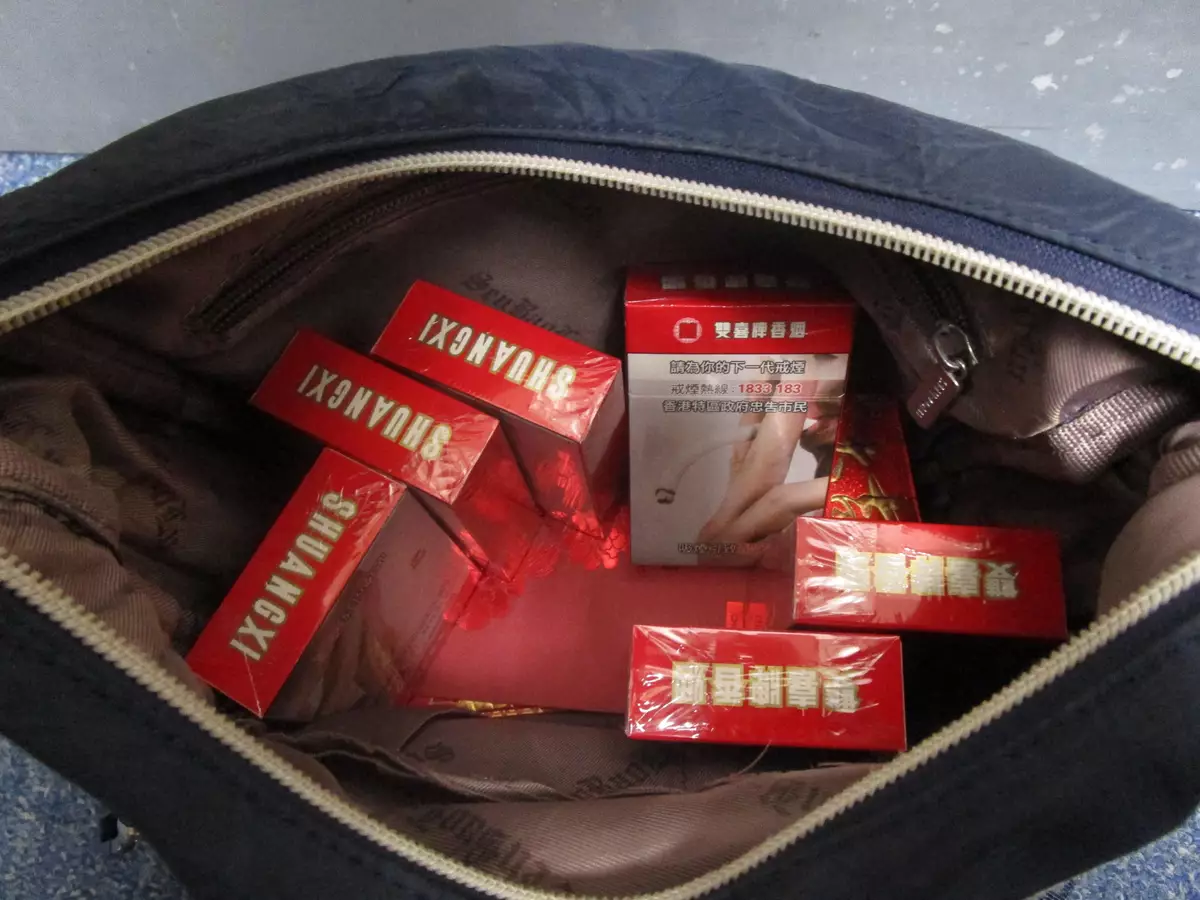
Incoming passenger convicted and jailed for possessing duty-not-paid cigarettes Source: HKSAR Government Press Releases
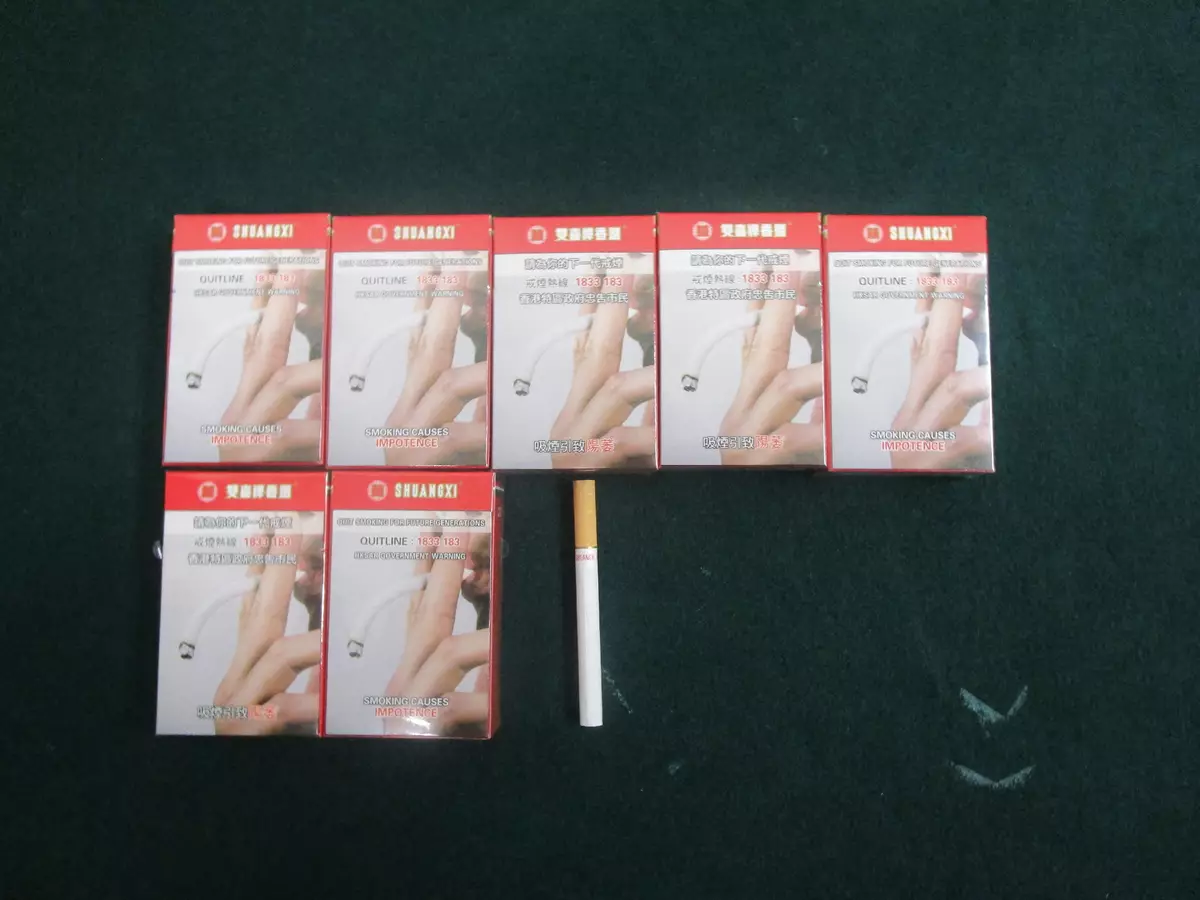
Incoming passenger convicted and jailed for possessing duty-not-paid cigarettes Source: HKSAR Government Press Releases
DH follows up on outbreak of invasive meningococcal disease in Kent, United Kingdom
The Centre for Health Protection (CHP) of the Department of Health today (March 18) is following up with the health authority in the United Kingdom (UK) about an outbreak of invasive meningococcal disease in Kent, the UK. The cluster involves 20 patients (as at 5pm, March 17, local time), two of whom have died, and some of the cases were confirmed to be infected by Group B meningococcus. The CHP reminds the public to maintain good personal and environmental hygiene at all times to minimise the risk of contracting invasive meningococcal disease.
Epidemiological investigations by the local health authority revealed that all those affected are young adults; some of them visited a local nightclub called "Club Chemistry" between March 5 and 7. The local health authority is conducting contact tracing and has provided preventive drugs to over 2 500 persons who visited the nightclub during the period and to those who were close contacts of the cases. Since some of the patients are students at the University of Kent, the university has also collaborated with the UK health authority to provide health advice and conduct contact tracing among its staff and students, as well as offering vaccinations to students who reside in campus halls.
The CHP has enquired with the UK health authority whether any persons who visited the nightclub during the relevant period were students from Hong Kong. No notification has been received so far. The CHP will maintain close liaison with the UK health authority to obtain the latest information.
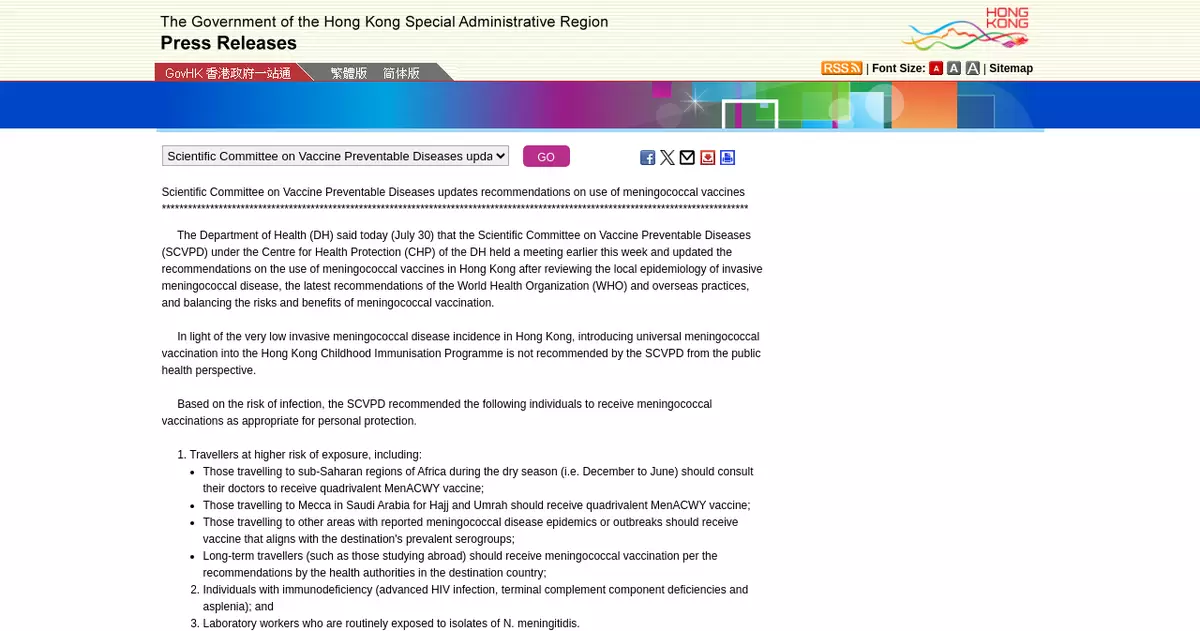
Meningococcal infection is a statutory notifiable disease in Hong Kong. The CHP has recorded three cases this year so far, all of which are sporadic. A total of 11 cases were recorded last year.
"According to overseas literature, there is a higher risk of transmission or outbreak of meningococcal infection in crowded settings including university or staff dormitories. The Scientific Committee on Vaccine Preventable Diseases (SCVPD) under the CHP last year reviewed the local epidemiology of invasive meningococcal disease, the recommendations of the World Health Organization and overseas practices. In light of the very low invasive meningococcal disease incidence in Hong Kong, the SCVPD did not recommend introducing universal meningococcal vaccination into the Hong Kong Childhood Immunisation Programme from the public health perspective. However, the SCVPDrecommendedhigh-risk individuals, including long-term travellers and those studying abroad, receive meningococcal vaccinations per the recommendations by the health authorities in the destination country to safeguard personal health," the Controller of the CHP, Dr Edwin Tsui, said.
Dr Tsui added that with the Easter holidays approaching, overseas students may return to Hong Kong. He reminded members of the public to seek medical advice as soon as possible if they develop symptoms of meningococcal infection. Travellers should seek professional advice from doctors for meningococcal vaccination. Doctors will take into account their age, health conditions, and details of their journeys (including destination, duration and activities) when giving vaccination advice.
Meningococcal infection is caused by a bacterium known as meningococcus. It is mainly transmitted by direct contact with respiratory secretions, including droplets from the nose and throat, of infected persons. Severe illness may result when the bacteria invade the bloodstream (meningococcaemia) or the membranes that envelop the brain and spinal cord (meningococcal meningitis). Meningococcaemia is characterised by a sudden onset of fever, an intense headache, purpura, shock and even death in severe cases. Meningococcal meningitis is characterised by high fever, severe headache, stiff neck followed by drowsiness, vomiting, fear of bright light, or rash; it can cause brain damage or even death.
To prevent meningococcal infection, Dr Tsui urged members of the public to take the following measures:
 Wash hands with liquid soap and water properly, especially when they are soiled by respiratory secretions, e.g. after sneezing, and clean hands with alcohol-based handrub when they are not visibly soiled;
Cover the nose and mouth when sneezing or coughing, hold the saliva with a tissue, dispose of nasal and mouth discharge in a lidded rubbish bin, and wash hands immediately;
Avoid crowded places;
Avoid close contact with patients who have a fever or severe headache;
Consult doctors about meningococcal vaccination before travelling to high-risk areas; and
Seek medical advice if you become ill after returning from high-risk areas, and discuss your recent travel history with your doctor.
Wash hands with liquid soap and water properly, especially when they are soiled by respiratory secretions, e.g. after sneezing, and clean hands with alcohol-based handrub when they are not visibly soiled;
Cover the nose and mouth when sneezing or coughing, hold the saliva with a tissue, dispose of nasal and mouth discharge in a lidded rubbish bin, and wash hands immediately;
Avoid crowded places;
Avoid close contact with patients who have a fever or severe headache;
Consult doctors about meningococcal vaccination before travelling to high-risk areas; and
Seek medical advice if you become ill after returning from high-risk areas, and discuss your recent travel history with your doctor.
The CHP will continue to monitor the situation to safeguard public health and the well-being of citizens. The public may also visit the CHP's website for more information on meningococcal infection.
Source: AI-found images