Iranian analysts have warned of wider global consequences if the United States was to launch further strikes on Iran's Kharg Island after an earlier attack sent shockwaves through global energy markets as concerns mount over the closure of the vital Strait of Hormuz shipping route.
The U.S. struck military facilities on Kharg Island, Iran's primary oil export terminal, last Friday. The island, home to fewer than 10,000 people, is inhabited mainly by oil industry workers and military personnel.
Following the attack, U.S. President Donald Trump stated that only military sites and facilities had been targeted, but then claimed the initial strikes had "totally demolished" much of Kharg Island before telling a U.S. media outlet that: "We may hit it a few more times just for fun."
Trump later warned that strikes on Kharg would not be limited to military installations if Iran continues to block the strategic Strait of Hormuz, a key waterway through which at least 20 percent of the world's oil passes.
The closure of the strait has sent global crude prices surging into triple-digit territory, while rising natural gas prices are also piling pressure on the Trump administration as the scale of the war in the Middle East widens.
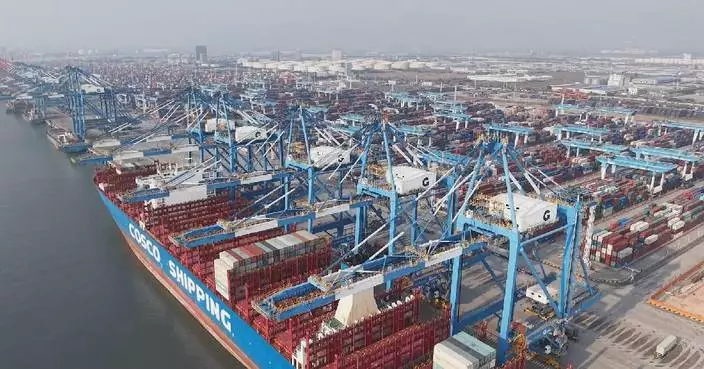
Moreover, the disruption extends beyond fossil fuels, as a significant volume of non-oil commodities transiting the Strait have also been affected by the current crisis.
"Iran alone exports or imports 20 million tons of commodities per month through the Persian Gulf. Given around 80 million tons of commodities are being traded by other countries in the Persian Gulf, some 100 million tons of non-fossil commodities pass through the Strait of Hormuz per month," said Saeed Laylaz, an Iranian economist.
But while these nations and their global trading partners suffer, Laylaz pointed out Iran does have another outlet via the coastal port city of Jask, which lies further towards the Gulf of Oman and bypasses the strait altogether.
"Iran has Jask seaport outside the Strait of Hormuz. Jask is capable of exporting 1 to 1.5 million barrels of oil per day," he said.
Another Iranian analyst warned that any more moves by the U.S. to punish Iran by hitting its oil and gas infrastructure would only result in the entire global energy sector being negatively impacted.
"If they bring the war into the energy infrastructure, Iran will attack all the ports, American companies and banks in the Arab neighbors. If they commit such a mistake, they will create room for wider action by Iran," said defense analyst Hossein Kanani Moghaddam.
The conflict, which was sparked by joint U.S.-Israeli attacks on Iran starting Feb 28 and a wave of retaliatory strikes by the Iranian side on targets in various countries across the region, is already beginning to have a growing global impact as it approaches the end of its third week.
Oil prices have skyrocketed amid the latest developments and the International Monetary Fund has warned that a 10-percent rise in global crude oil prices could increase global inflation by 0.4 percent.
Brent crude, the international benchmark, rose to above 116 dollars per barrel in early trading on Thursday, but Moghaddam warned that far worse could yet be to come.
"Increased risks of insurance fees, together with big demurrage due to the stoppage of tankers in the Persian Gulf could push oil prices above 200 U.S. dollars per barrel very soon," said the analyst.
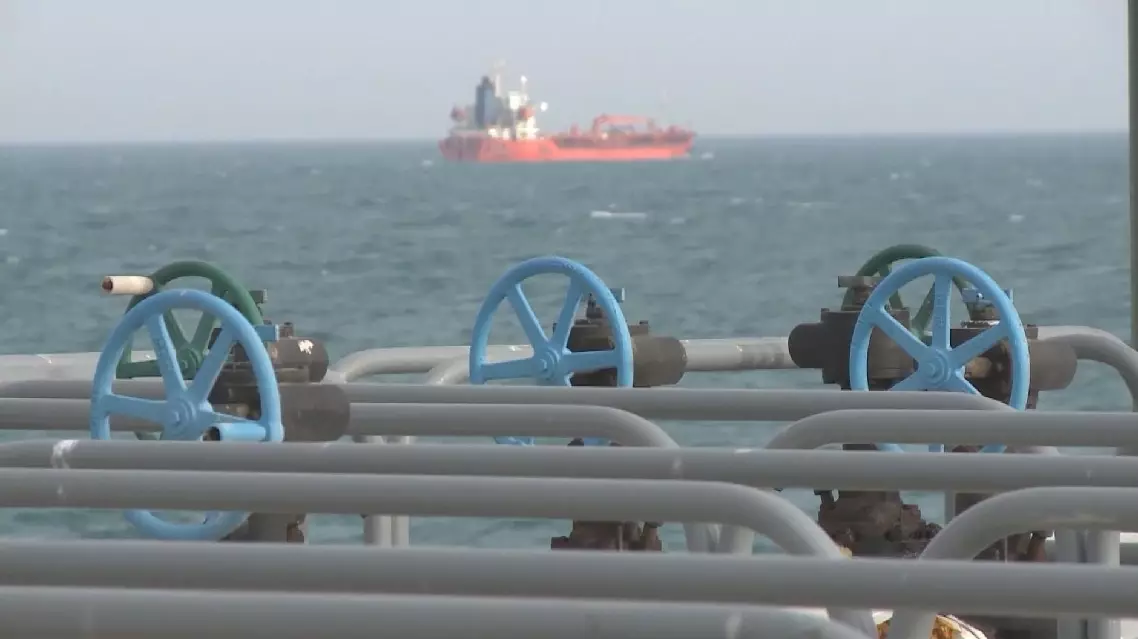
Iranian analysts warn of wider global consequences if further US attacks on Kharg Island