LOUISVILLE, Ky. (AP) — Here is a timeline of events that began with the death of Breonna Taylor, a Black woman who was killed by police in her home in Louisville, Kentucky:
— March 13, 2020: Officers serving a narcotics warrant fatally shoot Taylor in her home.
— March 13, hours later: Police announce the arrest of Taylor's boyfriend, Kenneth Walker, in the wounding of an officer during an exchange of gunfire; Taylor is left unidentified at the news conference, described as “an unresponsive woman who was later pronounced dead.”
— March, April, 2020: The shooting stays out of the headlines as the COVID-19 pandemic spreads in the U.S.
— April 27, 2020: Taylor’s family files wrongful death lawsuit against police department and city, challenging the police narrative.
— May 22, 2020: Prosecutors announce they will drop attempted murder charges against Walker, who shot at officers in his girlfriend’s home.
— May 28, 2020: Walker’s anguished 911 call is released, three days after the death of George Floyd at the hands of police in Minnesota, sparking large protests in Louisville.
— May 29, 2020: Mayor Greg Fischer suspends use of no-knock warrants by Louisville police.
— June 1, 2020: Fischer fires Police Chief Steve Conrad after officers failed to turn on body cameras in the shooting of barbecue cook David McAtee during protests in Louisville.
— June 11, 2020: Louisville Metro Council unanimously passes “Breonna’s Law,” which bans use of no-knock warrants.
— June 23, 2020: Officer Brett Hankison, one of three officers who fired shots the night of Taylor’s death, is fired for “blindly” firing into Taylor’s apartment.
— Sept. 15, 2020: City announces civil settlement providing Taylor’s family with $12 million and promising police reforms.
— Sept. 23, 2020: A Kentucky grand jury indicts Hankison for shooting into neighboring apartments, but did not charge any officers for their role in Taylor’s death.
— April 26, 2021: Attorney General Merrick Garland announces a Justice Department probe into policing in Louisville over Taylor's death.
— March 3, 2022: Former Kentucky police detective Brett Hankison is acquitted of state charges that he endangered neighbors when he fired into Taylor’s apartment during a botched drug raid that resulted in Taylor’s death.
— Dec. 12, 2022: Walker settles two lawsuits against the city of Louisville. The city agrees to pay $2 million to settle lawsuits filed by Walker in federal and state courts.
— March 8, 2023: The U.S. Justice Department finds Louisville police engaged in a pattern of violating constitutional rights and discrimination against the Black community following an investigation prompted by Taylor's death.
— Nov. 16, 2023: Jurors fail to reach a unanimous verdict on federal civil rights charges in the trial of Hankison, who was charged in the police raid that killed Taylor. The judge declares a mistrial.
— Dec. 13, 2023: Federal prosecutors tell a judge they intend to retry Hankison.
— Aug. 23, 2024: A federal judge throws out felony charges against two former Louisville officers, Joshua Jaynes and Kyle Meany, who were accused of falsifying a warrant that led police to Taylor’s door before they fatally shot her.
— Oct. 1, 2024: Federal prosecutors file a new indictment against Jaynes and Meany.
— Nov. 2, 2024: A federal jury convicts Hankison of using excessive force on Taylor during a botched 2020 drug raid that left her dead. It's the first conviction of a Louisville police officer who was involved in the deadly raid.
— Dec. 12, 2024: The Justice Department and the city of Louisville reach an agreement to reform the city’s police force after an investigation prompted by Taylor's death.
— May 21, 2025: The Department of Justice, now under President Donald Trump's administration, moved to cancel the police reform agreement with Louisville, in addition to a settlement with Minneapolis and investigative findings into six other police departments that President Joe Biden's administration had accused of civil rights violations.
— July 21, 2025: A federal judge sentences Hankison to 33 months in prison, rebuffing a Department of Justice recommendation of no prison time.
— Aug. 20, 2025: A federal judge throws out felony charges in the new indictment against Jaynes and Meany.
— Nov. 17, 2025: The Department of Justice argues to the 6th U.S. Circuit Court of Appeals that Hankison should serve no prison time.
— Dec. 31, 2025: A federal judge dismisses the proposed Louisville police reform agreement with the Department of Justice.
— March 20, 2026: The Department of Justice files a motion to dismiss the criminal case against Jaynes and Meany.
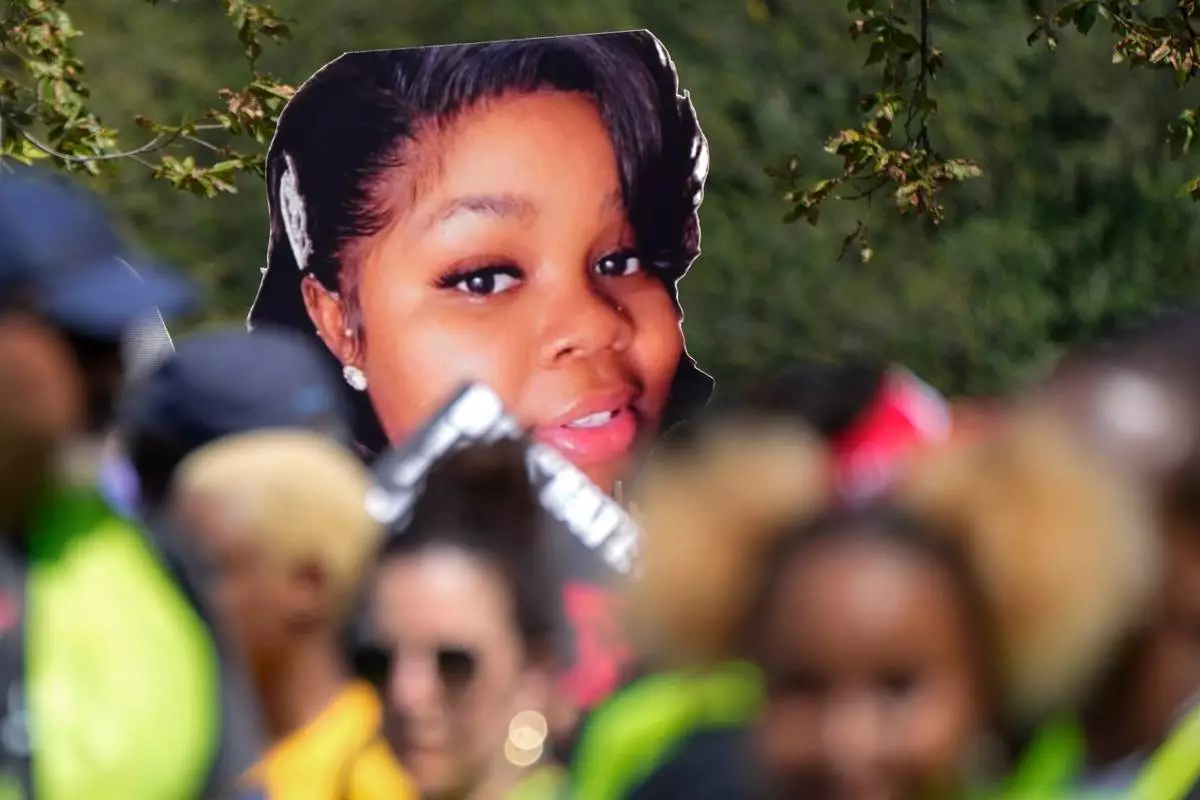
FILE - An image of Breonna Taylor, a 26-year-old Black woman who was fatally shot by police in her Louisville, Ky., apartment, is seen as people march to honor the 60th Anniversary of the March on Washington, Saturday, Aug. 26, 2023, in Washington. (AP Photo/Jacquelyn Martin, File)