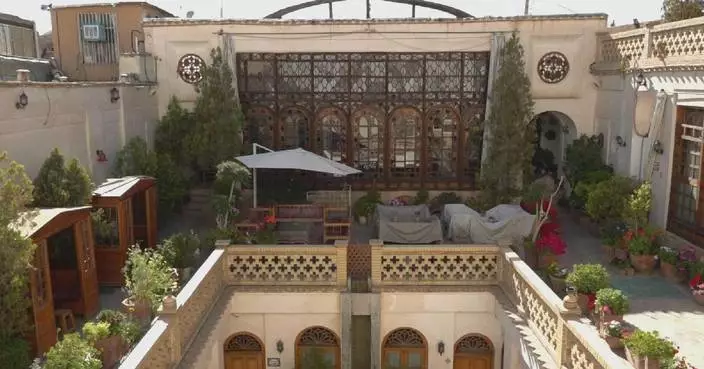
A folk culture week opened Friday in Togtoh County of north China’s Inner Mongolia, celebrating the thawing Yellow River with vibrant cultural performances and fish dishes that drew hundreds of visitors.
The fair is part of Inner Mongolia's broader push to boost rural tourism and showcase cultural heritage, with officials stressing the importance of promoting local specialties and folk traditions as part of China’s rural revitalization strategy.
The biggest highlight of this year’s folk culture week was the food, about 1,500 kilograms of Yellow River carp simmered with local chili peppers and fennel in eight large pots, a seasonal delicacy that drew crowds eager to savor the taste of spring.
Visitors said the dishes are a major reason they return each year.
"I come to take part in the annual folk culture week. I think Togtoh's fish is delicious because the fish is good, and the chili peppers are good too," said Ms. Ma, a visitor.
The celebration also highlighted the Yellow River's role as China's "Mother River" and cradle of Chinese civilization. Originating in Qinghai Province and running through nine provinces and autonomous regions before emptying into the Bohai Sea, the river has nurtured generations and remains central to cultural identity and national development goals.
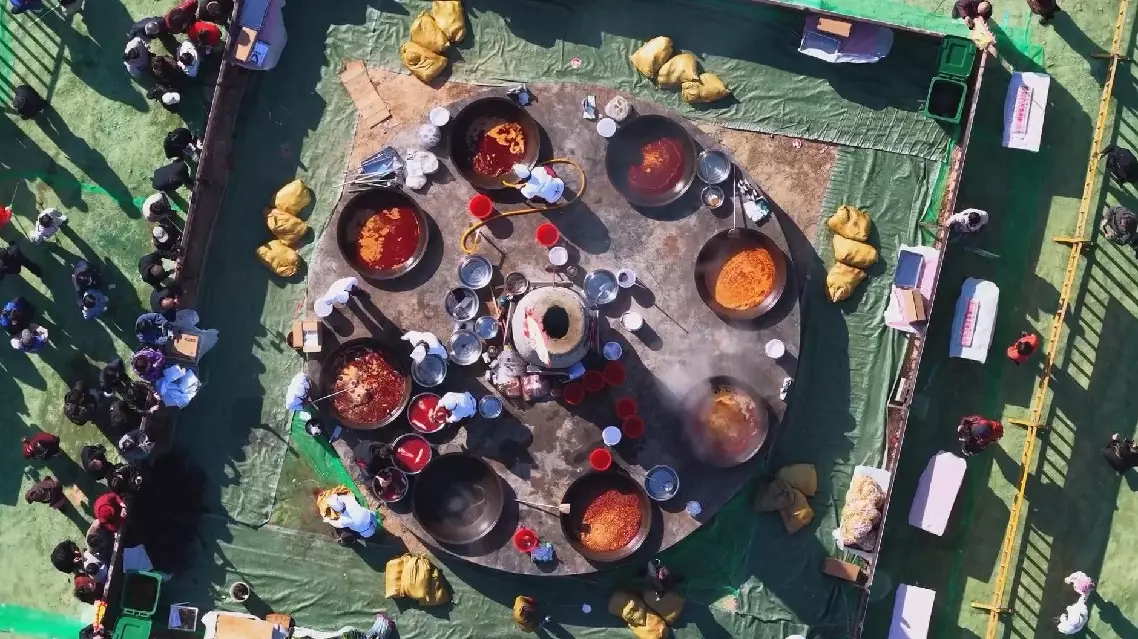
Folk culture week opens in Inner Mongolia, draws visitors to Yellow River feast
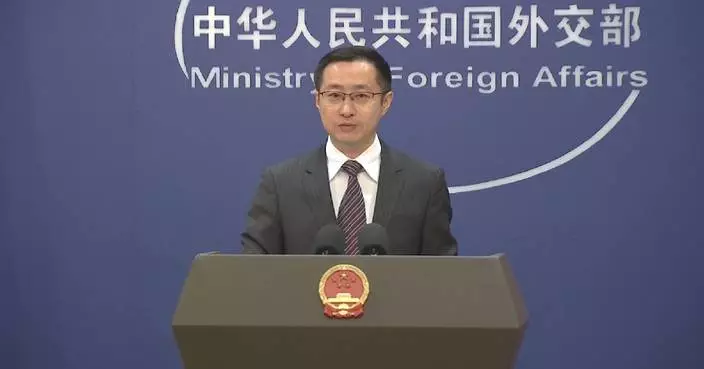
China's development has never been a "threat" to anyone but the source of growth advancing common development of all countries, Foreign Ministry spokesman Lin Jian said at a regular press conference in Beijing on Friday.
Some Western media and think tanks are peddling so-called "China Shock 2.0," saying that "China is achieving fast development in high-tech sectors such as renewable energy and AI and relies on foreign markets to absorb its overcapacity, thus reducing the market share of developed countries and sending more serious shock waves to the global economy compared with the era of traditional manufacture industry," while there are foreign commentators saying that the "China Shock 2.0" argument ignores the genuine innovation occurring within the Chinese industrial ecosystem and that Chinese export is the exact booster of the global economy that is needed in the turbulent period and more indispensable than ever.
Commenting on that, Lin said: "From the world's factory to the world's market and innovation powerhouse, China's development is achieved through strong performance driven by innovation and brings tangible cooperation opportunities and space to the world. High-quality Chinese products represented by the 'old three' of textiles, furniture and home appliances have stabilized the global industrial and supply chain, lowered the living cost of global consumers and eased the inflationary pressure worldwide. China's green production capacity represented by the 'new three' of electric vehicles, batteries and solar panels has bridged the gap between supply and demand in global green development and bolstered the global energy transition and low-carbon development. Moreover, China's high-tech products represented by the 'new new three' of robots, AI and innovative drugs have broken high-tech barriers and monopoly and enabled people in more countries to access affordable new technologies," said the spokesman.
"Openness and cooperation bring about progress and win-win result. China's development has never been a 'threat' to anyone but the source of growth advancing common development of all countries. What really creates 'shocks' to the world has never been the innovation of Chinese companies and efficiency of Chinese industrial capacity, but protectionist moves of setting up barriers, decoupling and severing industrial and supply chains. China will stay committed to high-standard opening up, defend the multilateral trading system and provide more certainty and new impetus to the world economy with its own steady development," said Lin.
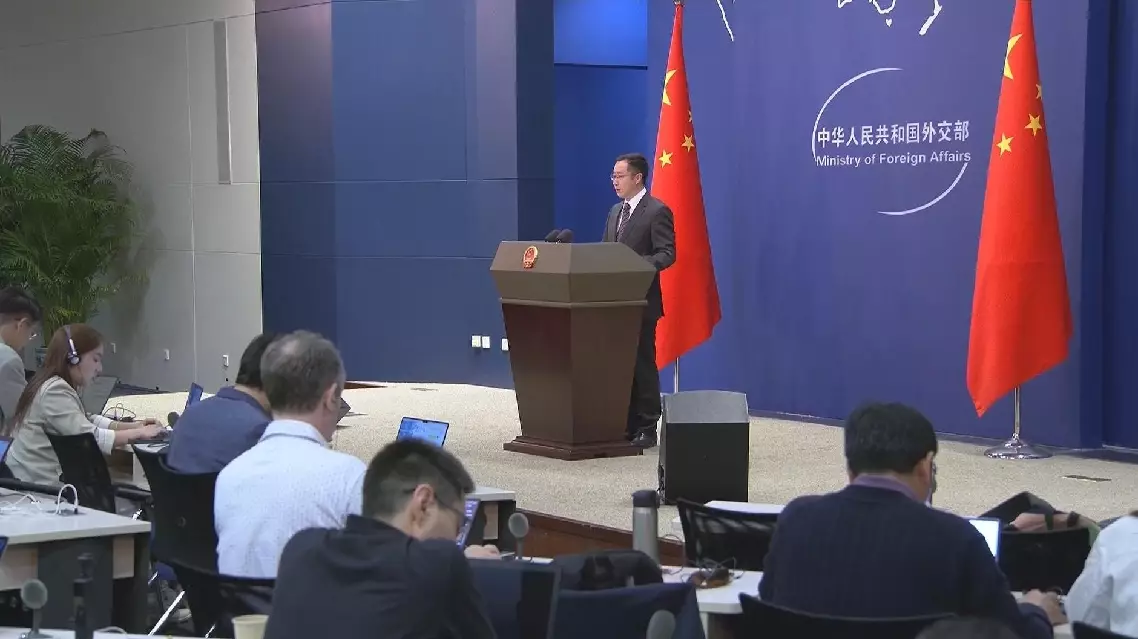
China's development never a threat: FM spokesman