A dramatic plunge in gold prices, marking the largest single‑week drop since 1983, has triggered a buying frenzy in Shenzhen, south China.
At Shuibei market, the city's gold jewelry manufacturing and trading hub often seen as a barometer for China's bullion retail sector, consumers crowded counters to seize bargains amid the steep decline.
Gold futures on the COMEX division of the New York Mercantile Exchange on Friday dropped by over 3 percent to below 4,500 U.S. dollars per ounce, while silver futures plummeted nearly 7 percent to below 68 dollars per ounce.
Market analysts said that although geopolitical risks should have been beneficial to precious metals, rising oil prices reignited expectations of accelerated inflation. Additionally, cooling expectations for a Federal Reserve rate cut caused precious metal prices to fall against intuition.
The gold price slump in 1983 stemmed from oil-producing countries selling gold to obtain foreign exchange amid falling oil prices. That episode shocked investors by showing how macroeconomic forces could override gold's safe-haven appeal, a dynamic echoed in today's market.
In Shenzhen, the impact has been immediate. Local jewelers reported that prices fell by about 200 yuan per gram since the start of March, including a 100‑yuan drop this week alone.
"From the beginning of March to March 20, the price dropped by about 200 yuan per gram. This week alone, it has dropped by about 100 yuan per gram. The decline this week has been relatively significant," said Ma Shiying, the manager of a jewelry store.
After a week of consecutive price drops, consumer enthusiasm has surged. Managers at several gold shops reported that foot traffic this weekend increased by about 30 percent compared to the previous week.
Many buyers traveled specifically to the market to take advantage of the lower prices, with some consumers, who are planning to get married during the May Day holiday, purchasing traditional "three gold" or "five gold" wedding sets ahead of schedule due to the price drop.
"I am buying this for my wedding, so I opted for heavier pieces. I flew here specially from Beijing because the gold price dropped significantly last week," said Wang, a consumer.
"We are selling more bracelets, necklaces and more rings. March itself is considered the off-season, but due to the recent price adjustment, our customer flow has been higher compared to the same period last year," said Chen Zefeng, the manager of another jewelry store.
Market observers note that volatility in global bullion prices may continue, with traders watching U.S. monetary policy, oil prices, and currency movements for further signals.
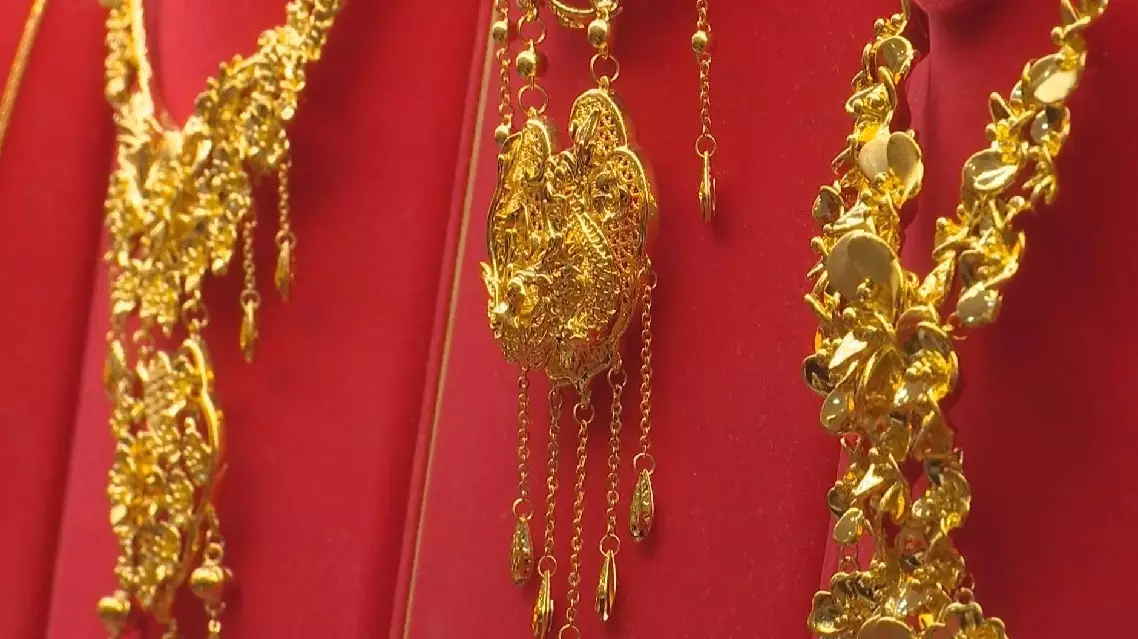
Gold's biggest weekly drop since 1983 fuels Shenzhen buying spree
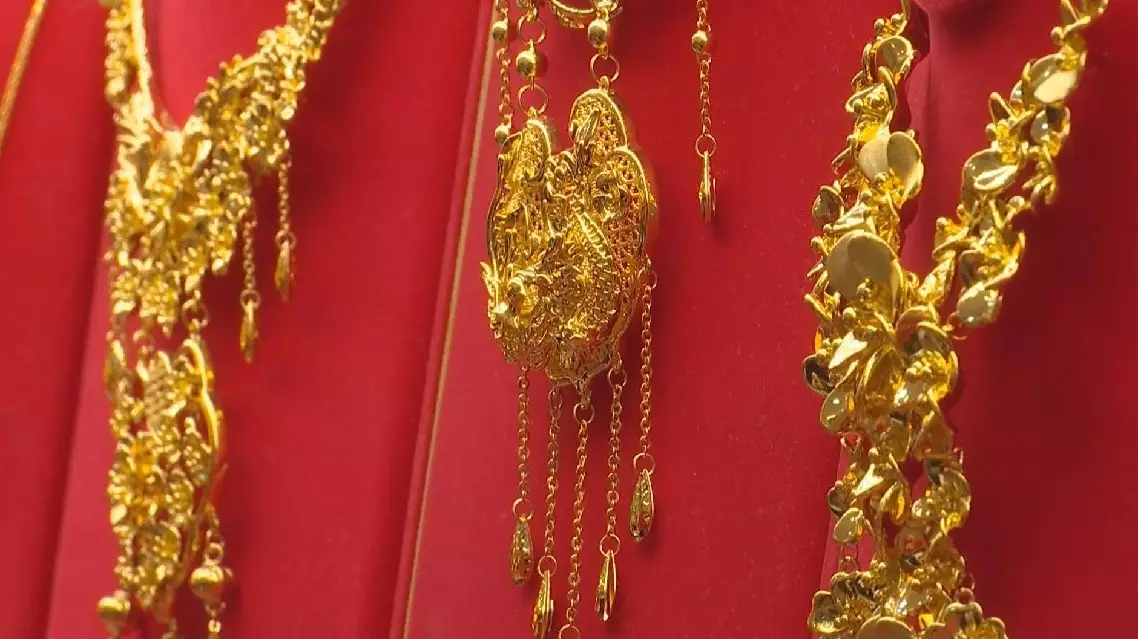
Gold's biggest weekly drop since 1983 fuels Shenzhen buying spree
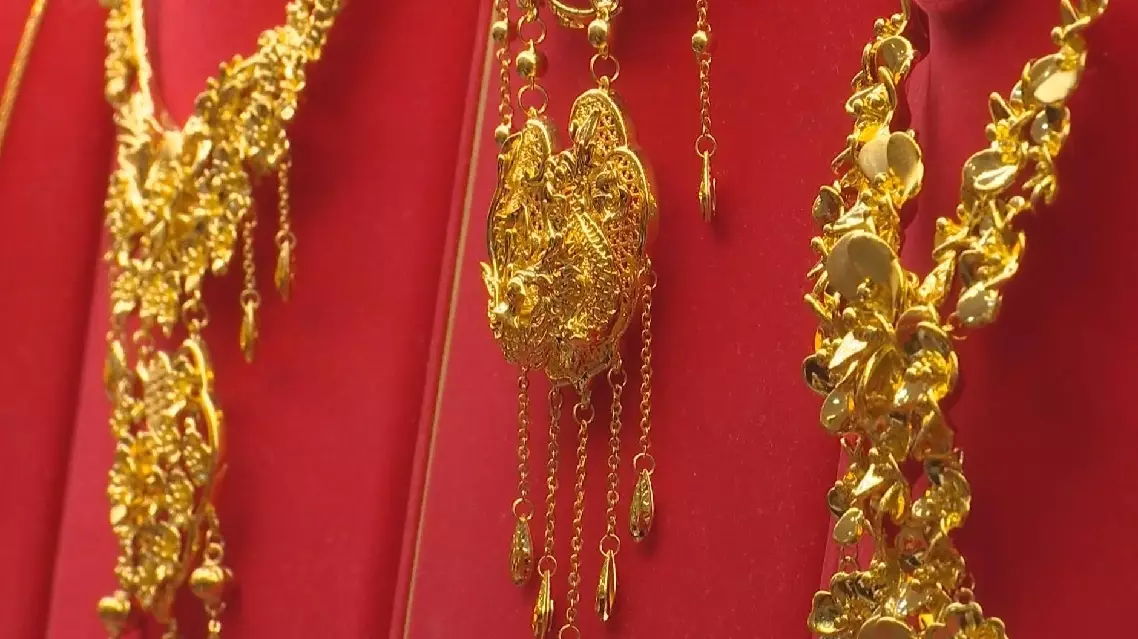
Gold's biggest weekly drop since 1983 fuels Shenzhen buying spree