PARIS (AP) — French former Prime Minister Lionel Jospin, who gave France its 35-hour work week and then withdrew from politics after leading France’s Socialist Party to an earth-shaking presidential election defeat against far-right firebrand Jean-Marie Le Pen, has died. He was 88.
His death was confirmed by the current prime minister, Sébastien Lecornu, after the national news agency, Agence France-Presse, reported that Jospin died on Sunday, citing his family.
Click to Gallery
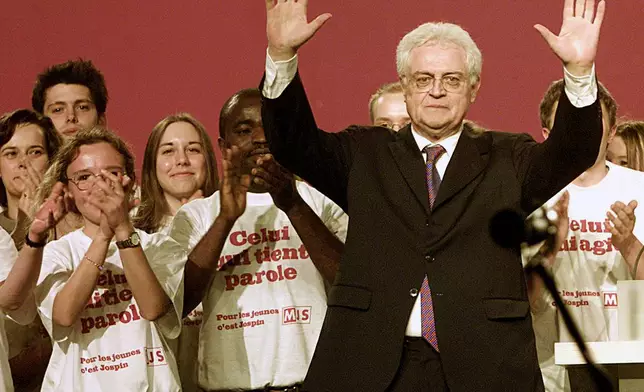
FILE - French Prime Minister and socialist presidential candidate Lionel Jospin, right, surrounded by young supporters, waves at the end of a campaign meeting in Rennes, western France, Wednesday April 17, 2002. (AP Photo/Franck Prevel, File)
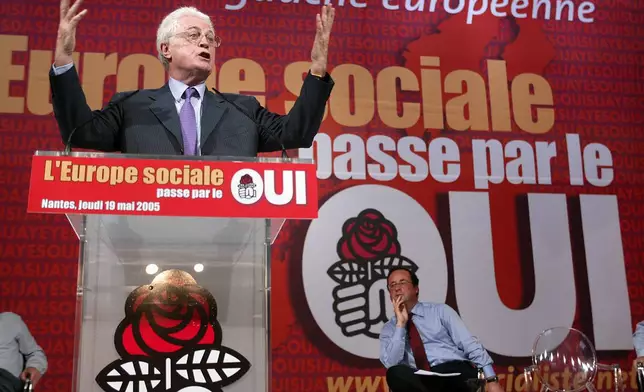
FILE - Former French Prime Minister Lionel Jospin gestures as he delivers his speech at a meeting calling for the "yes" vote in the referendum on the EU Constitution in Nantes, western France, Thursday May 19, 2005. (AP Photo/Franck Prevel, File)
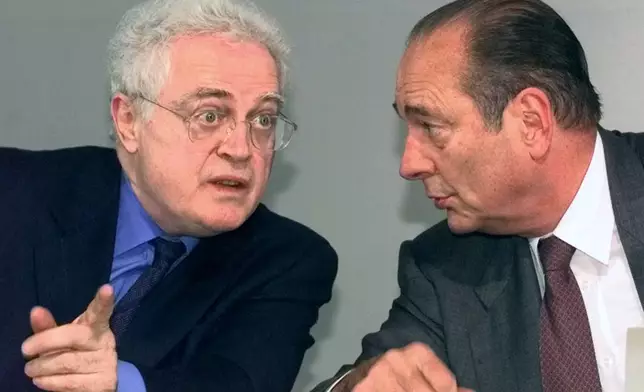
FILE - French Prime Minister Lionel Jospin, left, and French President Jacques Chirac, during a news conference at the EU summit in Luxembourg on Saturday December 13, 1997. (AP Photo/Laurent Rebours, File)
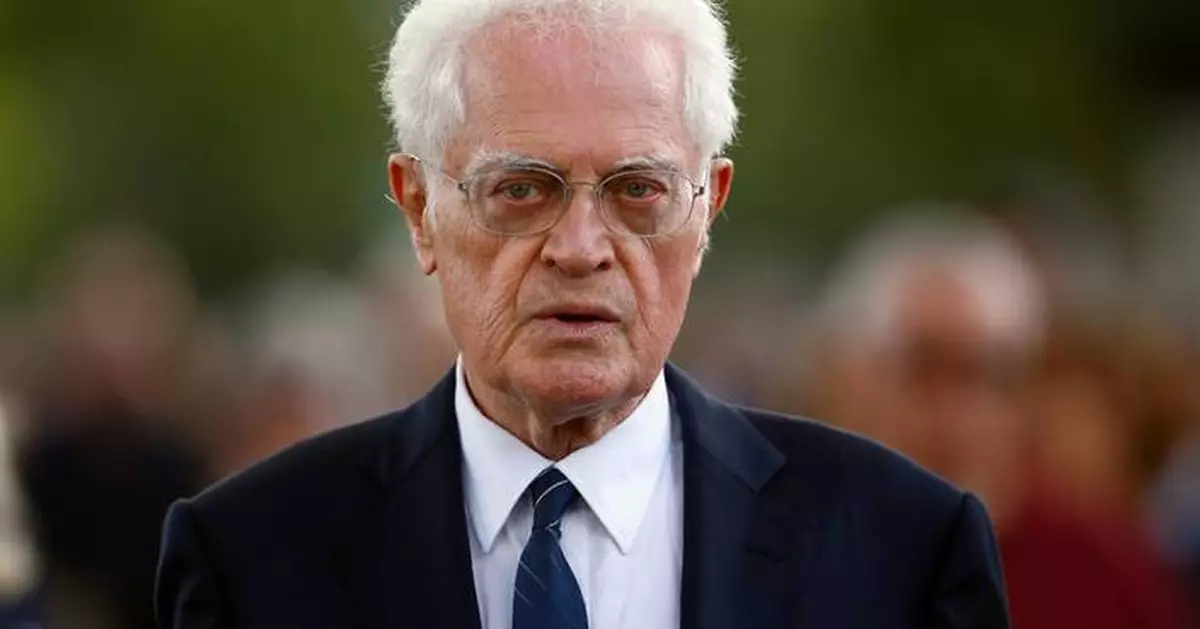
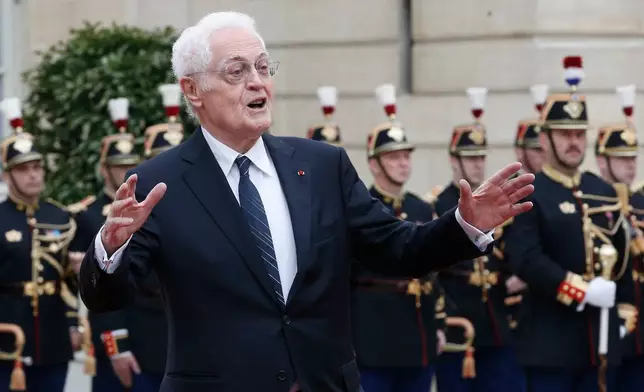
FILE - Former French Prime Minister Lionel Jospin arrives at the Elysee Palace Sunday, May 14, 2017 in Paris. (AP Photo/Thibault Camus, File)
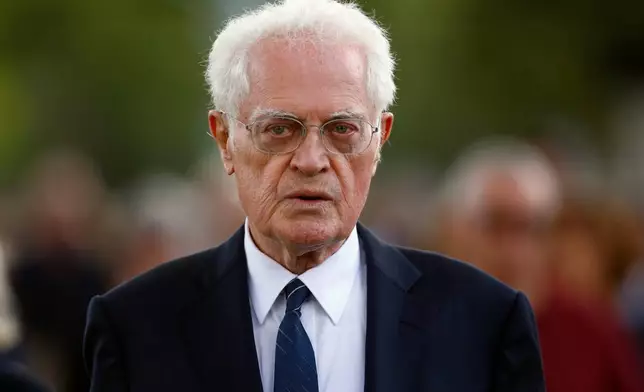
FILE - French former Prime minister Lionel Jospin attends a ceremony for the funeral of French designer Sonia Rykiel at Montparnasse cemetary in Paris, Wednesday, Sept. 1, 2016. (AP Photo/Francois Mori, File)
Lecornu said in a post on X that Jospin “served France with constancy, rigor and a sense of responsibility” and that “his actions, guided by a certain vision of social progress and republican values, leave a lasting mark and a model of commitment.”
A tousle of white curls and thick-rimmed glasses gave Jospin the trappings of the economics professor he was before being unexpectedly named as head of the Socialist Party in 1981 by newly elected President Francois Mitterrand.
Untarnished by allegations of corruption, Jospin re-established credibility for the Socialists after bribery and fraud scandals led to their downfall in the 1993 parliamentary elections.
He became prime minister in 1997, holding the post until 2002, leading a broad left-wing government under French conservative President Jacques Chirac in a power-sharing arrangement dubbed “cohabitation.”
As prime minister, Jospin resisted shifting the French left toward free-market reforms embraced at the same time in Britain.
He enacted France’s parity law, required political parties to field the same number of male and female candidates in national elections, installed civil unions for LGBTQ+ and straight couples and lowered the work week from 39 hours to 35 hours, hailed as a social breakthrough by supporters but criticized by opponents as a shackle for the economy.
Jospin never embraced his role as a public figure, hampered by a restrained personality that grew even stiffer in front of cameras.
He abandoned politics after his shocking loss to Le Pen in the first round of presidential voting in 2002.
The polarizing Le Pen qualified for the second-round runoff against Chirac, the incumbent and first-round winner, by a whisker, relegating Jospin to third place. Le Pen and Jospin both got more than 16% of the vote but Le Pen's nearly 200,000 vote-advantage over Jospin saw him advance to round two, in a triumph for the anti-immigration founder of the far-right National Front and a body blow for Le Pen's opponents.
Determined to keep Le Pen out of the presidential Elysee Palace, voters rallied around Chirac in the runoff, who won a second term by a landslide.
Jospin was born July 12, 1937, the son of a midwife who, according to family lore, used the works of Voltaire to raise her pelvis while she was in labor.
“She believed I would have the spirit of Voltaire,” he said.
Jospin said his childhood memories of Nazi-occupied Paris tinged his outlook into adulthood.
“I have the memory of the importance of silence. If you weren’t quiet, you ran the risk of putting people in danger. Certainly in political life I've retained a certain horror of talkativeness,” he said.
He grew up in a Protestant family and attended the prestigious Ecole d'Administration Nationale, alma mater to a disproportionate share of French leaders and intellectuals.
Like many people in Paris and beyond, he got caught up in the left-wing protests of 1968. He was close to Trotskyists before joining the Socialist Party.
Despite mellowing over time, Jospin never lost his wariness of the free market, keeping his trademark phrase: “Yes to the market economy, no to a market society.”
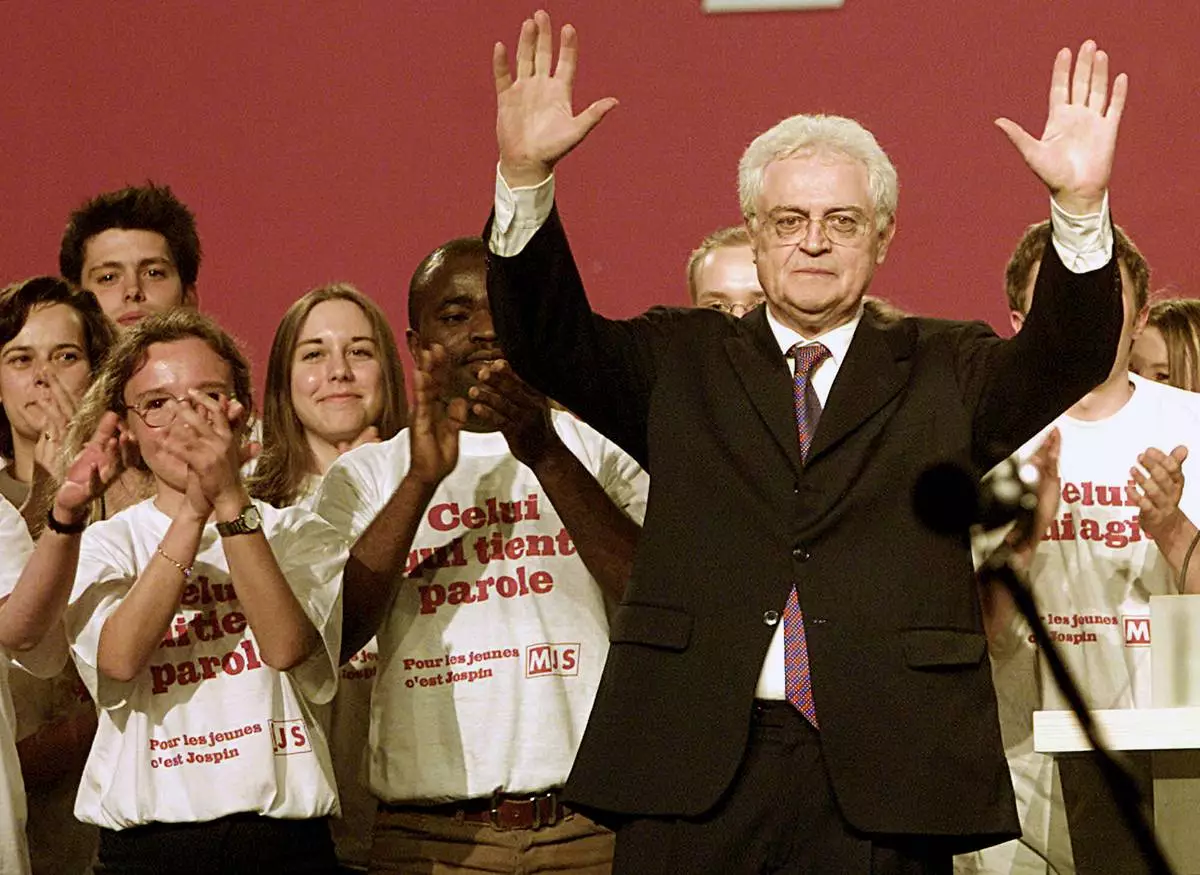
FILE - French Prime Minister and socialist presidential candidate Lionel Jospin, right, surrounded by young supporters, waves at the end of a campaign meeting in Rennes, western France, Wednesday April 17, 2002. (AP Photo/Franck Prevel, File)
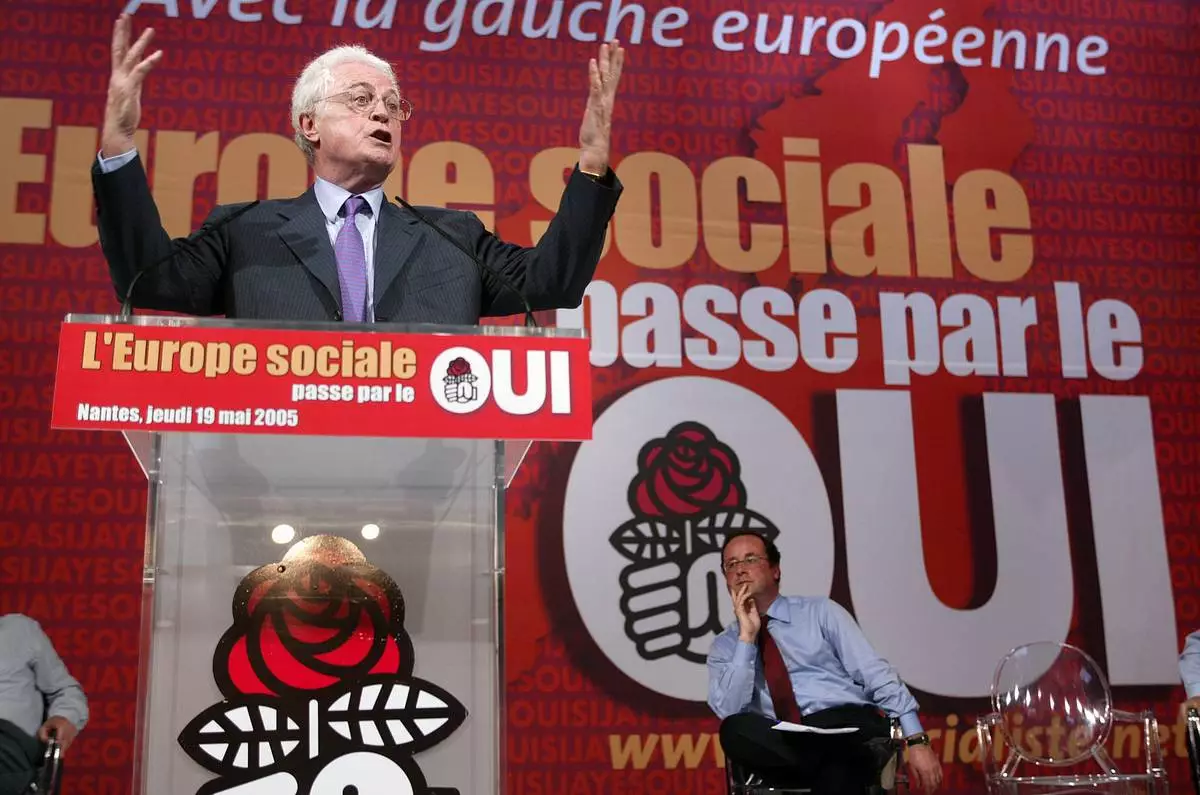
FILE - Former French Prime Minister Lionel Jospin gestures as he delivers his speech at a meeting calling for the "yes" vote in the referendum on the EU Constitution in Nantes, western France, Thursday May 19, 2005. (AP Photo/Franck Prevel, File)
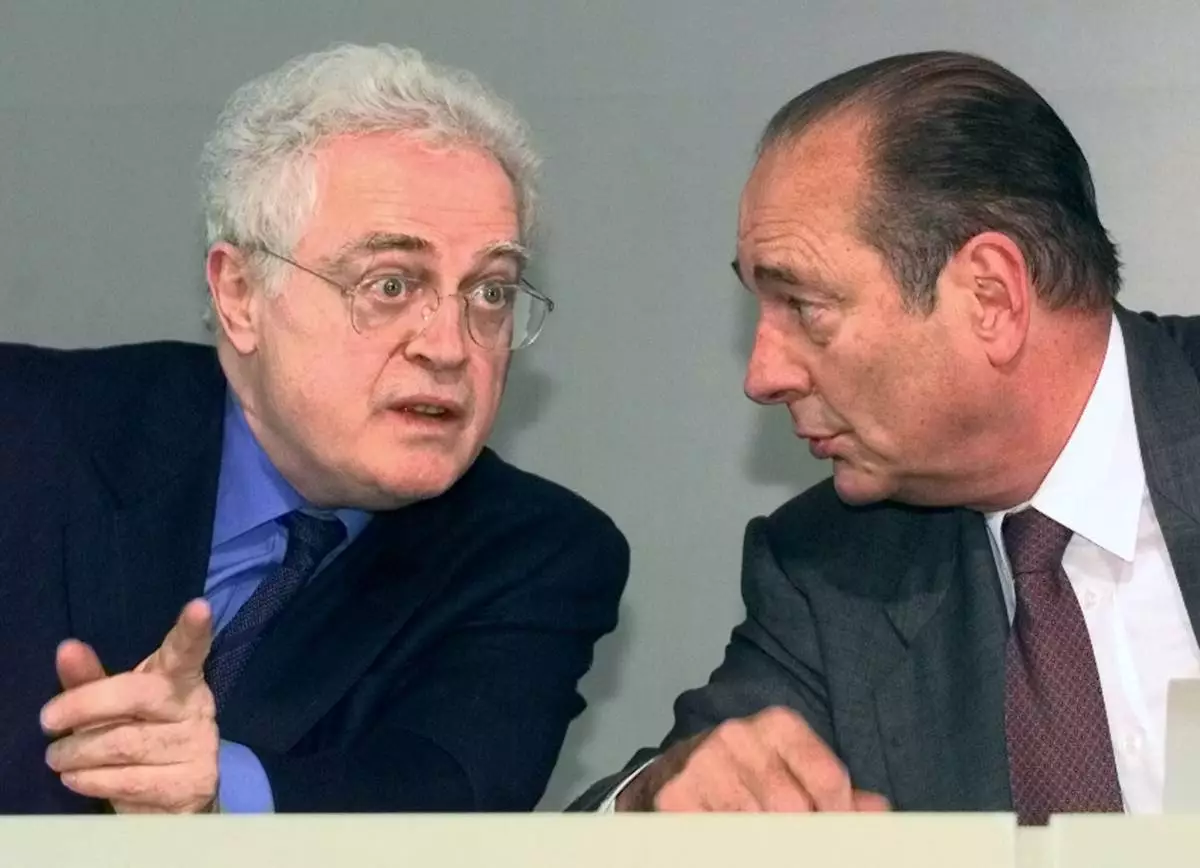
FILE - French Prime Minister Lionel Jospin, left, and French President Jacques Chirac, during a news conference at the EU summit in Luxembourg on Saturday December 13, 1997. (AP Photo/Laurent Rebours, File)
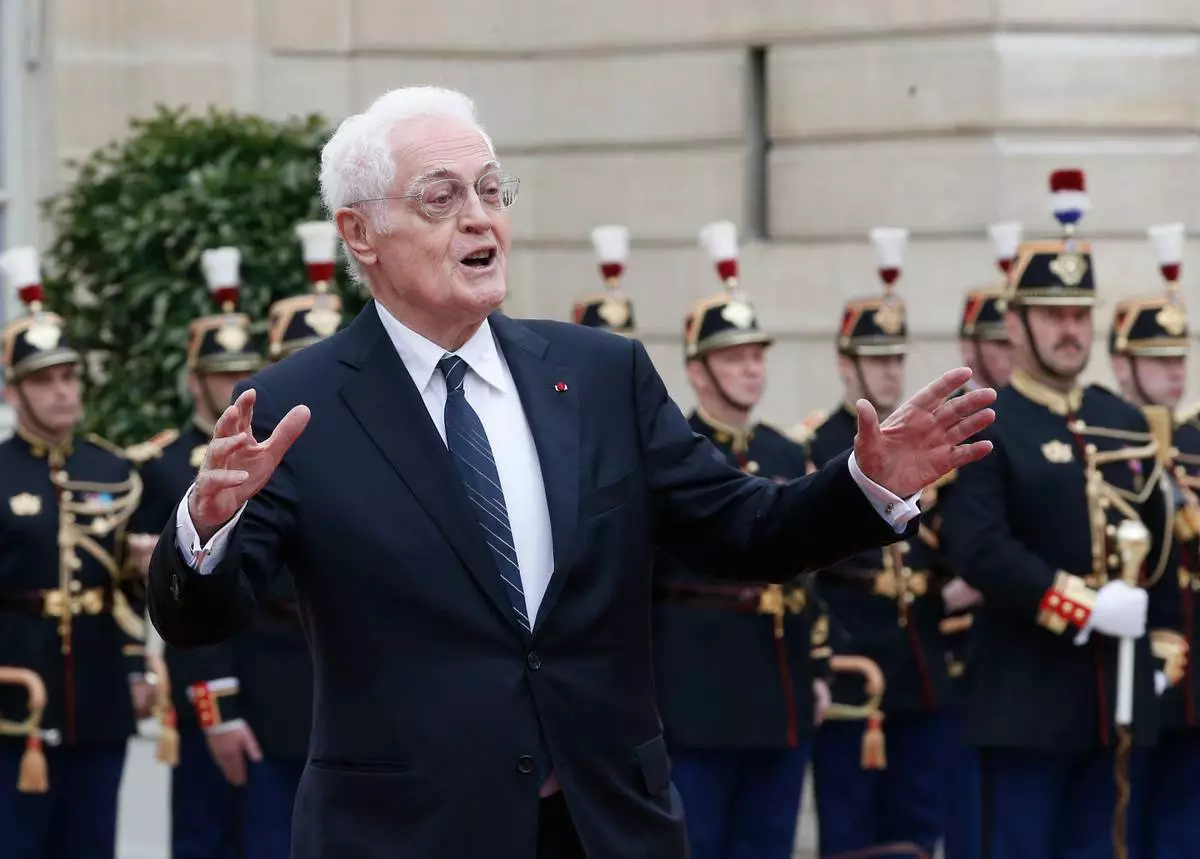
FILE - Former French Prime Minister Lionel Jospin arrives at the Elysee Palace Sunday, May 14, 2017 in Paris. (AP Photo/Thibault Camus, File)
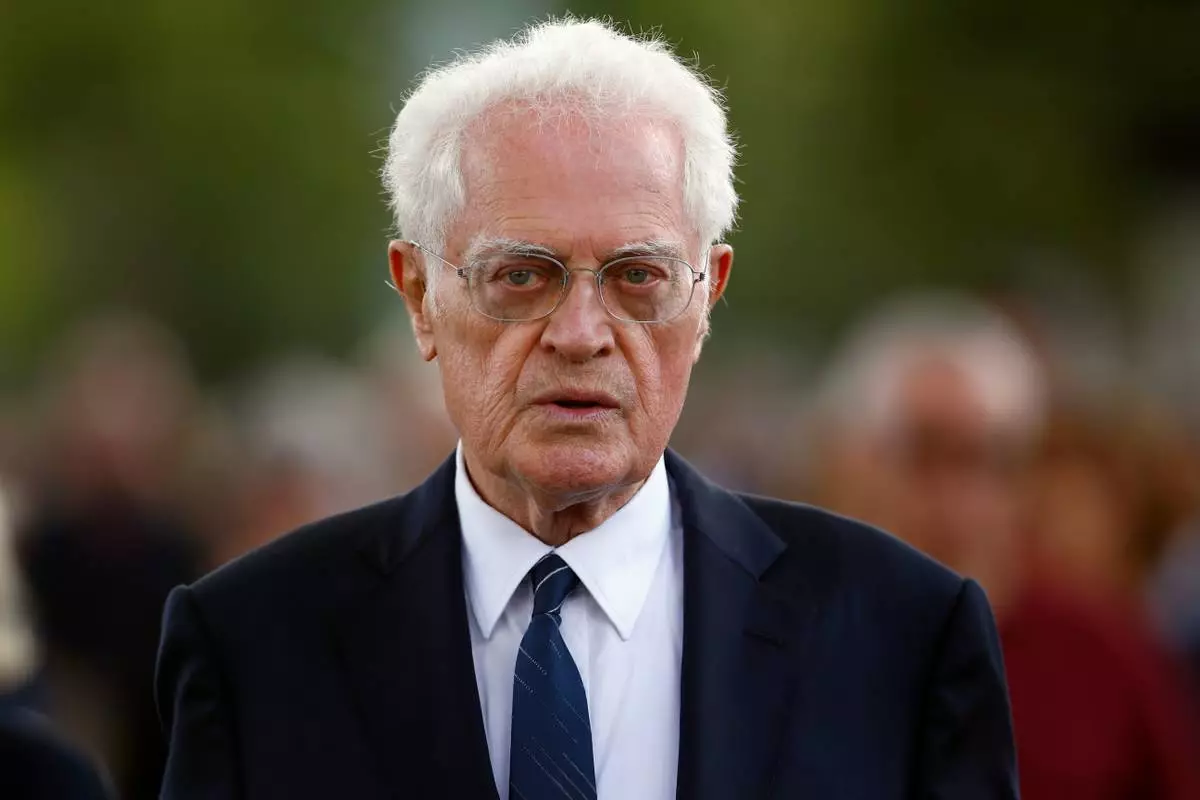
FILE - French former Prime minister Lionel Jospin attends a ceremony for the funeral of French designer Sonia Rykiel at Montparnasse cemetary in Paris, Wednesday, Sept. 1, 2016. (AP Photo/Francois Mori, File)
DUBAI, United Arab Emirates (AP) — President Donald Trump on Monday extended his deadline for Iran to reopen the crucial Strait of Hormuz to international shipping, saying the U.S. would hold off on strikes against Iranian power plants for five days.
Trump made the announcement on his Truth Social site hours ahead of his self-imposed deadline later in the day.
Writing in all capital letters, he said the U.S. and Iran have had “very good and productive conversations” that could yield “a complete and total resolution” in the war. Talks would continue “throughout the week,” he said.
Trump added that the suspension of his threat to attack power plants was “subject to the success of the ongoing meetings and discussions.”
Trump did not elaborate on the negotiations that had taken place. Iran did not immediately acknowledge any talks between the countries, but Iranian Foreign Minister Abbas Araghchi did say he spoke by phone with his Turkish counterpart, Hakan Fidan. Turkey has been an intermediary before in negotiations between Tehran and Washington.
Trump’s announcement came as the United Arab Emirates reported its air defense were attempting to intercept new incoming Iranian fire Monday afternoon.
Earlier Monday, Iran warned it would strike electricity plants across the Middle East and mine the Persian Gulf after Trump threatened to bomb power stations in the Islamic Republic if it did not reopen the strait.
The war, now in its fourth week, has already seen several dramatic turning points — the killing of Iran’s supreme leader, the bombing of a key Iranian gas field, and strikes targeting oil and gas facilities and other civilian infrastructure in Gulf Arab nations. The conflict has killed more than 2,000 people, shaken the global economy, sent oil prices surging, and endangered some of the world’s busiest air corridors.
Trump’s ultimatum and Iran’s promise of retaliation threatened to raise the stakes yet again, with potentially catastrophic repercussions for civilians across the region.
If carried out, the attacks could cut electricity to wide swaths of people in Iran and around the Gulf and knock out desalination plants that provide many desert nations with drinking water. There are also increasing concerns about the consequences any of strikes on nuclear facilities.
The fever pitch of the rhetoric shows how the war has spiraled to a point unimaginable at the start of the conflict on Feb. 28, when the United States and Israel began bombing Iran.
Trump said the U.S. would “obliterate” Iran’s power plants unless the country releases its stranglehold on the Strait of Hormuz within 48 hours — a deadline that would expire late Monday Washington time but has now been extended.
Iran has shut the strait, through which a fifth of the world’s oil is shipped along with other important commodities, in response to U.S. and Israeli strikes. A trickle of ships has gotten through, and Iran insists the crucial waterway remains open — just not to the U.S., Israel or their allies.
The chokehold has wreaked havoc on energy markets, pushed up the prices on food and other goods well beyond the Middle East and sent shock waves throughout the global economy.
“No country will be immune to the effects of this crisis if it continues to go in this direction,” said Fatih Birol, the head of the Paris-based International Energy Agency.
Iran’s paramilitary Revolutionary Guard promised retaliation if Trump made good on his threat, saying Iran it would hit power plants in all areas that supply electricity to American bases, “as well as the economic, industrial and energy infrastructures in which Americans have shares.”
Iranian parliament speaker Mohammad Bagher Qalibaf said Iran would consider vital infrastructure across the region to be legitimate targets, including energy and desalination facilities critical for drinking water in Gulf nations.
Iran's semiofficial Fars news agency, which is close to the Revolutionary Guard, published a list of such facilities, including the United Arab Emirates’ nuclear power plant. Over the weekend, Iran launched missiles targeting Dimona in Israel, near a facility key to its long-suspected atomic weapons program. The Israeli facility wasn’t damaged.
United States Central Command chief Adm. Brad Cooper, meanwhile, claimed in an interview that Iran was launching missiles and drones from populated areas, and suggested those areas would be targeted.
“You need to stay inside for right now,” Cooper told Iranian civilians in the interview with the Farsi-language satellite network Iran International that aired early Monday.
In his first one-on-one interview since the war started, Cooper said the U.S. and Israel were targeting infrastructure and manufacturing facilities to destroy Iran’s capabilities to rebuild its military.
“It’s not just about the threat today,” he said. “We’re eliminating the threat of the future.”
Israel launched new attacks Monday on the Iranian capital, saying it had “begun a wide-scale wave of strikes” on infrastructure targets in Tehran without immediately elaborating. Explosions were heard in multiple locations in the afternoon. It wasn’t immediately clear what had been hit.
With the U.S. deploying more amphibious assault ships and additional Marines to the Middle East, Iran warned against any ground attack.
“Any attempt by the enemy to target Iran’s coasts or islands will, naturally and in accordance with established military practice, lead to the mining of all access routes ... in the Persian Gulf and along the coasts,” Iran’s Defense Council warned said in a statement.
The widespread use of mines could imperil not only military vessels but scores of commercial ships waiting to pass through the Strait of Hormuz, and a cleanup would last long after the conflict ends.
Trump has said he has no plans to send ground forces into Iran but also has said that he retains all options. Israel has suggested its ground forces could take part in the war.
Israel has also targeted the Iran-linked Hezbollah militant group in Lebanon during the war, while the group has fired hundreds of rockets into Israel.
In recent days, Israel has hit many apartment buildings in Beirut and bombed bridges over the Litani river in the Lebanon's south.
Lebanese President Joseph Aoun called the targeting of bridges “a prelude to a ground invasion,” while Egypt denounced the strikes as the "collective punishment” of civilians for the actions of Hezbollah.
Authorities say Israeli strikes have killed more than 1,000 people in Lebanon and displaced more than 1 million.
Iran’s death toll has surpassed 1,500, its Health Ministry has said. In Israel, 15 people have been killed by Iranian strikes. At least 13 U.S. military members have been killed, along with more than a dozen civilians in the occupied West Bank and Gulf Arab states.
Oil prices remained stubbornly high in early trading, with the price of Brent crude, the international standard, at around $113 a barrel, up some 55% since the war began.
Jorge Moreira da Silva, a senior United Nations official, said the world has already seen a ripple effect, including “exponential price hikes in oil, fuel and gas” that have had a far-reaching impact on millions, primarily in Asian and African developing countries.
“There is no military solution,” he said.
In another sign of the far-reaching effects, South Korean chemical giant LG Chem said Monday it had to shut down a major industrial plant because the war had disrupted supplies of naphtha, a petroleum product used in plastic manufacturing.
Rising reported from Bangkok and Magdy from Cairo. AP writers Charlotte Graham-McLay in Wellington, New Zealand, Sally Abou AlJoud and Bassem Mroue in Beirut, and Tong-hyung Kim in Seoul, South Korea, contributed to this report.
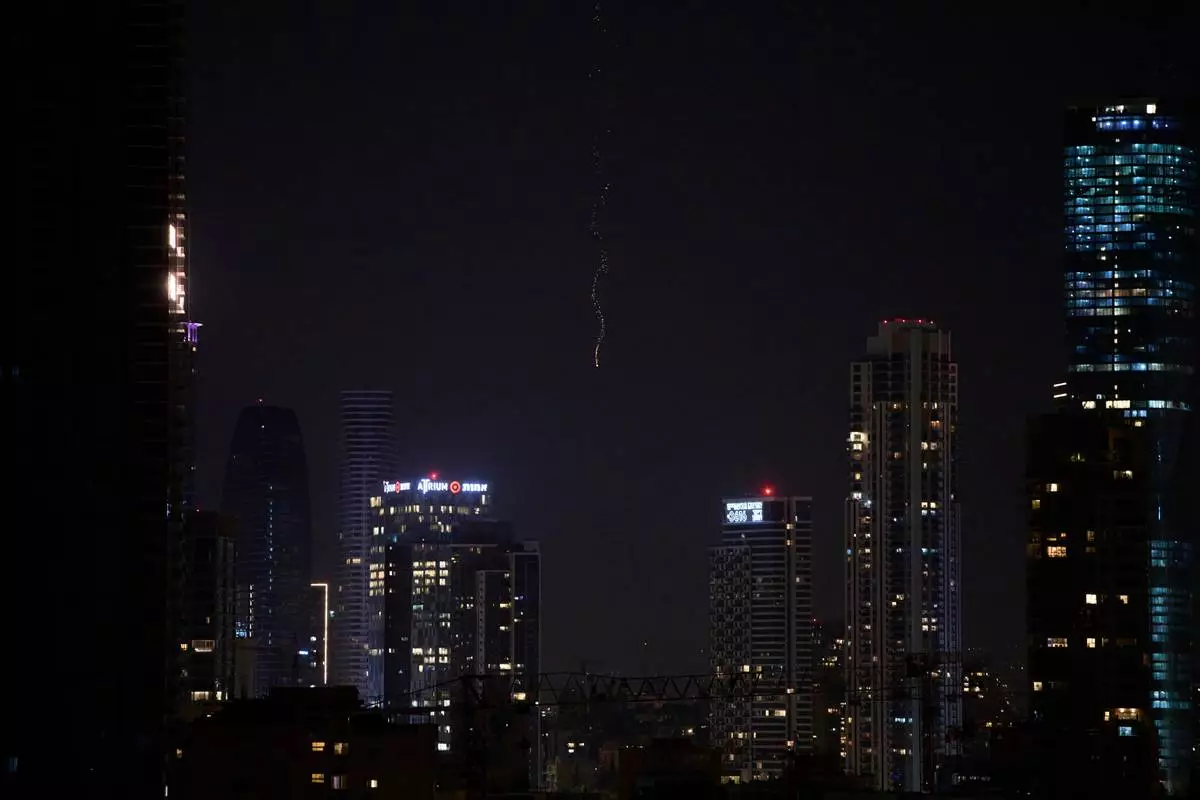
Missiles launched from Iran streak across the sky over central Israel, early Monday, March 23, 2026. (AP Photo/Ohad Zwigenberg)
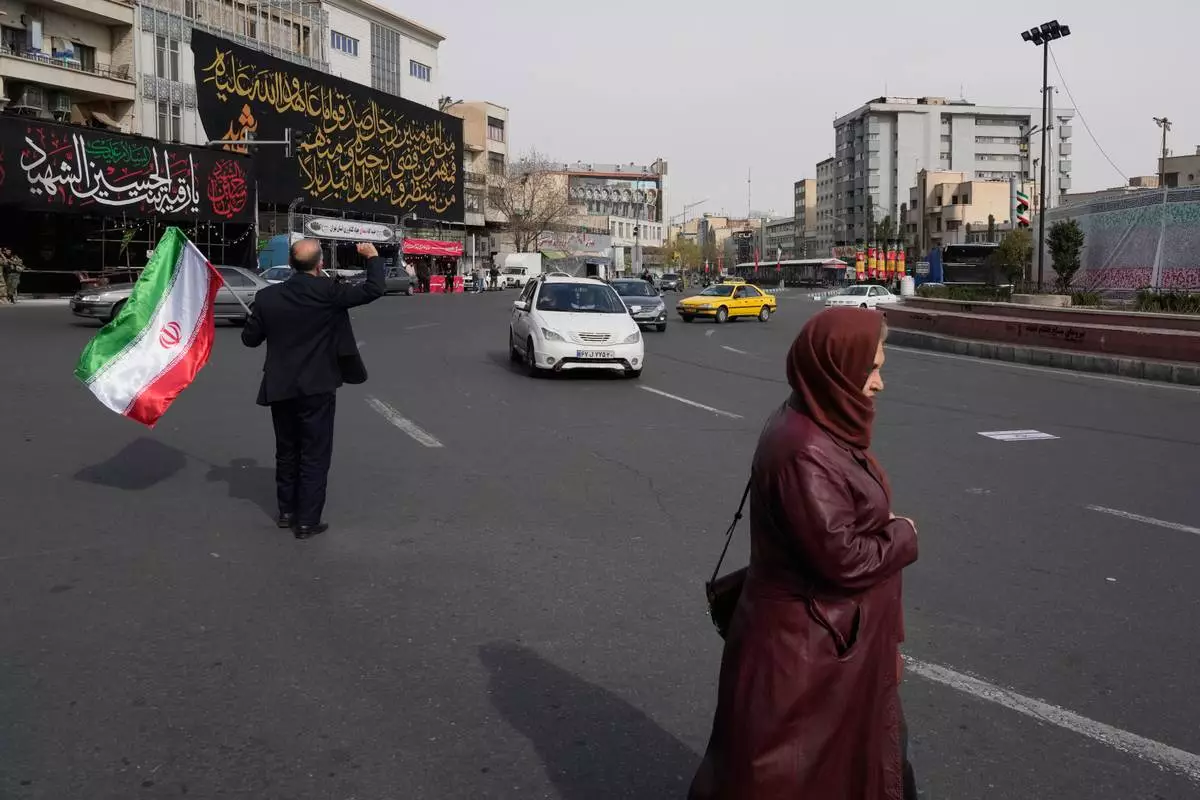
A man waves an Iranian flag during a campaign in support of the government as a woman and vehicles pass by at the Enqelab-e-Eslami, or Islamic Revolution, square in downtown Tehran, Iran, Sunday, March 22, 2026. (AP Photo/Vahid Salemi)
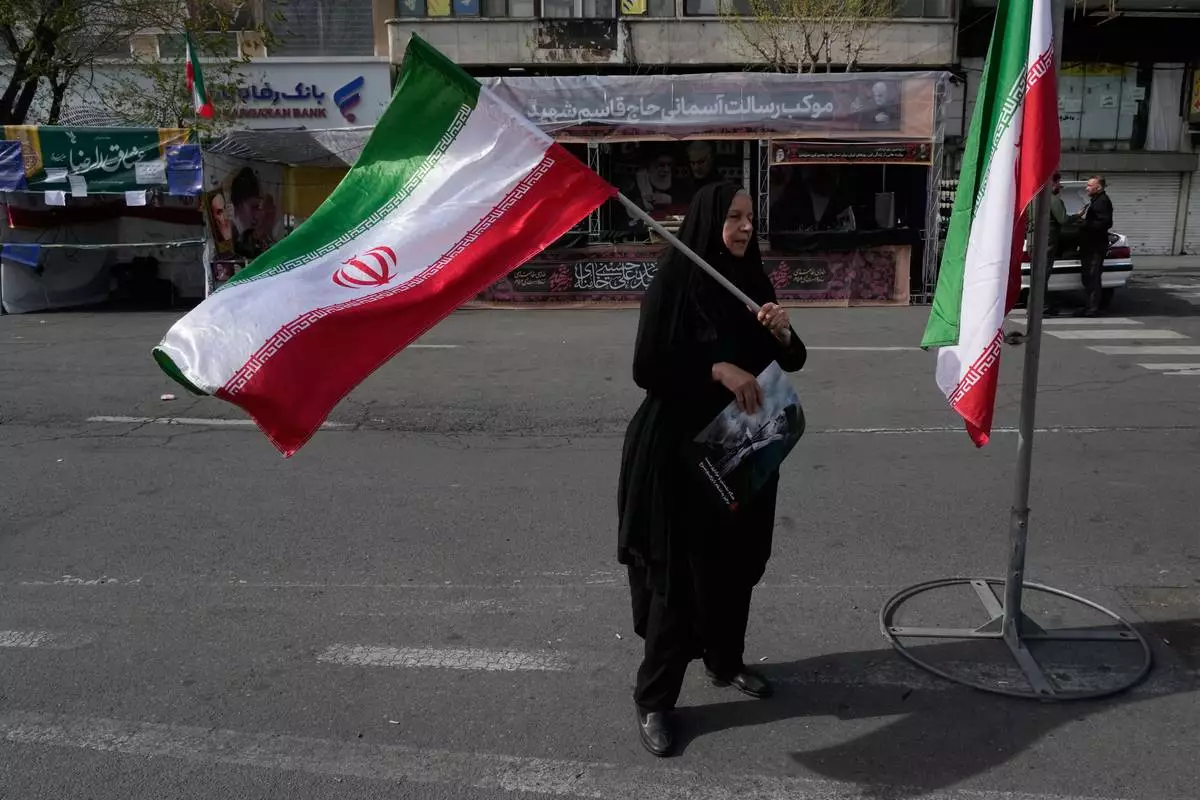
A woman waves an Iranian flag during a campaign in support of the government at the Enqelab-e-Eslami, or Islamic Revolution, square in downtown Tehran, Iran, Sunday, March 22, 2026. (AP Photo/Vahid Salemi)
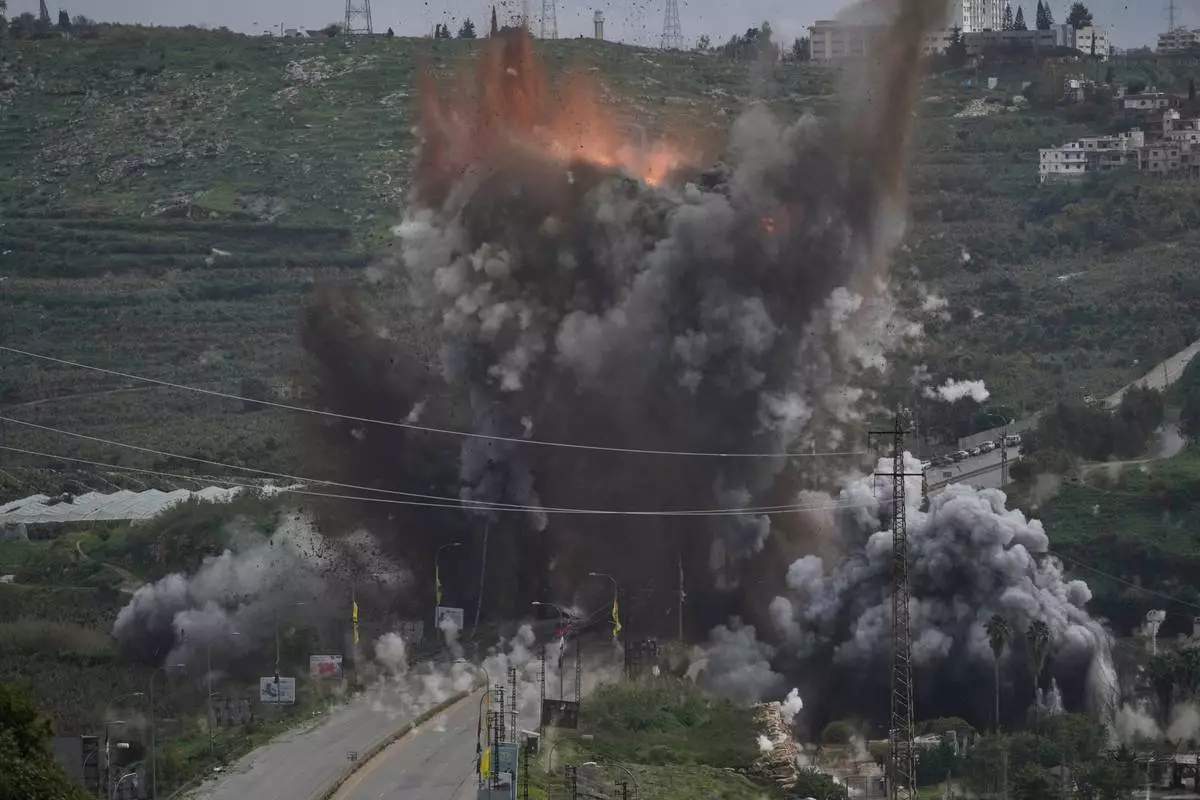
Smoke and flames rise from an Israeli airstrike that hit the Qasmiyeh Bridge near the coastal city of Tyre, Lebanon, Sunday, March 22, 2026. (AP Photo/Mohammad Zaatari)
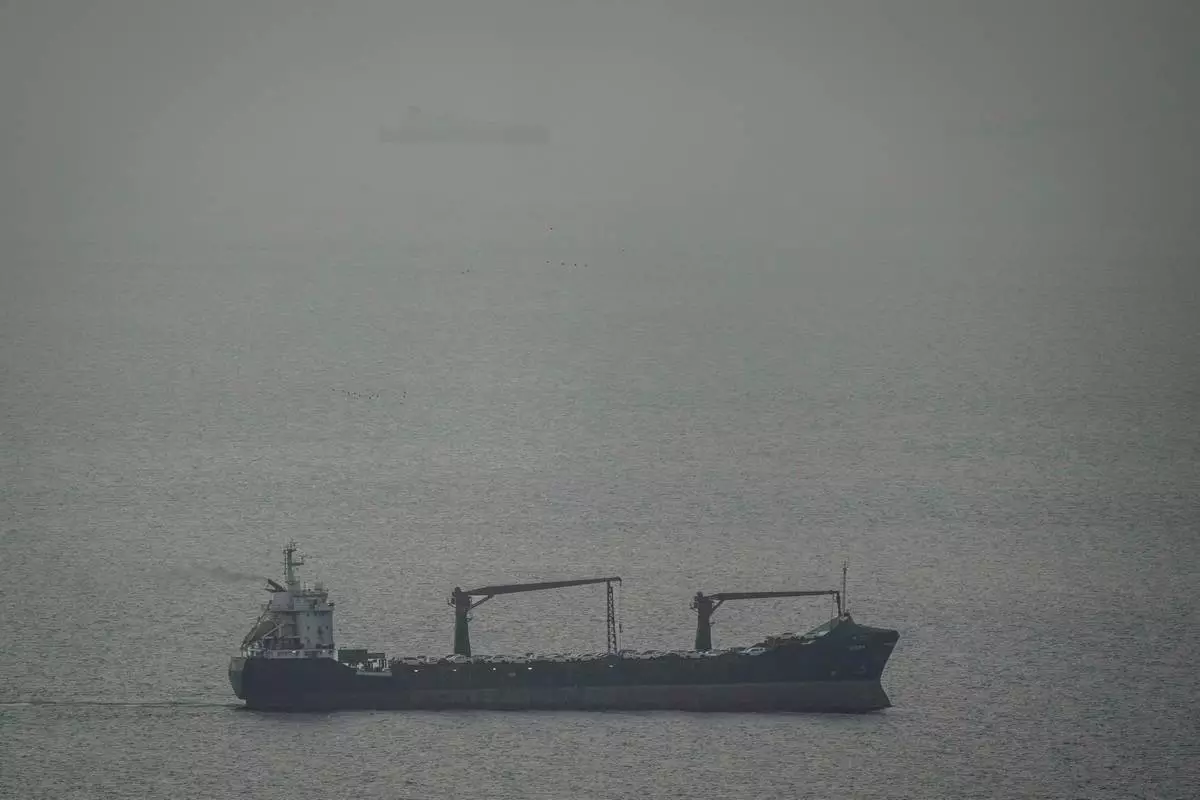
A cargo ship carrying vehicles sails through the Arabian Gulf toward the Strait of Hormuz in the United Arab Emirates, Sunday, March 22, 2026. (AP Photo)
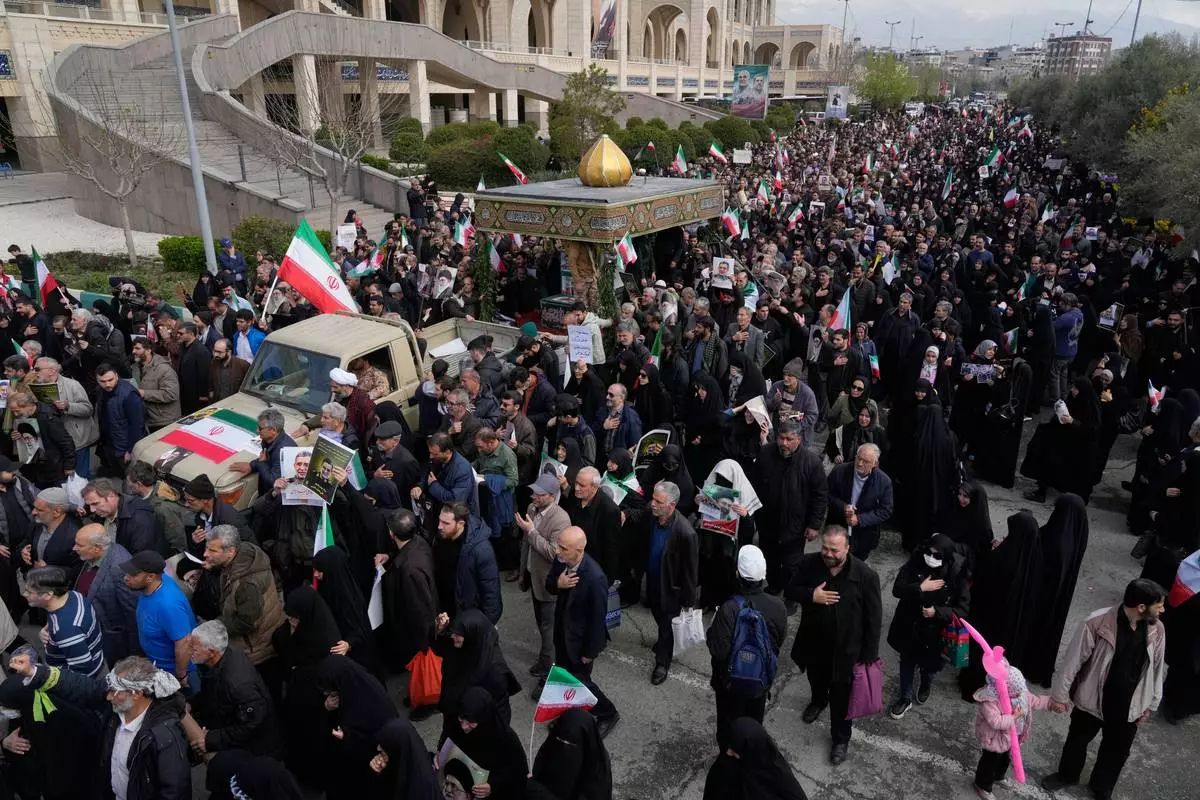
People follow a truck carrying the flag draped coffins of Gen. Ali Mohammad Naeini, a spokesperson for Iran’s paramilitary Revolutionary Guard and one of his comrades Amir Hossein Bidi , during their funeral procession in Tehran, Iran, Saturday, March 21, 2026. (AP Photo/Vahid Salemi)