Skip to Content Facebook Feature Image

Trump sued by historic preservation groups to block Kennedy Center changes

News

Trump sued by historic preservation groups to block Kennedy Center changes
News

News

Trump sued by historic preservation groups to block Kennedy Center changes

2026-03-24 00:55 Last Updated At:01:00

WASHINGTON (AP) — A coalition of cultural and historic preservation groups is suing to block further physical changes to the Kennedy Center ahead of a two-year closure that President Donald Trump insists is necessary to renovate the prominent performing arts venue.

The lawsuit against Trump, the Kennedy Center and others in the administration, doesn't dispute the need for routine maintenance and repairs. But it argues that the more substantial changes Trump has hinted are in the works should go through the typical review process that governs many major projects in the nation's capital.

Trump has suggested changes at the Kennedy Center could be so dramatic that the steel supporting the structure could be “ fully exposed.”

“Demolition, new construction, major reconstruction, major renovation, or major aesthetic transformation of the Kennedy Center would permanently destroy historic fabric, degrade the monumental core’s vistas and public grounds, and compromise the Kennedy Center’s memorial purpose and architectural integrity, causing permanent, irreversible harm that no subsequent remedy can fully undo,” the suit argues.

White House spokesperson Liz Huston said Trump is “committed to making the Trump-Kennedy Center the finest performing arts facility in the world.”

“We look forward to ultimate victory on the issue,” she said.

A representative for the Kennedy Center didn't immediately respond to a request for comment.

Some of the lawyers involved in Monday's lawsuit have pursued separate legal cases challenging other moves by Trump to alter Washington's historic core, including his decision last year to suddenly knock down the East Wing of the White House to make way for a ballroom. In the Kennedy Center suit, the lawyers pointed to a “broader pattern of unauthorized damage to historic buildings in the capital district."

A judge rejected the ballroom suit last month, ruling it was unlikely to succeed on the merits.

After ignoring the Kennedy Center for much of his first term, Trump has wielded tremendous influence over the venue during his return to office. Just a month into his second term, he ousted the center’s previous leadership and replaced it with a hand-picked board of trustees that named him chairman. He brought in Richard Grenell to serve as president, a position he held until last week when Matt Floca assumed the role.

The center’s lineup has included more Trump-friendly programming, serving as the venue for events such as the premiere of first lady Melania Trump’s documentary, “Melania.”

The board also announced it had renamed the facility the Trump Kennedy Center, a change scholars and lawmakers say must be initiated by Congress, and physically added the president’s name to the building’s facade.

The fallout from the arts community was swift and intense. Actor Issa Rae, musician Bela Fleck and author Louise Penny were among the numerous artists who withdrew from appearances, while consultants such as musician Ben Folds and singer Renée Fleming resigned. Earlier this month, the executive director of the National Symphony Orchestra, Jean Davidson, left to head the Los Angeles-based Wallis Annenberg Center for the Performing Arts.
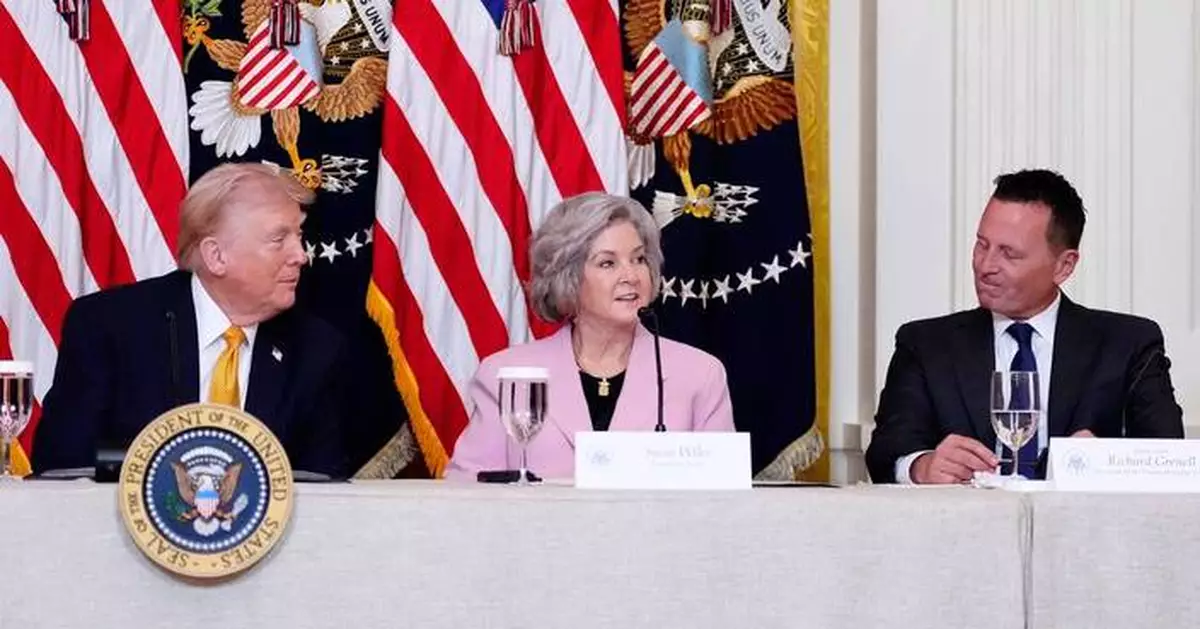
White House Chief of Staff Susie Wiles speaks during a board meeting of the John F. Kennedy Memorial Center For The Performing Arts in the East Room of the White House, Monday, March 16, 2026, in Washington, as President Donald Trump and Kennedy Center President Richard Grenell, right, look on. (AP Photo/Alex Brandon)

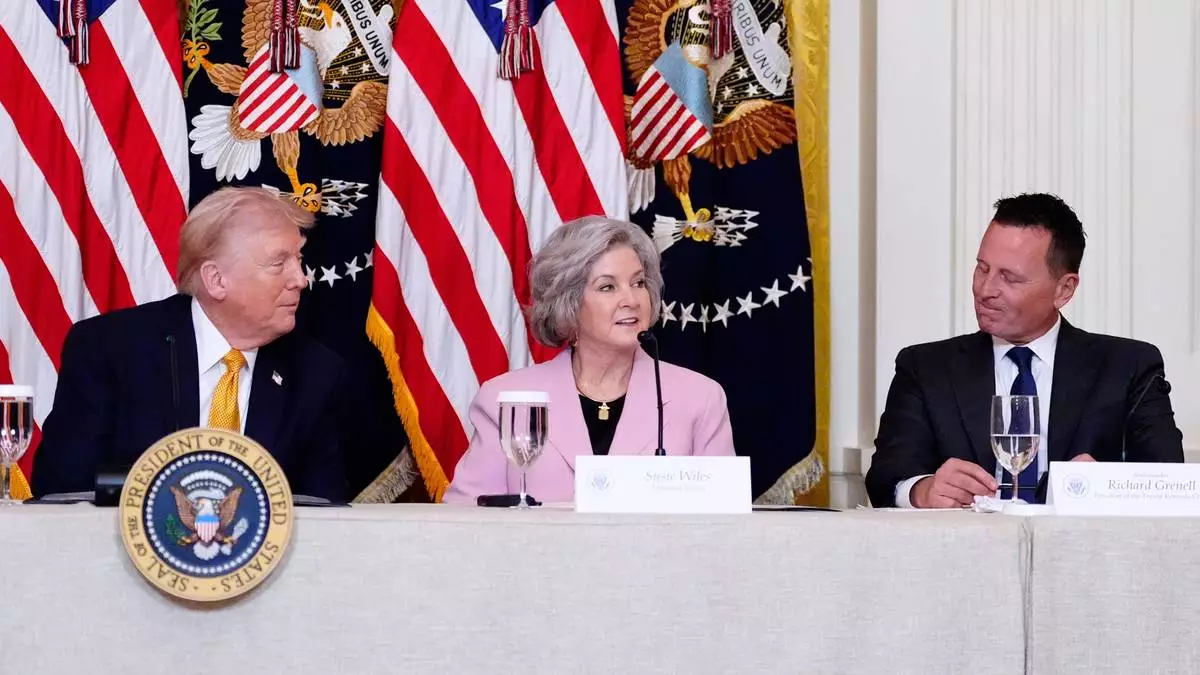
White House Chief of Staff Susie Wiles speaks during a board meeting of the John F. Kennedy Memorial Center For The Performing Arts in the East Room of the White House, Monday, March 16, 2026, in Washington, as President Donald Trump and Kennedy Center President Richard Grenell, right, look on. (AP Photo/Alex Brandon)

HARARE, Zimbabwe (AP) — Zimbabwe released on bail the leading opponent of planned constitutional amendments that would extend the rule of the country’s 83-year-old president and have the post elected by Parliament, not the people.

Former finance minister Tendai Biti was granted $500 bail on Monday, ordered to report to the police twice a week, and surrender his passport, his lawyer Chris Ndlovu said. Biti has also been barred from convening or addressing a public gathering without notifying the police as part of the bail conditions.

It's the highest profile detention yet of critics of the attempt to allow President Emmerson Mnangagwa to extend his rule, due to end in 2028, by two years. Police in recent months have banned meetings and arrested people for gathering to express opposition.

Biti leads the Constitutional Defenders Forum, a group campaigning against the amendments. Ndlovu said Biti and programs director Morgan Ncube are accused of holding a public meeting without notifying the police. They were detained on Saturday in the eastern city of Mutare.

There was no immediate comment from Zimbabwe authorities. But in the past, they have rejected accusations that they are eroding promises of democratic reform made after decades of rule by former leader Robert Mugabe, known for his repressive command.

Mnangagwa, who came to power after a popular military coup against Mugabe in 2017, has said he will step down when his second term ends in 2028. However, he has not publicly opposed his ruling ZANU-PF party’s push to extend his term. His Cabinet approved the amendment proposal in February before sending it to Parliament, where the ruling party holds a majority.

The proposed changes would postpone elections to 2030, allow the president to be elected by Parliament instead of by popular vote and extend both the presidential term and those of members of Parliament from five to seven years.

Biti and other critics say any amendment extending presidential terms must be approved in a referendum. But Justice Minister Ziyambi Ziyambi and Mnangagwa’s supporters say Parliament can pass the changes without one because the two-term limit would remain, even though terms would be longer.

Opposition has grown, and challenges have been filed in courts. But physical meetings have become increasingly risky. Amnesty International has described arrests as an “escalating crackdown on peaceful dissent.”

Earlier this month, law professor and opposition figure Lovemore Madhuku was admitted to a hospital after being beaten by unidentified men he claimed were police officers following a party meeting on the proposed changes. Police denied involvement, saying the gathering had been banned.

Last year, the offices of the think tank SAPES Trust were set on fire hours before it was due to host a news conference by opponents of the amendments.

Mnangagwa won reelection in a disputed poll in 2023, but international rights groups alleged a crackdown on opposition officials and supporters by the ruling party.

AP Africa news: https://apnews.com/hub/africa

FILE - Zimbabwean opposition official Tendai Biti arrives at the magistrates courts in Harare, on Aug. 9, 2018. (AP Photo/Tsvangirayi Mukwazhi, File)

FILE - Zimbabwean opposition official Tendai Biti arrives at the magistrates courts in Harare, on Aug. 9, 2018. (AP Photo/Tsvangirayi Mukwazhi, File)

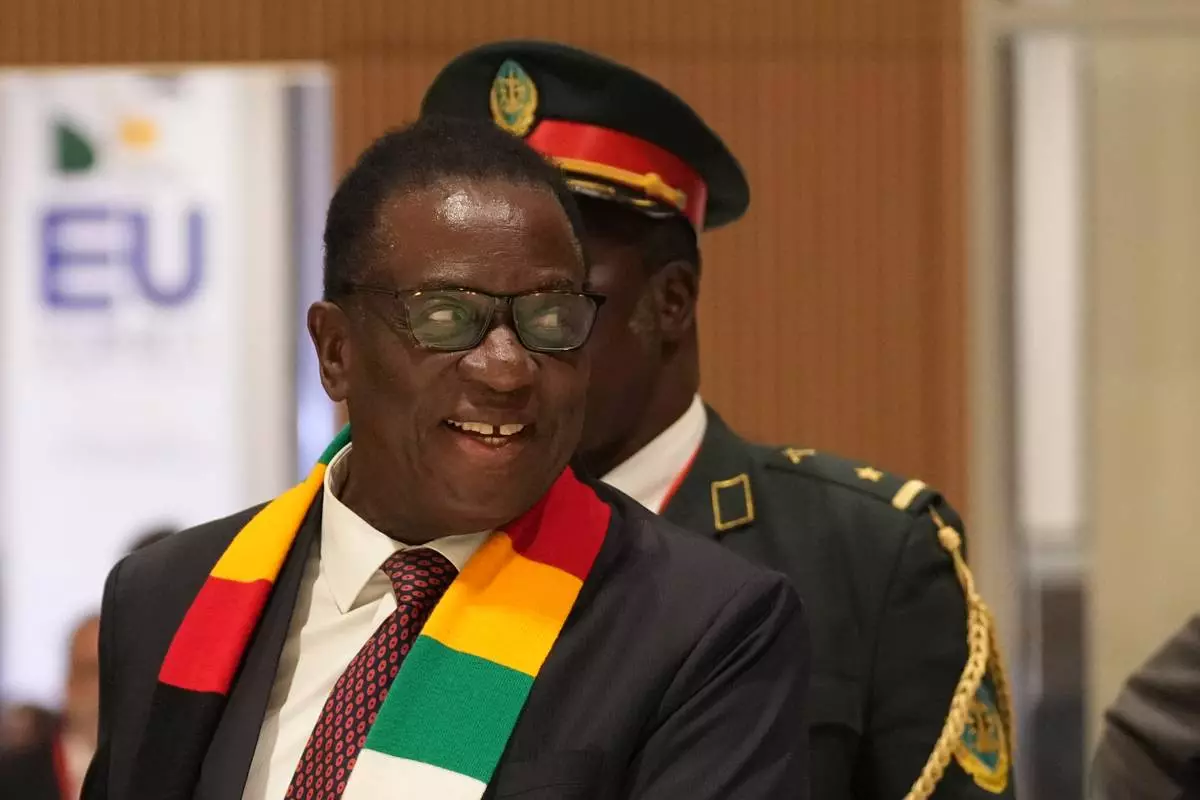
FILE - Zimbabwe's President Emmerson Mnangagwa attends the African Union-European Union summit in Luanda, Angola, on Nov. 24, 2025. (AP Photo/Thibault Camus, File)

FILE - Zimbabwe's President Emmerson Mnangagwa attends the African Union-European Union summit in Luanda, Angola, on Nov. 24, 2025. (AP Photo/Thibault Camus, File)

Recommended Articles