The ongoing partial shutdown of the U.S. Department of Homeland Security (DHS) has triggered a critical shortage of Transportation Security Administration (TSA) agents as more than 400 TSA workers have quit their jobs due to delayed payment.
The U.S. Senate rejected the DHS funding bill for the fifth time on Friday, leaving the department's operations, including the TSA, the Coast Guard, and the Federal Emergency Management Agency, paralyzed.
According to U.S. media reports, more than 400 TSA security screeners have resigned since the shutdown began on Feb. 14, and absenteeism rates have kept surging. On Sunday, the absence rate among TSA agents reached an unprecedented 11.76 percent, the highest since the shutdown started, with over 3,450 screeners failing to report for duty.
Airports nationwide are experiencing long security lines due to TSA staffing shortages.
Immigration and Customs Enforcement (ICE) agents have been sent to assist at busy airport security checkpoints. The agents were seen patrolling at La Guardia Airport in New York on Monday.
La Guardia Airport saw an Air Canada Express flight collide with a fire truck when landing late on Sunday, killing two pilots of the flight and injuring dozens of others.
The plane, carrying 72 passengers and four crew members from Montreal, struck a fire truck from the Port Authority that was responding to a separate incident.
The U.S. Federal Aviation Administration (FAA) issued a ground stop for all planes at the airport shortly after the collision. As a result, a large number of passengers were stranded at the airport. As of 10 o'clock local time on Monday, more than 600 flights at the airport had been canceled or delayed.
Flights have been resumed but with reduction in transportation capacity on Monday afternoon.

US airports face security risks amid critical staff shortage
Iran's power grid which has been already weakened by aging infrastructure and years of economic pressure, is now under huge strain as regional hostilities brought by Israeli-U.S. strikes on Iran intensify.
The current Middle East conflict has only worsened the difficulties that many residents and small business owners already faced in Iran.
After two consecutive summers of daily nationwide power rationing, many locals say blackouts have become routine, triggering disruptions that extend beyond electricity to water supply and commerce.
"Summer power outages create challenges for us, affecting many businesses. During blackouts, clients are left stranded in offices, unable to get their work done," said Nasrin, a Tehran resident.
For residents like Nasrin, the instability is already a daily reality. But there are concerns over the dangerous effect which can occur, as when the electricity fails, so do other essential services.
"In some regions, when power outages occur, water supply is also disrupted. Naturally, this causes numerous problems for residents," she continued.
The impact goes far beyond inconvenience. For many business operators, a sudden blackout is not just an interruption, it is a direct hit to their livelihood.
"Power outages directly hurt my business. My shop relies on refrigerators and freezers to store large amounts of food-when the power goes out, the food spoils, leading to major losses. Sales also drop because the POS systems go down, so customers can't pay," said Alireza, a supermarket owner.
Many Iranians had already taken matters into their own hands long before the current war erupted. Over the past two summers, sales of diesel and gasoline-powered generators have surged, as households and businesses alike invest in a costly but increasingly necessary backup.
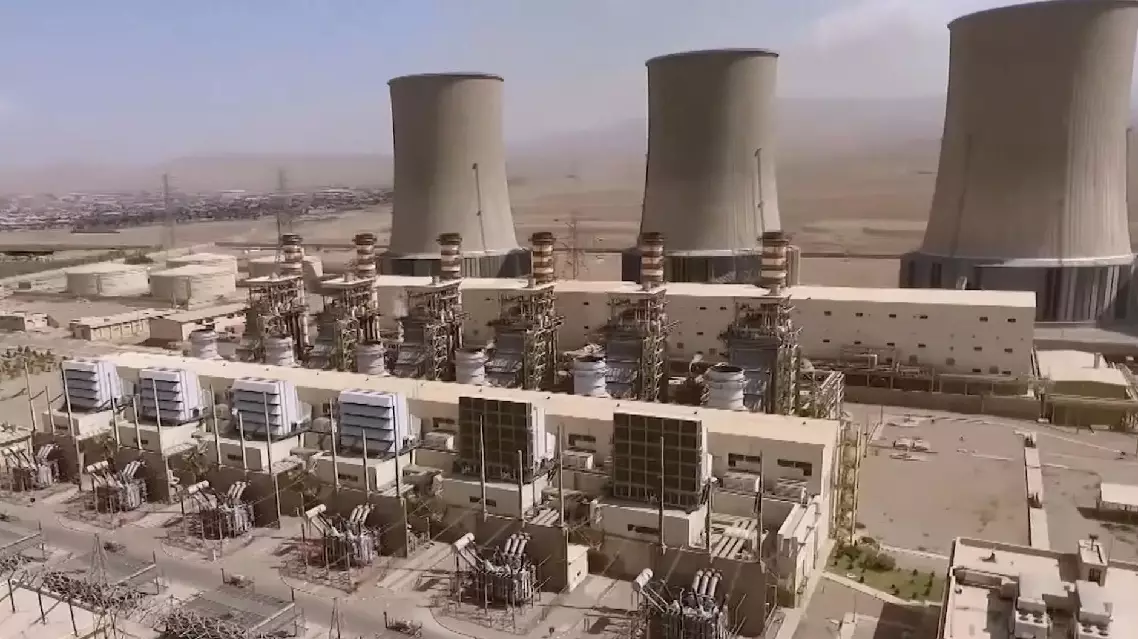
Businesses, residents suffer as conflict strains Iran's fragile power grid