TAMPA, Fla. (AP) — Kevin Cash isn't worried that manager ejections will become a relic of baseball's past just because robot umpires have arrived to settle some debates.
“You only get two challenges, right? That can come up in the first inning,” the Tampa Bay Rays manager said.
Click to Gallery
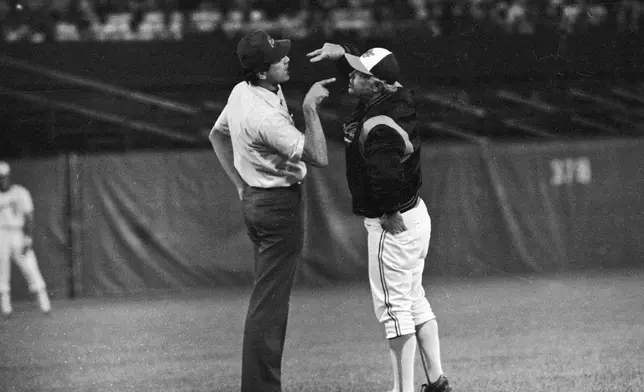
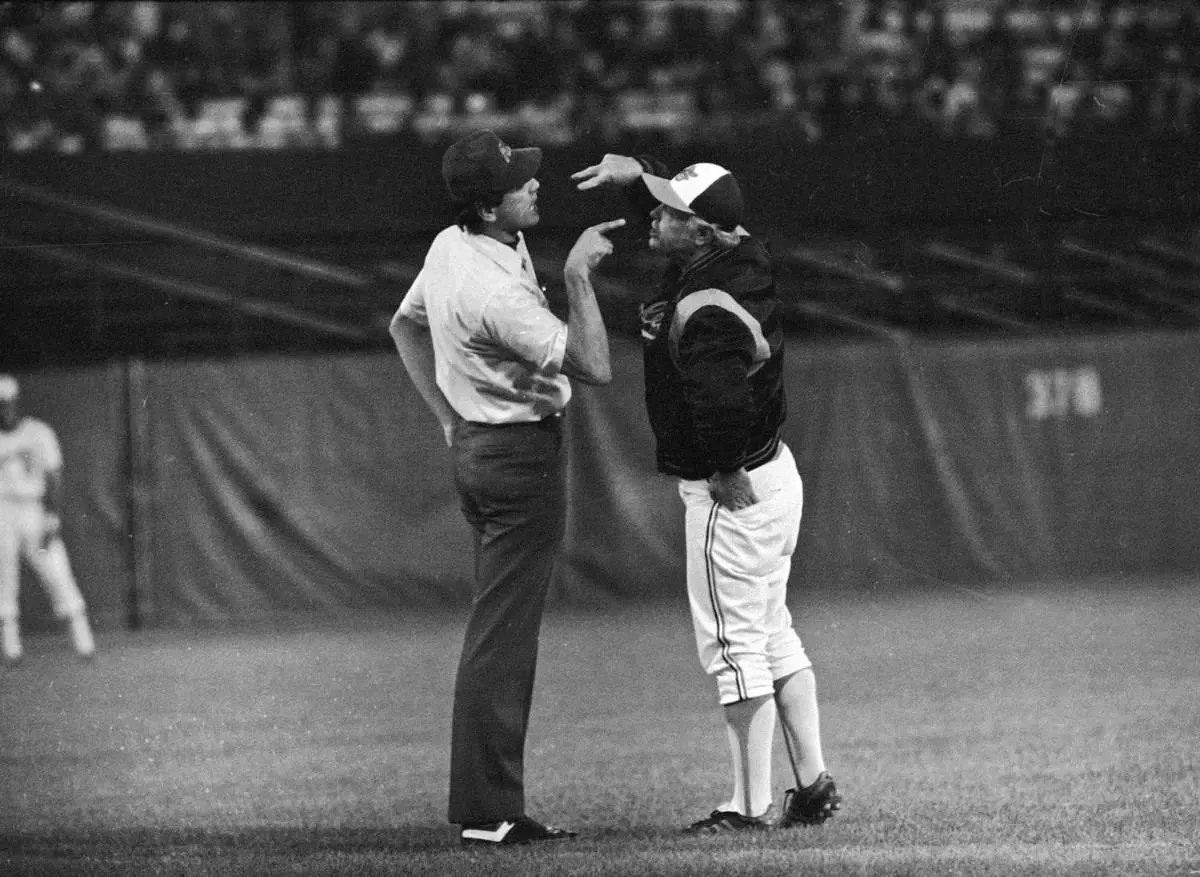
FILE - In this Aug. 16, 1979 file photo, Baltimore Orioles manager Earl Weaver argues with third base umpire Steve Palermo, after Palermo ejected him during the second inning of a baseball game against the Kansas City Royals, in Baltimore. (AP Photo/File)
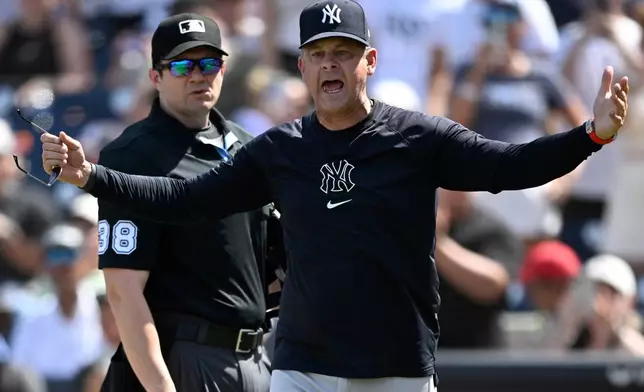
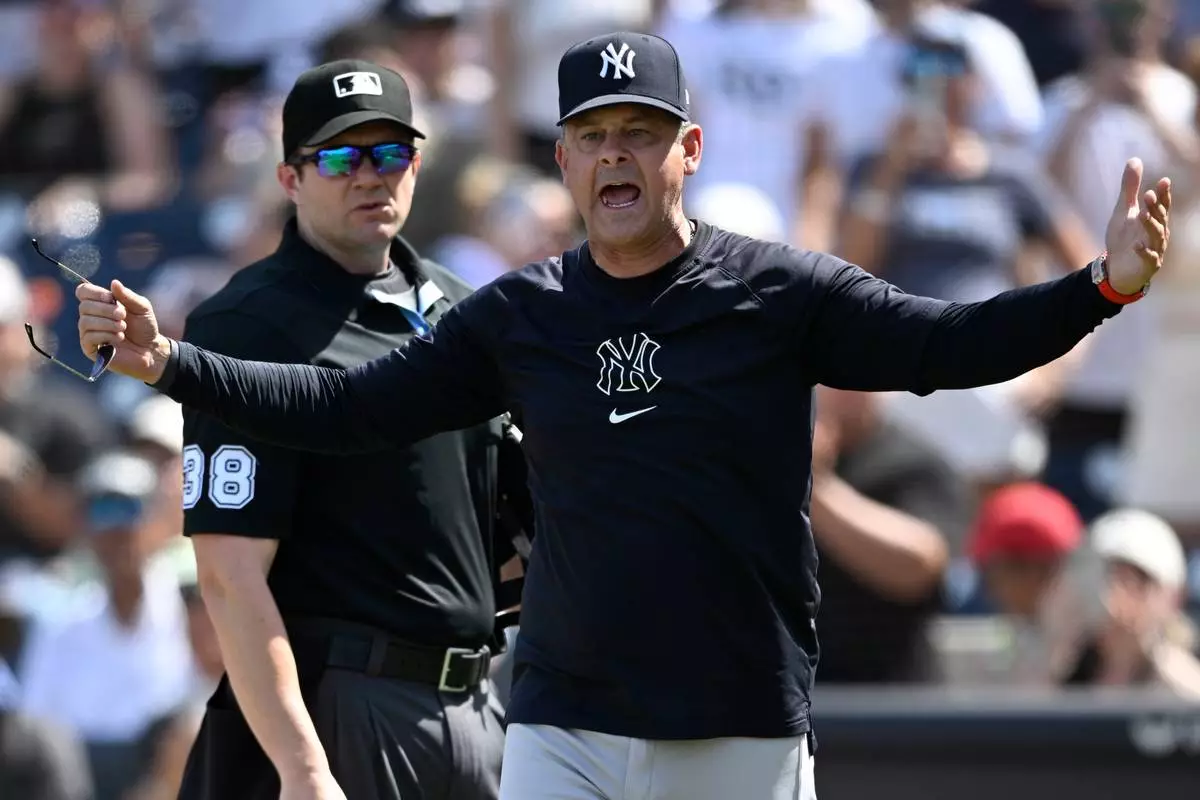
FILE - New York Yankees manager Aaron Boone, front, reacts after getting ejected by home plate umpire Adam Beck (38) during the eighth inning of a baseball game against the Tampa Bay Rays, April 20, 2025, in Tampa, Fla. (AP Photo/Phelan M. Ebenhack, File)
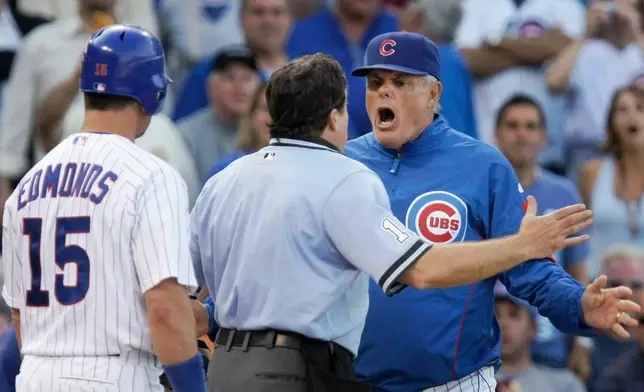
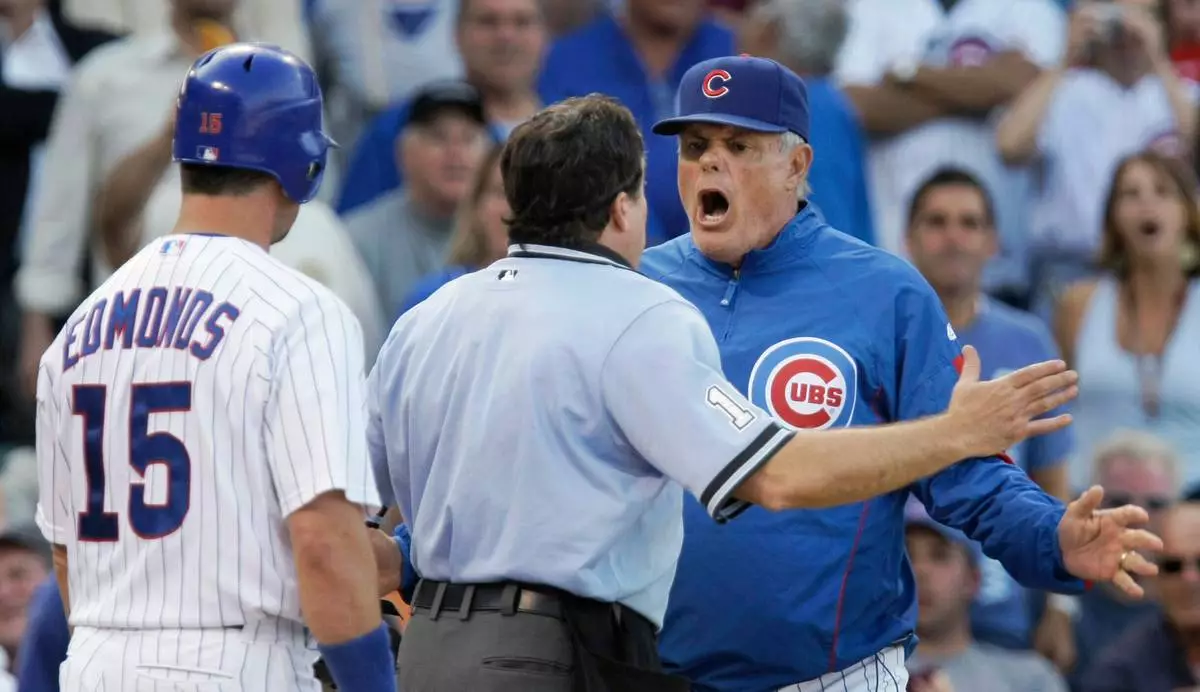
FILE - Chicago Cubs manager Lou Piniella, right, argues with home plate umpire Ed Rapuano after Jim Edmonds, left, was ejected during the 11th inning of a baseball game against the Milwaukee Brewers at Wrigley Field in Chicago, Sept. 18, 2008. (AP Photo/Charles Rex Arbogast, File)
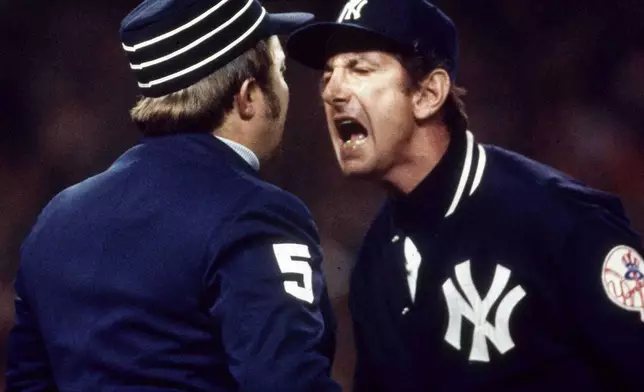
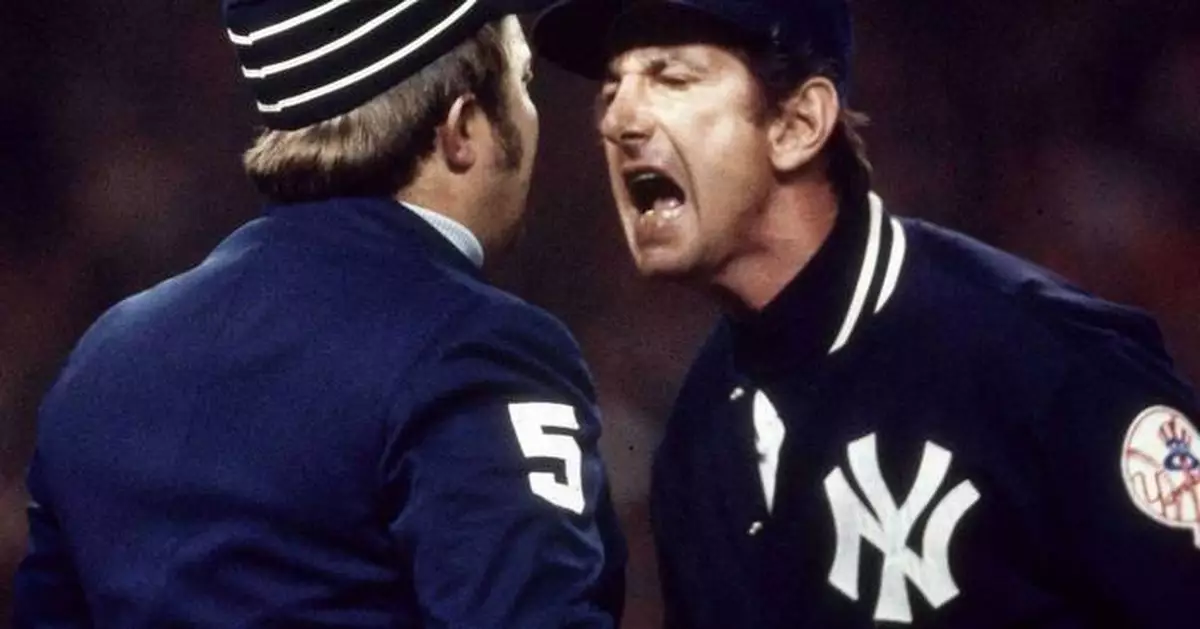
FILE - In this Oct. 21, 1976, file photo, New York Yankees manager Billy Martin argues a call with first base ump Bruce Froemming during the fourth game of baseball's World Series against the Cincinnati Reds at Yankee Stadium in New York. (AP Photo, File)
Manager tantrums at umpires have long delighted fans: the Yankees’ Billy Martin kicking and throwing dirt on Dale Scott in 1988, Cincinnati’s Lou Piniella heaving first base into right field in anger at Dutch Rennert in 1990 and the Orioles' Earl Weaver going face to face with Bill Haller in 1980, each profanely calling the other a liar.
But Major League Baseball has given managers less to gripe about in the past two decades. Video reviews began for home run calls in August 2008 and were widely expanded to many decisions for the 2014 season. The Automated Ball-Strike System starts this year to allow challenges to human strike zone calls, dubbed robot umpires.
“Manager ejections have been down for a while now because of the replay system,” said Hall of Famer Jim Leyland, a three-time Manager of the Year tossed 73 times over 22 seasons. “I really like the ABS. I think it’s going to be great for the game.”
Last year, 61.5% of ejections among players, managers and coaches (99 of 161) were related to ball/strike calls, according to MLB, up slightly from 60.3% (114 of 189) in 2024. The figure included what MLB counted as inappropriate comments and conduct, and throwing equipment in protest.
“I’m in favor of anything that allows our technology to play in this game," Cash said. "We have so much of it. Why not use it?”
Each team gets two challenges per game, and a club keeps its challenge if successful. A team out of challenges gets an additional one in each extra inning.
“You’re going to take out the argument of balls and strikes initially,” Minnesota Twins manager Derek Shelton said. “I think the challenge is going to be after the challenges go away, how managers are and what they do? But I do think that there is going to be probably less general complaining about balls and strikes in the early going.”
Aaron Boone of the Yankees has led or tied for the most ejections in four straight seasons, and his nine in 2022 were the most since Atlanta's Bobby Cox was tossed 10 times in 2007.
Cox was thrown out a record 162 times, followed by John McGraw (121), Leo Durocher (100), Weaver (96), Tony La Russa (93) and Bruce Bochy (89).
Cincinnati's Terry Francona, starting his 25th season in a big league dugout, leads active managers with 54. Boone, beginning his ninth season, is second with 46.
Boone is less concerned over whether his dugout dissents will dwindle and more focused on keeping his players locked in if a challenge goes against them. If an umpire calls strike three to strand the bases loaded and the pitcher pumps a fist and bounds off the mound, how will the pitcher quickly regain composure if ABS reverses the call and forces a 3-2 offering?
“It's a whole new thing that pitchers have never dealt with. That’s an emotional thing you’ve got to deal with,” Boone said. “That’s something we’ve already addressed, same with the hitters to a lesser degree: that reset. How do you clear the mechanism?"
Bobby Valentine, who managed three major league teams over 16 seasons, will be honored by the New York Mets this May with a giveaway promotion commemorating one of his 44 ejections. After he was tossed by Randy Marsh on June 9, 1999, Valentine returned to the dugout with a fake mustache fashioned from eye black and sunglasses.
Valentine thinks players have evolved past the point where a manager could spark his team with a histrionic argument.
“I found that by the end of my career that that was only entertainment,” he said. "It didn’t fire anyone up except for my wife, who was worried about the fine that I was going to get.”
AP MLB: https://apnews.com/MLB
FILE - In this Aug. 16, 1979 file photo, Baltimore Orioles manager Earl Weaver argues with third base umpire Steve Palermo, after Palermo ejected him during the second inning of a baseball game against the Kansas City Royals, in Baltimore. (AP Photo/File)
FILE - New York Yankees manager Aaron Boone, front, reacts after getting ejected by home plate umpire Adam Beck (38) during the eighth inning of a baseball game against the Tampa Bay Rays, April 20, 2025, in Tampa, Fla. (AP Photo/Phelan M. Ebenhack, File)
FILE - Chicago Cubs manager Lou Piniella, right, argues with home plate umpire Ed Rapuano after Jim Edmonds, left, was ejected during the 11th inning of a baseball game against the Milwaukee Brewers at Wrigley Field in Chicago, Sept. 18, 2008. (AP Photo/Charles Rex Arbogast, File)
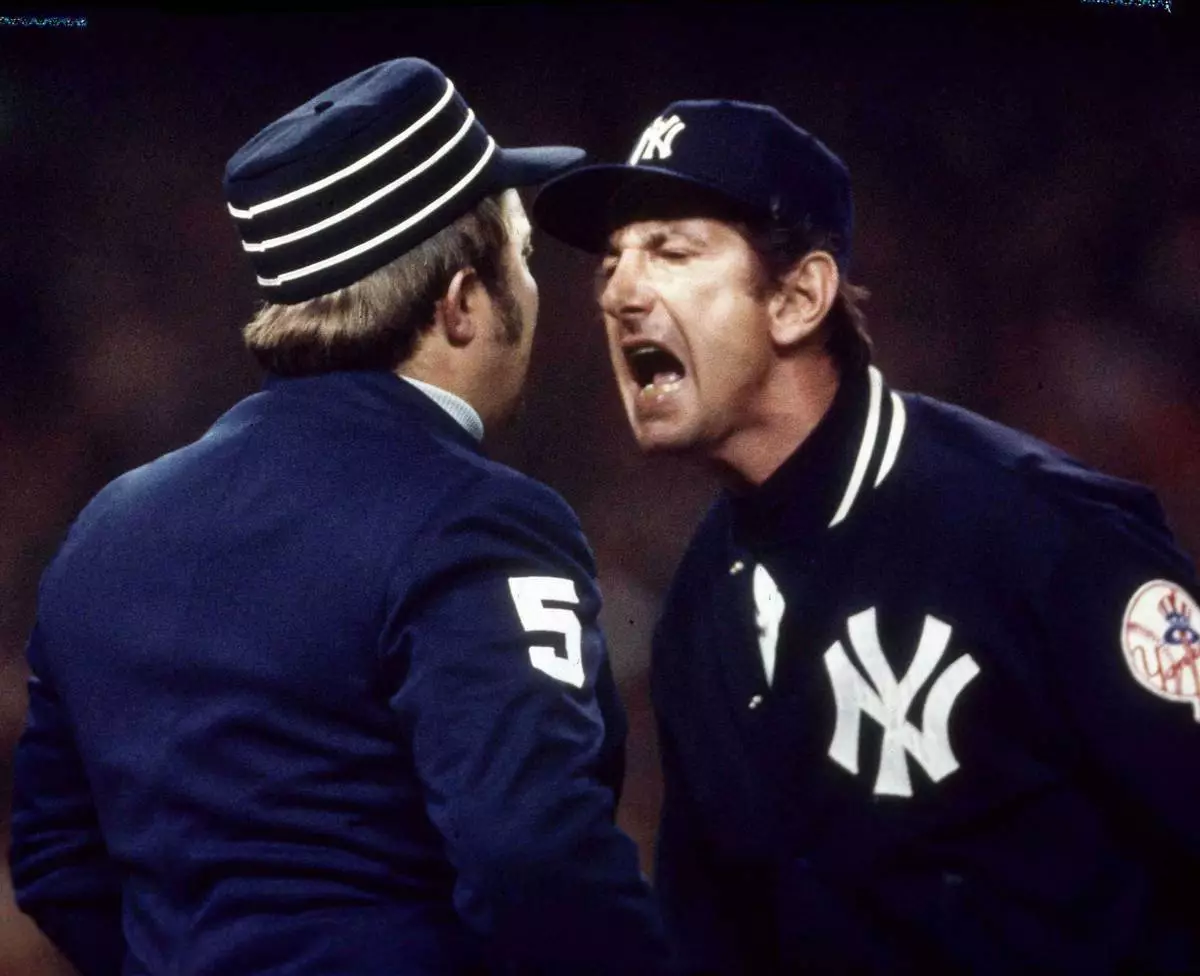
FILE - In this Oct. 21, 1976, file photo, New York Yankees manager Billy Martin argues a call with first base ump Bruce Froemming during the fourth game of baseball's World Series against the Cincinnati Reds at Yankee Stadium in New York. (AP Photo, File)