WASHINGTON--(BUSINESS WIRE)--Mar 25, 2026--
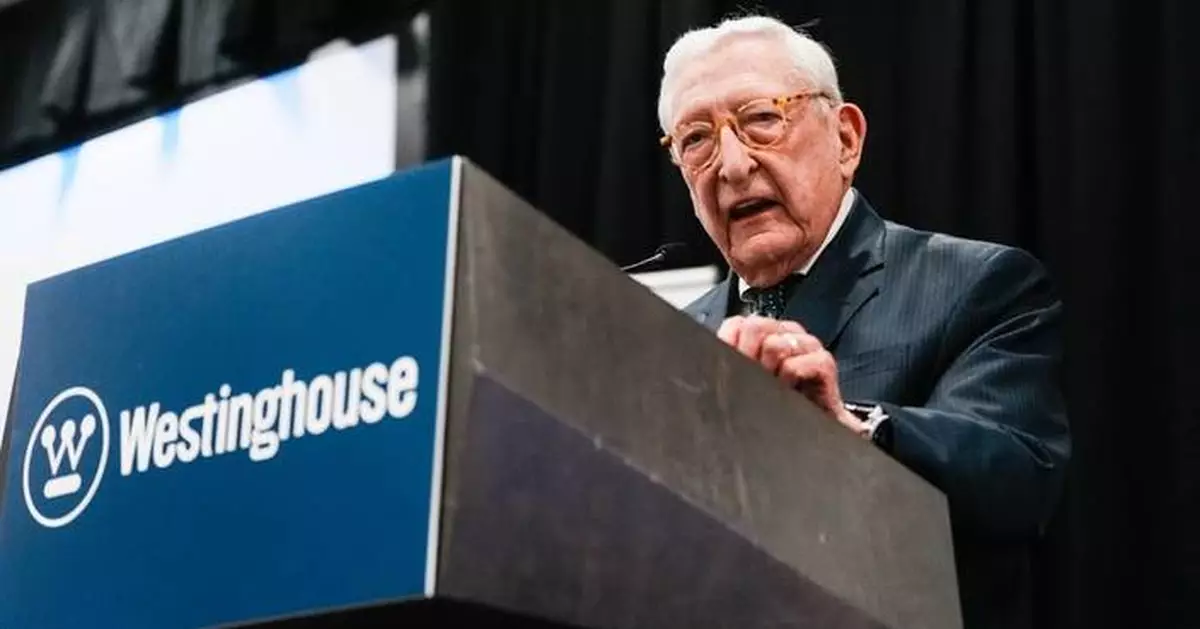
More than 40 Westinghouse Electric Company supply chain partners gathered in Washington, D.C., to meet with members of the U.S. Congress to share the benefits of building a U.S. fleet of AP1000 ® plants, the only advanced, grid-scale reactor that is commercially available today.
This press release features multimedia. View the full release here: https://www.businesswire.com/news/home/20260325865059/en/
Through more than 100 meetings with their Congressional delegations, Westinghouse and its suppliers shared the economic impact and manufacturing jobs created in their states by building a fleet of AP1000 units. Fully licensed and construction-ready, the advanced AP1000 modular reactor is positioned to deliver on the Trump Administration’s plan to build a fleet of large nuclear reactors. In addition, the AP1000 plant is the world’s most proven advanced reactor, including two units in commercial operation at Plant Vogtle that are setting industry records for performance.
“Work to deliver an AP1000 reactor can begin immediately, answering the Administration’s call for new gigawatt-scale nuclear while creating high-paying, highly skilled jobs across the country,” said Dan Sumner, Interim Chief Executive Officer, Westinghouse. “Westinghouse and our experienced supply chain are prepared to start nuclear construction at scale in the United States, supporting tens of thousands of American jobs and delivering more than $92 billion in GDP. We appreciate the continued support of Congress on key policies that will support and enable nuclear construction in the U.S.”
Westinghouse suppliers outlined how a fleet deployment of AP1000 plants will boost the competitiveness of the nation’s most energy intensive industries, such as artificial intelligence and advanced manufacturing. The proven AP1000 unit is the quickest way to add advanced nuclear generation to the grid to meet the rising demand from American homes and businesses. America’s supply chain, construction industry and labor unions are ready to deliver new nuclear now.
The advanced AP1000 reactor is the only operating Generation III+ reactor with fully passive safety systems, modular construction design and the smallest footprint per MWe on the market. There are six AP1000 reactors currently setting operational performance and availability records worldwide with 14 additional reactors under construction and five more under contract. The AP1000 technology has been selected for nuclear energy programs in Poland, Ukraine and Bulgaria, and is also under consideration at multiple other sites in Europe, the Middle East and North America.
Suppliers joining Westinghouse in Washington, D.C., included:
Westinghouse Electric Company is the future of energy, providing reliable, innovative nuclear technologies and services globally. Westinghouse pioneered commercial nuclear power, delivering the world’s first commercial pressurized water reactor in 1957. The company has industrialized more nuclear reactors than any other company, with its technology forming the basis of half of the world's operating nuclear plants. More than 140 years of innovation makes Westinghouse the preferred partner for advanced technologies covering the complete nuclear energy life cycle. For more information, visit www.westinghousenuclear.com and follow us on Facebook, LinkedIn and X.
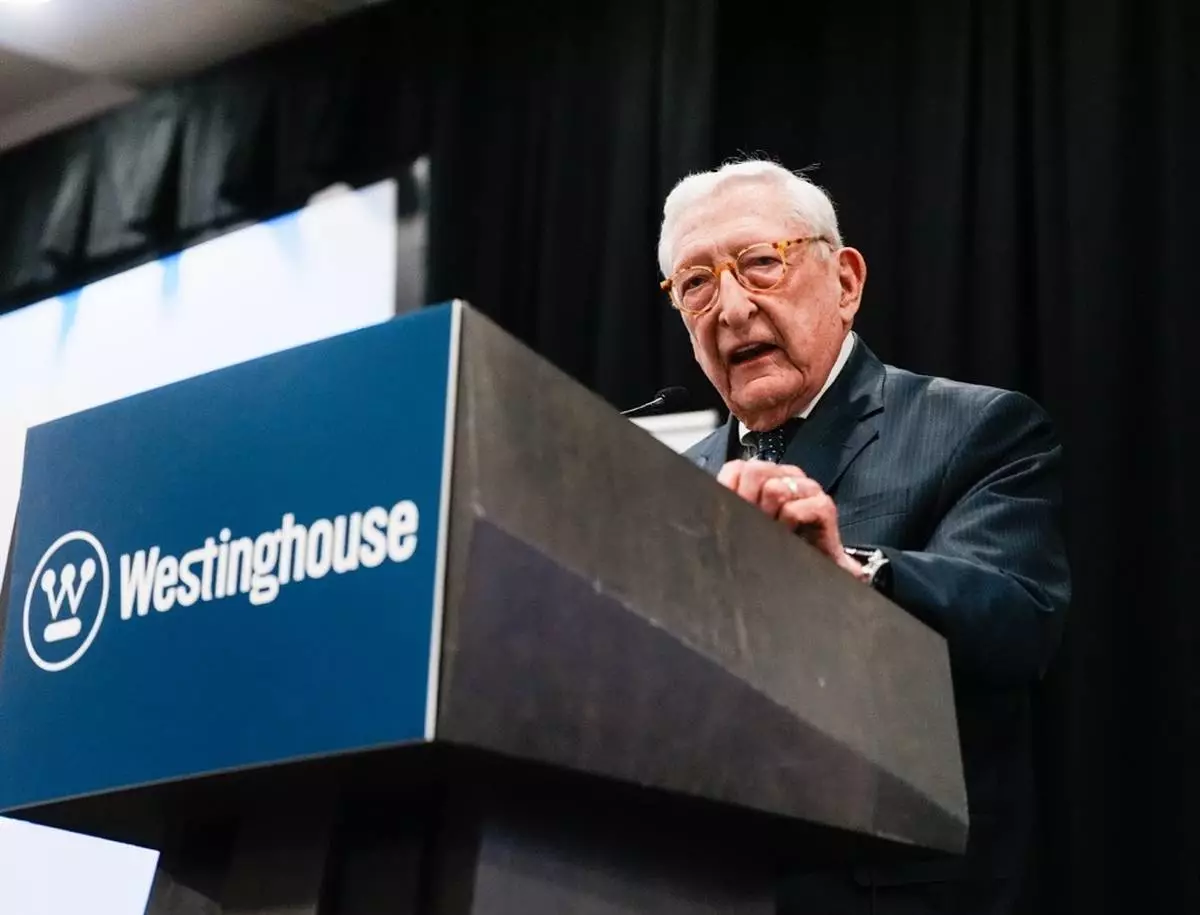
Assistant U.S. Secretary for Nuclear Energy, Ted Garrish, spoke to AP1000 suppliers on Tuesday, March 24, 2026.
The U.S. Environmental Protection Agency said Wednesday that it would temporarily allow widespread sales of a higher ethanol gas blend in a move that they hope will tamp down consumer prices that have soared since the Iran war began.
The sale of E15 is typically discontinued in the summer because it can contribute to harmful air pollution.
“President Trump is unleashing American Energy Dominance, and today’s action will directly lower prices at the pump and gives a clear demand signal to our domestic biofuels producers," U.S. Agriculture Secretary Brooke Rollins said in a statement.
The summer waiver for E15 has become commonplace in recent years, and both Republicans and Democrats have called for it to become year-round and permanent to lower prices at the pump. In some states it's already allowed.
In Kansas, Democratic Rep. Sharice Davids has requested and been granted emergency waivers for E15 for several years, from EPA administrations under presidents of both parties. This week U.S. Sen. Amy Klobuchar, a Democrat from Minnesota, urged the Trump administration to take “a no-cost, immediate step” to curb rising domestic fuel costs amid the Iran war.
But not all are convinced the move will substantially lower gas prices. E15 isn't available in all states and some places don't have the necessary infrastructure or enough of a supply of ethanol to ramp up use, said Kenneth Gillingham, a professor at the Yale School of the Environment who studies the impacts of transportation regulations on prices, emissions and consumer welfare.
Gillingham also said the higher levels of corrosive ethanol in E15 can be a risk especially to older cars, boats and all-terrain vehicles.
More corn used for ethanol also means less can be used for animal feed, said Jason Hill, a professor at the University of Minnesota who studies food, energy markets and environmental consequences. That means consumers could be trading lower costs at the pump for higher costs at the grocery store.
“I think it’s difficult to see when the ledger's settled, how this is a benefit for U.S. consumers,” Hill said.
Hill said he thought the announcement was targeted more at farmers hit hard by higher diesel prices used to run their equipment and by price hikes to fertilizer caused by the Iran war. He said similar announcements have been made before as a way to express support for “agriculture and those who drive.”
Gillingham also said the move comes at a cost beyond economics.
”There’s more likely to be ozone issues in the summer and some people will die," he said. “It will lead to some earlier heart attacks and it will lead to some earlier respiratory issues that wouldn’t have been the case otherwise.”
The oil industry has generally opposed expansion of E15, arguing that biofuel blending is costly and raises gasoline prices. But a vice president at the American Petroleum Institute wrote in a statement that they supported this move. “By temporarily easing summer fuel requirements, this action helps ensure American consumers continue to have access to affordable, reliable energy,” Will Hupman said.
This story has been updated to correct U.S. Rep. Sharice Davids’ party affiliation. She is a Democrat, not a Republican.
Follow Melina Walling on X @MelinaWalling and Bluesky @melinawalling.bsky.social.
The Associated Press’ climate and environmental coverage receives financial support from multiple private foundations. AP is solely responsible for all content. Find AP’s standards for working with philanthropies, a list of supporters and funded coverage areas at AP.org.
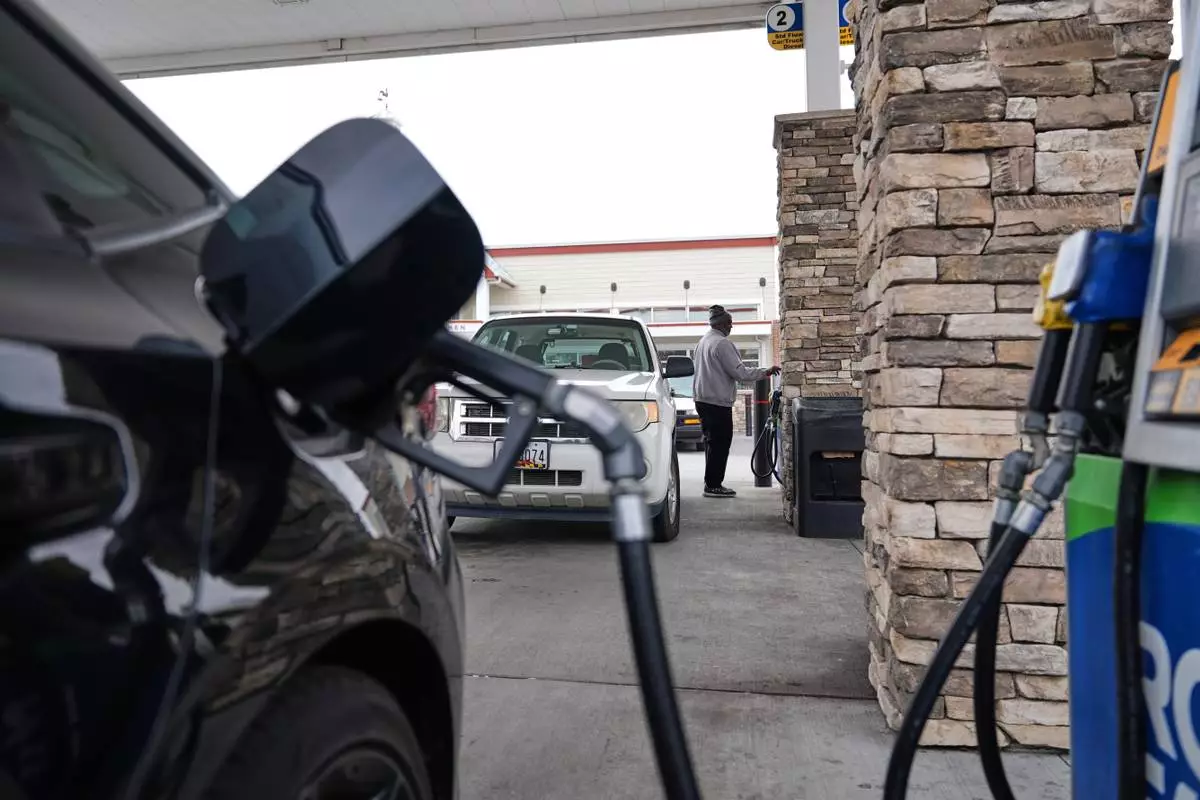
FILE - A person fuels their vehicle at a gas station March 19, 2026, in Baltimore. (AP Photo/Stephanie Scarbrough, File)
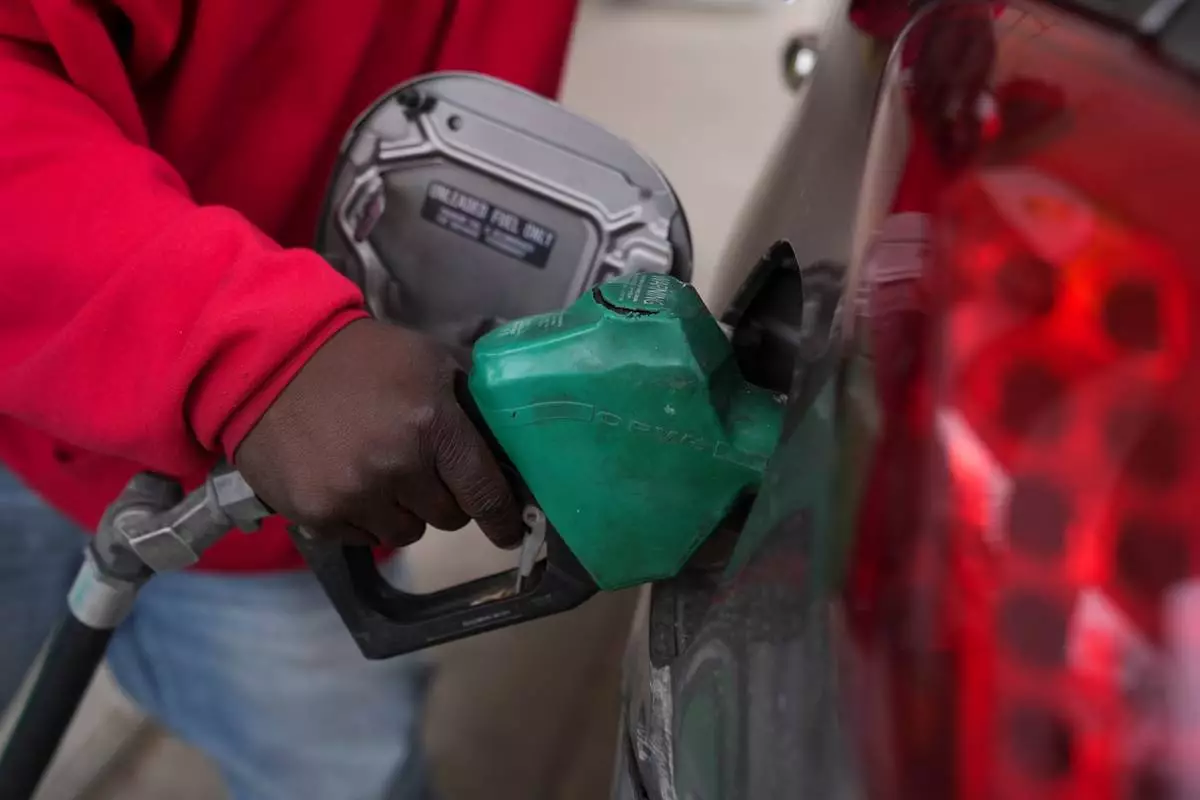
FILE - Dave Thomas purchases gasoline at a station March 24, 2026, in Chicago. (AP Photo/Erin Hooley, File)
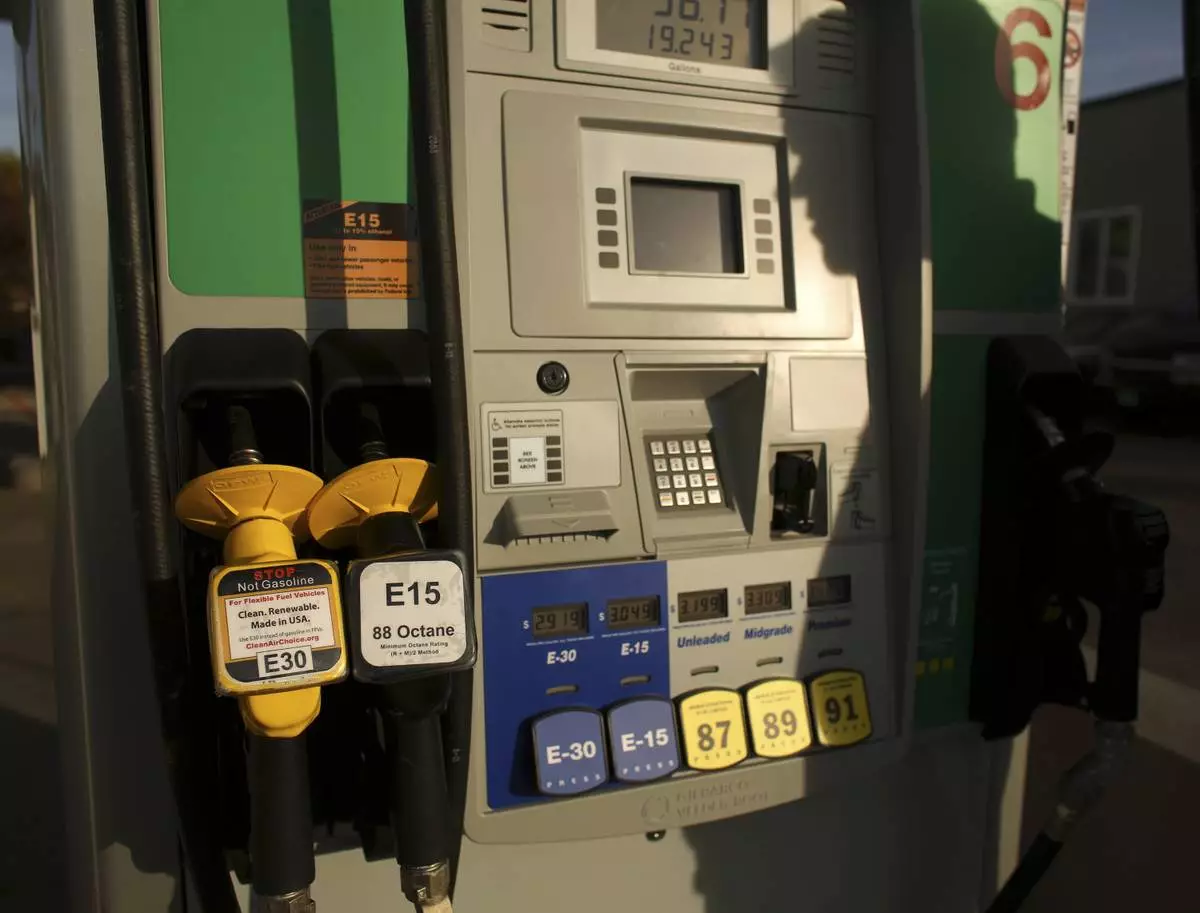
FILE - A shadow is reflected on new pumps at Rich Bohnen's service station in Minneapolis on Oct. 28, 2013. (Jeff Wheeler/Minnesota Star Tribune via AP)