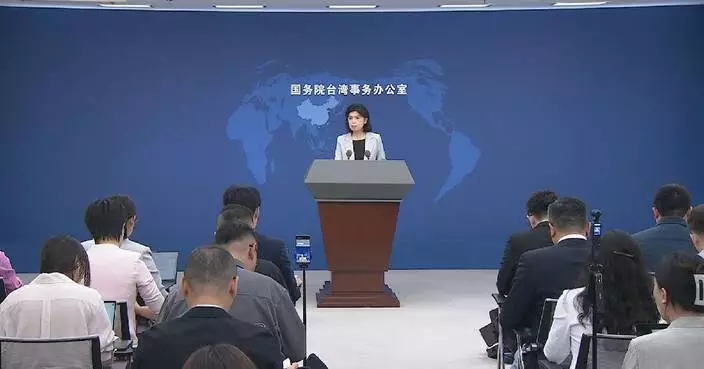
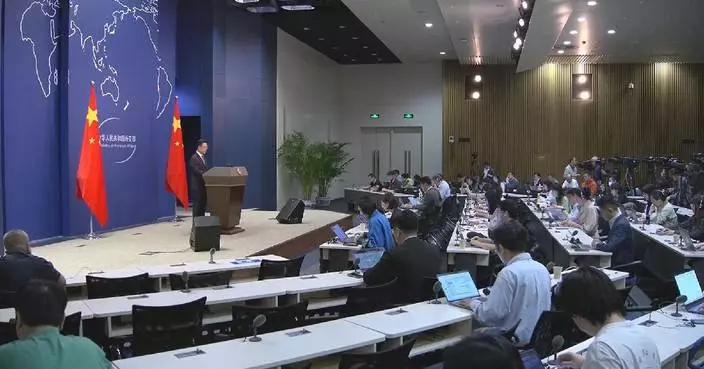
China's Ministry of National Defense on Thursday vowed stronger capabilities and more diverse means to strike secessionist forces in Taiwan and oppose external interference.
The remarks were made by Jiang Bin, a spokesperson for the ministry, at a regular press briefing when responding to a question about two new guided-missile destroyers, Dongguan and Anqing, which recently completed their first formation training and live-fire exercises after being commissioned.
Jiang said achieving China's complete reunification is a prevailing trend, a just cause and the will of the people, pledging that the military will continue to strengthen combat readiness.
"Secessionists advocating 'Taiwan independence' would only face a dead end if they resist reunification by force," he said.
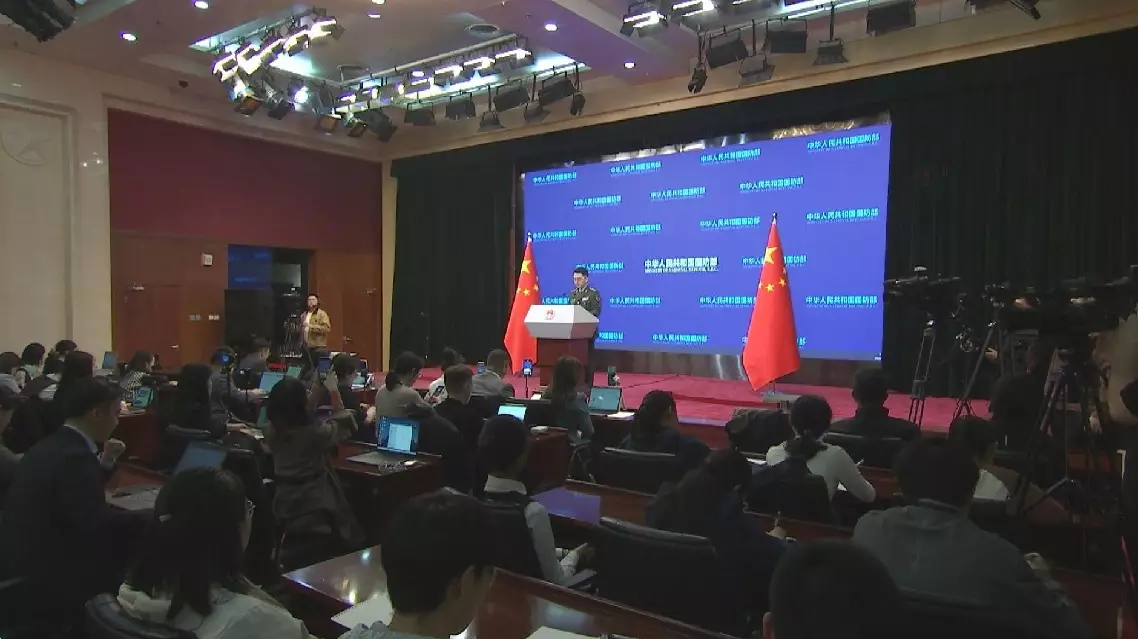
Chinese military vows stronger capability against secessionists in Taiwan
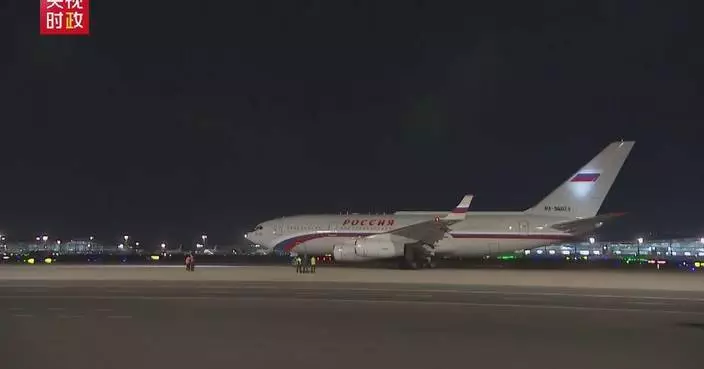
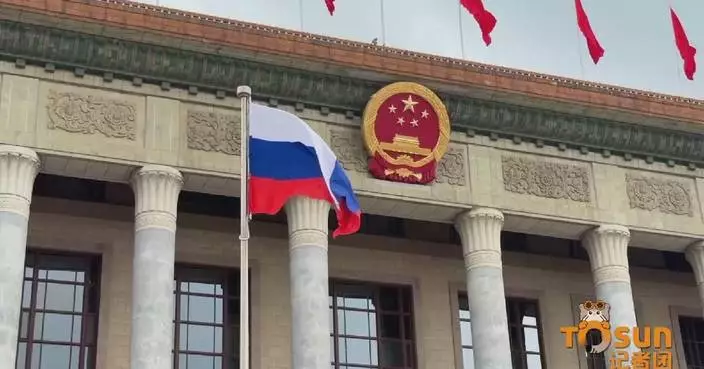
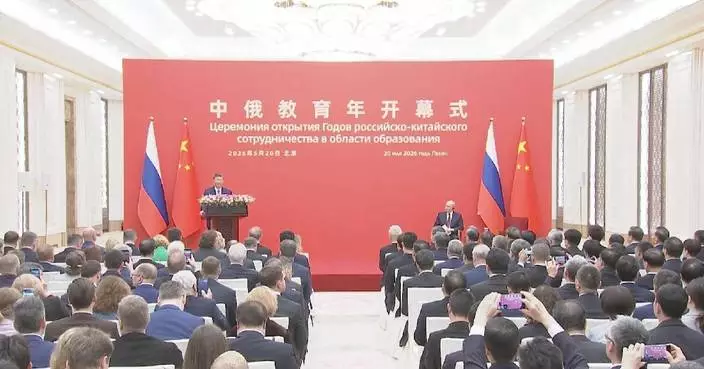
Chinese President Xi Jinping and Russian President Vladimir Putin had a tea chat on Wednesday night at the Great Hall of the People in Beijing.
Xi said that over the years, he and Putin have maintained frequent and close exchanges, and jointly created a new model of major-country relations featuring mutual respect, fairness and justice, and win-win cooperation, injecting the much-needed stability into a changing and turbulent world.
Noting that the two sides have reached new important consensus on promoting the China-Russia comprehensive strategic partnership of coordination, Xi expressed the confidence that with unremitting efforts from both sides, China-Russia relations will surely build on the momentum of high-quality development and scale new heights.
Hailing the visit as pragmatic, efficient and fruitful, Putin said he and Xi have reviewed the development of Russia-China relations, held in-depth exchanges of views on a wide range of issues, and charted the course for future cooperation, which will help ensure robust momentum for the bilateral relationship.
Russia looks forward to maintaining close communication with China, strengthening strategic coordination, and making new contributions to world peace and prosperity through the certainty and stability of Russia-China relations, Putin said.
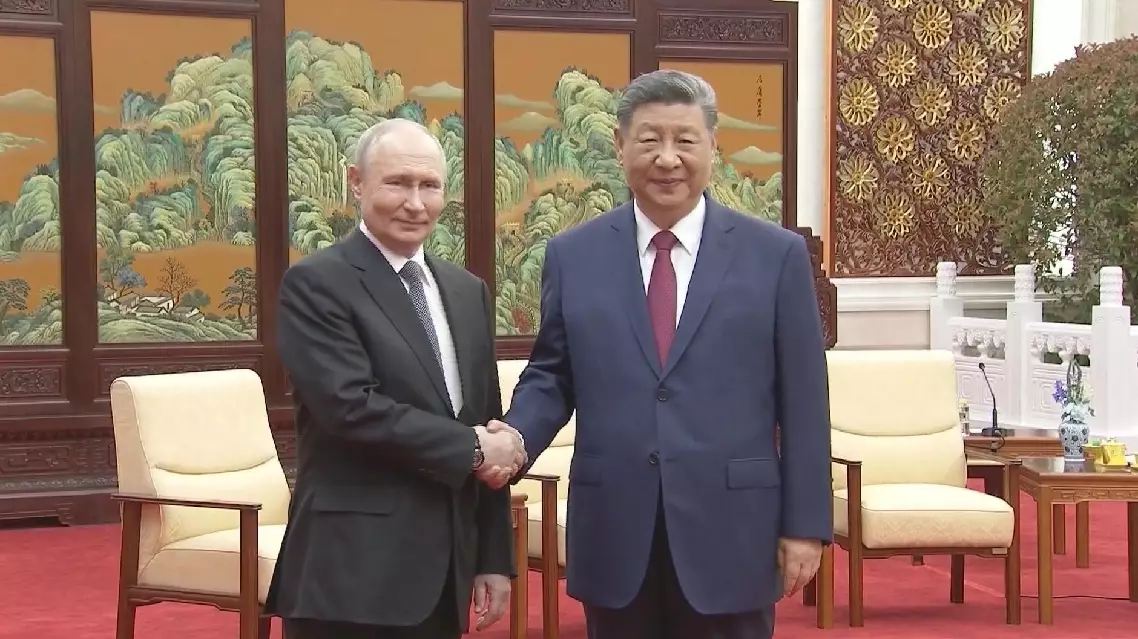
Xi, Putin have tea chat in Beijing