NEW YORK (AP) — Rare footage of a sperm whale giving birth has offered scientists a window into the behavior of these large, elusive mammals.
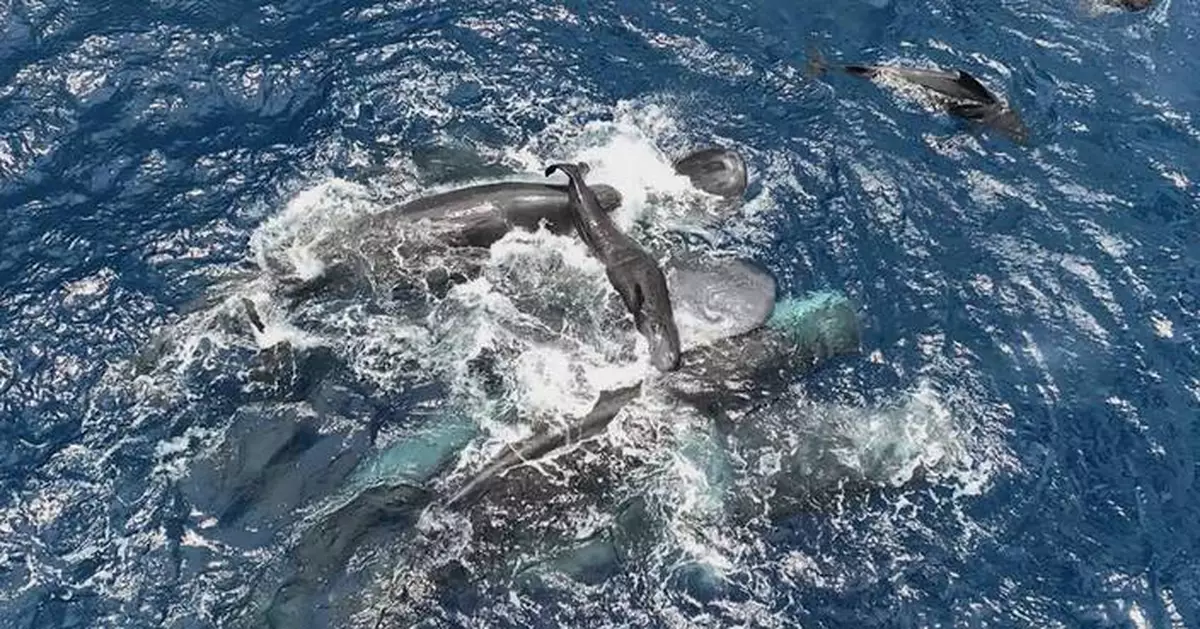
The video taken in 2023 shows female whales from two family lines working together to support the labor during critical moments and lift the newborn calf above the water. It's a level of coordination that's extremely uncommon in the animal kingdom, especially outside of primates like monkeys and humans.
“The group quite literally helps bring the calf into the world,” said Oregon State University behavioral ecologist Mauricio Cantor in an email. He had no role in the new research.
Scientists want to know how whales cooperate and socialize in the wild, but it's tough to study this in animals that spend most of their time underwater. There are just a handful of sperm whale birth records from the past 60 years, and all are anecdotal accounts or from whaling boats.
Several years ago, researchers were studying whale communication on a boat off the Caribbean island of Dominica when they noticed something odd. Eleven whales — most of them female — surfaced, their heads facing one another, and started thrashing and diving above and below the water. The scientists immediately took out drones and microphones to capture the event.
The full delivery took about 30 minutes. For hours afterward, pairs of whales held the baby above the water until it was able to swim.
“This was just really a special event,” said study co-author David Gruber with the Cetacean Translation Initiative, or Project CETI.
After observing the birth, the scientists created software to analyze exactly what was going on. They chronicled the sights and sounds in two studies published Thursday in the journals Scientific Reports and Science.
What struck the researchers was how many mother, sister and daughter whales united to support the new calf, even ones that weren't related. Sperm whales live in close-knit, female-led societies, and the new observations show how those dynamics persist in the animals' most significant and vulnerable moments.
“It's amazing to think about how, when faced with this impossible challenge, these animals come together to succeed,” said study co-author Shane Gero, also with Project CETI.
Scientists also noticed that the whales made different sounds during key moments of the birth, including slower, longer sets of clicks. These noises could have aided with communication, helping the animals sync up for the birthing effort.
The findings unearth a trove of questions. How did the group of whales form in the first place? How did they know to join?
It's unclear when scientists might figure out the answers, especially when video footage is scarce and so hard to secure. But the new findings can at least partially clue us into the whales' hidden conversations.
“I think it's just exciting to think about the social lives of these animals,” said biologist Susan Parks with Syracuse University, who wasn't involved with the new studies.
AP video journalist Mustakim Hasnath contributed to this report.
The Associated Press Health and Science Department receives support from the Howard Hughes Medical Institute’s Department of Science Education and the Robert Wood Johnson Foundation. The AP is solely responsible for all content.
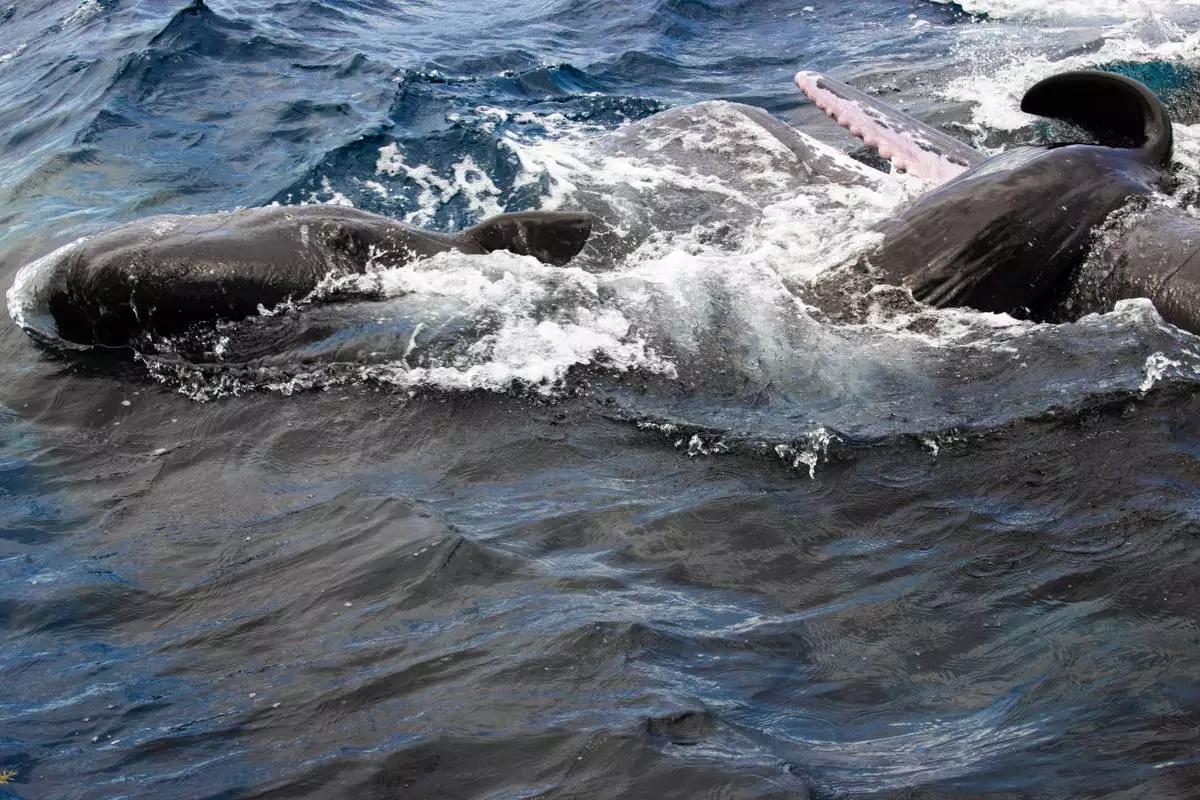
This 2023 image provided by Project CETI shows a newborn sperm whale born off the coast of the Caribbean island of Dominica. (David Gruber/Project CETI via AP)
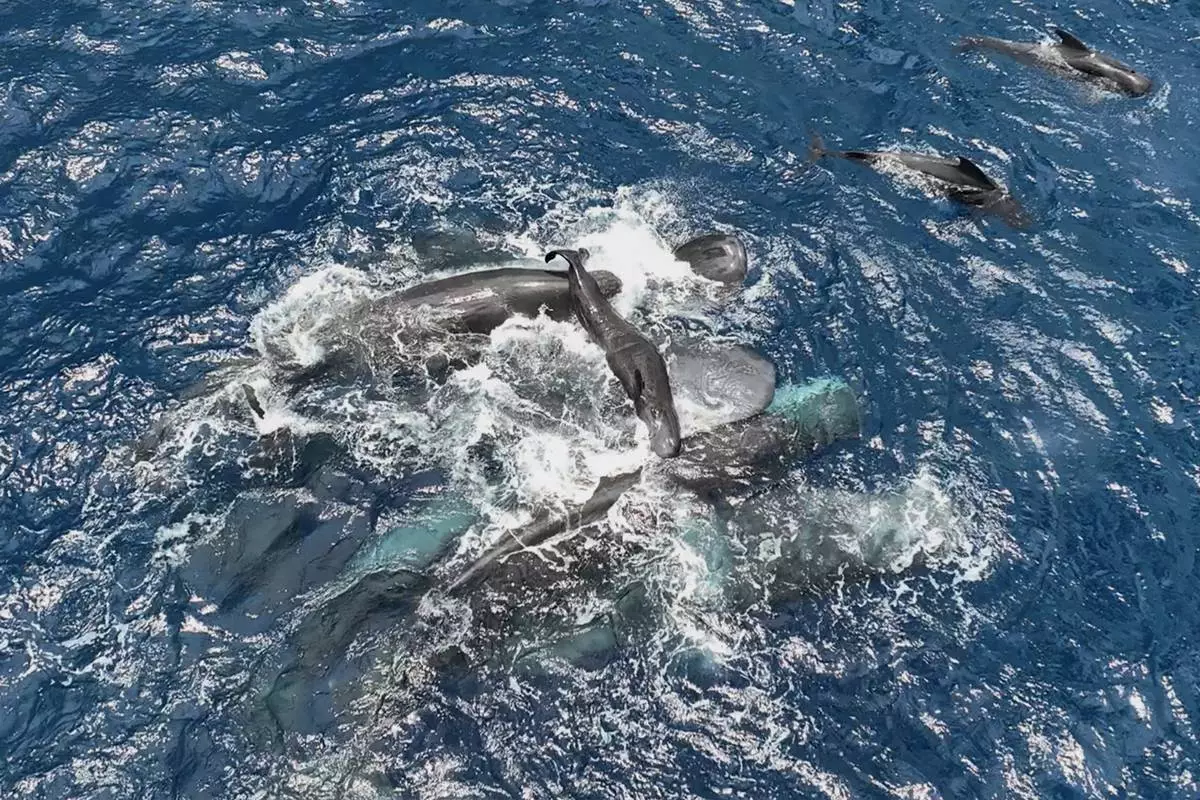
This 2023 photo provided by Project CETI shows female sperm whales holding a newborn calf above the water until it can swim on its own. (Project CETI via AP)
NEW YORK (AP) — Most working women in the U.S. believe they are disadvantaged when it comes to earning competitive wages, but many men hold a different view, according to a new AP-NORC poll.
Equal pay emerged as a major source of concern for working women in the poll and an area where men and women are far apart in their perception of gender equity.
Most women who are employed full-time — about 6 in 10 — say men have more opportunities when it comes to earning competitive wages, according to the survey from The Associated Press-NORC Center for Public Affairs Research, while about one-third think neither gender has an advantage. About 3 in 10 employed women say they have personally experienced wage discrimination because of their gender.
Men who are employed full-time are more divided: About 4 in 10 believe men have an advantage when it comes to wages, while about half think both genders have about the same opportunities and about 1 in 10 say women have more opportunities. Just about 1 in 10 men say they have personally experienced wage discrimination because of their gender.
The survey also found that a majority of employed women say the amount of money they get paid is a “major” source of stress in their life right now, compared to about 4 in 10 employed men.
The findings come at a time when men’s earnings are rising faster than women’s, and the gender wage gap has widened for two years in a row, according to the U.S. Census Bureau.
Reflecting that shift, Equal Pay Day — which symbolizes how many more days into the year women have to work for their earnings to catch up with men — was Thursday, falling a day later than in 2025. That was still 16 days earlier than the first Equal Pay Day on April 11, 1996, when women earned about 75 cents for every dollar earned by men.
The country is deeply divided over how to confront gender pay disparity. A growing number of mostly Democratic-led states are adopting pay transparency laws aimed at making it easier to uncover unfair practices, including requiring employers to disclose pay ranges in job postings.
President Donald Trump's second administration, for its part, has hollowed out some agencies and limited legal tools that have been key to investigating unfair pay practices, arguing they threatened meritocracy and presuppose that disparities in the workforce are the result of discrimination.
Jessica Thompson, 47, said she has seen gender bias throughout her working life. Until losing her job in January, Thompson said she earned $65,000 a year as a senior sales manager in Rockford, Illinois, while a male colleague with similar credentials had earned $87,000.
Thompson said she had to “really prove myself over four years to get the role. And you know, he just came in, just within a few months and got it.”
The poll indicates that women are particularly likely to see wages as a pain point. Fewer women, about 2 in 10, say they've been discriminated against in getting hired because of their gender, and men are about as likely to say the same thing.
The overrepresentation of women, especially Black and Hispanic women, in lower-paying jobs is a key driver of the gender wage gap, as is the “motherhood penalty.” Studies show that women's earnings fall after having children while men see their wages increase after becoming fathers.
Earnings for women barely rose in 2024, while male earnings jumped 3.7%, widening the gender wage gap for the second straight year after two decades of slight narrowing, according to the latest annual report from the U.S. Census Bureau, which analyzes earnings for full-time workers. Women working full-time on average earned 80.9% of what men earned in 2024, down from 82.7% in 2023.
Women aren't just likelier than men to be worried about pay equity — the poll also found that employed women are more economically stressed on a range of measures.
About 6 in 10 working women say the cost of groceries and the cost of housing are a “major” source of stress in their lives, and about half, 56%, say this about the amount of money they get paid. By contrast, about 4 in 10 employed men say the same.
Economists attribute the widening pay gap in part to the post-pandemic return to work of many low-wage women, which brought down the average female earnings. But the past two years have also seen a drop-off in the labor force participation rate of mothers with young children, in part because return-to-office mandates have reduced pandemic-era flexibility.
Democratic lawmakers have criticized the Trump administration for making it more difficult to investigate wage discrimination as part of its campaign to stamp out diversity and inclusion practices.
Trump has ordered federal agencies to stop enforcing " disparate impact liability," a concept in civil rights law that has been used in wage discrimination cases against top companies. The Labor Department has also gutted the Office of Federal Contract Compliance Programs, an agency that has audited the pay practices of major companies and obtained hundreds of millions of dollars in compensation for women and minorities who have suffered from unfair policies.
The Equal Employment Opportunity Commission, meanwhile, has pivoted to prioritizing anti-DEI investigations under the premise that men, especially white men, have been discriminated against by practices aimed at advancing women and minorities in the workplace.
The poll suggests that few men see themselves as disadvantaged compared to women in the workplace. Only about 1 in 10 employed men said women had more opportunities when it comes to competitive wages or job advancement.
Michael Bettger, a 51-year-old mechanic who earns $26 an hour in rural Arkansas, said he has seen his wages fall as a result of layoffs and a decade-long struggle with opioid addiction that started after he hurt his back in a worksite accident. But he still believes women struggle more to get ahead in his male-dominated field because of the misogyny he sees, saying other mechanics make jokes about being prone to accidents because female colleagues are a distraction.
“Men do have an advantage and more opportunities for wages. I've seen that first hand,” Bettger said. “I have a daughter who wants to be a mechanic, and I’m scared to death of what kind of work she’s going to get.”
Savage reported from Chicago and Sanders reported from Washington.
The AP-NORC poll of 1,156 adults was conducted Feb. 5-8 using a sample drawn from NORC’s probability-based AmeriSpeak Panel, which is designed to be representative of the U.S. population. The margin of sampling error for adults overall is plus or minus 3.9 percentage points.
The Associated Press’ women in the workforce coverage receives financial support from Pivotal Ventures. AP is solely responsible for all content. Find AP’s standards for working with philanthropies, a list of supporters and funded coverage areas at AP.org.
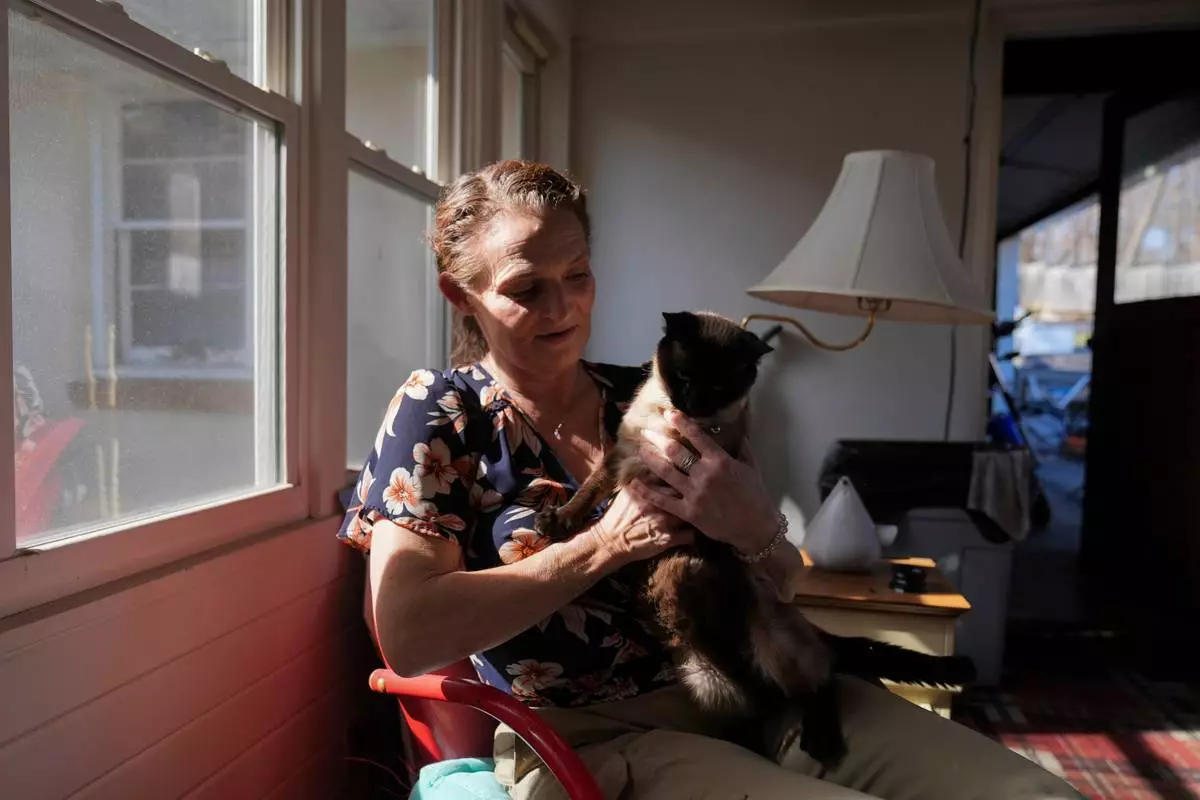
Jessica Thompson, 47, sits for a portrait at her Rockford, Ill., home on Saturday, March 21, 2026. (AP Photo/Erin Hooley)
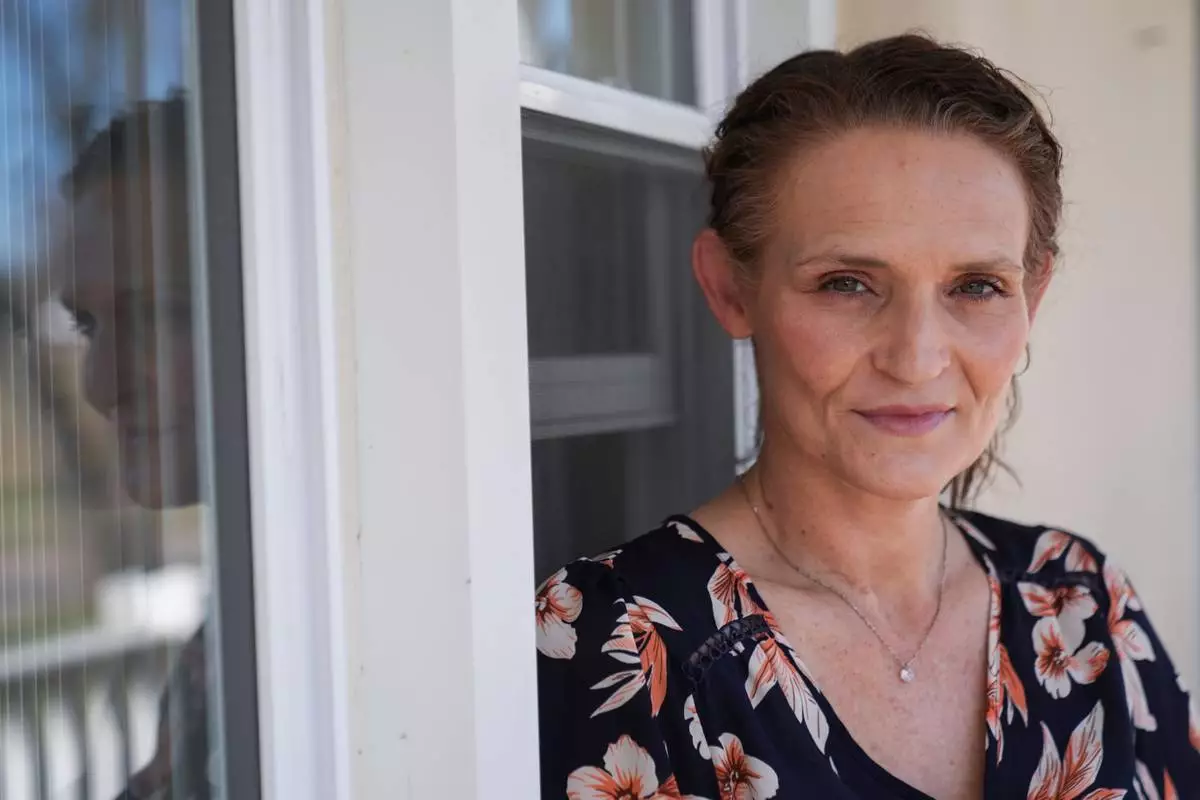
Jessica Thompson, 47, sits for a portrait at her Rockford, Ill., home on Saturday, March 21, 2026. (AP Photo/Erin Hooley)
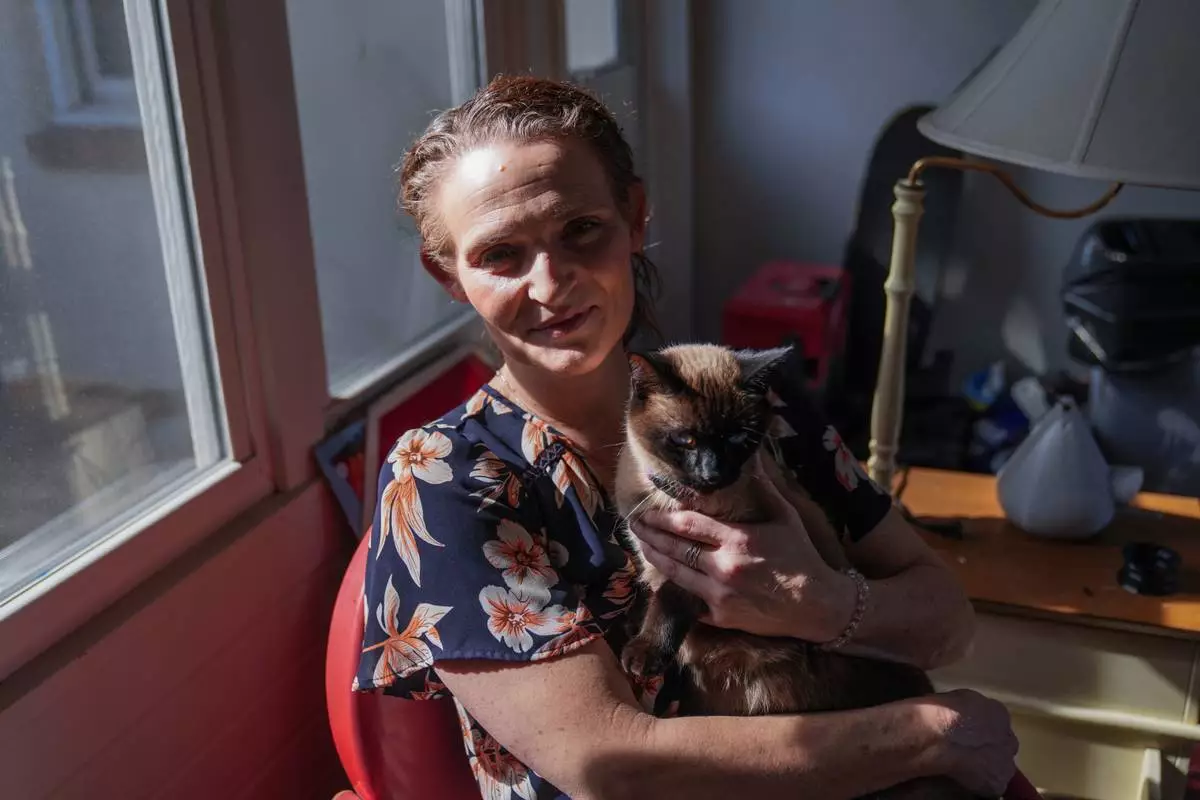
Jessica Thompson, 47, sits for a portrait at her Rockford, Ill., home on Saturday, March 21, 2026. (AP Photo/Erin Hooley)
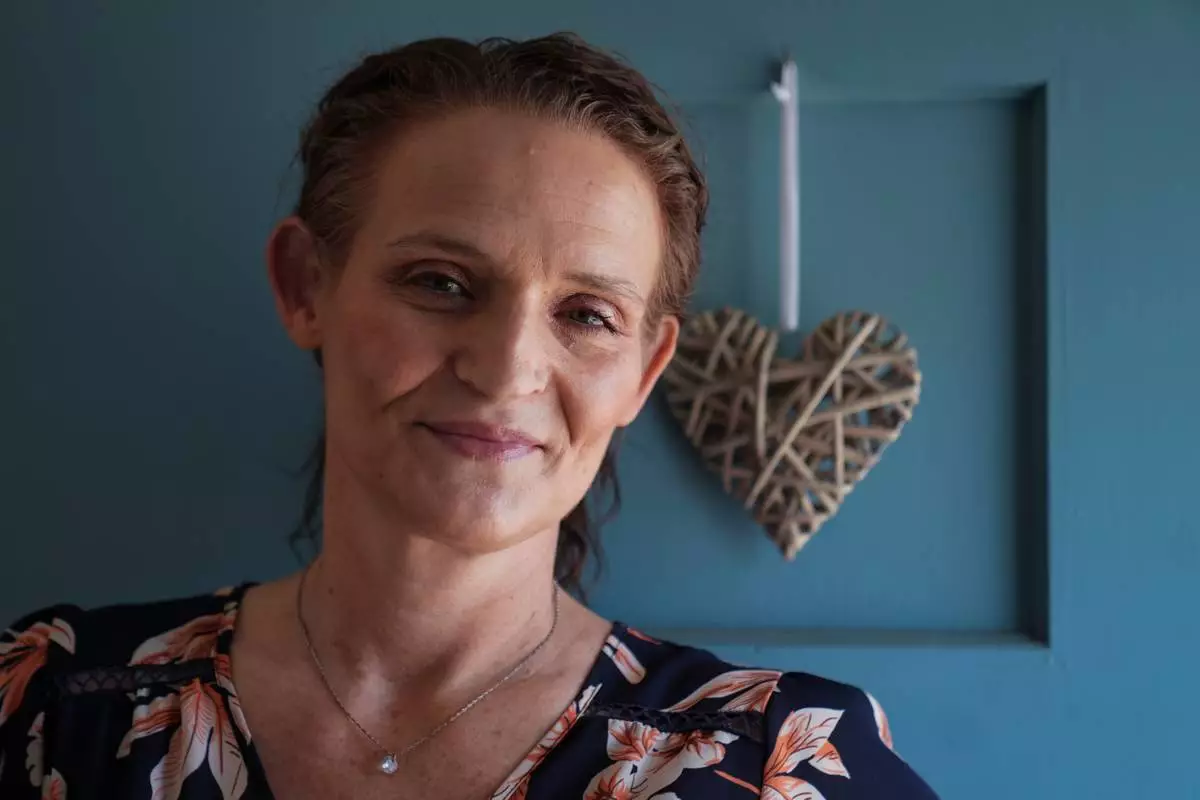
Jessica Thompson, 47, sits for a portrait at her Rockford, Ill., home on Saturday, March 21, 2026. (AP Photo/Erin Hooley)