NEW YORK (AP) — When stock markets are as manic as they've been recently, it’s natural to want to do something to protect your retirement savings. Historically, though, staying calm has usually been best.
The U.S. stock market has a track record of recovering from every steep drop it's taken. Whether it's a global financial crisis, a trade war or a military war, the S&P 500 has so far always recouped its losses to push toward more records. Of course, that can take years, but anyone who moved their 401(k) investments out of stocks risked missing out on the recovery and further gains.
Click to Gallery
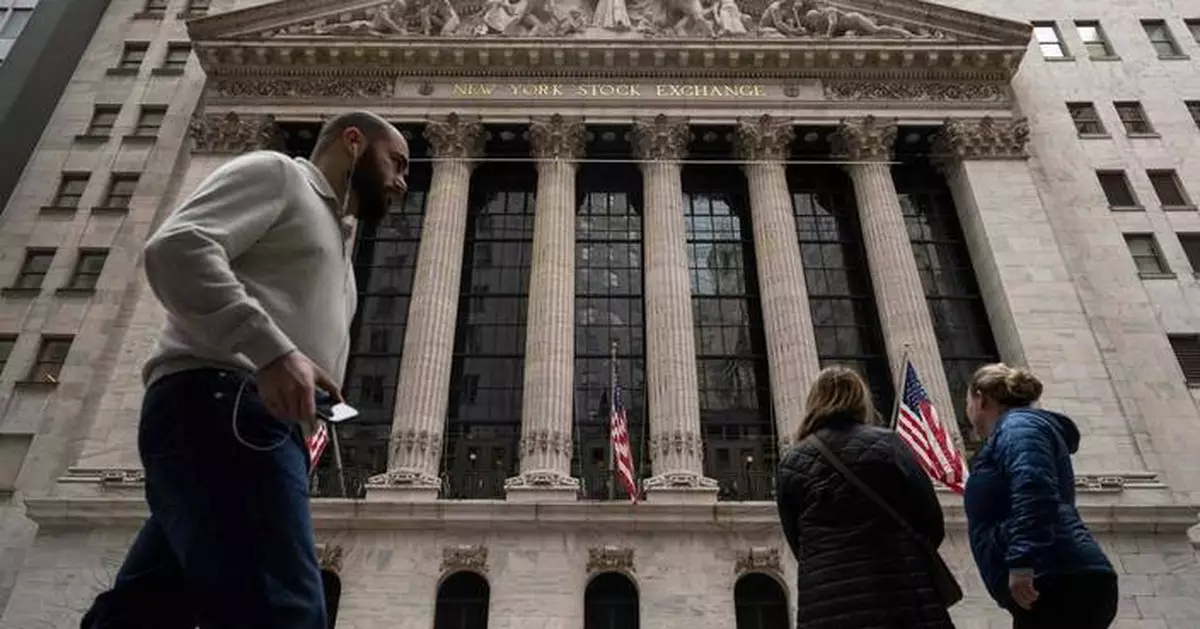
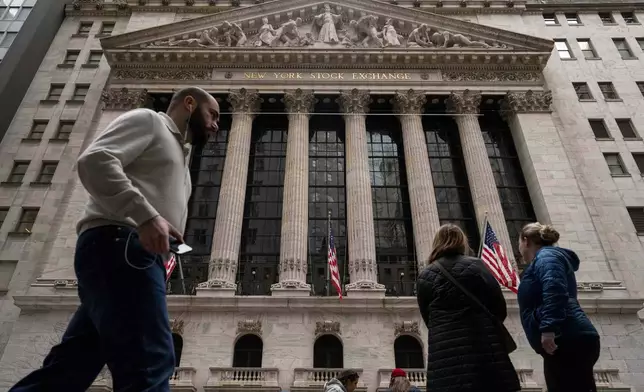
A person walks past the New York Stock Exchange, Friday, March 27, 2026, in New York. (AP Photo/Yuki Iwamura)
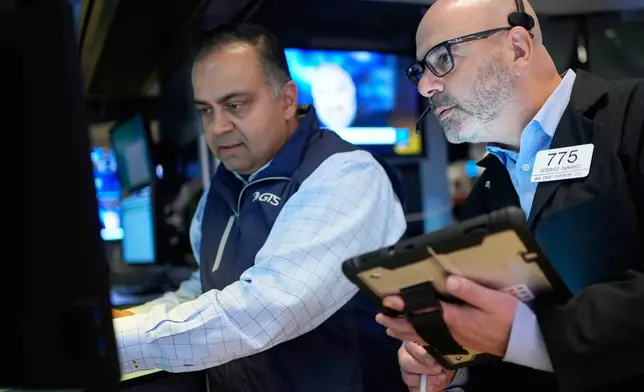
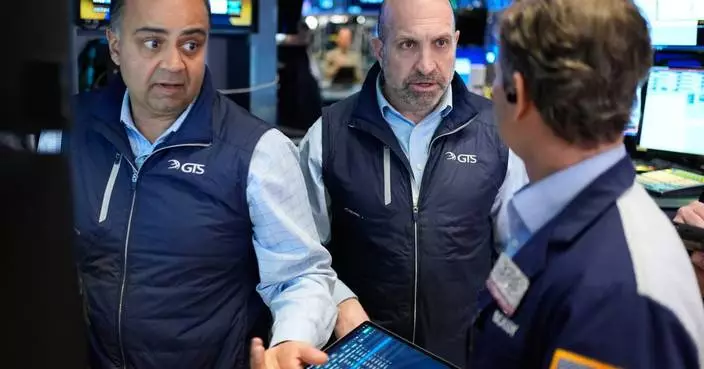
Federico DeMarco, right, and Dilip Patel work on the floor at the New York Stock Exchange in New York, Wednesday, March 25, 2026. (AP Photo/Seth Wenig)
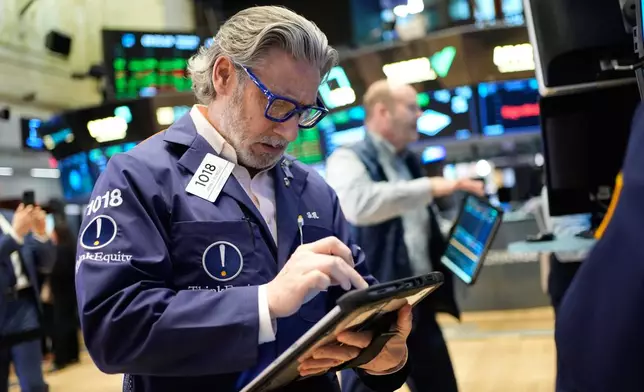
John Romolo works on the floor at the New York Stock Exchange in New York, Wednesday, March 25, 2026. (AP Photo/Seth Wenig)
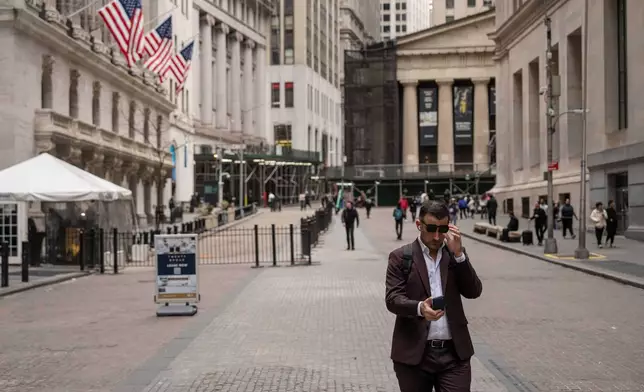
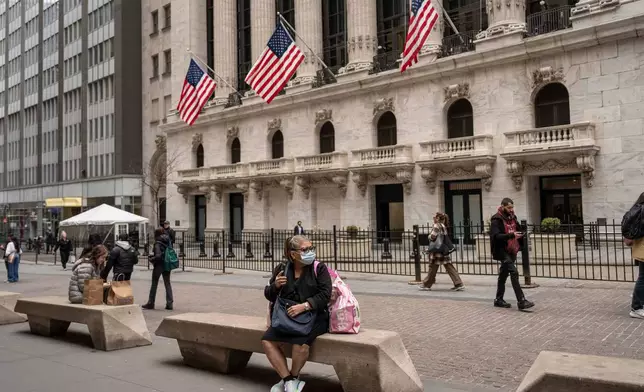
People sit on benches outside the New York Stock Exchange, Friday, March 27, 2026, in New York. (AP Photo/Yuki Iwamura)
People walk past the New York Stock Exchange, Friday, March 27, 2026, in New York. (AP Photo/Yuki Iwamura)
Will that happen again? No one can say for sure, and some things are different this time around. But many professional investors and strategists are sticking with the advice they usually give: As long as it's money you don't need soon, which should never be in stocks in the first place, try to be patient and ride out the stock market's swings, tough as it is.
They gave the same counsel after President Donald Trump unveiled his global tariffs on “Liberation Day” last year, after inflation skyrocketed in 2021 and after COVID crashed the global economy in 2020. Stomaching these kinds of shocks is the price of admission to get the bigger returns that stocks can offer over the long term.
The war in Iran is slowing the global flow of oil and causing extreme swings in markets.
The fighting has halted most of the traffic in the Strait of Hormuz, a narrow waterway off Iran’s coast where a fifth of the world’s oil sails on a typical day. That has sent oil prices as high as $119 per barrel occasionally, up from roughly $70 before the fighting started.
If the war continues until the end of June, strategists at Macquarie say the price of oil could reach $200 per barrel. The record is just above $147, set during the summer of 2008.
If oil prices stay high a long time, the effect would carry far beyond gasoline pumps. It could also push businesses that use any trucks, ships or planes to move their products to raise their own prices. It would also make electricity from gas-fired power plants more expensive.
The S&P 500 just fell to a fifth straight losing week, its longest such streak in nearly four years. It's roughly back to where it was in August, and it's 8.7% below its record set early this year.
The Dow Jones Industrial Average and the Nasdaq composite, meanwhile, have both already dropped more than 10% from their own records. That's a steep-enough fall that professional investors have a name for it: a “correction.”
It's not just how much the market has dropped that's unnerving, it's also how unsteady the moves have been. The U.S. stock market yo-yoed repeatedly through this past week as hopes rose and fell about a possible end to the war.
The U.S. stock market doesn't often behave exactly like this, but it has a regular history of falling to steep losses before rising again.
The S&P 500 has seen a decline of at least 10% every year or two. Often, experts view them as a culling of optimism that could otherwise run overboard and drive stock prices too high.
“I believe getting a correction is not a bad thing,” said Ann Miletti, head of equity investments at Allspring Global Investments. “In some ways, I feel like that is what keeps the market from having a bigger issue.”
“It keeps all of us honest,” she said.
Selling your stocks or moving your 401(k) investments away from stocks and into bonds may offer less chance of seeing huge drops. But getting out of the market would also mean having to figure out the right time to get back in, unless you're willing to give up any future recovery and gains.
And timing the market correctly is always difficult. Some of the best days in the U.S. stock market’s history have been clustered in among downturns.
Some recoveries take longer than others, but experts often recommend not putting money into stocks that you can’t afford to lose for several years, up to 10. Emergency funds, for things like home repairs or medical bills, should not be invested in stocks.
Apps on smartphones have made trading easier and cheaper than ever. That's helped draw in a new generation of investors who may not be used to such wild swings in the market.
But the good news is younger investors often have the gift of time. With decades to go until retirement, they can afford to ride the waves and let their stock portfolios hopefully recover before compounding and eventually growing even bigger. For them, drops in prices may almost be like stocks going on sale.
Older investors have less time than younger ones for their investments to bounce back.
People who have already retired may want to cut back on spending and withdrawals after sharp market downturns, because bigger withdrawals will remove more potential compounding ability in the future. But even in retirement, some people will need their investments to last 30 years or more.
If you have no other choice, you have no other choice. But selling stocks in your 401(k) account and withdrawing cash packs a double whammy. One, you may have to pay tax, as well as a possible 10% early-withdrawal penalty. Two, a withdrawal means no chance of those investments recovering their losses and growing over time.
A 401(k) loan is possible in some cases, but those come with their own peculiarities and possible penalties.
You don't have to pay as much attention to any of this. Defined-benefit pensions, which few U.S. workers still have, mean you're in line to get a defined payment regardless of what the stock market does.
When stocks are falling, prices for Treasury bonds and gold often rise as investors move into investments considered safer. That's why many advisers suggest keeping a diversified portfolio, to help smooth out shocks.
This time around, though, Treasury prices have been hurt by worries about high oil prices and inflation. That in turn has sent the yield on the 10-year Treasury above 4.40%, up from just 3.97% before the war began.
Gold's price has also struggled despite its reputation as a safe harbor during uncertain times. That's because bonds paying more in interest make gold, which pays its investors nothing, look less attractive in comparison.
No one knows, and don’t let anyone tell you otherwise.
AP Writer Cora Lewis contributed.
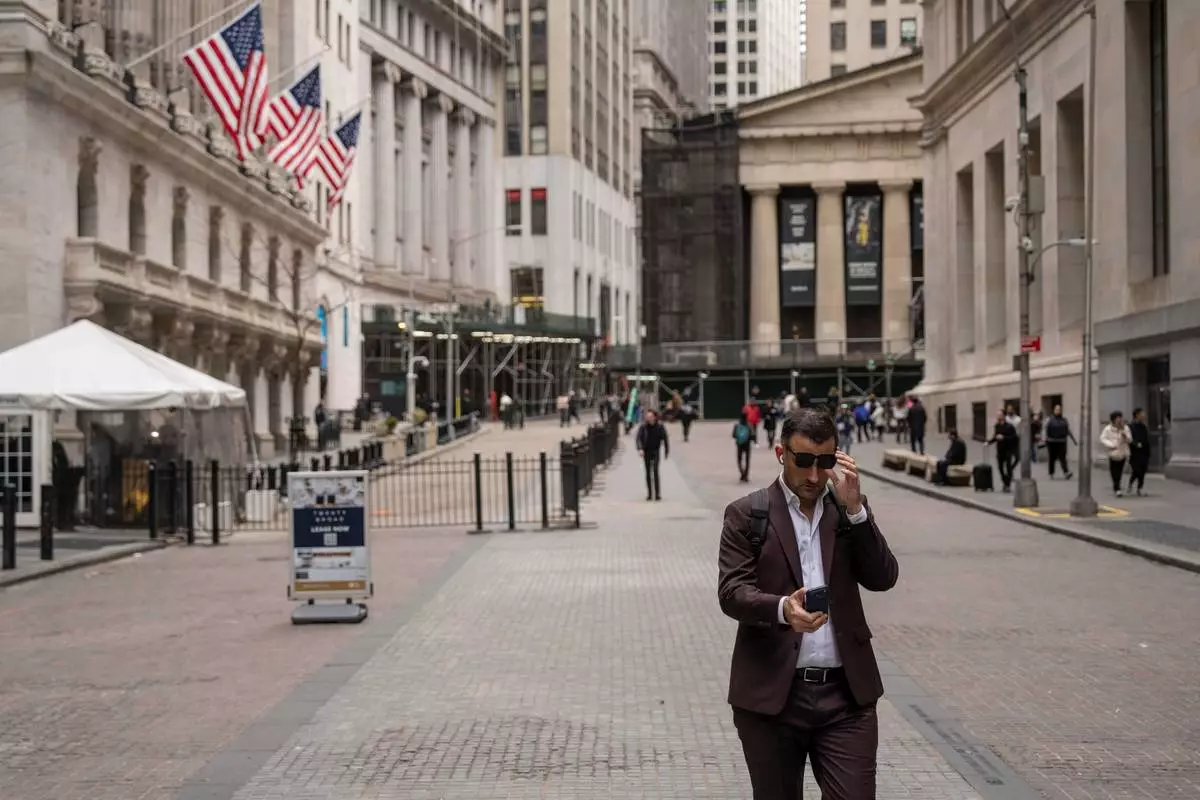
A person walks past the New York Stock Exchange, Friday, March 27, 2026, in New York. (AP Photo/Yuki Iwamura)
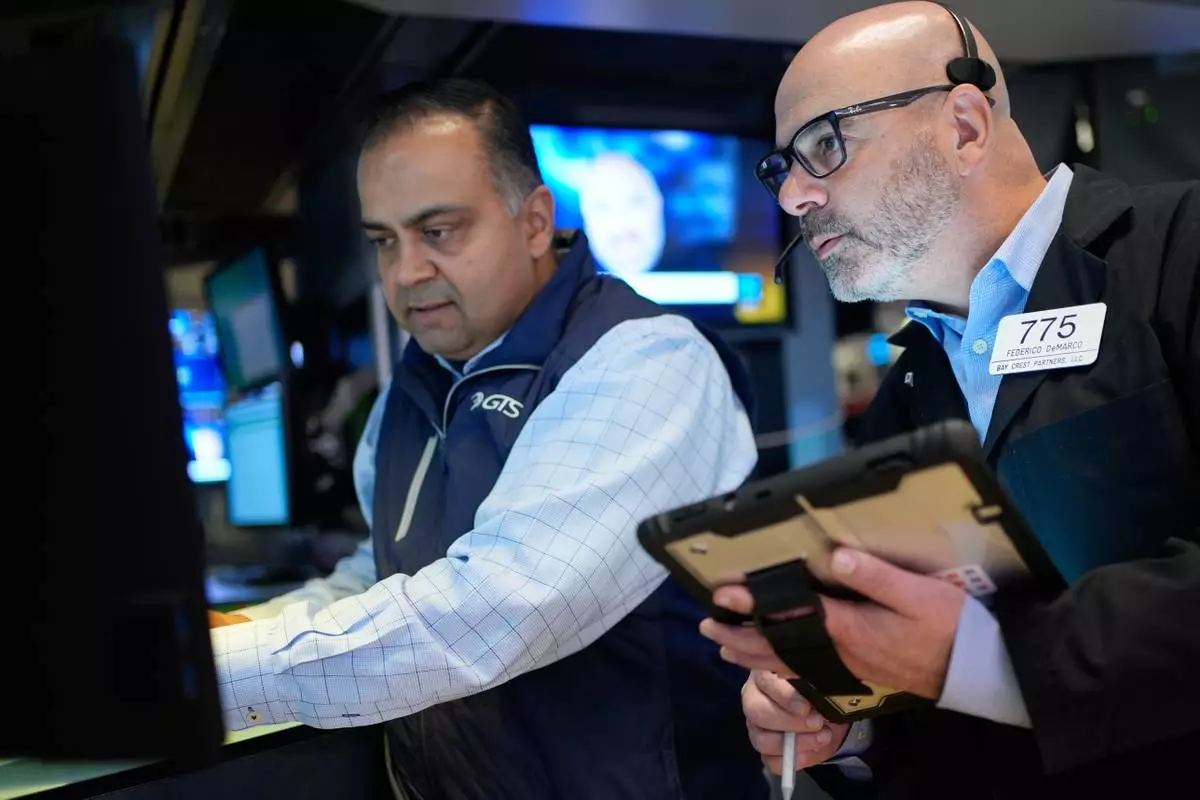
Federico DeMarco, right, and Dilip Patel work on the floor at the New York Stock Exchange in New York, Wednesday, March 25, 2026. (AP Photo/Seth Wenig)
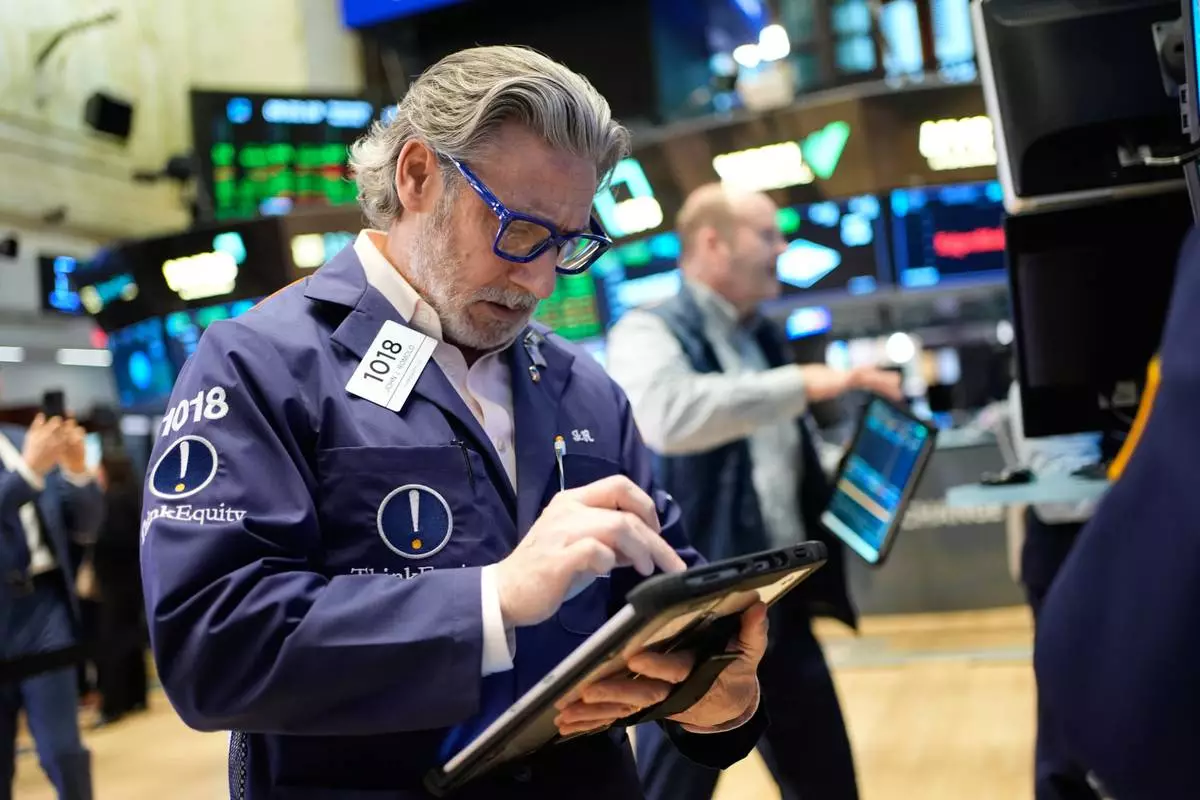
John Romolo works on the floor at the New York Stock Exchange in New York, Wednesday, March 25, 2026. (AP Photo/Seth Wenig)
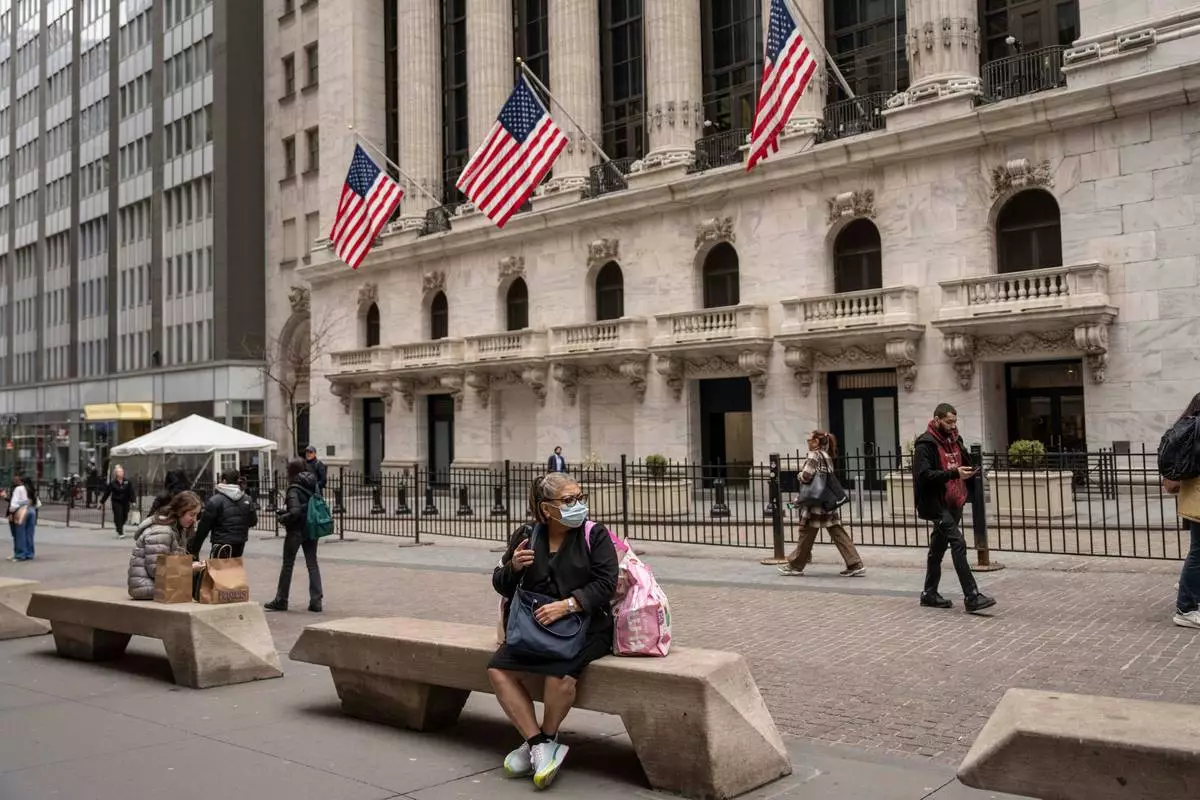
People sit on benches outside the New York Stock Exchange, Friday, March 27, 2026, in New York. (AP Photo/Yuki Iwamura)
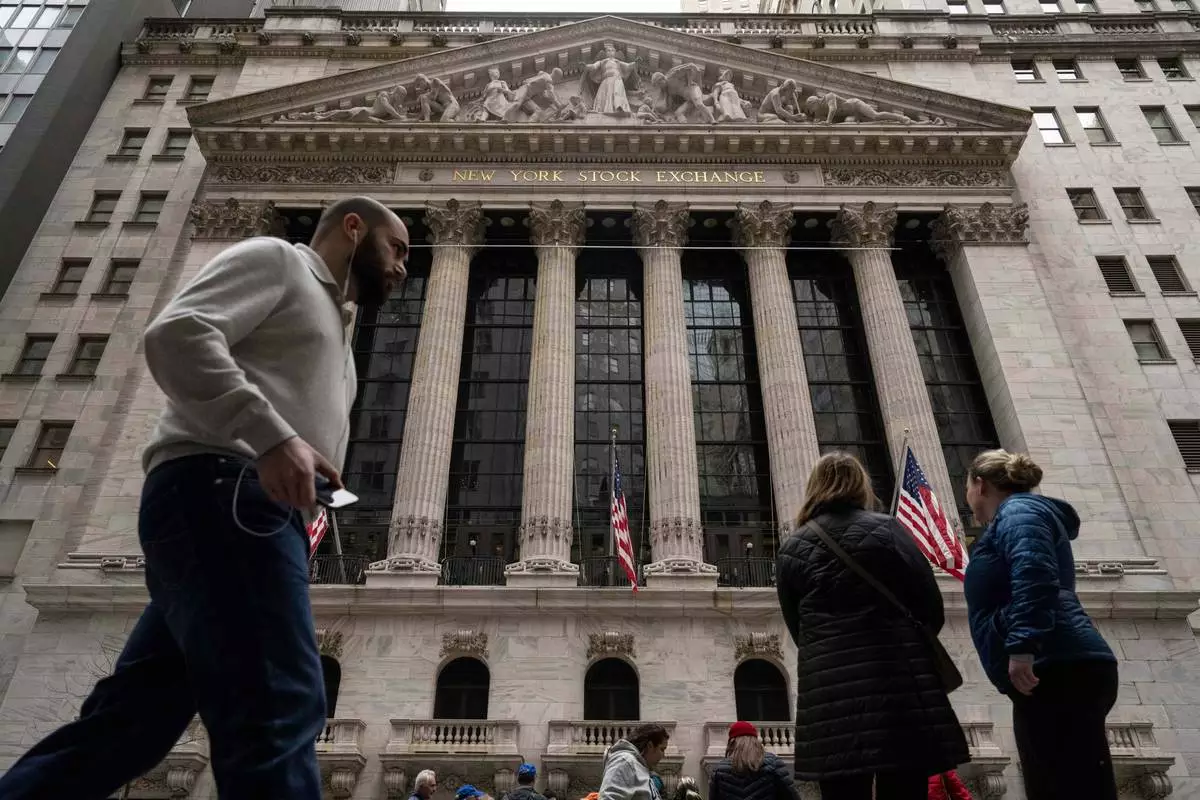
People walk past the New York Stock Exchange, Friday, March 27, 2026, in New York. (AP Photo/Yuki Iwamura)
President Donald Trump signed an executive order Friday afternoon that should pay TSA employees next week. Trump’s action came after a Homeland Security funding measure collapsed in Congress. The measure passed the Senate early Friday morning but was swiftly rejected by House Republicans. TSA workers were set to miss a second consecutive paycheck Friday.
Here's the latest:
House Democratic Leader Hakeem Jeffries on Friday derided Republicans for failing to bring a vote on a Senate-passed bill to fund the Department of Homeland Security, saying that “House Democrats are prepared to support the bill.”
“This could end, and should end, today,” said Jeffries at a press conference with other members of Democratic leadership. “There is a bipartisan bill that has been sent over from the Senate that would reopen the non-controversial parts of the Department of Homeland Security.”
Former TSA officer Caleb Harmon-Marshall, who now runs a travel newsletter called Gate Access, said he doesn’t think the situation will improve significantly at airports until the officers can be confident that they will continue to get paid reliably.
Right now TSA officers have a lot of questions about what Trump’s executive order will mean for them after Congress was unable to reach an agreement on Homeland Security funding, said Harmon-Marshall, who is in a group with a number of current TSA officers and some who have recently quit during the shutdown.
“I think that the traveling public could expect possibly a week or two of this to continue. This back and forth about all these decisions changing is confusing the TSA officers, so they’re possibly thinking like, ‘Okay, are we getting paid or are we not?’” Harmon-Marshall said.
“There’s still so many questions,” he said.
Harmon-Marshall said the officers he talks to are hoping that they will finally get paid after struggling to pay their bills during the shutdown and accumulating debt and late fees and interest charges.
“Hopefully, with this executive order, the relief does come. I think that they just want to know how long because if it’s only for a pay period, that’s not enough to bring them back. It has to be an extended pay for them to come back or want to stay there,” he said.
The length of this current shutdown coming so soon after last fall’s funding lapse has been too much for some officers to bear.
President Donald Trump has signed a promised executive action that will pay Transportation Security Administration employees, after a deal that sought to do the same stalled in Congress.
Trump signed the action with an eye toward easing long security lines at many of nation’s top airports.
“America’s air travel system has reached its breaking point,” Trump said in the memo authorizing the payments.
The White House has clarified that funding to pay TSA workers will come from President Donald Trump’s big tax cut bill. Trump had floated the idea of declaring a national emergency to facilitate the payments but nothing has been signed yet.
TSA workers are due to miss their second consecutive paycheck today and a Senate-passed DHS funding compromise has collapsed in the House.
The Department of Homeland Security says Homeland Security Secretary Markwayne Mullin is starting the process of paying the Transportation Security Administration workforce.
“TSA officers should begin seeing paychecks as early as Monday, March 30. TSA is grateful to the President and Secretary for their leadership to put money back into the pockets of TSA employees who worked without pay during the ongoing Democrat DHS shutdown,” the department said in a statement Friday.
The department did not respond to questions about where the money was coming from to pay the TSA workers.
House Speaker Mike Johnson has rejected a Senate-passed bill to fund Homeland Security as a ‘joke’ and plans a vote on an alternative.
“We’re going to do something different,” Johnson said, challenging the Senate to take up the House’s continuing resolution on Monday — assuming it does pass the House, which is uncertain.
Some senators have already left town after acting in the early morning hours to end the partial shutdown, so it would take time for them to return if the House ends up passing a different measure than the one that cleared the Senate in the early morning hours Friday.
House Republicans are resisting a Senate-passed bill to fund most of the Department of Homeland Security, which risks delaying a resolution to the funding impasse that stretched into its 42nd day Friday.
Next steps are uncertain, but Republicans are angry that the Senate bill does not fund Immigration and Customs Enforcement and Border Patrol.
“It is the most reckless thing we’ve ever seen and we’re so frustrated by it,” said Speaker Mike Johnson, who said he would consult with fellow Republicans before announcing next steps.
An airport where security lines have remained manageably short is telling passengers to stop arriving so early.
John Glenn International Airport in Columbus, Ohio, says early birds seeing news of hours-long waits in other cities are making things worse by creating bottlenecks during peak times.
The Ohio airport sought to assure passengers in a social media post Thursday: “90 minutes before departure is all you need.”
Its website said the average expected wait for Columbus travelers to clear airport security on Friday was 23 minutes.
The president of the American Federation of Government Employees said in a letter Friday that TSA officers, Coast Guard civilian workers and employees of the Federal Emergency Management Agency all face missing a third consecutive paycheck if Congress doesn’t act.
Everett B. Kelley implored Congress to “please end the longest partial government shutdown” that has affected Department of Homeland Security employees for 42 days.
“The House can demonstrate its bipartisan support of the hardworking professionals of DHS who serve the public with dedication, respect, and excellence,” Kelley wrote.
The largest pilots union is urging Congress to approve a deal to pay TSA officers before lawmakers leave Washington, D.C., for their spring recess starting next week.
Capt. Jason Ambrosi, who is president of the Air Line Pilots Association, said the TSA officers who keep showing up for work deserve to be paid.
Ambrosi said the officers “are expected to show up every day to keep America’s skies safe and secure. These dedicated professionals will see their second zero dollar paycheck today. They are still worrying about mortgages, childchild keeping the lights on, yet they keep coming to work without being paid.”
A group of nearly two dozen Republicans, including members of the Freedom Caucus, told reporters Friday that they wouldn’t help pass the bill funding TSA and most of DHS unless it funds the entire department, in addition to other demands. Their position could complicate work in the House to quickly pass the bill Friday.
“This deal is bad for America. It’s bad for Americans,” said Rep. Andy Harris, chair of the Freedom Caucus.
The opposition from conservatives could force GOP leaders to rely on Democratic support to pass the legislation, something they generally try to avoid.
The Department of Homeland Security says members of TSA’s National Deployment Force and security officers from other Texas airports are being dispatched to Houston, where about 40% of scheduled TSA officers haven’t come to work this week.
DHS spokesperson Lauren Bis said in a statement late Thursday that Houston travelers have been “experiencing some of the worst wait times in TSA history.”
The staffing shortage has hit especially hard at Houston’s George Bush Intercontinental Airport, where officials warned that waits in security lines could again top four hours Friday.
An update on the airport’s website said 32 security officers from the National Deployment Force, which sends reinforcement to understaffed U.S. airports, were already helping open additional security lanes at George Bush International.
Vanessa Maturana was flying Friday to Chicago from Atlanta, where long security lines have been holding up passengers for hours this week.
She said it’s time for Congress to approve a deal to fund TSA.
“They just need to pay the guys,” Maturana said. “Just get them their salary on time and do what they need to do.”
Orlando Ashford, flying to Washington from Atlanta, agreed a resolution was needed “as soon as possible.”
“To have to sit in lines that literally wrap around the building and outside, it’s inefficient,” said Ashford, who came to the Atlanta airport 3 ½ hours early for his flight. “So hopefully they get this fixed soon.”
As in previous days, security lines at Hartsfield-Jackson International Airport in Atlanta snaked through the main terminal Friday morning and spilled down the sidewalk outside.
The hourslong waits had travelers fuming.
Arthur Tsebetzis, heading home to West Palm Beach, Florida, called the pileup of passengers “an absolute nightmare.”
“I don’t blame all the airports, but this one here is absolutely an abomination,” Tsebetzis said as he navigated the long check-in line. “It’s looping around, down the street into the parking.” He called the political impasse over funding TSA agents “idiotic.”
“It’s a political pawn,” Tsebetzis said, “and the people are paying the price.”
Speaker Mike Johnson says it’s to be determined how the House will proceed on the Homeland Security funding bill.
“We’re going to have some meetings this morning and figure out what the will is like,” Johnson told reporters.
The funding shutdown has resulted in travel delays and even warnings of airport closures as TSA workers who are missing paychecks stop coming to work.
Multiple airports are experiencing greater than 40% callout rates of TSA workers, and nearly 500 of the agency’s nearly 50,000 transportation security officers have quit during the shutdown. Nationwide on Wednesday, more than 11% of the TSA employees on the schedule missed work, according to DHS. That is more than 3,120 callouts.
Earlier Thursday, Thune announced he had given a “last and final” offer to the Democrats. But as the day dragged on, action stalled out.
Democrats argued the GOP proposals have not gone far enough at putting guardrails on officers from ICE, Customs and Border Protection, and other federal agencies who are engaged in the immigration sweeps, particularly after the deaths of two Americans protesting the actions in Minneapolis.
They want federal agents to wear identification, remove their face masks and refrain from conducting raids around schools, churches and other sensitive places. Democrats have insisted that judges sign off before agents search people’s homes or private spaces — something new Homeland Security Secretary Markwayne Mullin has said he is open to.
Trump had largely left the issue to Congress, but warned he was ready to take action, threatening to send the National Guard to airports in addition to his deployment of ICE agents who are now checking travelers’ IDs.
If the Senate package is approved by the House and signed it into law, the action Trump announced to pay TSA agents may be temporary or unneeded.
Senators worked through the night on the deal that would fund much of the rest of the department, including the Federal Emergency Management Agency, the Coast Guard and TSA, but without funding for Immigration and Customs Enforcement. Customs was funded, but Border Protection was not.
The package puts no new limits on immigration enforcement, which has remained largely uninterrupted by the shutdown. The GOP’s big tax cuts bill that Trump signed into law last year funneled billions in extra funds to DHS, including $75 billion for ICE operations, ensuring the immigration officers are still being paid despite the lapse.
Next steps in the House, where Speaker Mike Johnson holds a slim majority, are uncertain. Passage will almost certainly require bipartisan support, as lawmakers on the left and right flanks revolt.
Conservative Republicans have panned their own party’s proposals, demanding full funding for immigration operations. Many have vowed to ensure ICE has the resources it needs in the next budget package to carry out Trump’s agenda.
The Senate early Friday morning approved Homeland Security funds to pay Transportation Security Administration agents and most other agencies, but not the immigration enforcement operations at the heart of the budget impasse that has jammed airports, disrupted travel and imposed financial hardship on workers.
The deal, which was approved unanimously without a roll call, next goes to the House, which is expected to consider it later Friday.
With pressure mounting to resolve the 42-day stalemate over funding for the Department of Homeland Security, the endgame emerged in the final hours before TSA workers miss another paycheck Friday. President Donald Trump said he would sign an order to immediately pay the TSA agents, saying he wanted to quickly stop the “Chaos at the Airports.” The deal did not include any of the restraints Democrats have demanded as they sought to rein in Trump’s mass deportation agenda.
▶ Read more
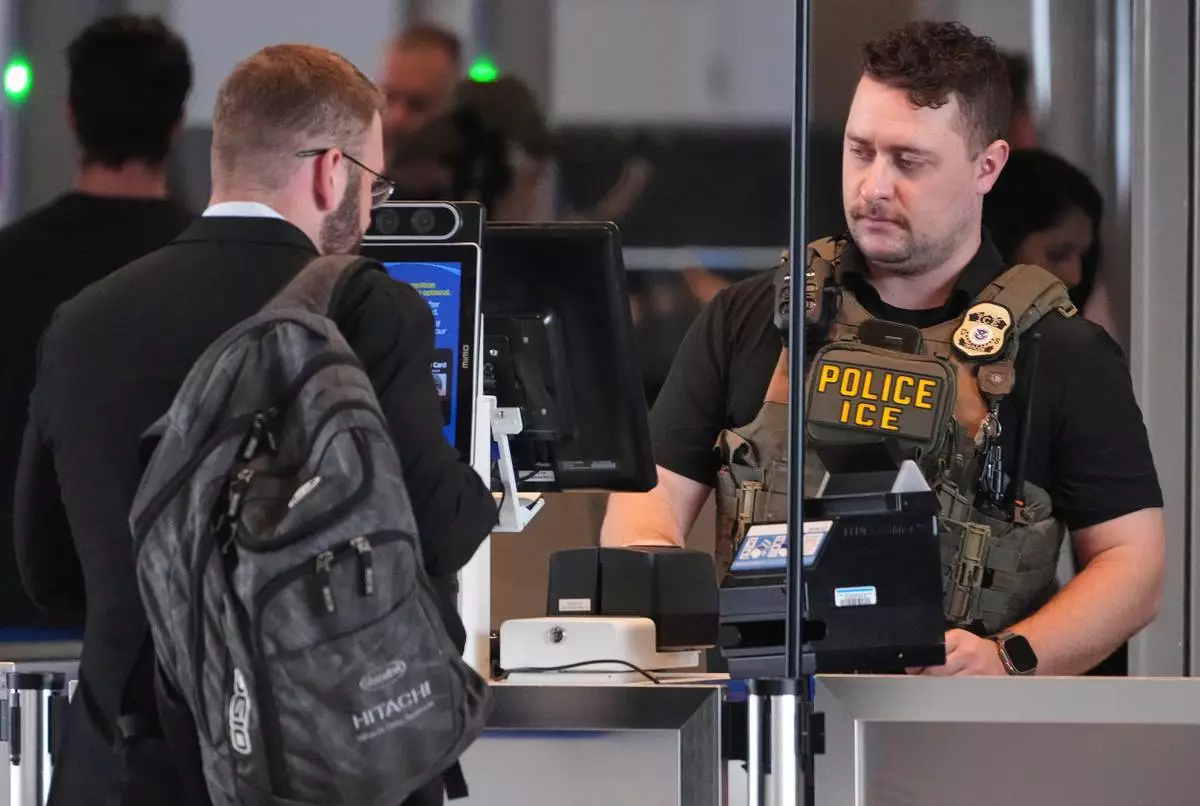
An ICE officer works at a TSA checkpoint at Pittsburgh International Airport in Imperial, Pa., on Thursday, March 26, 2026. (AP Photo/Gene J. Puskar)
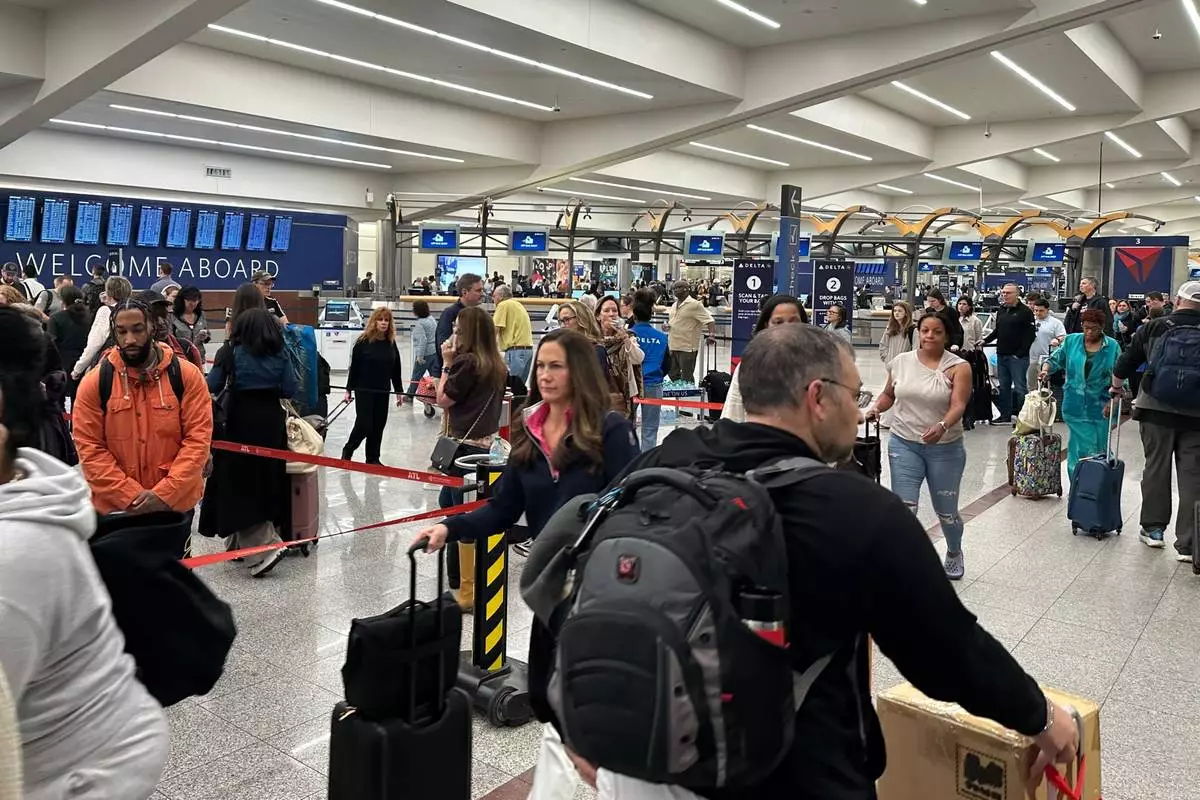
Travelers stand in a TSA checkpoint line at Hartsfield–Jackson Atlanta International Airport on Friday, March 27, 2026. (AP Photo/Emilie Megnien)
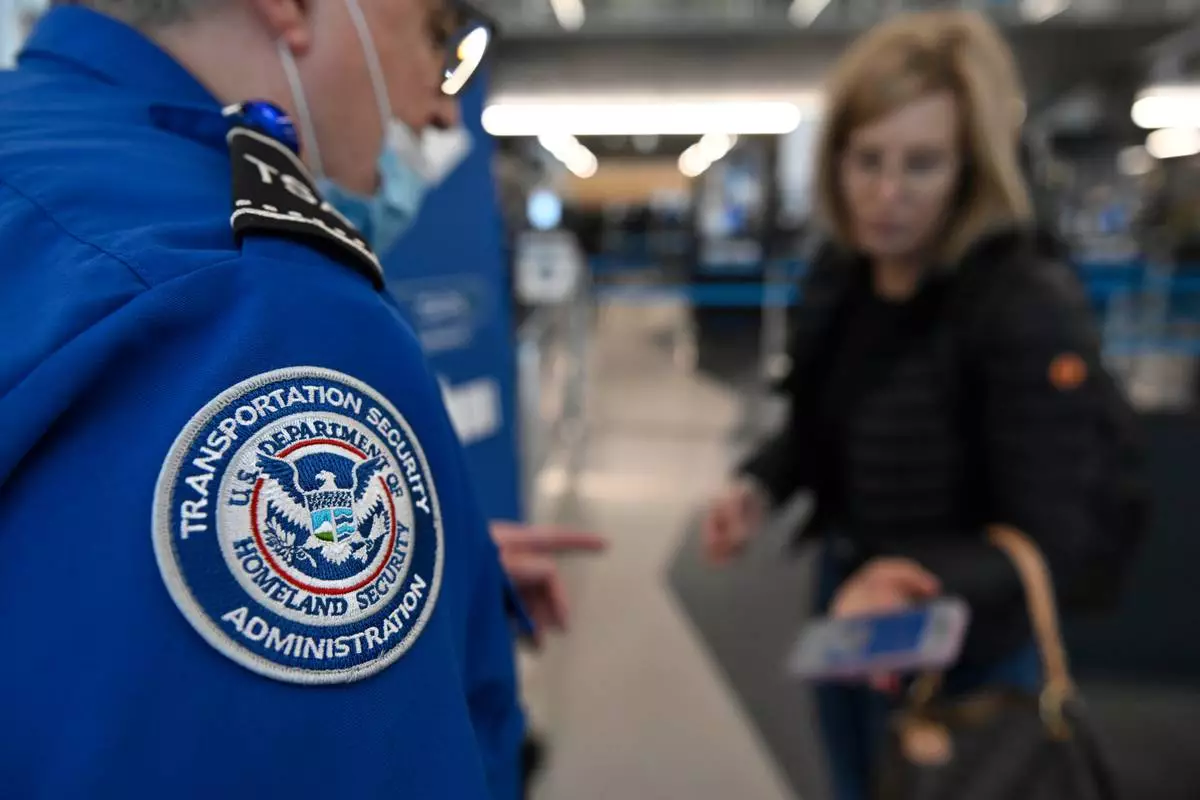
A TSA agent checks a passenger's ticket and boarding pass at Ohare Airport in Chicago, Thursday, March 26, 2026. (AP Photo/Paul Beaty)
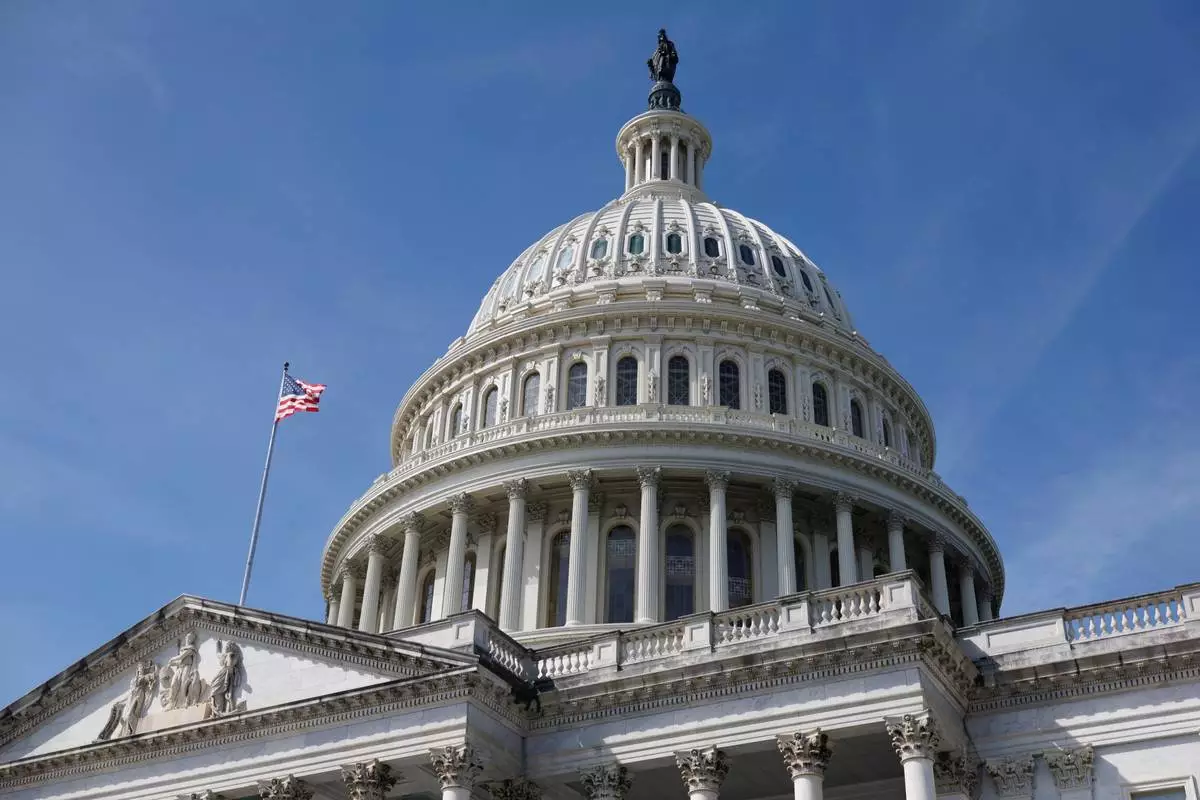
The U.S. Capitol is seen on Sunday, March 22, 2026, in Washington. (AP Photo/Tom Brenner)