BOISE, Idaho (AP) — Idaho lawmakers passed a sweeping bathroom ban Friday, approving legislation that would make it a crime for transgender people to use the bathroom that matches their gender identity, even inside privately owned businesses.
If Republican Gov. Brad Little signs the bill, Idaho will have the strictest bathroom ban in the nation, subjecting people to time behind bars if they knowingly enter a bathroom, locker room or changing area that does not correspond with their sex assigned at birth.
Violators could be charged with a misdemeanor and sentenced to a year in jail for a first offense, or a felony with up to five years in prison for a second offense.
At least 19 states, including Idaho, already have laws barring transgender people from using bathrooms and changing rooms that align with their gender in schools and, in some cases, other public places. The LGBTQ+ advocacy organization Movement Advancement Project’s tracking of the laws shows that three other states — Florida, Kansas and Utah — have made it a criminal offense in some circumstances to violate the bathroom laws.
But none of the others apply as broadly to private businesses as the Idaho bill, which covers any “place of public accommodation,” meaning any business or facility that serves the public. The legislation includes nine exceptions for situations like performing janitorial work, responding to emergencies, helping children or cases when someone has “dire need” of a restroom.
Republican Sen. Ben Toews, who sponsored the bill, said his intent wasn't to be “unkind.” Instead, he said, the legislation is about protecting women and children.
“All of what we're trying to solve here is not targeting any one group or person, it's dealing with sexual predators and very real issues. This isn't criminalizing someone for who they are,” he said. “There's no law currently on our books that prohibits a biological man from entering a shower room with undressed women and children present.”
Law enforcement groups including the Idaho Fraternal Order of Police and the Idaho Chiefs of Police Association opposed the bill, saying it would task officers with the difficult and inappropriate job of visually determining someone’s biological sex or their level of “dire need.”
Democratic Sen. James Ruchti compared the bill to now-repealed provisions in Idaho’s Constitution that banned Native Americans, Chinese residents and members of The Church of Jesus Christ of Latter-day Saints from voting. Those laws carried civil penalties, not criminal ones, Ruchti said.
The discriminatory language wasn’t stripped from the state’s Constitution until 1950 for Native Americans, 1962 for residents of Chinese descent, and 1982 for Mormons.
“This is the first one I can think of where we’ve set up a crime for who somebody is,” Ruchti said. Even Jim Crow-era laws that justified discrimination and segregation against Black people in the South generally had provisions to make “separate but equal” facilities like bathrooms and drinking fountains available, Ruchti noted.
“Society realized these are humans, they have a need for bathrooms, they have a need for water,” Ruchti said. He later continued, “This isn’t how we treat people in our society.”
The bill passed 28-7, with just one Republican voting no.
“I know it's probably not a popular thing for me to vote no on, but I just can't support this kind of legislation,” said Sen. Jim Guthrie. He said a transgender man with facial hair and other masculine features would be in a no-win situation.
“If they go in the bathroom of their biological sex, they're going to upset a lot of people and freak people out. If they go in the bathroom that is consistent with their looks — they are knowingly and willingly going into the bathroom — that is breaking the law,” Guthrie said. He later continued, “They're human beings just like us, and what are they supposed to do?”
The American Civil Liberties Union of Idaho condemned the move and called on the governor to veto the bill.
“This bill’s proposed punishments for using public facilities are extreme and unnecessary,” the organization wrote in a statement, calling the legislation "an unacceptable and discriminatory misuse of our criminal legal system.”
The bill passed the House 54-15 earlier this month. The supermajority support of the bill means the Legislature could likely override any veto.
Heron Greenesmith, deputy policy director at Transgender Law Center, said that even though arrests and civil claims under bathroom laws across the U.S. appear to be exceptionally rare, the policies have a big effect.
“They embolden and empower vigilantes essentially to feel comfortable persecuting people based on their appearance,” they said.
Logan Casey, director of policy research at Movement Advancement Project, said there’s one section of a Kansas law adopted in February that makes it unclear whether it applies only to government buildings or also to other public facilities. But he said that Idaho’s would be the first to specifically target public accommodations broadly.
Casey also noted that in other states where using a forbidden bathroom can trigger criminal charges, it takes more steps for that to happen. For instance, the charges are to be filed in Florida only when people are asked to leave a bathroom and refuse to do so.
The only widely reported arrest of someone on charges of violating transgender bathroom restrictions was part of a protest in Florida last year.
Mulvihill reported from Haddonfield, New Jersey.
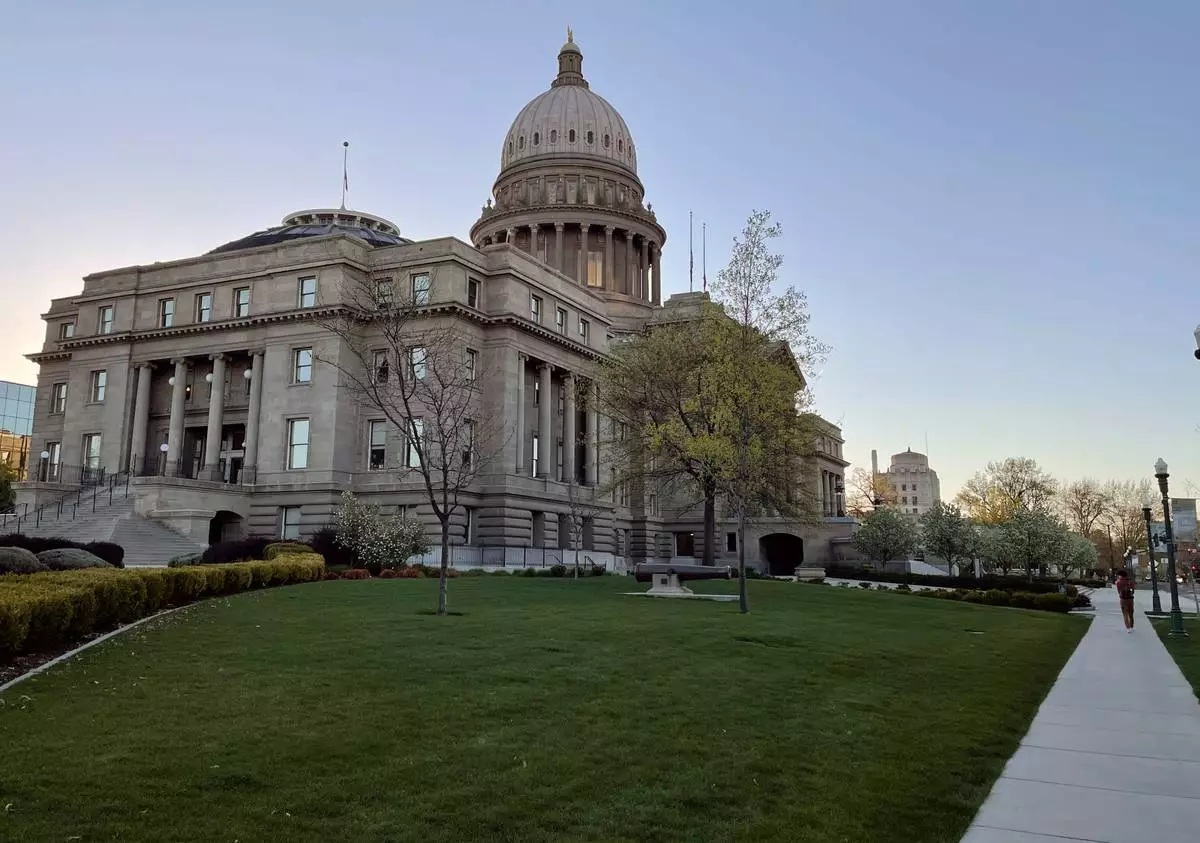
FILE - The Idaho Statehouse is seen at sunrise on April 20, 2021, in Boise, Idaho. (AP Photo/Keith Ridler, File)