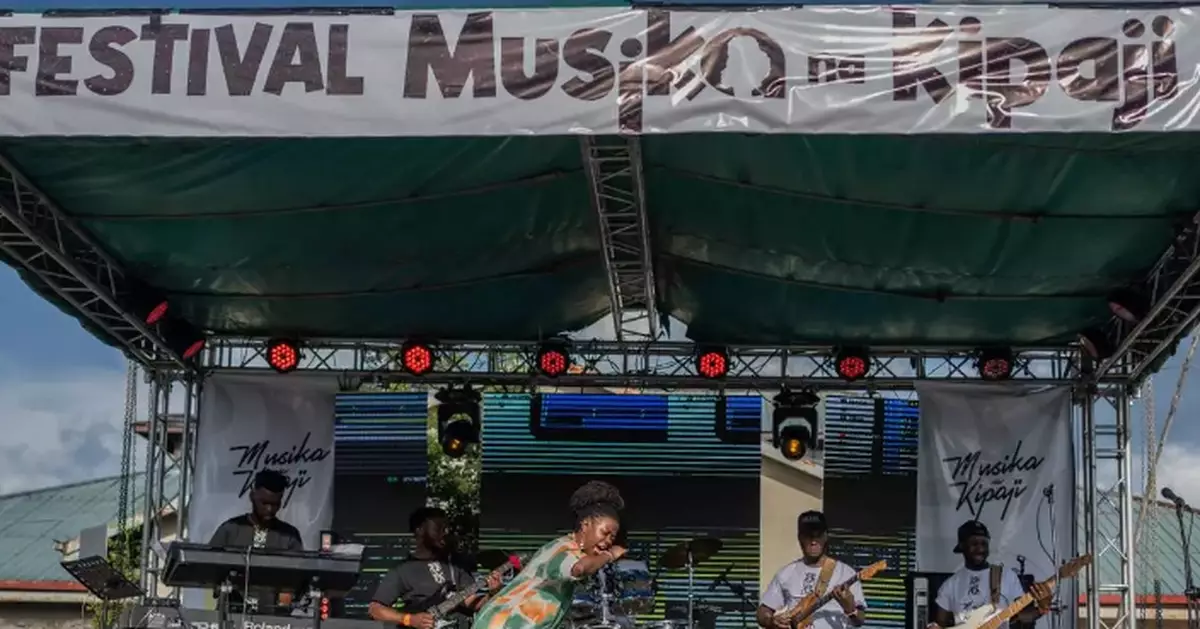
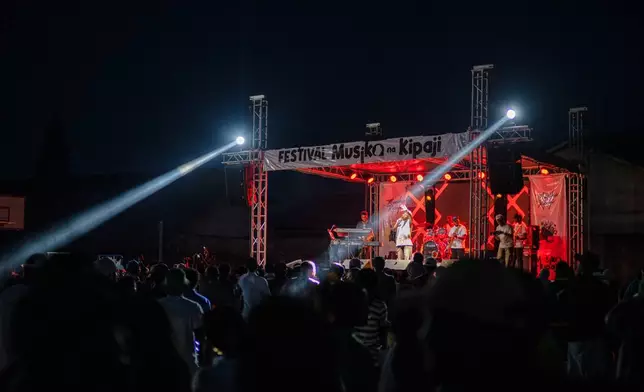
GOMA, Congo (AP) — Congolese rapper Clem Cléopâtre took to the stage on the last day of a three-day music festival organized by women in Goma, firing up the crowd with rapid, punchy lyrics about social cohesion, peace, and unity.
Nearly 3,000 people attended “Musika na Kipaji," according to organizers. The event, now in its seventh year, aims to campaign against gender-based violence and showcase women’s talents in music and dance.
Click to Gallery
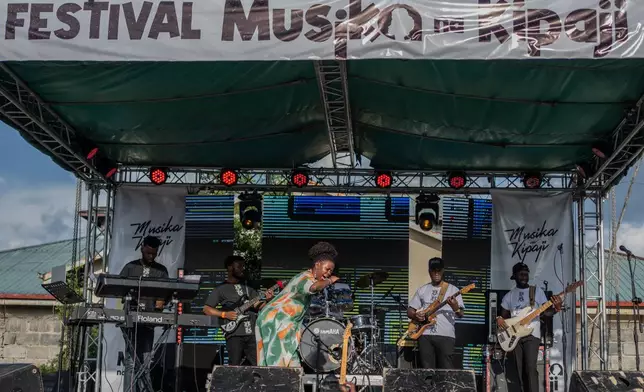
Rapper Clem Cleopatre performs in Goma, Democratic Republic of Congo, Saturday, March 28, 2026. (AP Photo/Moses Sawasawa)
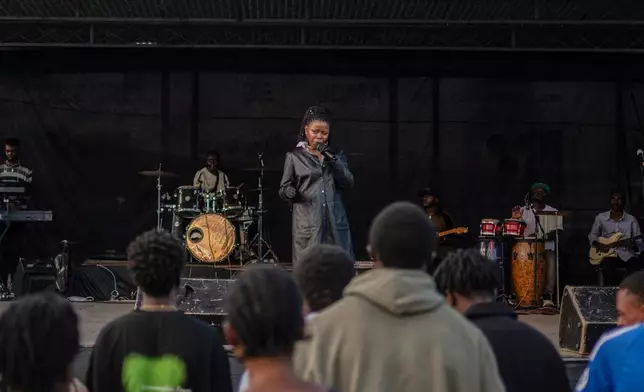
Rapper Clem Cleopatre performs for the crowd in Goma, Democratic Republic of Congo, Saturday, March 28, 2026. (AP Photo/Moses Sawasawa)
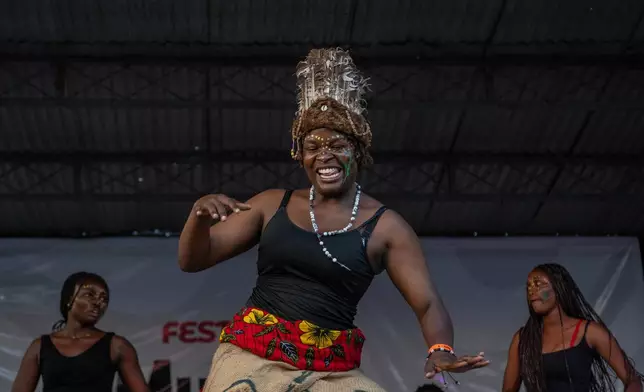
A dancer performs on stage during rapper Clem Cleopatre's concert in Goma, Democratic Republic of Congo, Sunday, March 29, 2026. (AP Photo/Moses Sawasawa)
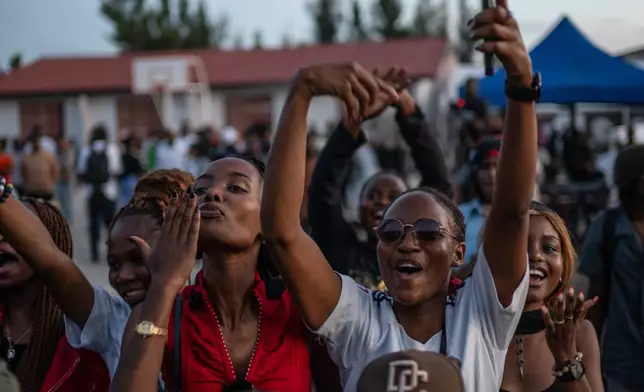
Fans and supporters of rapper Clem Cleopatre attend a festival in Goma, Democratic Republic of Congo, Saturday, March 28, 2026. (AP Photo/Moses Sawasawa)
Fans cheer as rapper Clem Cleopatre performs in Goma, Democratic Republic of Congo, Saturday, March 28, 2026. (AP Photo/Moses Sawasawa)
People swayed to Cléopâtre's music on Sunday, with some singing along and blowing her kisses, while performers in colorful clothes danced on stage.
Goma, a prized city in mineral-rich eastern Congo, has been under the rule of the Rwanda-led M23 rebel group since January 2025, when the group took over key cities in the eastern region in a blitz. A long, heavy conflict has since broken out between the group and the Congolese military. Despite a peace deal, led by U.S. President Donald Trump, to end the decades-long conflict, it has continued to flare up with the use of heavy artillery, according to the United Nations.
Sexual violence has surged with the conflict and festival organizers say the event is a way for women to combat violence and push for peace.
“I come from a place where war breaks out at any moment, ever since we were little. And for me, that's a real motivation,” Cléopâtre, one of the many women performers of the night, told The Associated Press. "I encourage young people not to feel alone, especially women, because they are often forgotten, and for me, it’s a real motivation to make music just to prove to these women that they are not alone.”
The conflict has sparked one of the world's largest humanitarian crises, displacing at least 7 million people in eastern Congo, but the people still feel hopeful.
In a city where violence is an everyday reality, festivalgoers said the festival has become more special, a place where many can meet despite their differences to rebuild social bonds.
“Today, we are all together as young people. A year ago, that was impossible because of the war. Here, we can express our frustration … and see young people united around culture and women," said Jean Luc Maroy, a festivalgoer.
— For more on Africa and development: https://apnews.com/hub/africa-pulse
—
The Associated Press receives financial support for global health and development coverage in Africa from the Gates Foundation. The AP is solely responsible for all content. Find AP’s standards for working with philanthropies, a list of supporters and funded coverage areas at AP.org.
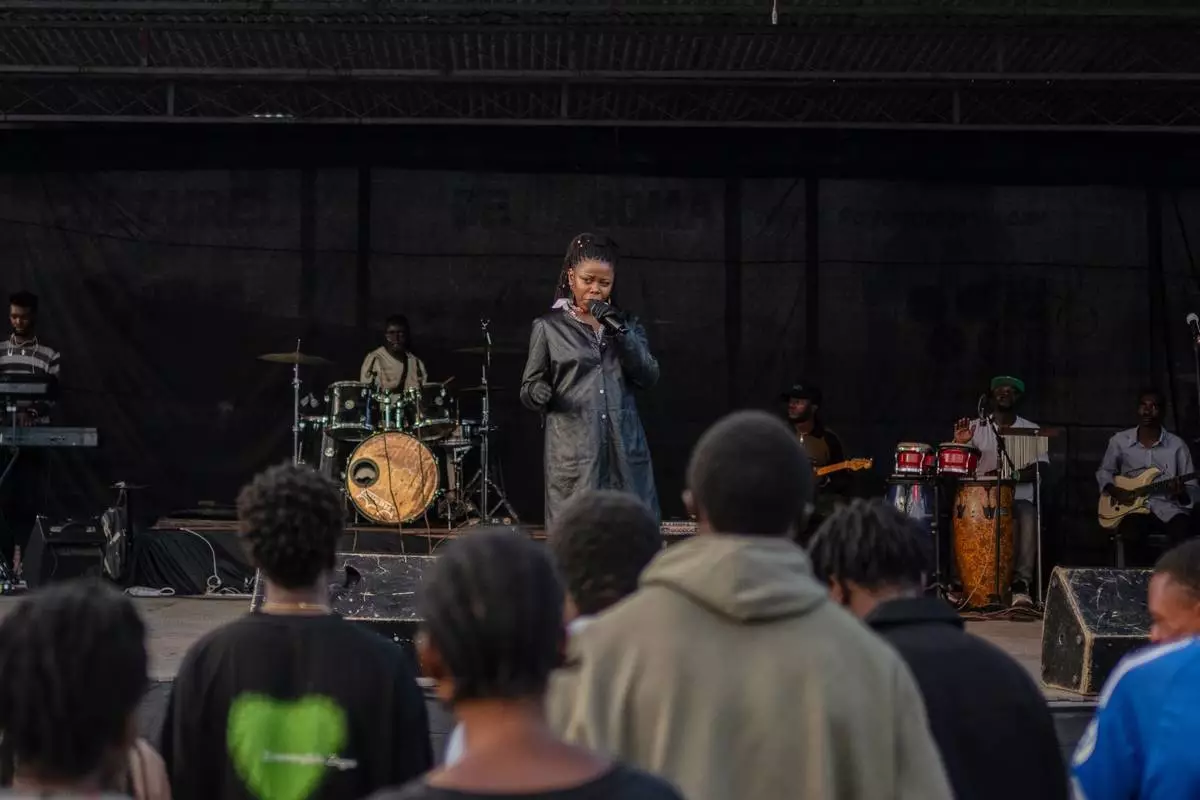
Rapper Clem Cleopatre performs in Goma, Democratic Republic of Congo, Saturday, March 28, 2026. (AP Photo/Moses Sawasawa)
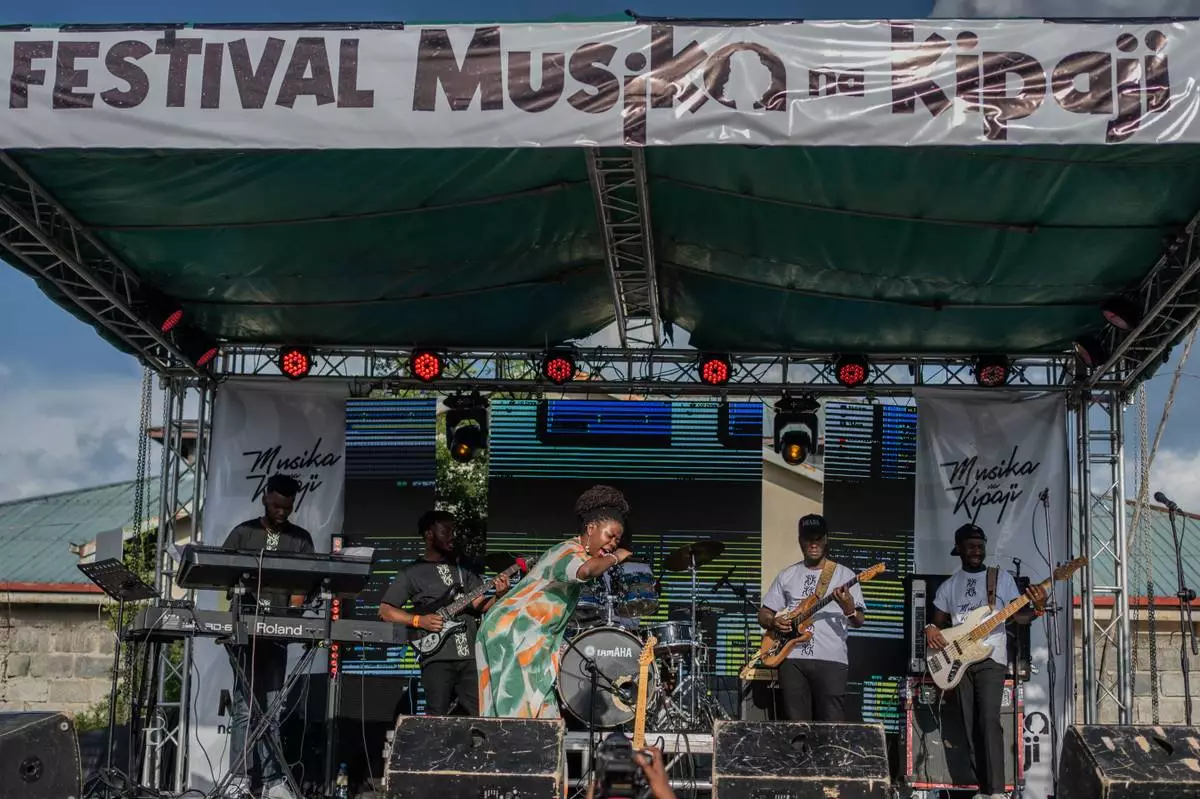
Rapper Clem Cleopatre performs for the crowd in Goma, Democratic Republic of Congo, Saturday, March 28, 2026. (AP Photo/Moses Sawasawa)
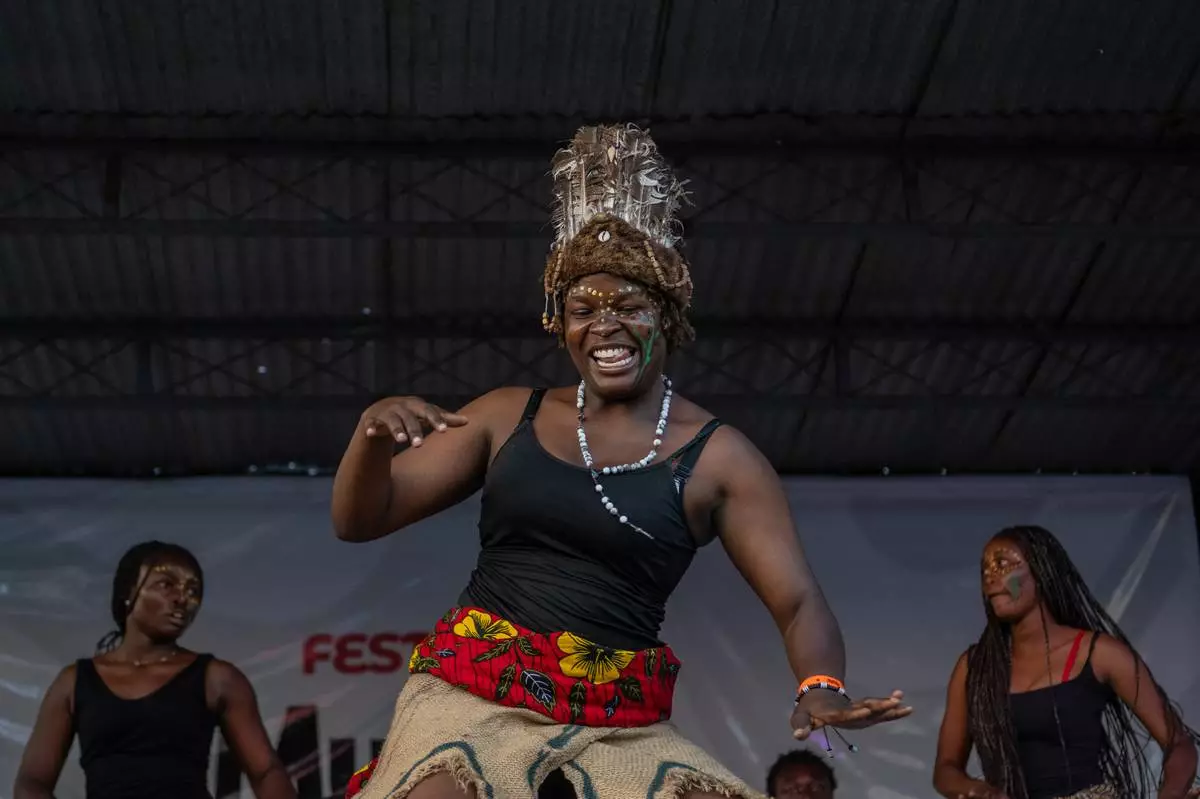
A dancer performs on stage during rapper Clem Cleopatre's concert in Goma, Democratic Republic of Congo, Sunday, March 29, 2026. (AP Photo/Moses Sawasawa)
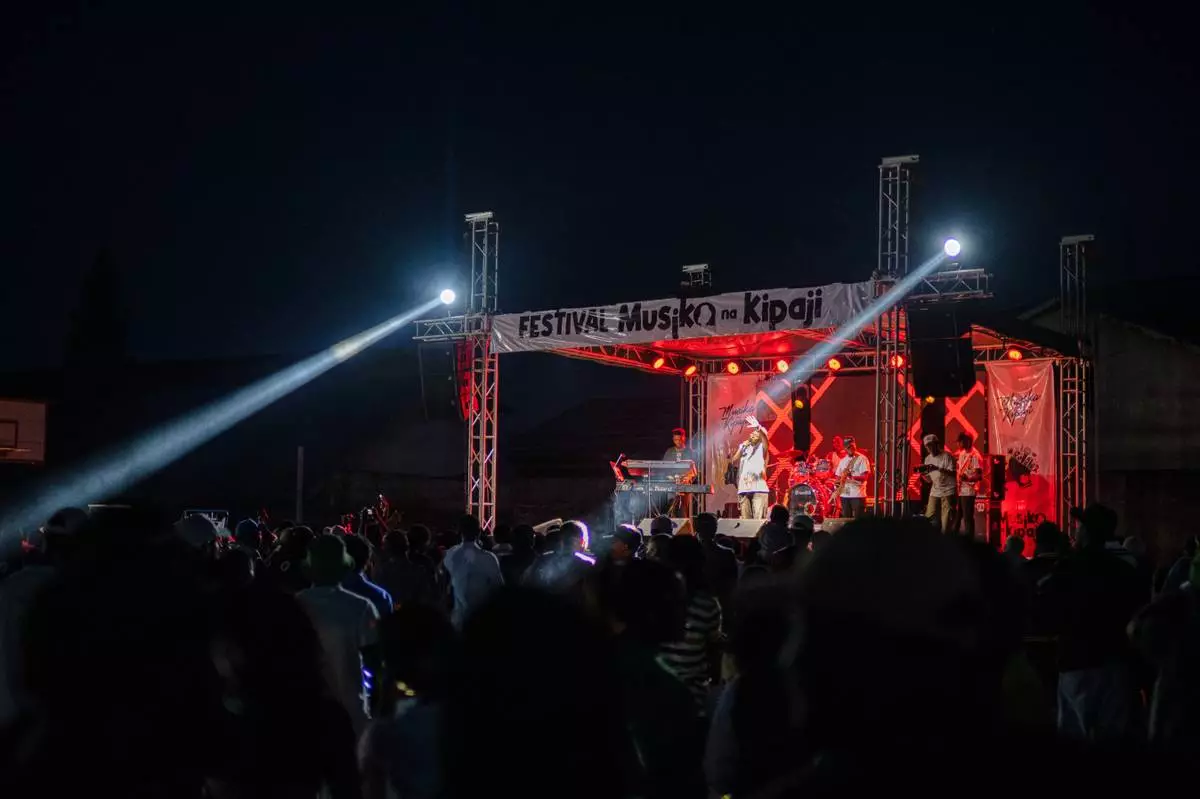
Fans and supporters of rapper Clem Cleopatre attend a festival in Goma, Democratic Republic of Congo, Saturday, March 28, 2026. (AP Photo/Moses Sawasawa)
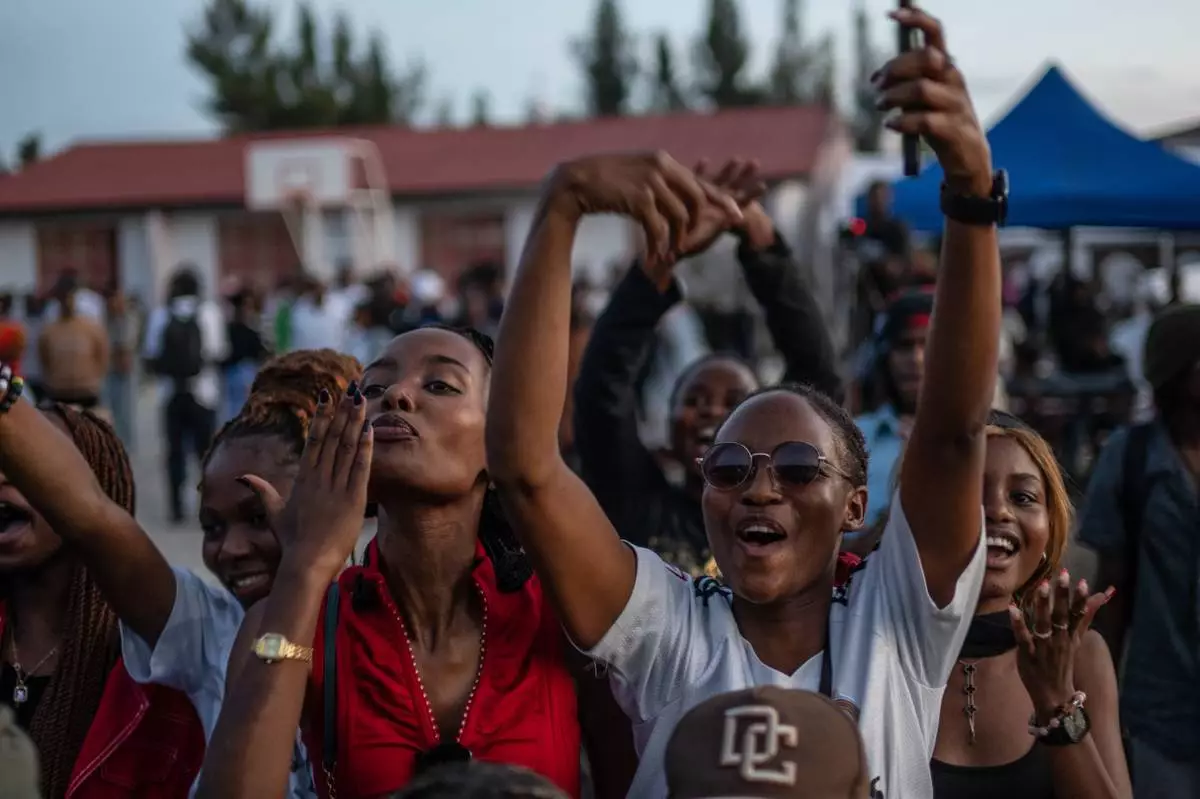
Fans cheer as rapper Clem Cleopatre performs in Goma, Democratic Republic of Congo, Saturday, March 28, 2026. (AP Photo/Moses Sawasawa)
After nearly seven years away from the big screen, a new Star Wars movie drew healthy but not record-breaking crowds to global theaters this weekend. According to studio estimates on Sunday, “Star Wars: The Mandalorian and Grogu” made $82 million in ticket sales from 4,300 theaters in the U.S. and Canada. By the end of Monday’s Memorial Day holiday, it’s expected to have earned $102 million domestically and $165 million globally.
It exceeded opening weekend expectations for the movie, a continuation of Disney+ spinoff series “The Mandalorian,” but it’s also on the low end of Disney-era Star Wars releases, closer to “Solo: A Star Wars Story,” which made $103 million over the four-day Memorial Day frame in 2018. While “Solo” was considered a disaster, the metrics around “The Mandalorian and Grogu” are a little different.
The production budget for “Solo” was in the $300 million range, while “The Mandalorian and Grogu” was made for significantly less — a reported $165 million, not accounting for marketing and promotion costs. It makes the journey to profitability more likely, especially when factoring in positive audience scores. Although critics were mixed to negative on the movie (it currently carries a 63% on Rotten Tomatoes), ticket buyers overall gave it an A- CinemaScore. Boys under the age of 13 are especially high on the movie: They gave it an A CinemaScore and a perfect five on PostTrak. Parents also gave it a five out of five.
The Jon Favreau-directed movie stars Pedro Pascal as the titular bounty hunter and puts him and his tiny green companion on a mission to save Jabba’s son Rotta the Hutt, who is voiced by Jeremy Allen White.
“Star Wars: The Mandalorian and Grogu” could also be graded on a bit of a curve because of the streaming component, both that it started as a series, and that it will eventually end up as a value add on Disney+, which was only about a month old when the last Star Wars movie, “The Rise of Skywalker,” debuted in December 2019.
Star Wars as a brand is in a time of transition under its new leadership team of Dave Filoni and Lynwen Brennan; Earlier this year it was announced that Lucasfilm president Kathleen Kennedy, who produced “Star Wars: The Mandalorian and Grogu,” was stepping down after 13 years. The question for the industry is whether audience interest in Star Wars on the big screen might have cooled slightly, and if next year’s “Star Wars: Starfighter,” starring Ryan Gosling, will provide a definitive answer. Until then, the hope is that strong audience and exit scores will propel word-of-mouth generated enthusiasm in the coming weeks.
Word-of-mouth certainly helped Curry Barker’s relationship horror movie “Obsession” defy the standard box office trajectory and do better business in its second weekend. The Focus Features had an astonishing 30% uptick in ticket sales, earning $22.4 million from 2,655 theaters. The studio, which acquired the microbudget movie for some $15 million, is projecting that it will have made $28.2 million by the end of Monday, bringing its running total to $58.5 million. It snagged the second-place spot, while “Michael” landed in third place with $20 million for the three-day weekend. The Michael Jackson biopic has now earned $782.4 million.
“Obsession” also did better than the new horror movie “Passenger,” a Paramount Pictures release with Melissa Leo, which grossed an estimated $8.7 million from 2,534 locations. It’s expected to earn $10.5 million over its first four days. The movie received poor reviews from both critics (44% on Rotten Tomatoes) and audiences (B- Cinema Score).
The mix of movies this year didn’t hold a candle to last year’s record Memorial Day weekend, which was led by Disney’s live-action “Lilo & Stitch” and “Mission: Impossible — The Final Reckoning.” The overall four-day frame this year will net out around $211 million, down about 36% from last year’s $330 million. It’s also far from the disastrous 2024 Memorial Day weekend box office, a 30-year low, when “Furiosa: A Mad Max Saga” opened.
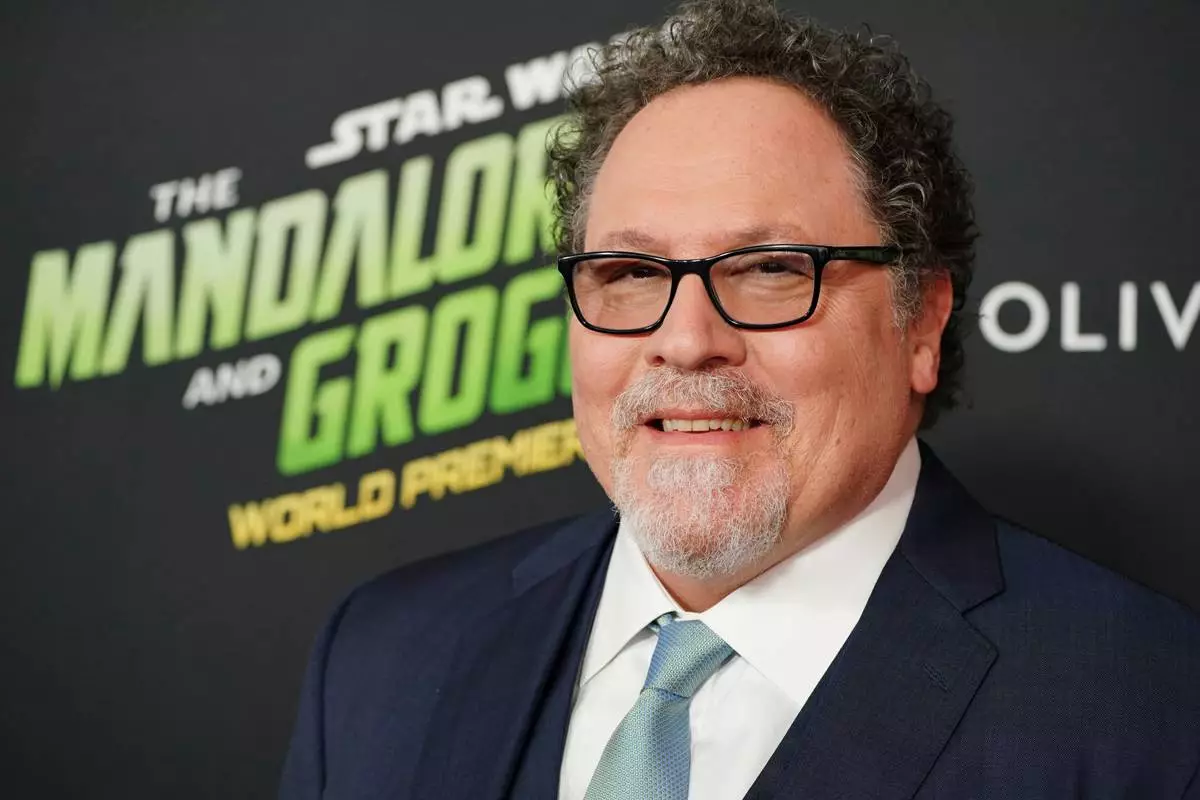
Jon Favreau arrives at the premiere of "Star Wars: The Mandalorian and Grogu" on Thursday, May 14, 2026, at TCL Chinese Theatre in Los Angeles. (Photo by Jordan Strauss/Invision/AP)
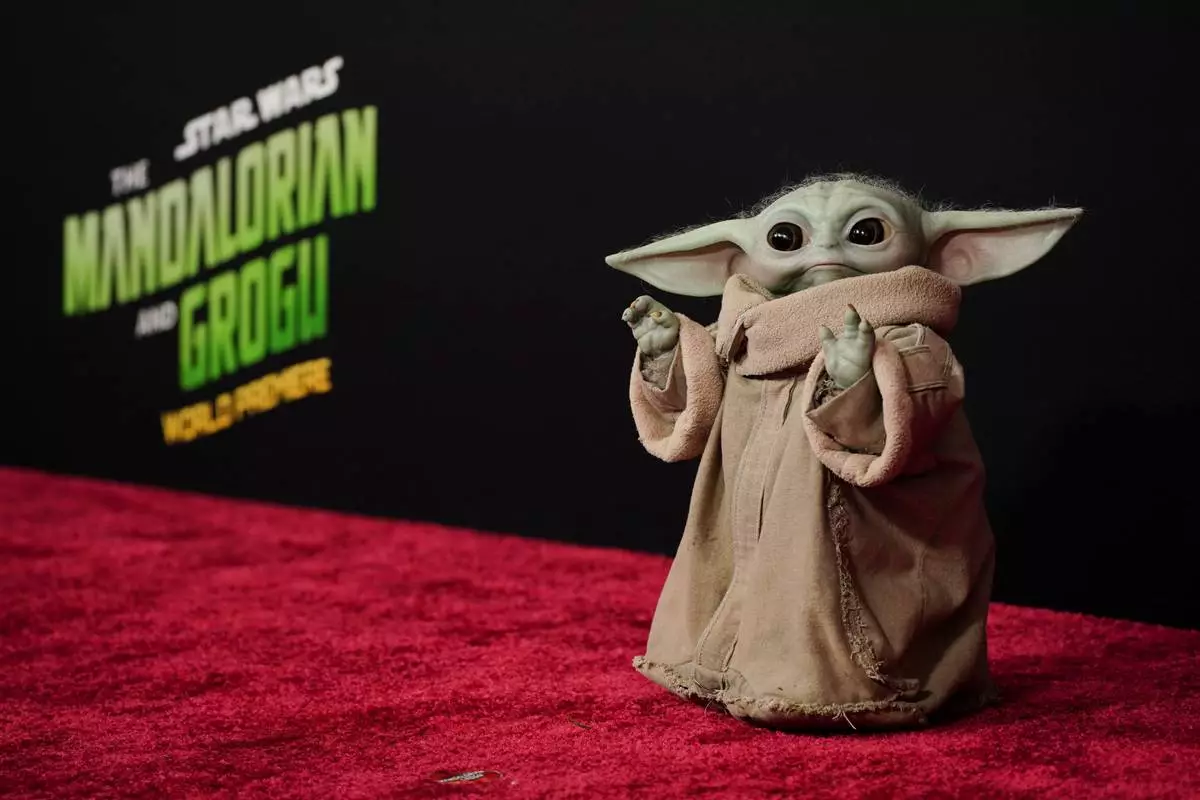
The character Grogu arrives at the premiere of "Star Wars: The Mandalorian and Grogu" on Thursday, May 14, 2026, at TCL Chinese Theatre in Los Angeles. (Photo by Jordan Strauss/Invision/AP)