TOKYO (AP) — Business sentiment among major Japanese manufacturers rose to 17 in March from 16, according to the Bank of Japan’s quarterly survey released Wednesday.
The improvement in the key so-called diffusion index in the closely watched “tankan” report, recorded for the fourth quarter straight, comes even as worries grow about Japan’s economic growth and oil supplies because of the war in Iran.
The survey is an indicator of companies foreseeing good conditions minus those feeling pessimistic.
The index for large non-manufacturers, such as the service sector, stood unchanged from the last tankan at 36.
Japan’s inflation has so far remained relatively moderate, but worries are growing about prices at the gas stands and other products. Investors and consumers alike are filled with uncertainty about how much longer the war may last and what U.S. President Donald Trump might say next. Japan’s benchmark Nikkei 225 has gyrated wildly in recent weeks.
Analysts say the Bank of Japan may start to raise interest rates because of concerns about inflation, given the soaring energy costs and declining yen — two elements that greatly affect living costs for the average Japanese consumer.
Historically, Japan has benefited from a weak yen because of its giant exports, exemplified in autos and electronics. A weak yen raises the value of exports’ earnings when converted into yen.
But in recent years, a weak yen is working as a negative, as resource-poor Japan imports much of its energy, as well as other key products such as food and manufacturing components.
The U.S. dollar has been soaring against the yen lately.
Japan’s central bank had a negative interest rate policy for years to fight deflation until it normalized policy in 2024. It kept the rate unchanged at 0.75% in March. The next Bank of Japan monetary policy board meeting is set for April 27 and 28.
Yuri Kageyama is on Threads: https://www.threads.com/@yurikageyama
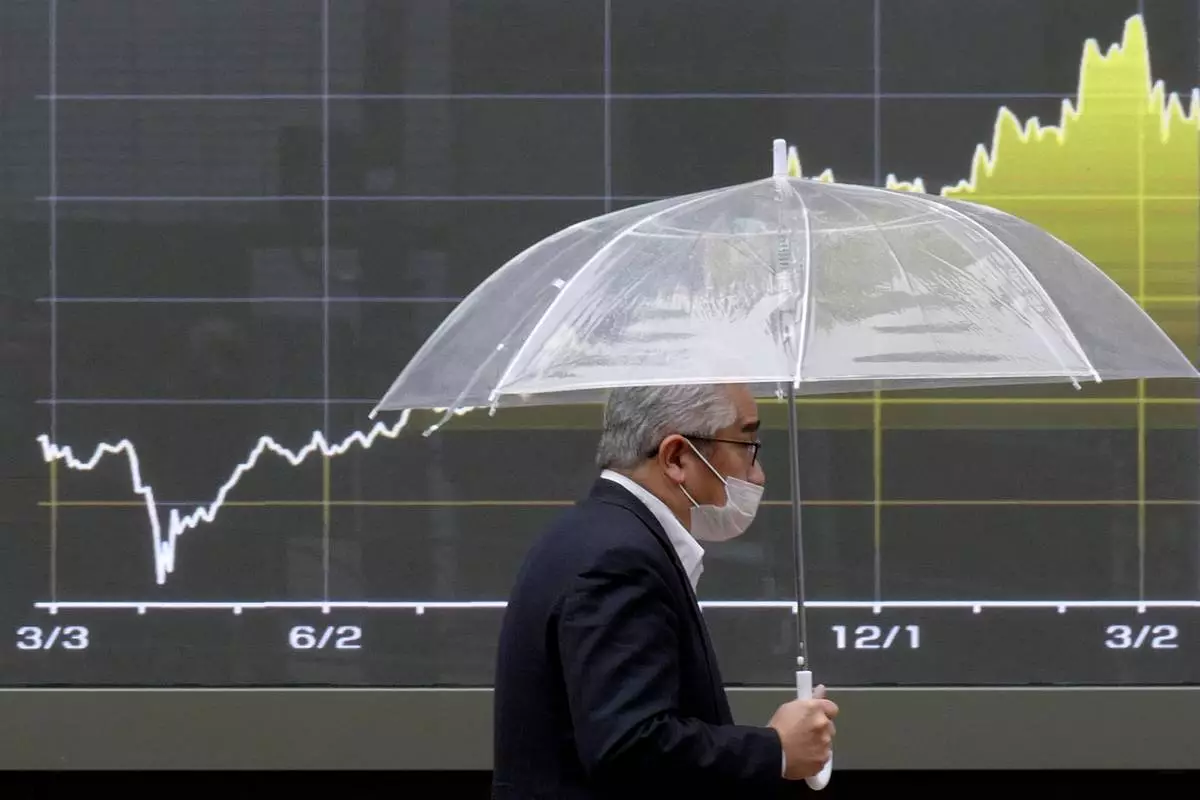
A person walks in front of an electronic stock board showing Japan's Nikkei index chart at a securities firm Monday, March 23, 2026, in Tokyo. (AP Photo/Eugene Hoshiko)
LJUBLJANA, Slovenia (AP) — Slovenia’s parliament on Friday appointed right-wing populist politician Janez Jansa as the new prime minister, in a shift for the small European Union country that was previously run by a liberal government.
Lawmakers backed Jansa in a 51-36 vote in the 90-member assembly. The new prime minister will need to come back to Parliament within the next 15 days for another vote to confirm his future Cabinet.
Jansa's appointment concludes a postelection stalemate in Slovenia after a parliamentary ballot two months ago ended practically in a tie. Former liberal Prime Minister Robert Golob's Freedom Movement won by a thin margin but he was unable to muster a parliamentary majority.
Jansa and his populist Slovenian Democratic Party signed a coalition agreement this week with several right-wing groups. The new government also has the backing of a nonestablishment Truth party that first emerged as an anti-vaccination movement during the COVID-19 pandemic.
The new term in office will be the fourth for the veteran Slovenian politician. Jansa, 67, is an admirer of U.S. President Donald Trump and was a close ally of former populist Hungarian Prime Minister Viktor Orbán, who was defeated in a landslide election last month.
Jansa in a speech listed the economy, fight against corruption and red tape, and decentralization as key goals of the future government. He has promised to lower taxes for the rich and support private education and healthcare.
Critical of the previous government's alleged “inefficiency," Jansa said the new government will turn Slovenia into “a country of opportunity, prosperity and justice, where each responsible citizen will feel safe and accepted."
Like Orban, Jansa was staunchly anti-immigrant during the huge migration wave to Europe in 2015. Also like Orban, Jansa has faced accusations of clamping down on democratic institutions and press freedoms during a previous term in 2020-2022. This led to protests at the time, and scrutiny from the European Union.
Golob in his speech described Jansa as “the greatest threat to Slovenia’s sovereignty and democracy."
Alleging that Jansa had threatened to arrest him, Golob said Jansa's "idea of democracy is that anyone who dares speak a word against you deserves only the worst.”
Jansa, a supporter of Israel, also has been a stern critic of the Golob government's 2024 recognition of a Palestinian state.
The vote on March 22 was marred by allegations of foreign influence and corruption. The around 2 million people in the Alpine nation are deeply divided between liberals and conservatives.
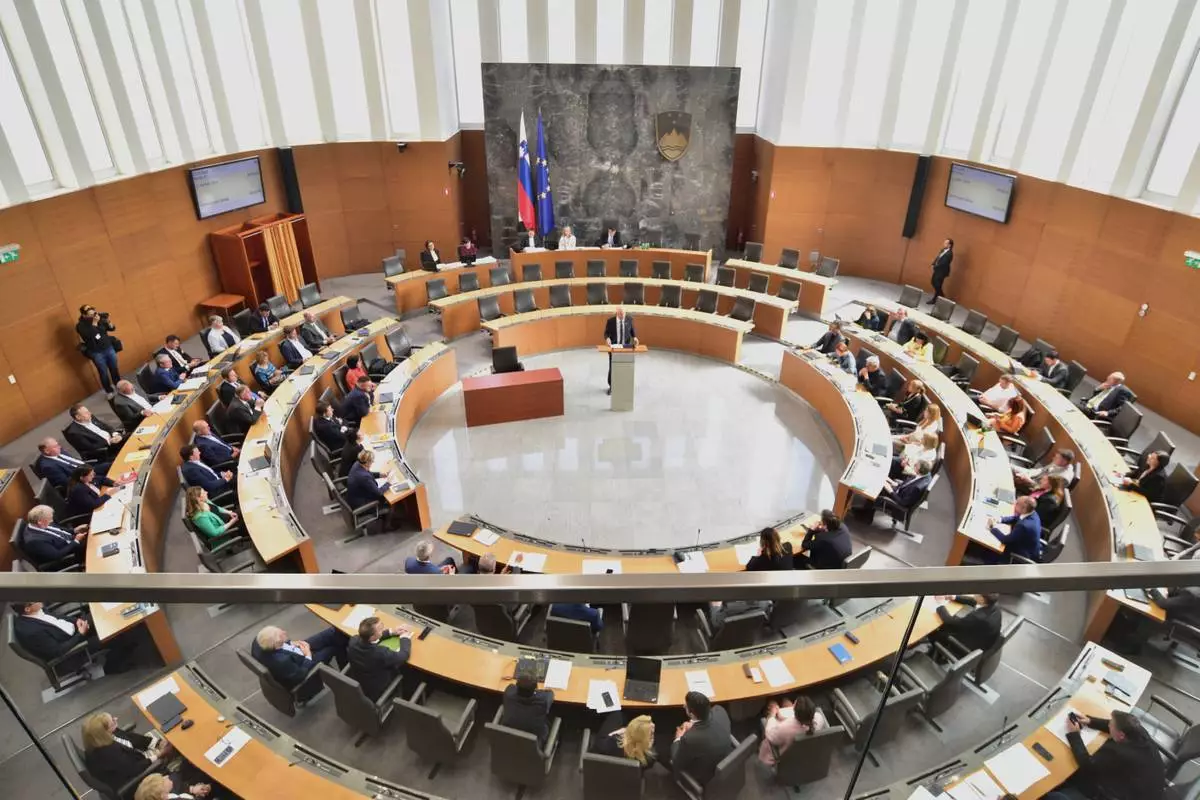
Janez Jansa, center, addresses the Slovenian Parliament during a session in Ljubljana, Slovenia, Friday, May 22, 2026, before appointing him as prime minister, ending a political deadlock after tight elections in March. (AP Photo/Igor Kupljenik)
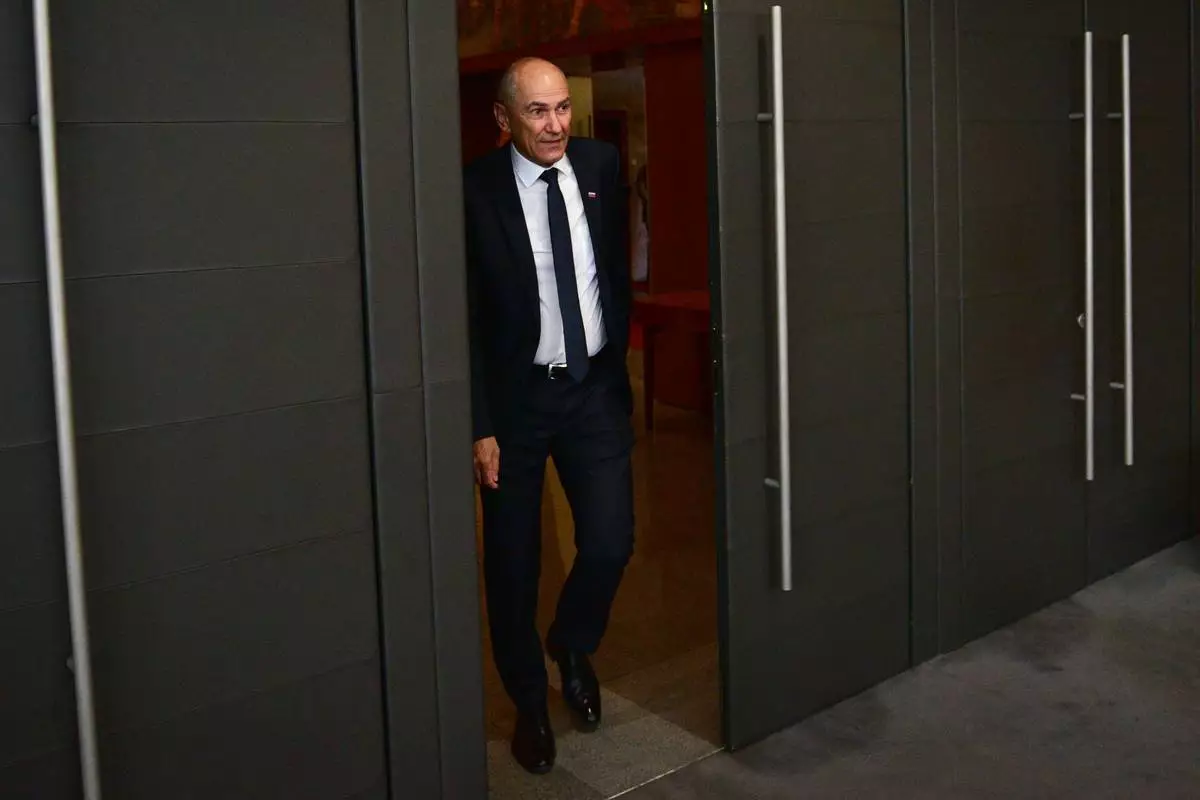
Janez Jansa arrives for a session of the Slovenian Parliament in Ljubljana, Slovenia, Friday, May 22, 2026, before appointing him as prime minister, ending a political deadlock after tight elections in March. (AP Photo/Igor Kupljenik)
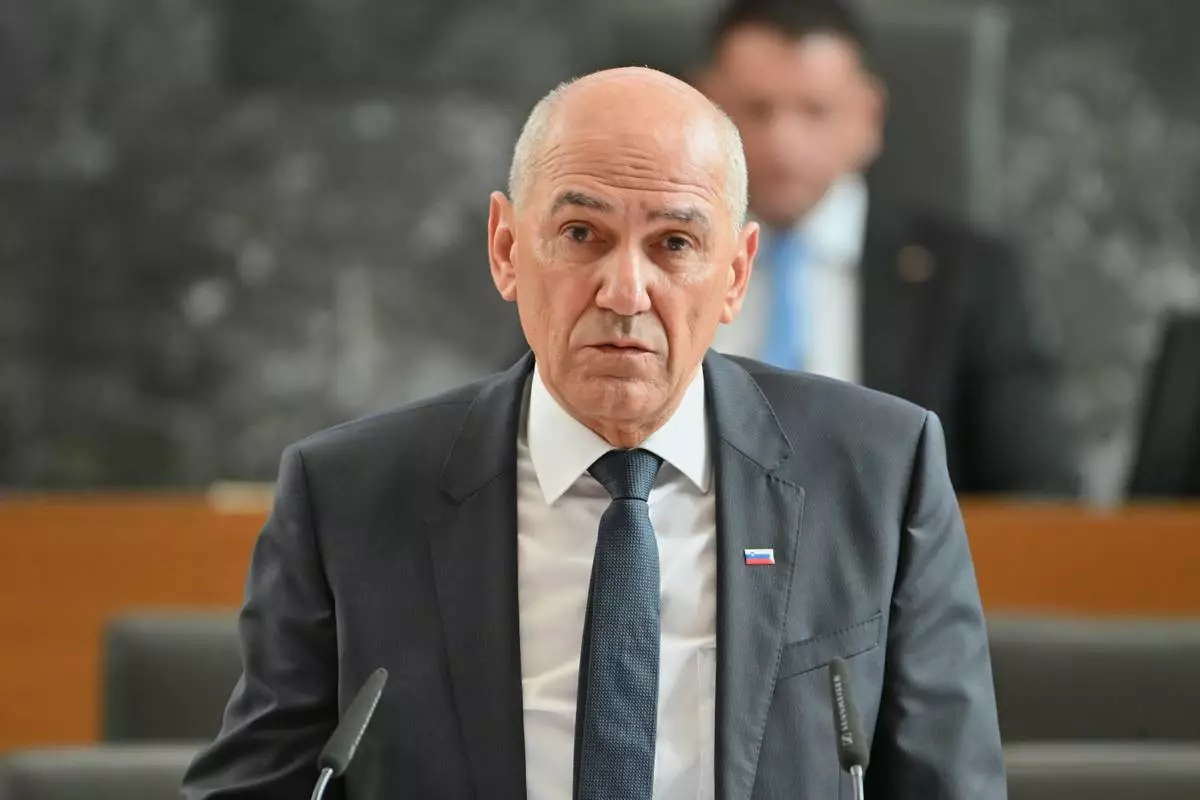
Janez Jansa addresses the Slovenian Parliament during a session in Ljubljana, Slovenia, Friday, May 22, 2026, before appointing him as prime minister, ending a political deadlock after tight elections in March. (AP Photo/Igor Kupljenik)