Skip to Content Facebook Feature Image

UN spokesman warns up to 4 million could be pushed into poverty by Mideast conflict

China

UN spokesman warns up to 4 million could be pushed into poverty by Mideast conflict
China

China

UN spokesman warns up to 4 million could be pushed into poverty by Mideast conflict

2026-04-01 16:21 Last Updated At:16:47

The escalating military conflict in the Middle East could bring severe economic consequences and job losses to the region which may plunge up to 4 million people into poverty, a United Nations spokesman has warned.

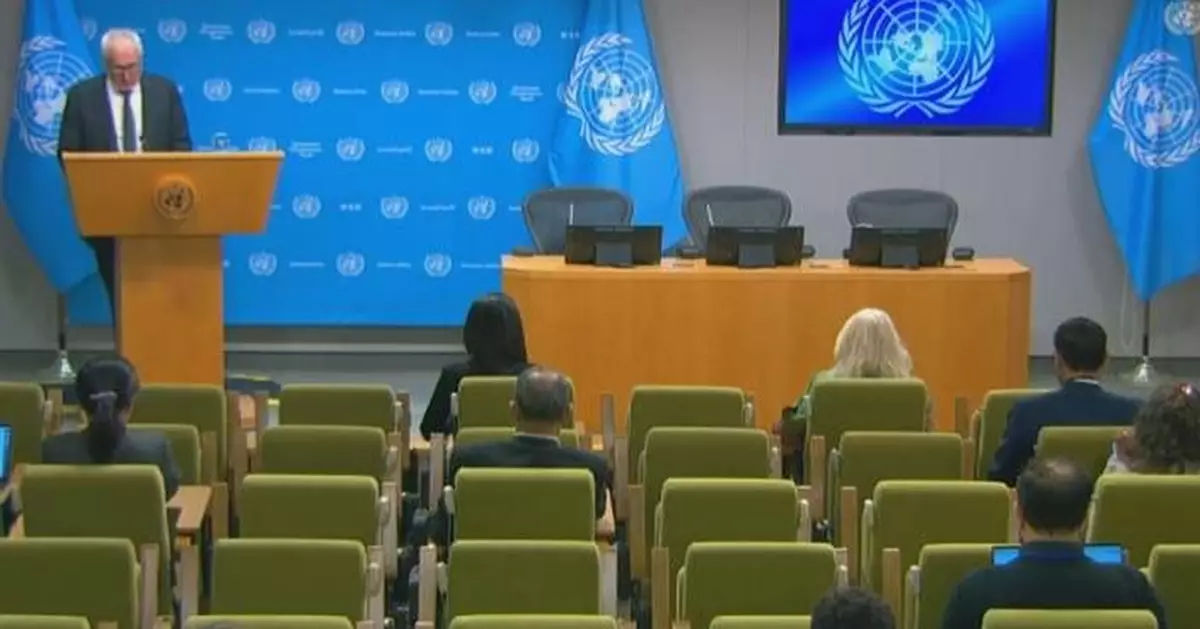
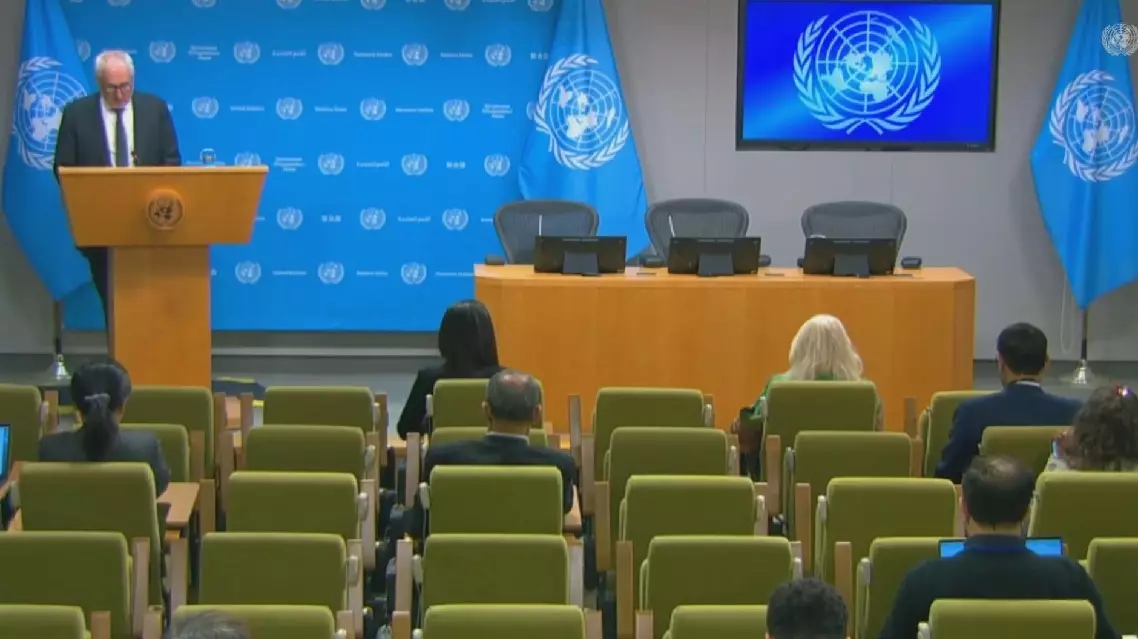
Stephane Dujarric, spokesperson for United Nations Secretary-General Antonio Guterres, outlined the growing concerns surrounding the deepening conflict during a regular press briefing on Tuesday.

Citing data released by the United Nations Development Programme (UNDP), Dujarric said the widening war could result in a devastating economic impact, which will have a profound effect on people's livelihoods.

"I wanted to flag some interesting data just released by the United Nations Development Programme that suggests the military escalation in the Middle East may cost economies in the region from 3.7 to 6 percent of their collective gross domestic product (GDP). This represents a staggering loss of 120 to 194 billion U.S. dollars and exceeds the cumulative regional GDP growth achieved in 2025. This is coupled with an estimated rise in unemployment of up to 4 percentage points or 3.6 million lost jobs, which is more than the total jobs created in the region last year. These reversals will push up to 4 million people into poverty, according to UNDP's analysis," he said.

The conflict erupted on Feb. 28 when the United States and Israeli launched joint airstrikes on the Iranian capital Tehran and several other cities. U.S-Israeli attacks have continued since, targeting key Iranian military command centers, missile installations, energy infrastructures and nuclear facilities.

In response, Iran has launched waves of missile and drone strikes against Israel and U.S. military facilities across the Middle East, including those in Kuwait, Bahrain, Qatar, Jordan, Saudi Arabia and the United Arab Emirates.

The situation shows little sign of de-escalation as Iranian Foreign Ministry spokesman Esmaeil Baghaei said on Monday that a recent truce plan proposed by the United States contains "very excessive, unrealistic and unreasonable" demands.

Wider concerns are also mounting over the disruption to trade and transport along the Strait of Hormuz, a vital shipping passageway that carries about one-quarter of global seaborne oil trade.
UN spokesman warns up to 4 million could be pushed into poverty by Mideast conflict
UN spokesman warns up to 4 million could be pushed into poverty by Mideast conflict

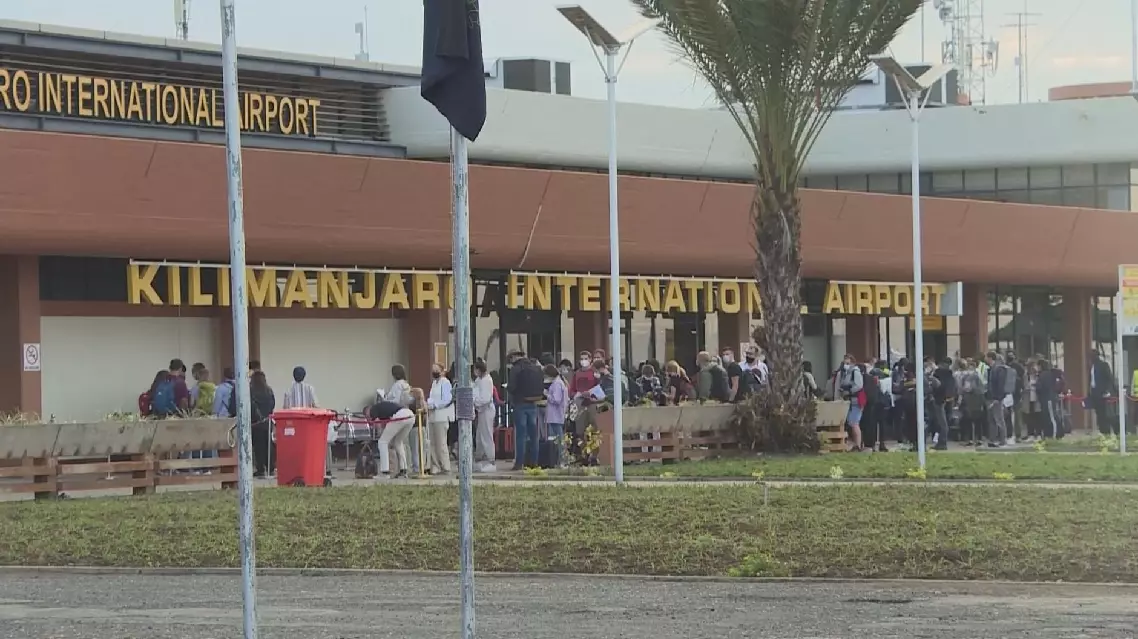
Tanzanians doing business in the Middle East have been forced to scale down or cease operations altogether, as the U.S.-Israeli war on Iran disrupts global travel.

In early March, Tanzanian authorities sent a special flight to bring home more than 200 citizens from Dubai.

Mustapha Khatow, who runs the travel agency Sky Link Travel and Tours, said he has spent nearly four decades in the tourism industry, moving between Dubai and Tanzania, serving both corporate and leisure travelers. But the recent tensions involving Iran and the disruption to flights and business have hit hard, forcing him to relocate his family back to Tanzania.

"Tanzanian travel agents in the whole, they have been hit, because we've had huge cancellations for Eid, people going to Dubai, for Easter holidays, going to Dubai. So, we have lost a big chunk of people who do not wish to go to Dubai at this time," he said.

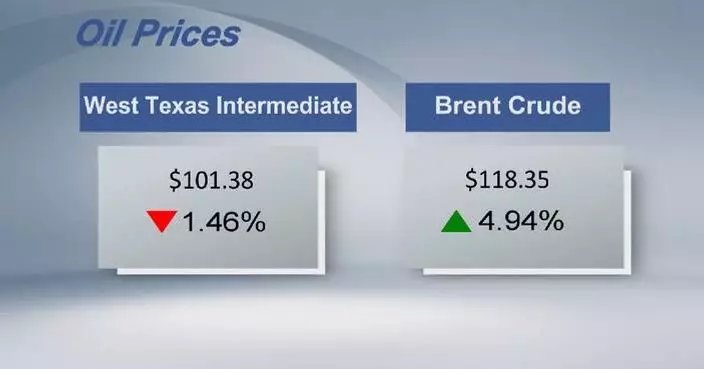
The impact is being felt beyond tourism. Supply challenges linked to the conflict have pushed up global oil prices, raising concerns for import-dependent economies like Tanzania. Authorities say they are taking measures to cushion businesses and maintain steady fuel supplies.

Aviation and tourism in the Middle East have also taken a hit. In Dubai, more than 80,000 travel bookings were canceled in the first week of the conflict as airports faced intermittent closures and uncertainty, leading to millions of dollars in losses.

Reports indicate that visitor arrivals in the Middle East could decline by between 11 percent and 27 percent in 2026. Travel industry professionals like Khatow view the downturn as collateral damage from the conflict and hope for a swift resolution to help revive tourism.

"Those big traders who bring containers to Tanzania, they have a challenge because of the shipping lines getting delayed, freight charges going up. And again, another issue is Air Tanzania has not been flying to Dubai since then, apart from one repatriation flight," he said.

Khatow said diplomacy will be key to restoring stability, while accurate reporting can help limit further damage to businesses.

US-Israeli war on Iran disrupts travel businesses from Tanzania

US-Israeli war on Iran disrupts travel businesses from Tanzania

Recommended Articles