LONDON--(BUSINESS WIRE)--Apr 1, 2026--
Global traditional TV and online video revenues are projected to exceed $1 trillion by 2030, according to new data presented by Maria Rua Aguete, Head of Media & Entertainment at Omdia, at the FED Show in Madrid. Highlighting a major structural shift in the media and entertainment industry, total revenues are forecast to grow from $775 billion in 2025 to $1.03 trillion in 2030, with growth primarily driven by digital formats, especially advertising.
This press release features multimedia. View the full release here: https://www.businesswire.com/news/home/20260401036332/en/
Online video advertising will be the main growth engine, rising from $309 billion in 2025 to $540 billion in 2030, increasing its share of total revenues from 40% to 53%. Within the online advertising segment, social video platforms such as Meta, TikTok and YouTube will play a decisive role, generating approximately $400 billion in total streaming advertising revenues by 2030. This trend reflects a fundamental shift towards mobile-first, short-form, and highly personalized video experiences, where discovery algorithms and creator ecosystems are driving both engagement and monetization at scale.
Online video subscription and transaction revenues are projected to increase from $174 billion in 2025 to $216 billion in 2030. While this segment will continue to grow, it is entering a more mature phase, with slower growth compared to advertising-led models.
Traditional segments will continue to lose share. Linear TV advertising is expected to decline from $123 billion in 2025 to $113 billion by 2030, with its share falling from 16% to 11%. Pay TV revenues (subscriptions and transactions) will also decrease, from $169 billion to $159 billion, reflecting ongoing cord-cutting and the continued migration of audiences toward digital platforms.
“The industry is undergoing a profound transformation,” said Maria Rua Aguete. “Social video advertising is becoming the dominant force, reshaping how content is consumed and monetized. Meanwhile, traditional models such as linear TV and pay TV are in structural decline.”
As the industry approaches the $1 trillion milestone, Omdia’s analysis shows that the balance of power is shifting toward digital platforms, with advertising - led by social video - at the center of future growth.
ABOUT OMDIA
Omdia, part of TechTarget, Inc. d/b/a Informa TechTarget (Nasdaq: TTGT), is a technology research and advisory group. Our deep knowledge of tech markets grounded in real conversations with industry leaders and hundreds of thousands of data points, make our market intelligence our clients’ strategic advantage. From R&D to ROI, we identify the greatest opportunities and move the industry forward.

Global traditional TV & online video revenue by type, 2025 & 2030
LJUBLJANA, Slovenia (AP) — Slovenia’s parliament on Friday appointed right-wing populist politician Janez Jansa as the new prime minister, in a shift for the small European Union country that was previously run by a liberal government.
Lawmakers backed Jansa in a 51-36 vote in the 90-member assembly. The new prime minister will need to come back to Parliament within the next 15 days for another vote to confirm his future Cabinet.
Jansa's appointment concludes a postelection stalemate in Slovenia after a parliamentary ballot two months ago ended practically in a tie. Former liberal Prime Minister Robert Golob's Freedom Movement won by a thin margin but he was unable to muster a parliamentary majority.
Jansa and his populist Slovenian Democratic Party signed a coalition agreement this week with several right-wing groups. The new government also has the backing of a nonestablishment Truth party that first emerged as an anti-vaccination movement during the COVID-19 pandemic.
The new term in office will be the fourth for the veteran Slovenian politician. Jansa, 67, is an admirer of U.S. President Donald Trump and was a close ally of former populist Hungarian Prime Minister Viktor Orbán, who was defeated in a landslide election last month.
Jansa in a speech listed the economy, fight against corruption and red tape, and decentralization as key goals of the future government. He has promised to lower taxes for the rich and support private education and healthcare.
Critical of the previous government's alleged “inefficiency," Jansa said the new government will turn Slovenia into “a country of opportunity, prosperity and justice, where each responsible citizen will feel safe and accepted."
Like Orban, Jansa was staunchly anti-immigrant during the huge migration wave to Europe in 2015. Also like Orban, Jansa has faced accusations of clamping down on democratic institutions and press freedoms during a previous term in 2020-2022. This led to protests at the time, and scrutiny from the European Union.
Golob in his speech described Jansa as “the greatest threat to Slovenia’s sovereignty and democracy."
Alleging that Jansa had threatened to arrest him, Golob said Jansa's "idea of democracy is that anyone who dares speak a word against you deserves only the worst.”
Jansa, a supporter of Israel, also has been a stern critic of the Golob government's 2024 recognition of a Palestinian state.
The vote on March 22 was marred by allegations of foreign influence and corruption. The around 2 million people in the Alpine nation are deeply divided between liberals and conservatives.
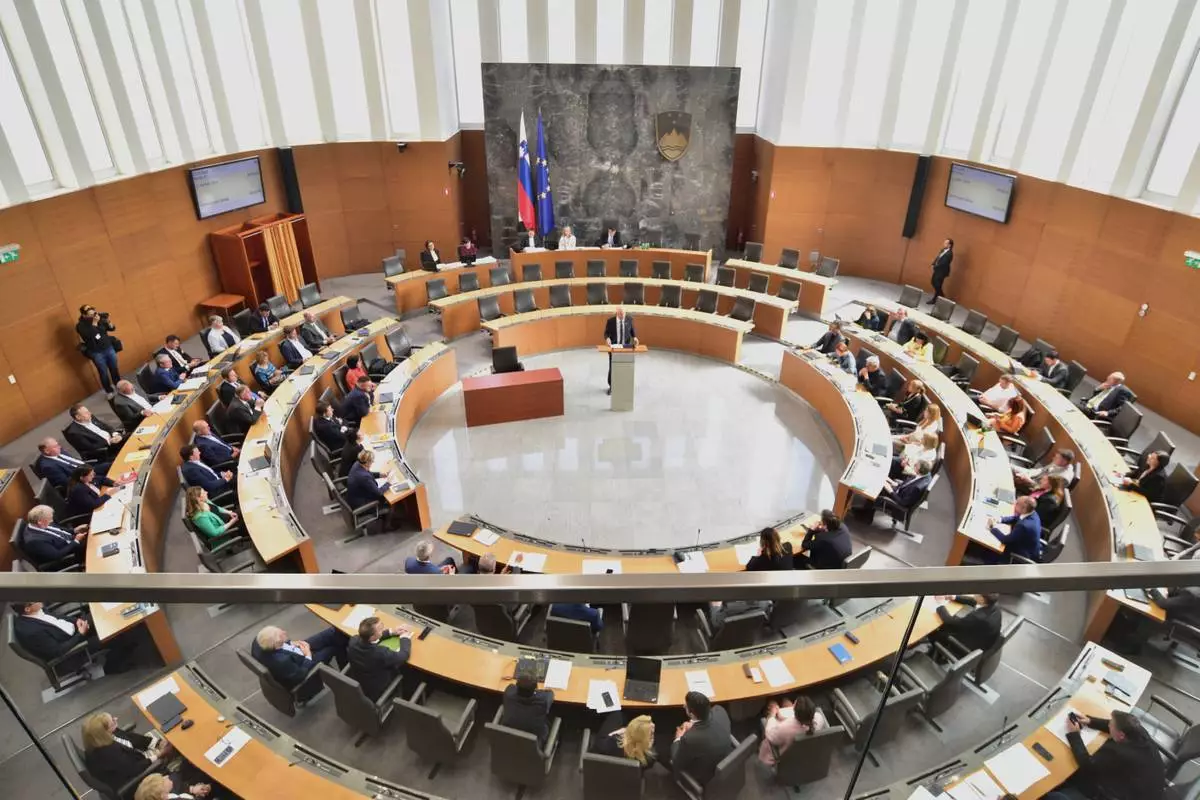
Janez Jansa, center, addresses the Slovenian Parliament during a session in Ljubljana, Slovenia, Friday, May 22, 2026, before appointing him as prime minister, ending a political deadlock after tight elections in March. (AP Photo/Igor Kupljenik)
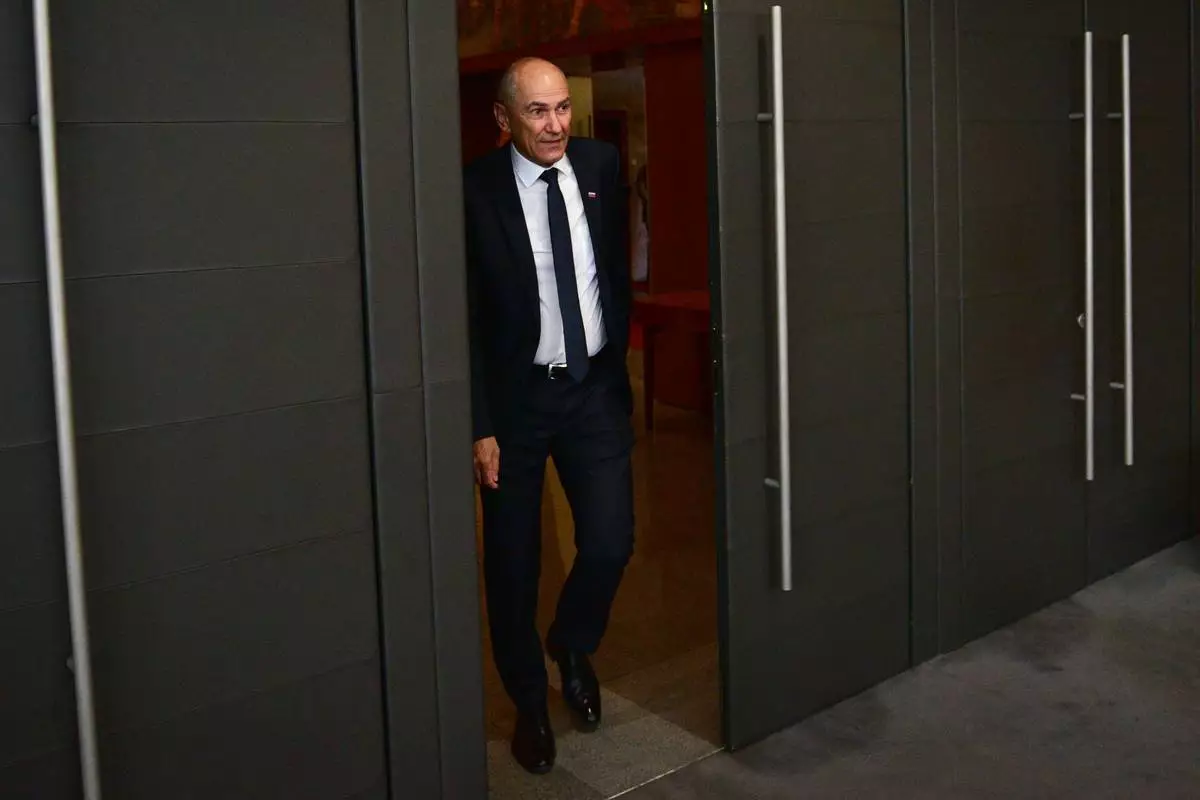
Janez Jansa arrives for a session of the Slovenian Parliament in Ljubljana, Slovenia, Friday, May 22, 2026, before appointing him as prime minister, ending a political deadlock after tight elections in March. (AP Photo/Igor Kupljenik)
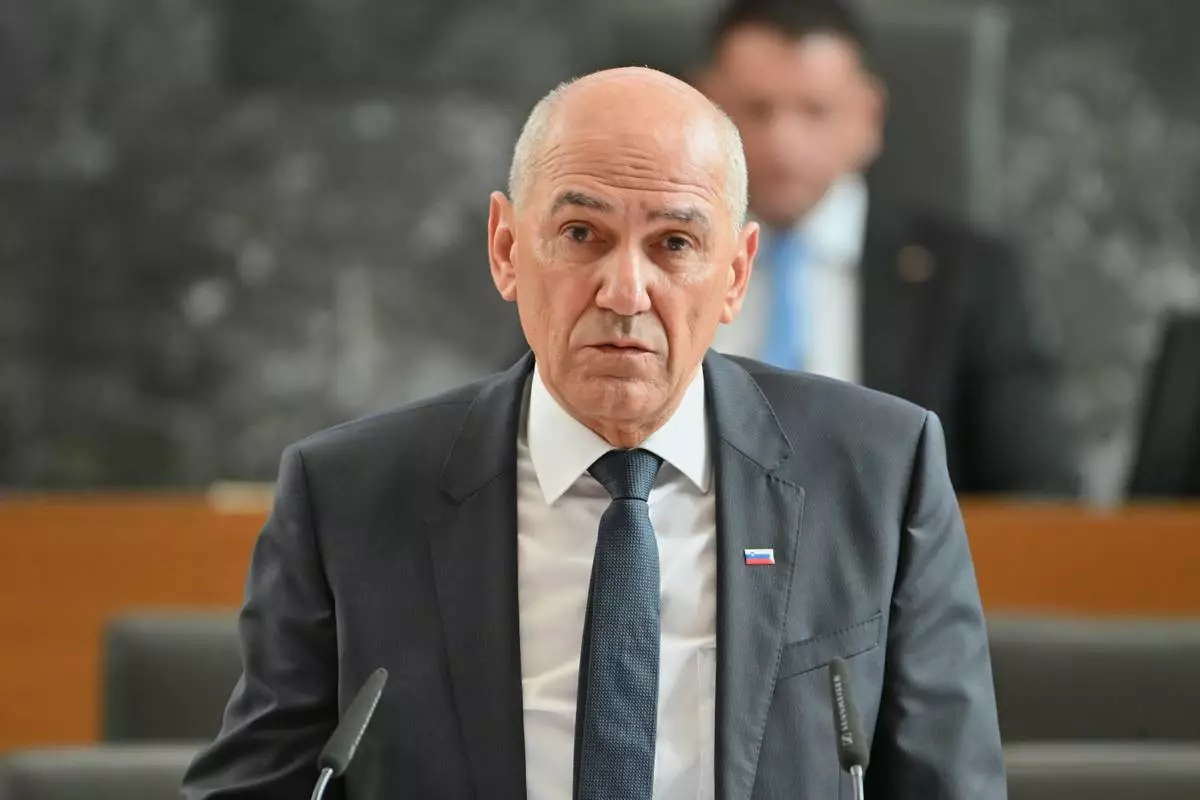
Janez Jansa addresses the Slovenian Parliament during a session in Ljubljana, Slovenia, Friday, May 22, 2026, before appointing him as prime minister, ending a political deadlock after tight elections in March. (AP Photo/Igor Kupljenik)