Skip to Content Facebook Feature Image

China welcomes int'l participation in initiative on Gulf, Mideast region

China

China

China

China welcomes int'l participation in initiative on Gulf, Mideast region

2026-04-01 16:13 Last Updated At:20:27

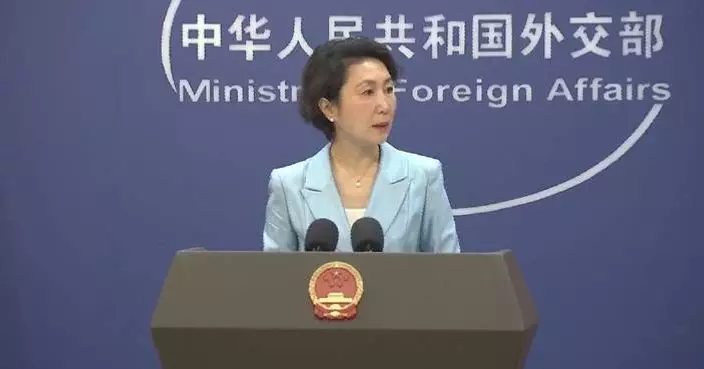
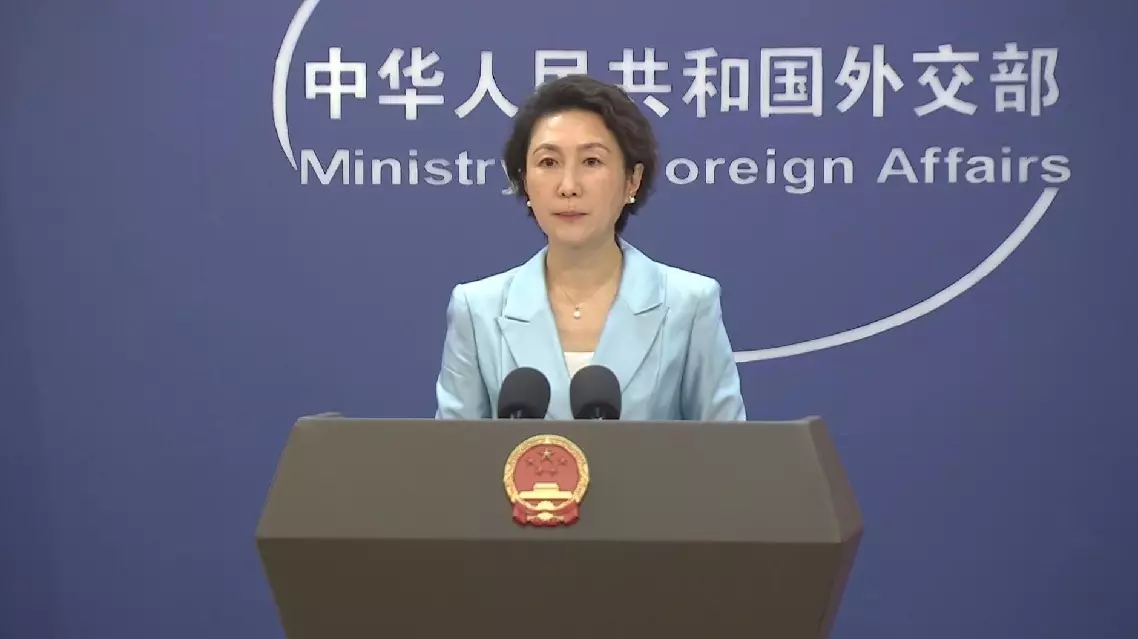
The China-Pakistan initiative on the Gulf and Middle East region is open, and all countries and international organizations are welcome to respond to and participate in it, Chinese Foreign Ministry spokeswoman Mao Ning said in Beijing on Wednesday at a press briefing.

Mao extended the invitation as a five-point initiative for restoring peace and stability in the Gulf and Middle East region was proposed during talks between Chinese Foreign Minister Wang Yi and Pakistani Deputy Prime Minister and Foreign Minister Mohammad Ishaq Dar in Beijing on Tuesday.

"Yesterday, Foreign Minister Wang Yi, also a member of the Political Bureau of the Communist Party of China Central Committee, and Pakistani Deputy Prime Minister and Foreign Minister Mohammad Ishaq Dar held talks, during which they had in-depth exchanges of views on the situation in the Gulf and the Middle East region and reached important consensus. The two sides issued a five-point initiative for restoring peace and stability in the Gulf and Middle East region. The five points are: immediate cessation of hostilities, starting peace talks as soon as possible, ensuring the security of nonmilitary targets and shipping lanes, and safeguarding the primacy of the United Nations Charter," Mao said.

"One month into the war in Iran, its spillover effects have continued to spread, dealing an increasingly severe blow to regional and global peace and stability. These spillover effects have caused extensive disruptions to the stability of global energy supplies, the unimpeded operations of industrial and supply chains, and the development of the world economy, which is not in the interest of regional countries and the wider world. As important countries in the Global South, China and Pakistan have voiced a rational and just position in the hope of building up greater consensus and pooling stronger efforts in the international community to contribute to easing the current tense situation, and restoring peace and tranquility in the Gulf and the Middle East region at an early date. The initiative is open, and all countries and international organizations are welcome to respond to and participate in it. China will continue to maintain close communication with Pakistan and all relevant parties to play a constructive role in promoting a ceasefire and ending the hostilities," she said.
China welcomes int'l participation in initiative on Gulf, Mideast region

China welcomes int'l participation in initiative on Gulf, Mideast region
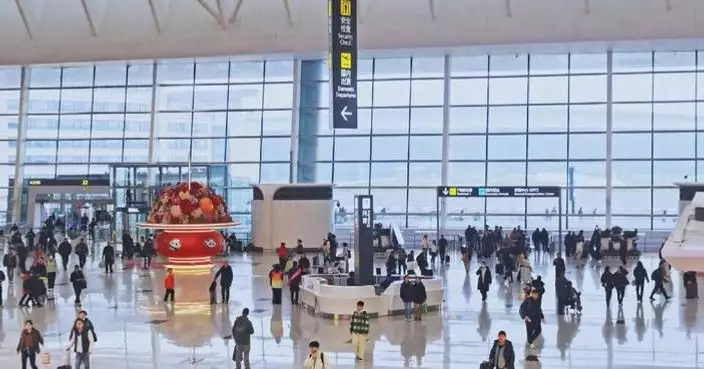
The spillover effects of the ongoing conflict in the Middle East are having a noticeable impact as far afield as Peru, a country highly reliant on energy imports, with the costs of transportation and daily supplies all climbing due to the hike in fuel prices.

Global oil prices have been rising as a result of the ongoing U.S.-Israeli-Iran conflict and concerns over the disruption to shipping through the Strait of Hormuz -- a vital passageway that typically carries about one-quarter of global seaborne oil trade.

Prices in Peru have also been worsened in the country after a natural gas pipeline explosion in the Cusco Province last month, which caused a significant gas supply shortage.

At present, the prices of gasoline and diesel in Peru have doubled since the start of the conflict in late February, forcing companies to raise the costs of passenger and freight transportation to offset their losses.

Many are concerned that this will have a considerable knock-on effect which could hamper economic activities and ultimately harm the wallets of local residents who are being forced to pay the price.

"What's the worst is that transportation will affect all activities throughout the economy, including the passenger sector, both intra-city and inter-provincial," said Martin Ojeda, the leader of a transportation workers' union.

"Everything has become more expensive. Both daily necessities and transportation are all very expensive," said a local vendor in the capital Lima.

"Previously, a roast chicken cost me about 45 soles (12.8 U.S. dollars), but now it has risen to 60 soles (over 17 U.S. dollars). This doesn't fit my financial situation, so I have to give up a lot of consumption. People like me who live on pensions are greatly affected," said another resident.

Meanwhile, the prices of fertilizers like urea have risen by around 16 percent over the past month as a result of the conflict, with the Middle East being a major global supplier of fertilizers, as these spiraling costs are also affecting food production and animal husbandry in Peru.

Transportation, living costs rise in Peru as conflict rages on in Middle East

Transportation, living costs rise in Peru as conflict rages on in Middle East

Recommended Articles