Skip to Content Facebook Feature Image

Chinese solar firms brace for tax rebate cuts, shift focus from low prices to added value

China

China

China

Chinese solar firms brace for tax rebate cuts, shift focus from low prices to added value

2026-04-01 17:41 Last Updated At:21:57

Photovoltaic manufacturers in China are stepping up efforts to brace for policy changes as the government cancels or reduces export tax rebates for solar and battery products.

The new rules, effective from Wednesday, scrap rebates for photovoltaic items and cut the battery rebate rate from 9 percent to 6 percent, with a full phase-out scheduled by January 2027.

The adjustment was jointly issued by the Ministry of Finance and the State Taxation Administration in early January.

The China Photovoltaic Industry Association says the measure will help restore rational pricing in overseas markets, prevent export prices from falling too sharply, and reduce the risk of long-term trade disputes.

At the Hai'an bonded logistics hub in eastern Jiangsu Province, trucks loaded with solar modules lined up to clear customs before the deadline to take advantage of the last rebates.

Many shipments originated in Suzhou and Changzhou, both major photovoltaic manufacturing bases, and were sent overseas via multimodal transport.

A logistics company at the hub said business had surged since mid-March, with the new policy expected to raise export costs.

"We started seeing volumes rise from March 18, and between March 24 and 28, we hit a peak. Overall, import and export traffic will exceed 1,000 truck trips," said Zhao Feng, general manager of the company.

According to a photovoltaic firm based in Nantong City, its production lines were also running at full speed.

The company said that export orders accounted for more than 95 percent of its first-quarter sales, surging more than fivefold year on year, with shipments primarily bound for Bulgaria, Italy and Yemen.

"The new policy has pushed the industry to shift from price wars to value wars. It is expected to drive technological innovation to secure a premium, while ensuring product quality to enhance value across the full lifecycle. Last but not least, we ought to closely track overseas policy changes in different market areas," said Zhang Zhan, deputy general manager of the firm.

Other photovoltaic companies stand ready to expand global capacity layouts to stay competitive.

"To expand overseas markets, we need a global capacity layout. Looking ahead to different consumer markets in different regions, we must establish local production capacity or production lines," said Tan Hairen, board chairman of a company in Changshu.

Analysts also believe the adjustment will usher in a period of profitability recovery, moving the industry away from low-price competition toward value-based growth.
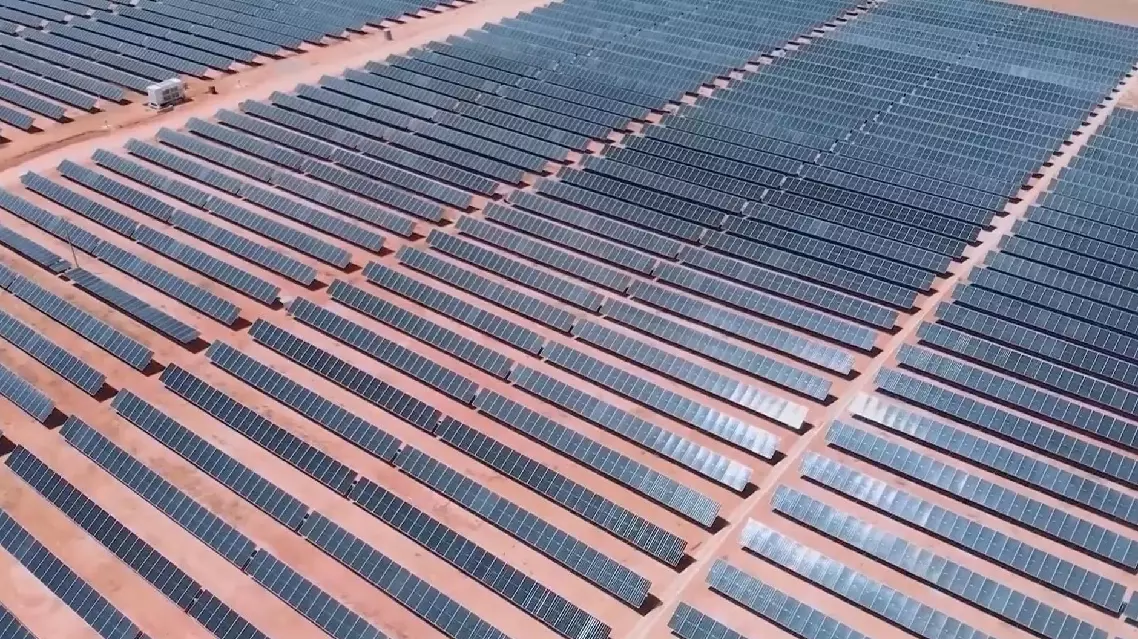
Chinese solar firms brace for tax rebate cuts, shift focus from low prices to added value
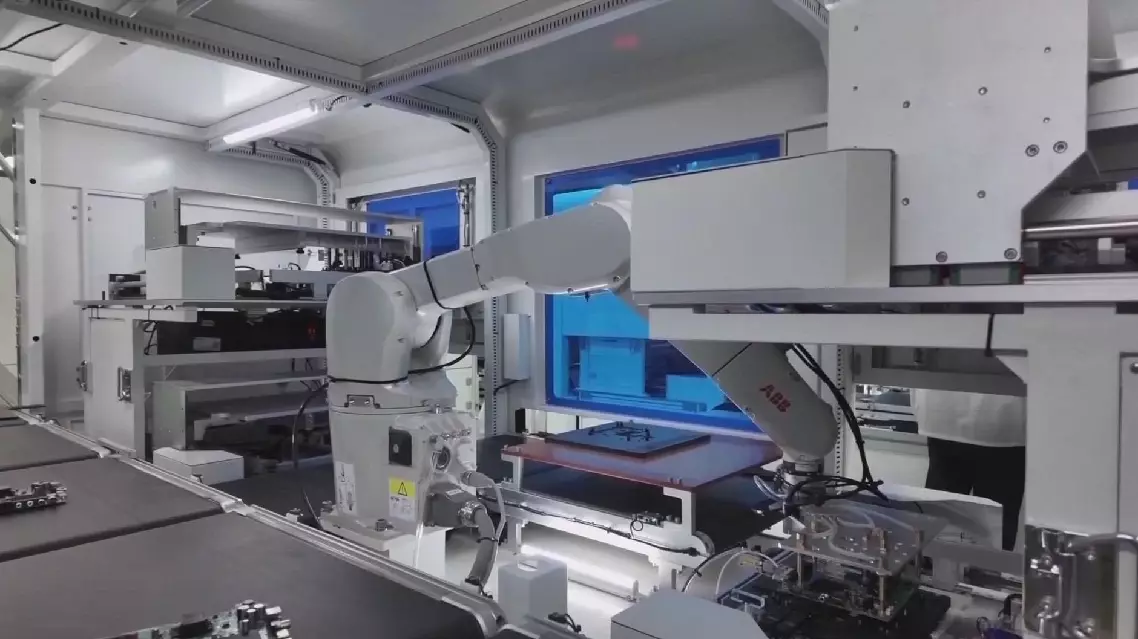

Chinese solar firms brace for tax rebate cuts, shift focus from low prices to added value

Mergers, acquisitions, and reorganizations in China's A-share market have picked up markedly since the start of the year, with deals disclosed in the first quarter up over 80 percent year on year, led by strong momentum in hard-tech sectors.

Data from Wind Information, a China financial data provider, showed that by Tuesday, listed companies had announced 829 merger, acquisition, and reorganization deals, with 224 on the ChiNext board and 94 on the STAR Market. By sector, "hard technology" sectors, represented by semi-conductor and smart manufacturing, have emerged as the most active areas.

"Hard-tech sectors typically feature rapid technological iteration, heavy research and development investment and long industrial chains, with significant economies of scale. Given these features, industrial mergers, acquisitions, and reorganizations have been a key tool for hard-tech companies to strengthen supply chain resilience and competitiveness. In addition, China's related policies, dubbed 'Six Measures for Mergers and Acquisitions,' explicitly support listed companies in carrying out mergers, acquisitions, and reorganizations around strategic emerging industries and future industries, while moderately increasing regulatory tolerance for unprofitable assets. This has created more favorable institutional conditions and a better market environment for listed companies in the hard-tech sectors to accelerate industrial upgrading and strengthen independent innovation," said Chen Jie, head of Mergers and Acquisitions Group at the investment banking division of China International Capital Corporation.

Chen also noted that the surge in mergers, acquisitions, and reorganizations has been reshaping valuation dynamics in the A-share market. As integration and synergies take time to materialize, investors are increasingly shifting their focus from short-term sentiment to long-term value based on business logic. At the same time, sustained mergers and acquisitions activity is expected to support the revaluation of leading companies.

"Through consolidation and expansion, leading A-share firms are likely to see their core competitiveness and long-term growth prospects become more evident. This will help the market better recognize their intrinsic value, offering higher valuation, and contribute to a more rational and mature valuation system overall," said Chen.

China's A-share sees mergers, acquisitions, reorganizations pick up,led by hard-tech sectors

China's A-share sees mergers, acquisitions, reorganizations pick up,led by hard-tech sectors

Recommended Articles