Kentucky lawmakers have brushed aside the objections of Democratic Gov. Andy Beshear to enact a new law that could protect global agrochemical manufacturer Bayer from state lawsuits alleging it failed to warn customers that a commonly used weedkiller could cause cancer.
The veto override Wednesday by Kentucky's Republican-led General Assembly comes just weeks before the U.S. Supreme Court is to hear arguments in a case that could erect a nationwide shield against such liability lawsuits. It also comes as Bayer is asking a Missouri court to approve a $7.25 billion settlement that could resolve tens of thousands of claims that its Roundup weedkiller caused non-Hodgkin lymphoma.
Click to Gallery
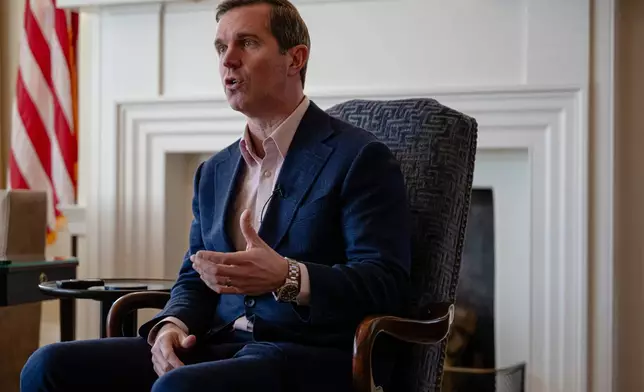
FILE - Kentucky Gov. Andy Beshear gives an interview, Jan. 12, 2026, in Frankfort, Ky. (AP Photo/Jon Cherry, File)
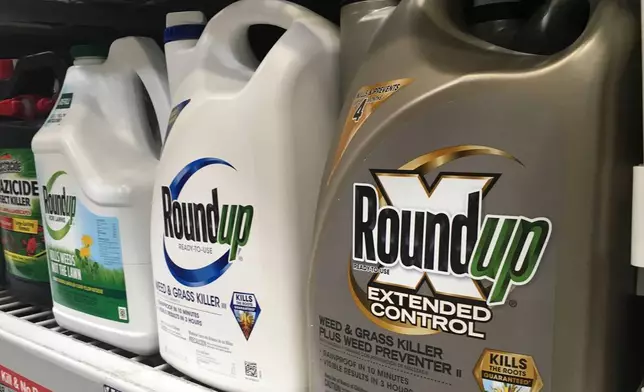
FILE - Containers of Roundup are displayed on a store shelf, Feb. 24, 2019, in San Francisco. (AP Photo/Haven Daley, File)
FILE - A woman walks in front of a logo of Bayer AG at the Financial News Conference, in Leverkusen, Germany, Feb. 27, 2020. (AP Photo/Martin Meissner, File)
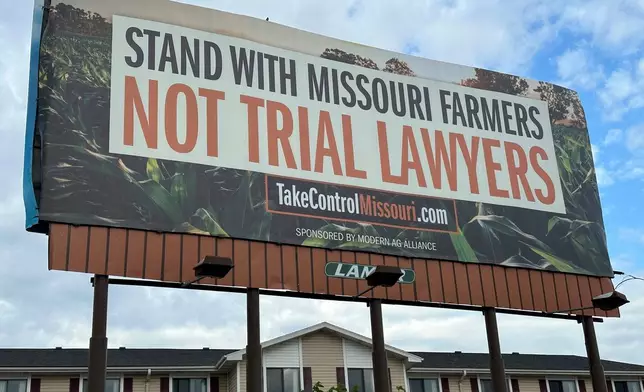
FILE - A billboard supporting legislation that would provide legal protection to manufacturers of pesticides is displayed, May 13, 2024, in Jefferson City, Mo. (AP Photo/David A. Lieb, File)
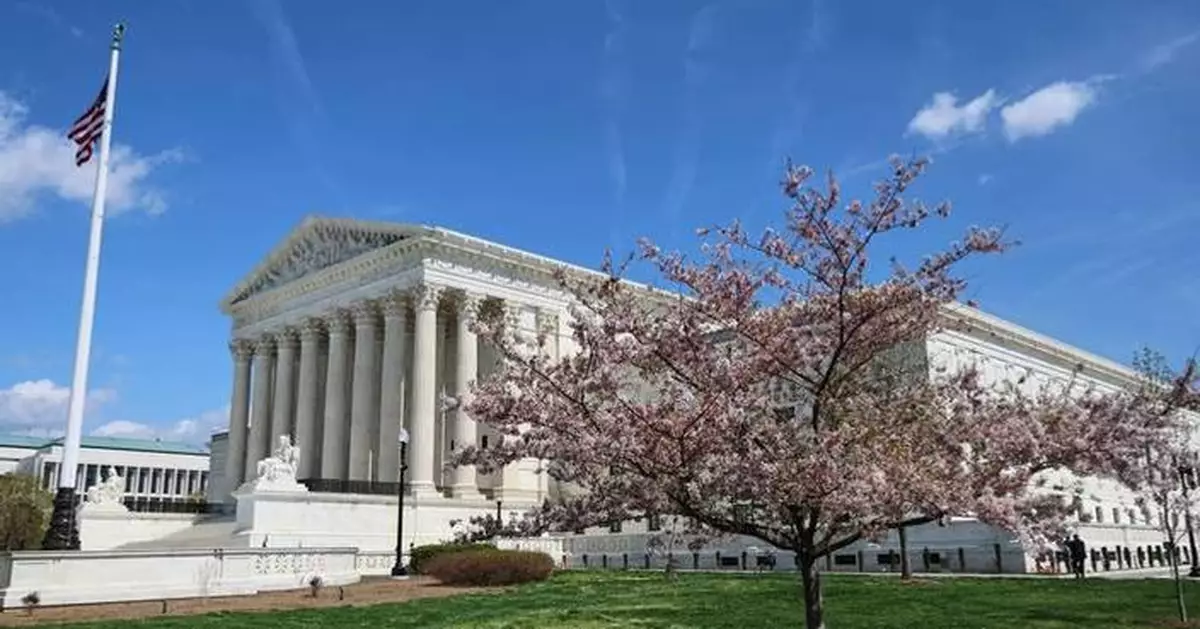
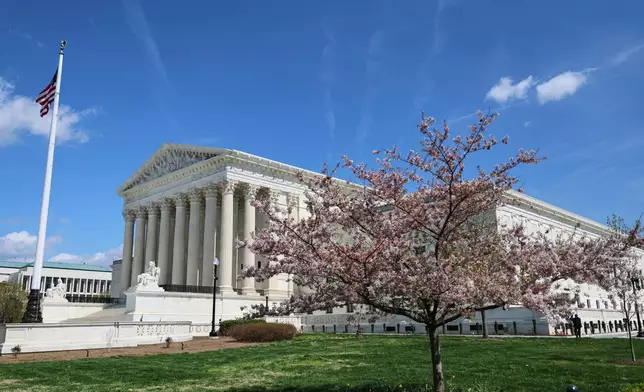
The U.S. Supreme Court is seen in Washington, Wednesday, April 1, 2026. (AP Photo/Tom Brenner)
The multipronged action in state capitols and courtrooms highlights what's become a pressing financial issue for the Germany-based company, which is also known for its pharmaceuticals. It also hits on an issue that has revealed split viewpoints among President Donald Trump's supporters and the Make America Healthy Again movement.
Here's what to know about the legislation and lawsuits involving Bayer:
Monsanto debuted Roundup weedkiller in 1974 with the chemical glyphosate as its active ingredient. The product quickly became one of the most widely used herbicides in agriculture. Roundup is designed to be used with genetically modified seeds that can resist the weedkiller’s deadly effect, thus allowing farmers to produce more while conserving the soil by tilling it less.
Bayer added Roundup to its portfolio when it acquired Missouri-based Monsanto in 2018. With it came a mounting number of lawsuits alleging glyphosate causes a cancer known as non-Hodgkin lymphoma. About 200,000 Roundup-related claims have now been made against Bayer.
The company disputes the cancer-causing assertions. But Bayer has said the legal costs are threatening its ability to continue selling glyphosate-based products in U.S. agricultural markets. It's already removed glyphosate from its new versions of Roundup for residential markets.
Though some studies associate glyphosate with cancer, the U.S. Environmental Protection Agency has said it is not likely to be carcinogenic to humans when used as directed. The federally approved label for Roundup includes no warning of cancer.
At the heart of most lawsuits is a claim that Roundup's manufacturer failed to warn customers of the potential cancer risk.
Bayer has joined with a coalition of agricultural organizations called Modern Ag Alliance to try to block similar claims in the future. They have backed bills in multiple states declaring that a federally approved label on pesticides is sufficient to satisfy any duty under state law to warn customers.
North Dakota and Georgia became the first states to enact the legal shield last year. Kentucky became the third when lawmakers voted to override Beshear's veto.
“Farmers need clear, consistent rules to plan for the future and keep their operations profitable,” Elizabeth Burns-Thompson, executive director of Modern Ag Alliance, said while praising the Kentucky law.
Beshear, a former state attorney general, noted that many other items already contain warning labels, including cosmetics, personal hygiene products and household cleaners.
But the Kentucky measure “would allow dangerous pesticides to be sold without having labels warning of the risks of using them. It flies in the face of making America healthy,” Beshear said in his veto message.
The Supreme Court is to hear arguments April 27 on a Missouri case in which a jury awarded $1.25 million to a man who developed non-Hodgkin lymphoma after spraying Roundup on a community garden in St. Louis. Jurors held Monsanto liable for failing to warn of the risk.
Bayer contends federal pesticide laws preempt failure-to-warn claims under state laws, because states cannot require additional labeling.
Trump's administration has sided with Bayer, reversing the position of former President Joe Biden administration and putting it at odds with some supporters of the Make America Healthy Again agenda who oppose giving companies legal immunity from such claims.
The case has drawn a lot of attention. Agricultural groups, business associations, health care organizations, plaintiffs' attorneys and state elected officials have combined to file about 30 separate legal briefs urging the high court to rule either for or against Bayer's assertion of federal legal protection.
Among them is a group of former EPA officials who say the state lawsuits should be allowed. Roundup's maker never proposed that EPA include a cancer warning on its labels, so the lack of such labeling “cannot be understood as an implicit rejection of such a warning” and should not preempt failure-to-warn lawsuits, their court filing says.
A St. Louis Circuit Court judge gave preliminary approval last month to a proposed settlement intended to resolve most of the pending and future failure-to-warn claims involving Roundup. That triggered the start of a notification period in which people can choose to opt out of the settlement by June 4.
The proposed deal calls for Bayer to make annual payments into a special fund for up to 21 years, totaling as much as $7.25 billion. The amount of money paid to individuals would vary depending on how they used Roundup, how old they were when diagnosed and the severity of their non-Hodgkin lymphoma.
An agricultural, industrial or turf worker exposed at length to Roundup would receive an average of $165,000 if diagnosed with an aggressive form of the illness while younger than age 60, according to the proposed settlement. People diagnosed at age 78 or older would get an average of $10,000.
The settlement would eliminate some of the risk from an eventual Supreme Court ruling. Patients would be assured of receiving settlement money even if the Supreme Court rules in Bayer’s favor. And Bayer would be protected from potentially larger costs if the high court rules against it.
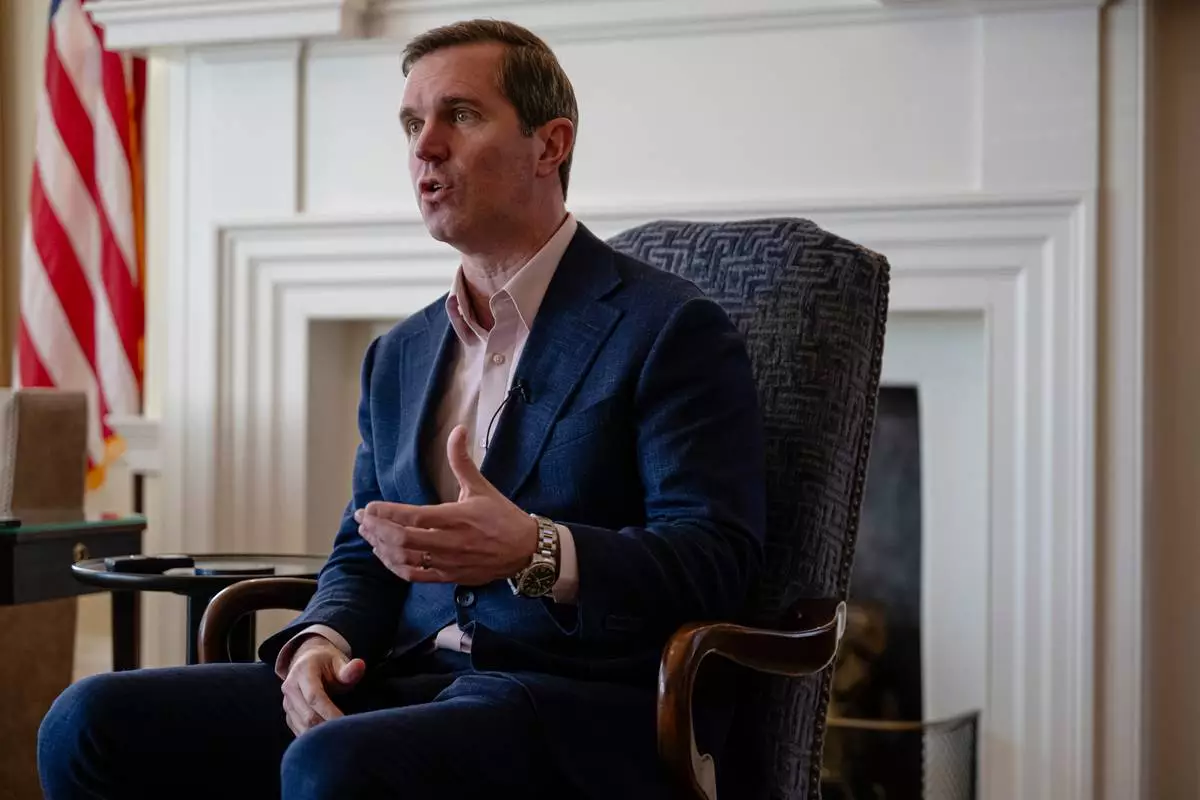
FILE - Kentucky Gov. Andy Beshear gives an interview, Jan. 12, 2026, in Frankfort, Ky. (AP Photo/Jon Cherry, File)
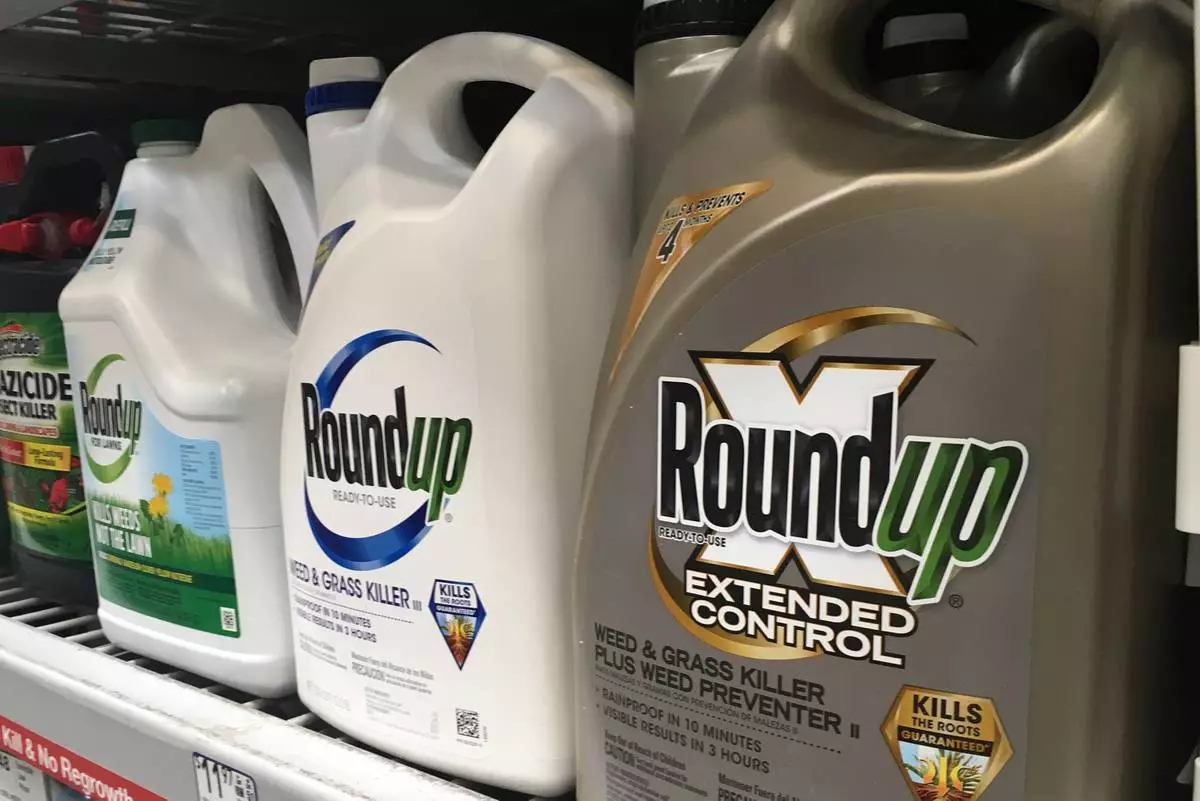
FILE - Containers of Roundup are displayed on a store shelf, Feb. 24, 2019, in San Francisco. (AP Photo/Haven Daley, File)

FILE - A woman walks in front of a logo of Bayer AG at the Financial News Conference, in Leverkusen, Germany, Feb. 27, 2020. (AP Photo/Martin Meissner, File)
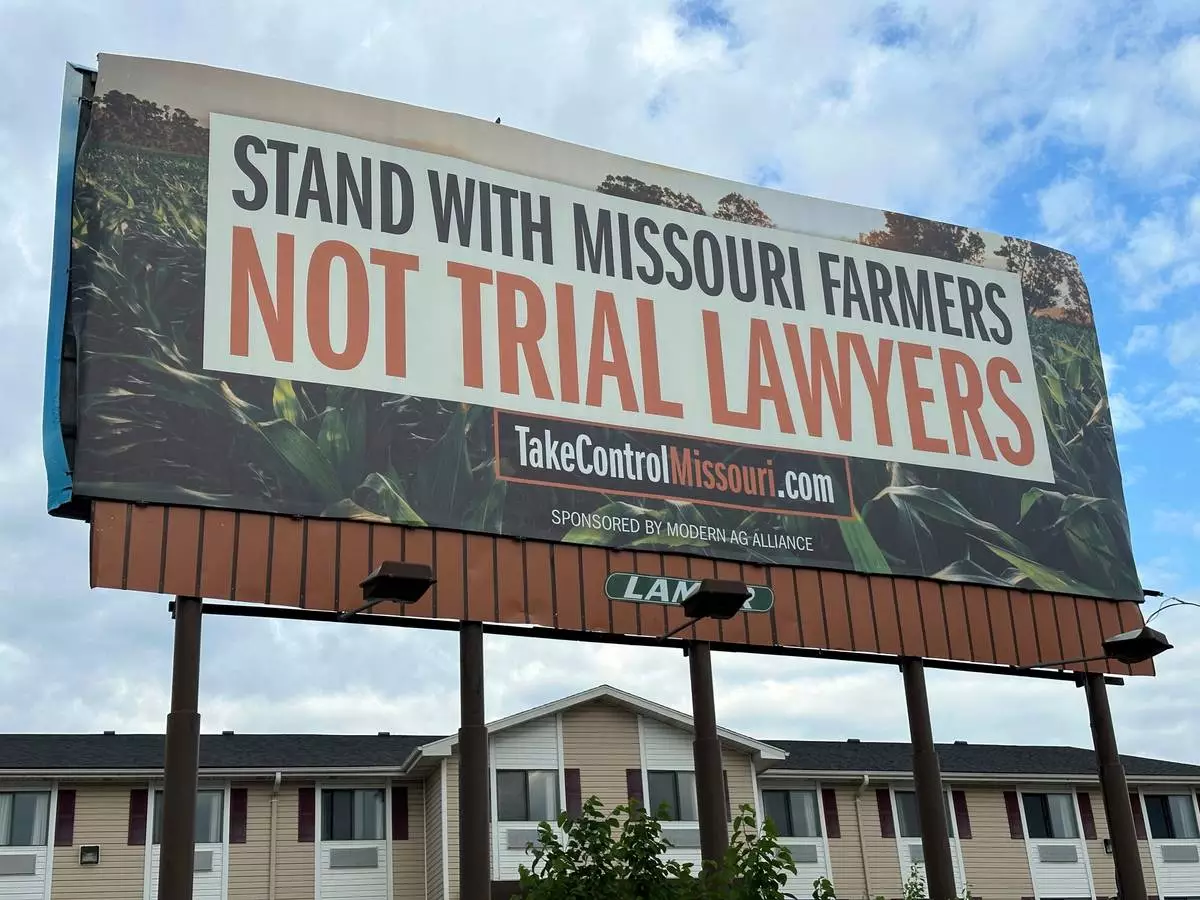
FILE - A billboard supporting legislation that would provide legal protection to manufacturers of pesticides is displayed, May 13, 2024, in Jefferson City, Mo. (AP Photo/David A. Lieb, File)
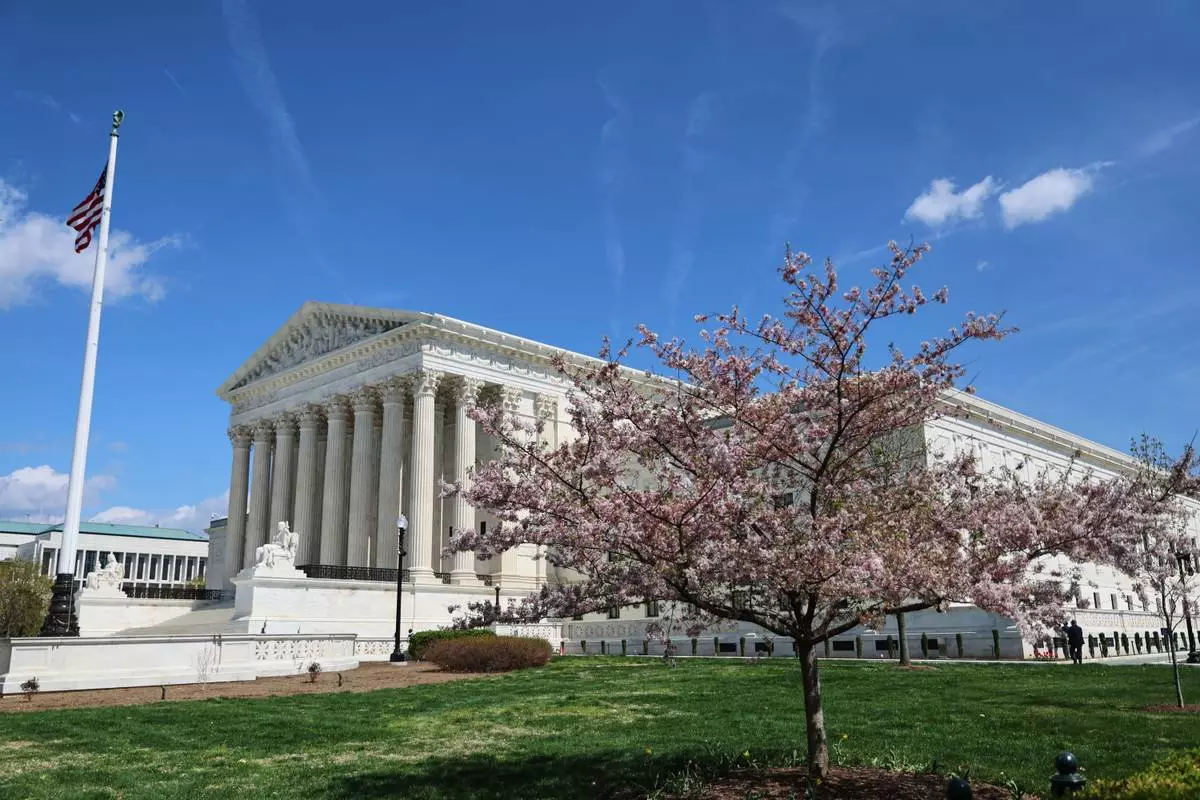
The U.S. Supreme Court is seen in Washington, Wednesday, April 1, 2026. (AP Photo/Tom Brenner)
DUBAI, United Arab Emirates (AP) — Iran fired more missiles at Israel and Gulf Arab states Thursday, demonstrating Tehran’s continued ability to strike its neighbors even as U.S. President Donald Trump claimed the threat from the country was nearly eliminated.
Iran’s attacks on Gulf states along with its chokehold on the Strait of Hormuz have disrupted the world’s energy supplies with effects far beyond the Middle East. That has proved to be Iran’s greatest strategic advantage in the war. Britain held a call with nearly three dozen countries about how to reopen the strait once the fighting is over.
Trump has insisted the strait can be taken by force — but said it is not up to the U.S. to do that. In an address to the American people Wednesday night, he encouraged countries that depend on oil from Hormuz to “build some delayed courage” and go “take it.”
Before the U.S. and Israel started the war on Feb. 28 with strikes on Iran, the waterway was open to traffic and 20% of all traded oil passed through it.
Iran responded defiantly to Trump’s speech, in which the American president claimed U.S. military action had been so decisive that “one of the most powerful countries” is “really no longer a threat.”
A spokesman for Iran’s military, Lt. Col. Ebrahim Zolfaghari, insisted Thursday that Tehran maintains hidden stockpiles of arms, munitions and production facilities. He said facilities targeted so far by U.S. strikes are “insignificant.”
Just before Trump began his address — in which he said U.S. “core strategic objectives are nearing completion” — explosions were heard in Dubai as air defenses worked to intercept an Iranian missile barrage.
Less than a half-hour after the president was done, Israel said its military was also working to intercept incoming missiles. Sirens sounded in Bahrain, home to the U.S. Navy’s 5th Fleet, immediately after the speech.
Attacks continued across Iran on Thursday, with strikes reported in multiple cities.
Trump posted footage on social media showing what he said was the collapse of Iran's biggest bridge and threatening, “Much more to follow.”
Earlier Thursday, Iran state media reported that the B1 bridge, which was still under construction, was attacked. Two semiofficial news agencies reported that two people were killed. It was not immediately clear if the footage Trump shared was the B1 bridge, reportedly the tallest in the Middle East.
In a post on X that included a picture of what appeared to be the same bridge, Iran’s Foreign Minister Abbas Araghchi wrote, “Striking civilian infrastructure only conveys the defeat and moral collapse of an enemy in disarray.”
Even amid the conflict, families went to a park in Tehran to play games and grill food to mark the last day of Iranian New Year, or Nowruz.
In Lebanon — where Israel has launched a ground invasion against Iran-backed Hezbollah militants — Israeli strikes have killed 27 people in the past 24 hours, the Health Ministry said.
More than 1,900 people have been killed in Iran during the war, while 19 have been reported dead in Israel. More than two dozen people have died in Gulf states and the occupied West Bank, while 13 U.S. service members have been killed.
More than 1,300 people have been killed and more than 1 million displaced in Lebanon. Ten Israeli soldiers have also died there.
Iranian attacks on about two dozen commercial ships, and the threat of more, have halted nearly all traffic in the waterway that connects the Persian Gulf to the open ocean.
Since March 1, traffic through the strait has dropped 94% over the same period last year, according to the Lloyds List Intelligence shipping data firm. Two ships are confirmed to have paid a fee, the firm said, while others were allowed through based on agreements with their home governments.
Saudi Arabia piped about 1 billion barrels of oil away from the Strait of Hormuz in March, according to maritime data firm Kpler, while Iraq said Thursday that it had started to truck oil across Syria to avoid the strait.
The 35 countries that spoke Thursday, including all G7 industrialized democracies except the U.S., as well as the United Arab Emirates and Bahrain, signed a declaration last month demanding Iran stop blocking the strait.
Thursday’s talks were focused on political and diplomatic measures, but British Foreign Secretary Yvette Cooper said military planners from an unspecified number of countries will also plot ways to ensure security once fighting ends, including potential mine-clearing work and “reassurance” for commercial shipping.
No country appears willing to try to open the strait by force while the war is raging. French President Emmanuel Macron, while on a visit to South Korea, called a military operation to secure the waterway “unrealistic.”
But there is a concern that Iran might limit traffic through the waterway even after U.S. and Israeli attacks cease.
The conflict is driving up prices for oil and natural gas, roiling stock markets, pushing up the cost of gasoline and threatening to make a range of goods, including food, more expensive.
On Thursday, Brent crude, the international standard, rose again and was around $108, up about 50% from Feb. 28.
Though the oil and gas that typically transits the strait is primarily sold to Asian nations, Japan and South Korea were the only two countries from the region joining Thursday's call about the strait. The supply of jet fuel has also been interrupted, with consequences for travel worldwide.
Rising from Bangkok and Corder reported from The Hague, Netherlands. Associated Press writers Will Weissert in Washington and David McHugh in Frankfurt, Germany, and Toqa Ezzidin in Cairo contributed to this story.
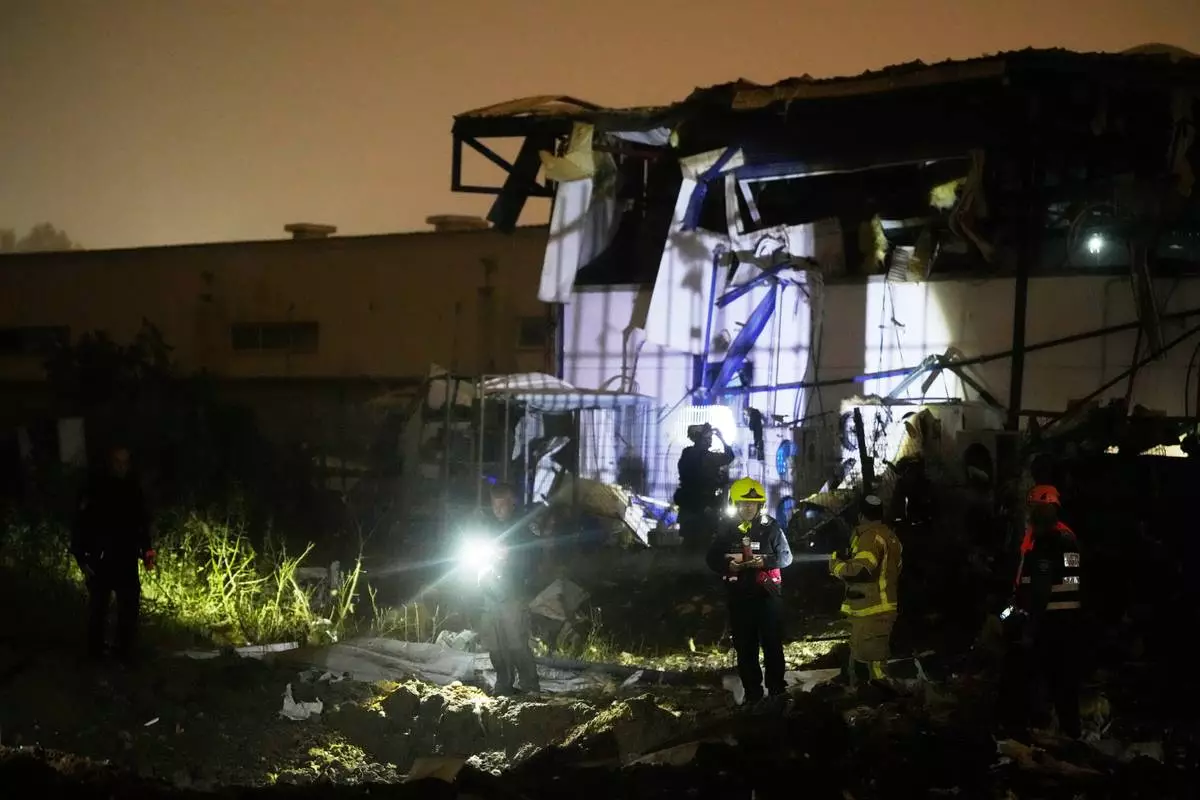
Israeli security forces and rescue teams inspect a site struck by an Iranian missile in Petah Tikva, Israel,Thursday, April 2, 2026. (AP Photo/Ohad Zwigenberg)
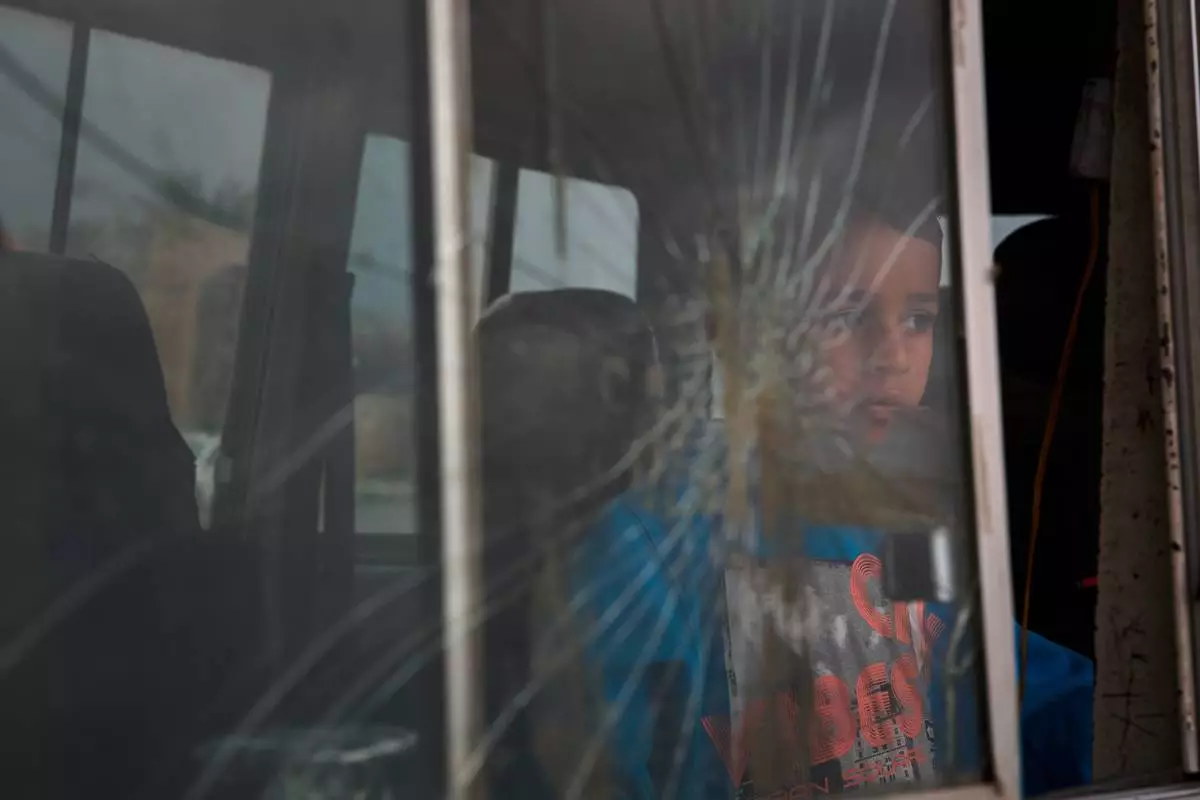
A boy who fled with his family following Israeli strikes in southern Lebanon sits inside the van they are using as shelter in Sidon, Lebanon, Thursday, April 2, 2026. (AP Photo/Emilio Morenatti)
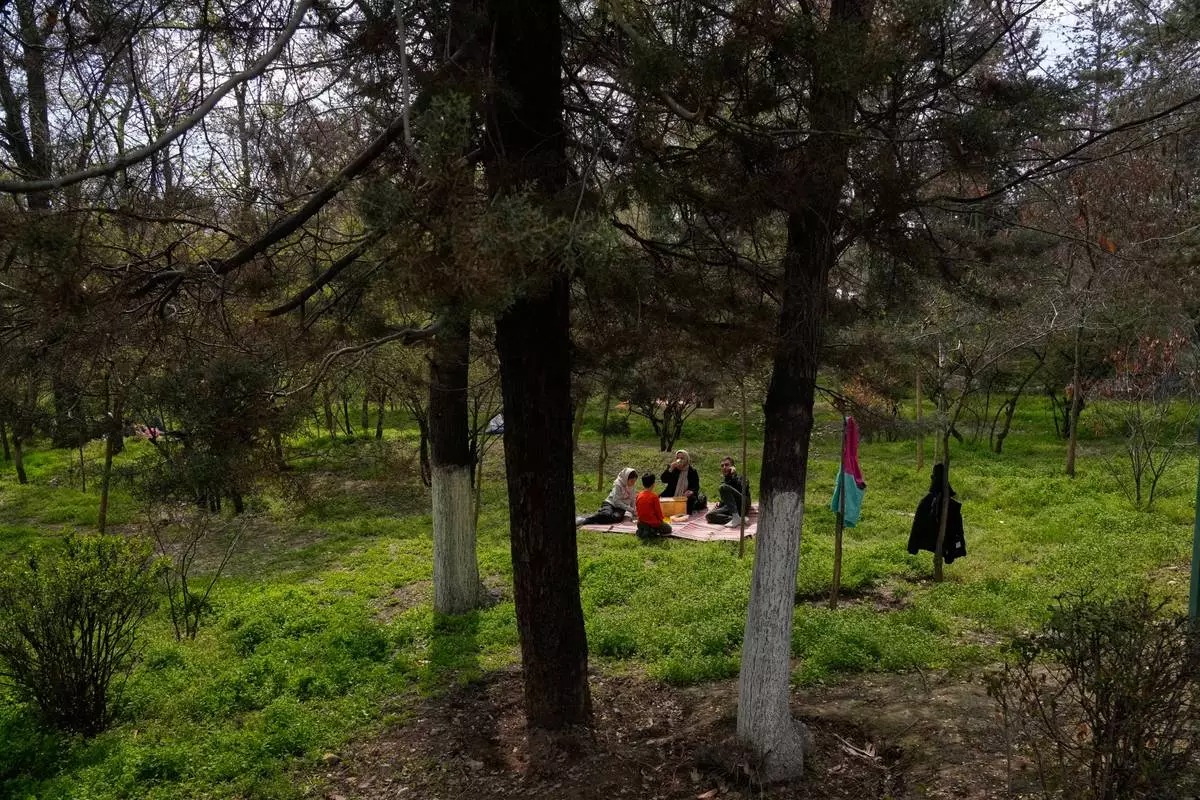
A family enjoys their time during the annual public picnic day, known as Sizdeh Bedar, an ancient tradition, marking the 13th and last day of Iranian New Year, or Nowruz, holidays, at Mellat park in Tehran, Iran, Thursday, April 2, 2026. (AP Photo/Vahid Salemi)
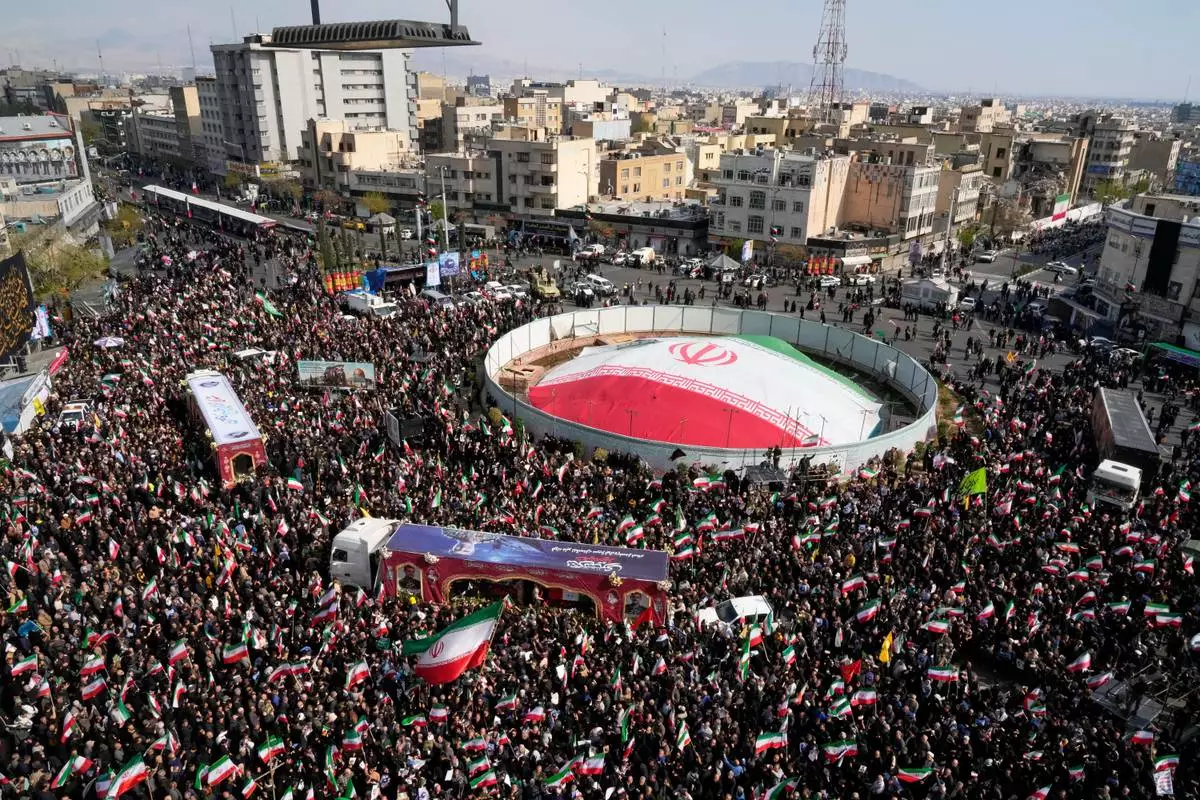
Mourners gather during a funeral procession for Alireza Tangsiri, head of Iran's Islamic Revolutionary Guard Corps Navy, and others killed in Israeli strikes in late March, in Tehran, Iran, Wednesday, April 1, 2026. (AP Photo/Vahid Salemi)
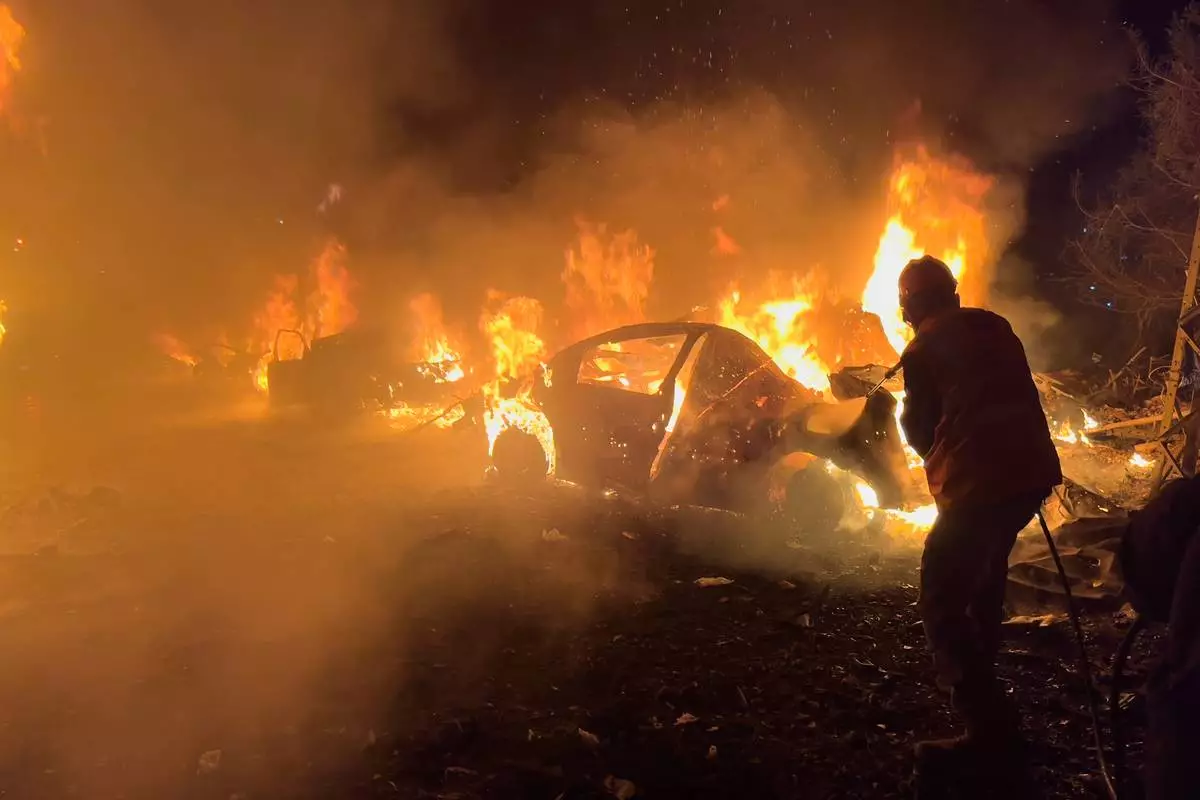
A firefighter extinguishes a car at the site of Israeli airstrikes, in Beirut, Lebanon, Wednesday, April 1, 2026. (AP Photo/Hussein Malla)
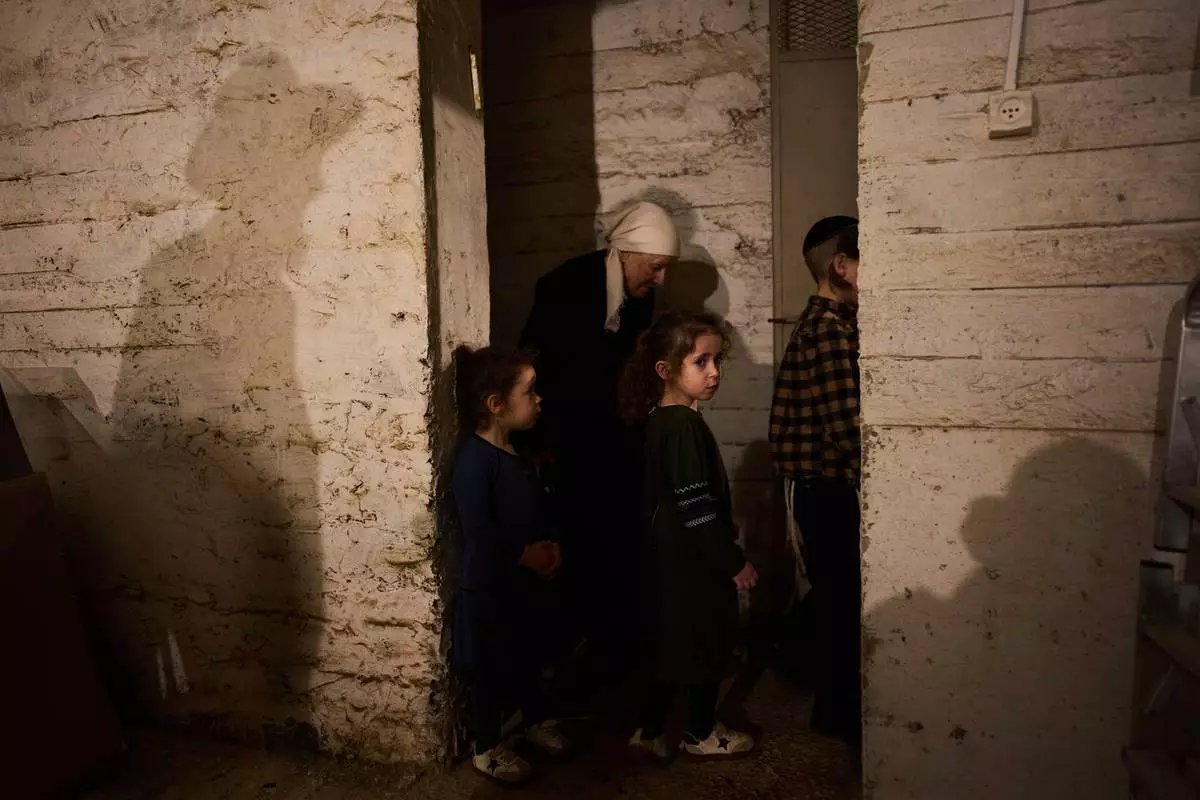
People take cover in a bomb shelter as air raid sirens warn of incoming Iranian missile strikes in Bnei Brak, Israel, Wednesday, April 1, 2026. (AP Photo/Oded Balilty)
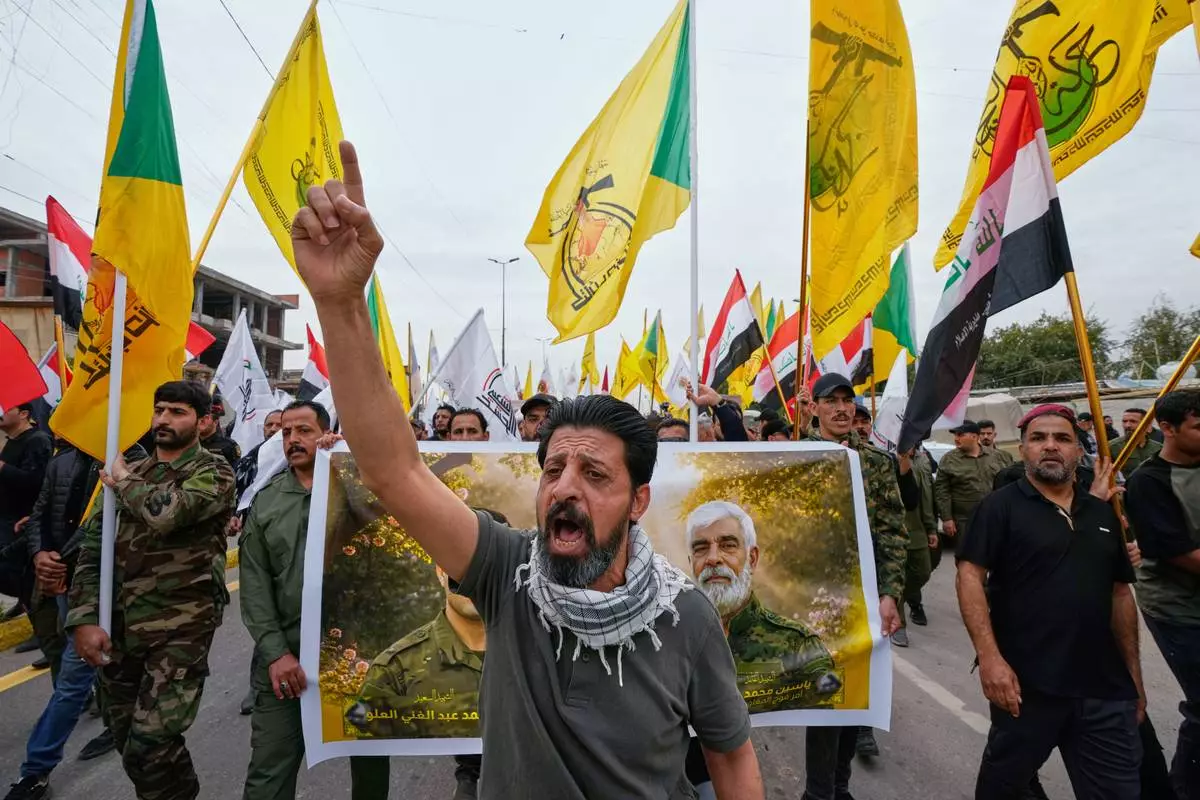
Members from the Popular Mobilization Forces attend a funeral of fighters who were killed in a U.S. airstrike, in Tal Afar, Nineveh province, north of Baghdad, Iraq, Thursday, April 2, 2026. (AP Photo/Hadi Mizban)
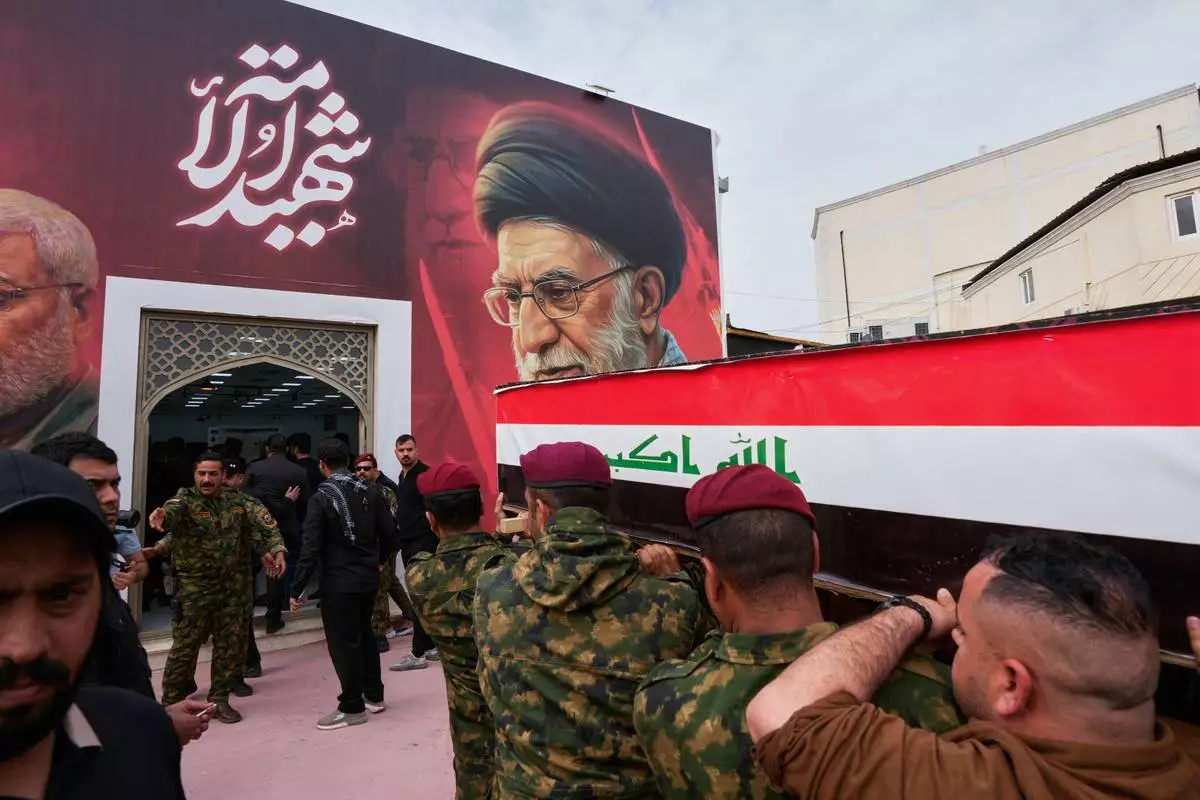
Members from the Popular Mobilization Forces attend a funeral of fighters who were killed in a U.S. airstrike, in Tal Afar, Nineveh province, north of Baghdad, Iraq, Thursday, April 2, 2026. (AP Photo/Hadi Mizban)
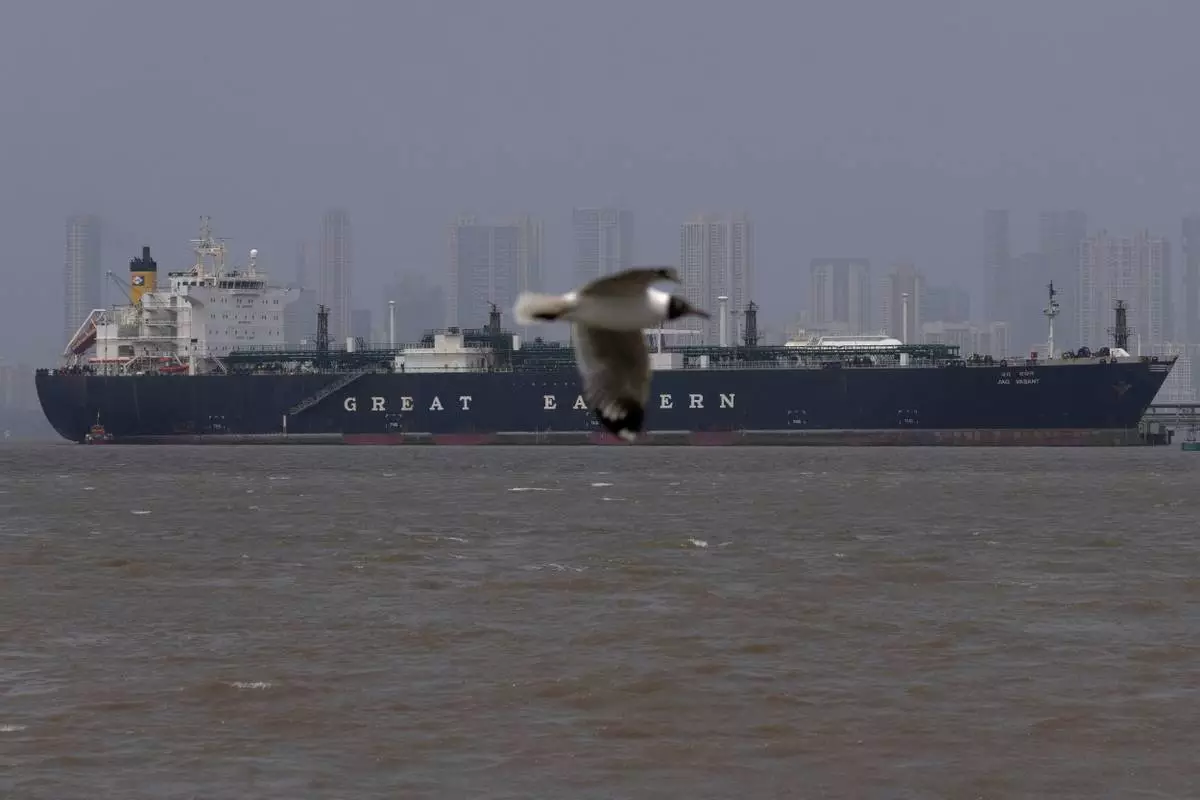
The Indian flagged LPG carrier Jag Vasant transporting liquefied petroleum gas, is seen at the Mumbai Port in Mumbai, India, after it arrived clearing the Strait of Hormuz, Wednesday, April 1, 2026. (AP Photo/Rafiq Maqbool)
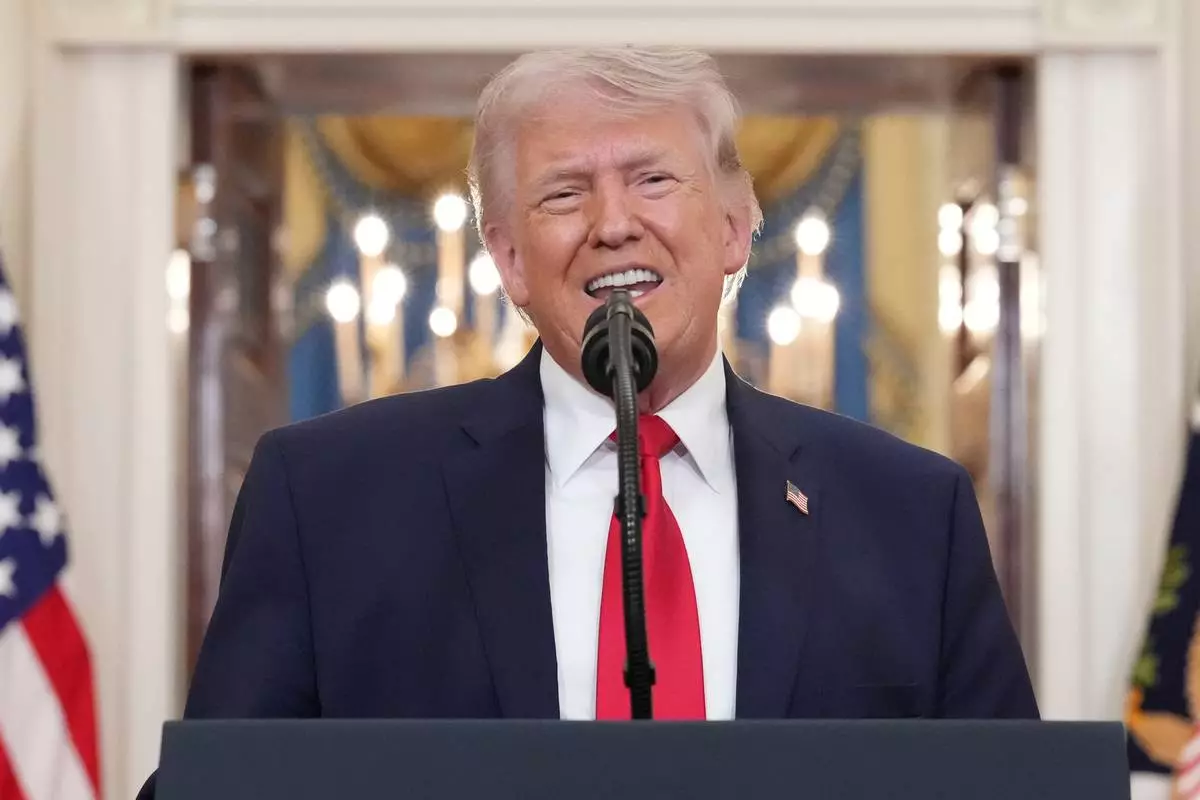
President Donald Trump speaks about the Iran war from the Cross Hall of the White House on Wednesday, April 1, 2026, in Washington. (AP Photo/Alex Brandon, Pool)
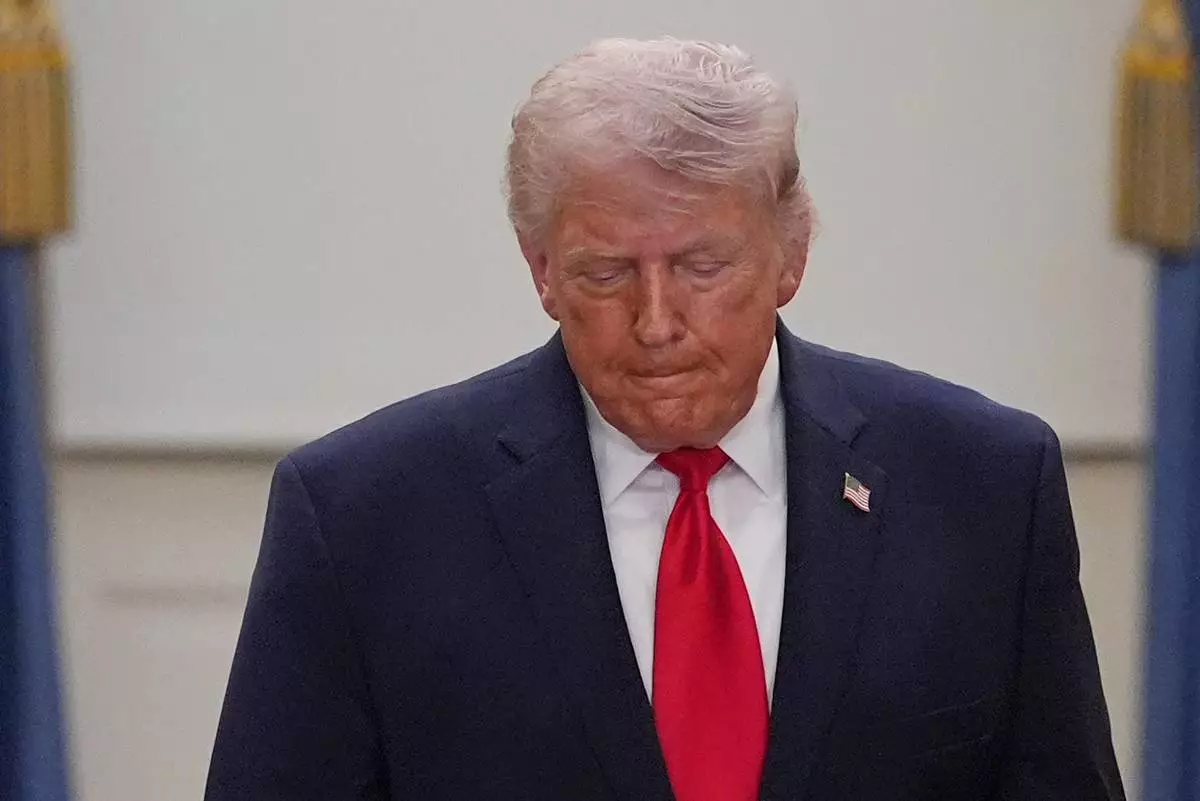
President Donald Trump walks from the Blue Room to speak about the Iran war from the Cross Hall of the White House on Wednesday, April 1, 2026, in Washington. (AP Photo/Alex Brandon, Pool)
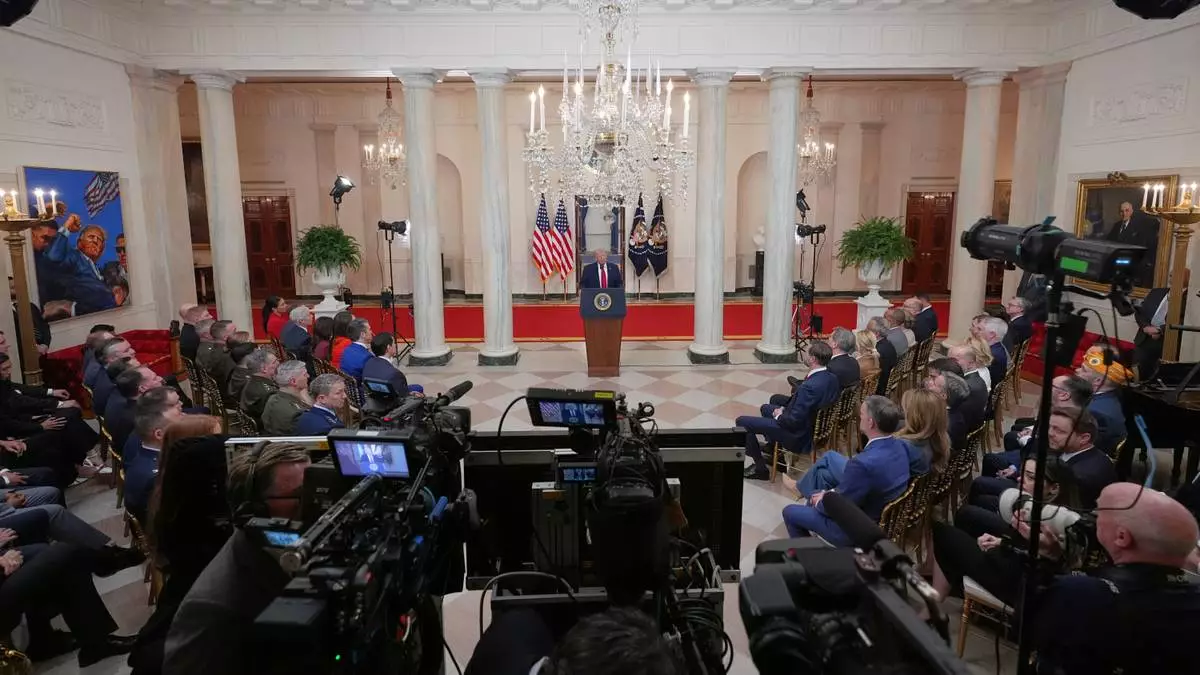
President Donald Trump speaks about the Iran war from the Cross Hall of the White House on Wednesday, April 1, 2026, in Washington. (AP Photo/Alex Brandon, Pool)
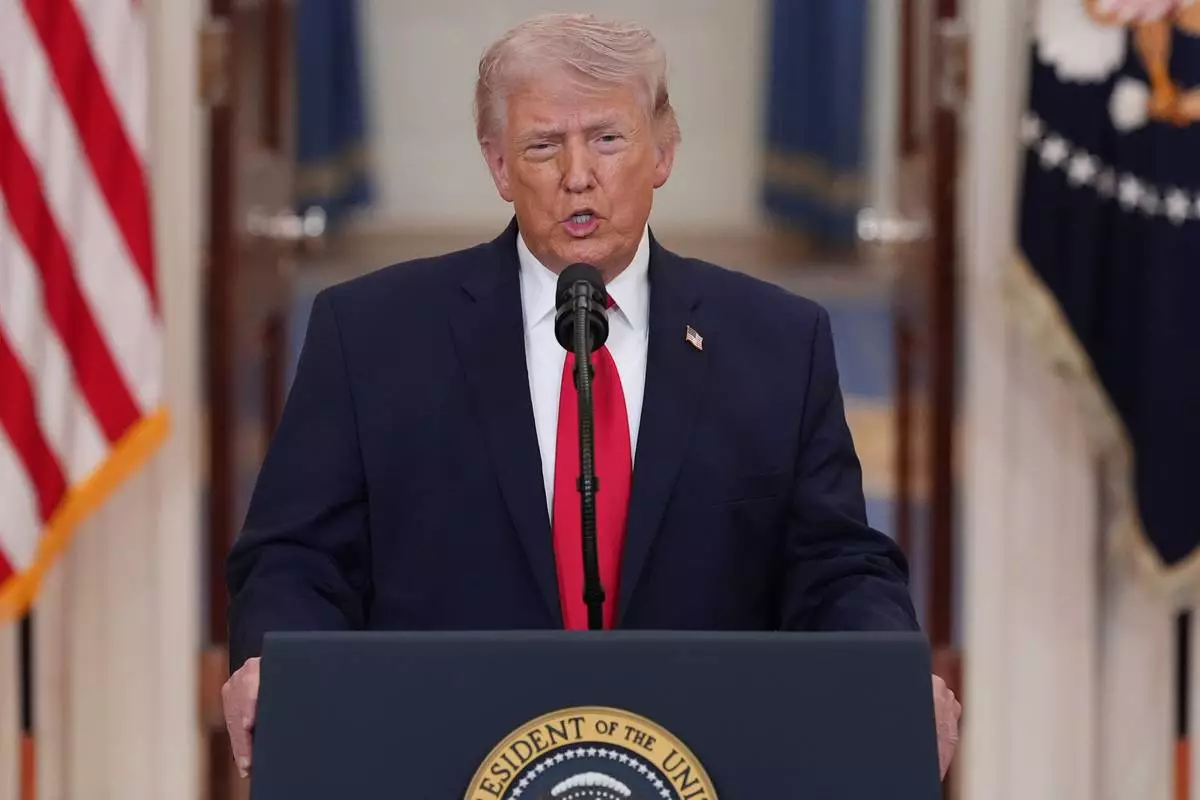
President Donald Trump speaks about the Iran war from the Cross Hall of the White House on Wednesday, April 1, 2026, in Washington. (AP Photo/Alex Brandon, Pool)