The death toll has climbed to 13 from US-Israeli strikes on a bridge in Iran's northern Alborz Province, a key link between the capital Tehran and its fourth largest city of Karaj, which was still under construction when it was destroyed on Thursday.
The B1 bridge was one of the tallest in the Middle East and among the most complicated projects in Iran. It was targeted in two missile waves on Thursday, official news agency IRNA said.
Residents in both Alborz and Tehran are shocked to see the attack on such an important civilian structure. Iranian officials said this bridge was not even operational, let alone being used for military purposes.
"This project was not military in any way. It was supposed to be operational in two months to ease traffic for 17 provinces in the northwest Iran. It was for the people's welfare, and yet it was bombed," said Houshang Bazvand, Iranian Deputy Minister of Roads and Urban Development.
The attack also wounded 95 people. It happened on Nature Day, a traditional Iranian holiday marking the end of the Nowruz holidays, when many Iranians head outdoors. The timing made the tragedy even worse.
"Ten to 12 powerful bunker-busting bombs were used. A large number of ordinary people returning from Nature Day were martyred here, along with our colleagues," said Abolfazl Rahmani, managing director of Karaj Northern Freeway Construction Company.
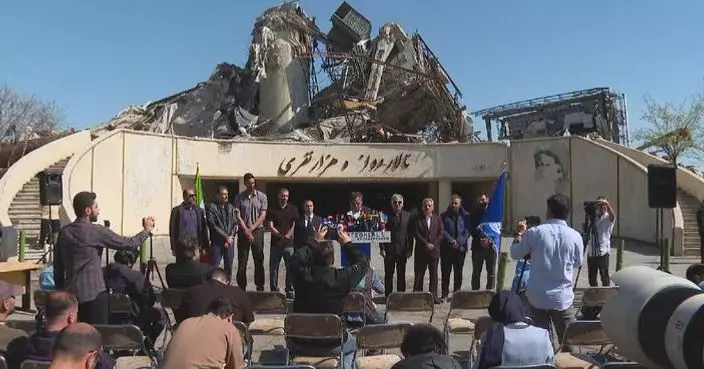
Civilian infrastructure across Iran has been targeted including schools, universities, monuments and now bridges as U.S. President Donald Trump warned that power plants could be next.
On February 28, Israel and the United States launched joint attacks on Tehran and several other Iranian cities, killing Iran's then Supreme Leader Ali Khamenei, along with senior military commanders and civilians. Iran responded with waves of missile and drone strikes targeting Israel and US assets in the Middle East.
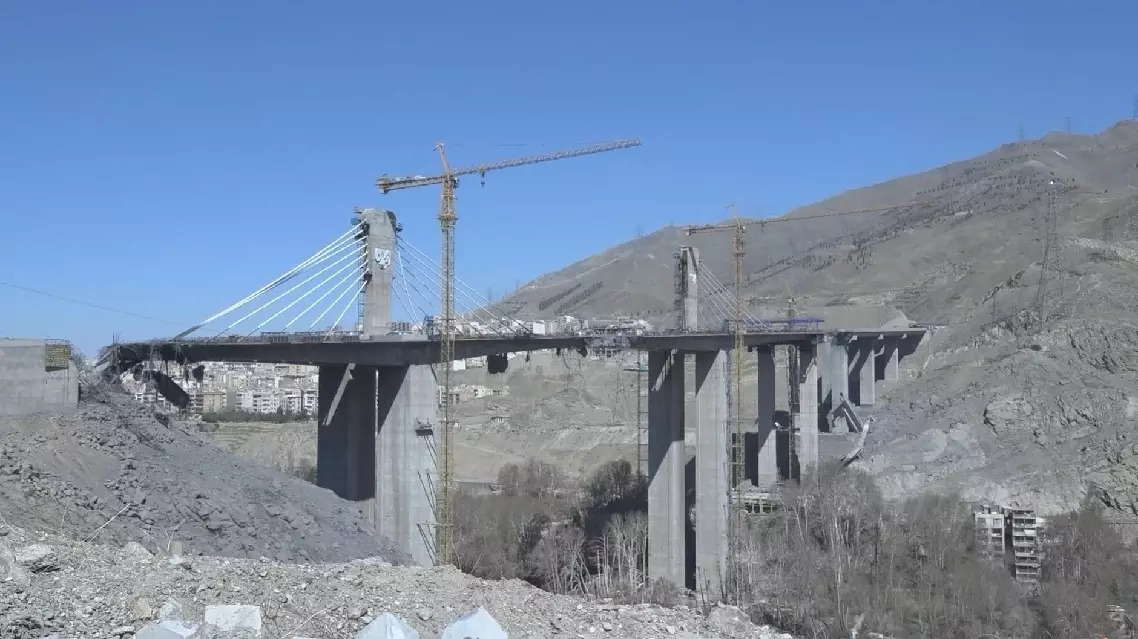
Death toll rises to 13 from US-Israeli attacks on north Iran's bridge