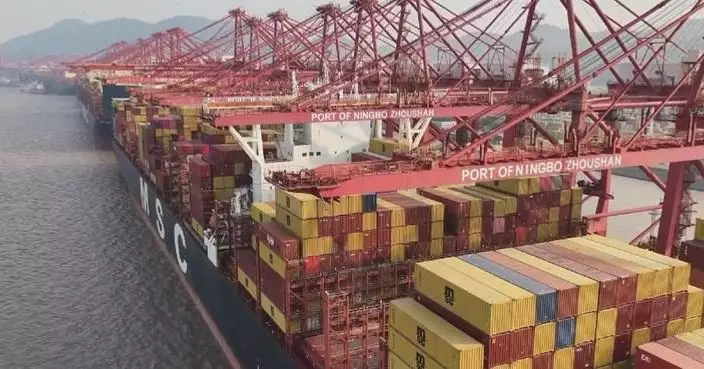
China's commodity price index stood at 129.9 points in March, up 4 percent month on month and 14.5 percent year on year, according to data released by the China Federation of Logistics and Purchasing (CFLP) on Sunday.
Among the 50 major commodities under key monitoring by the CFLP, 38 recorded a month-on-month price increase in March.
Specifically, diesel, methanol and ethylene glycol led the gains, rising 30.5 percent, 30.4 percent and 29.3 percent, respectively, from the previous month.
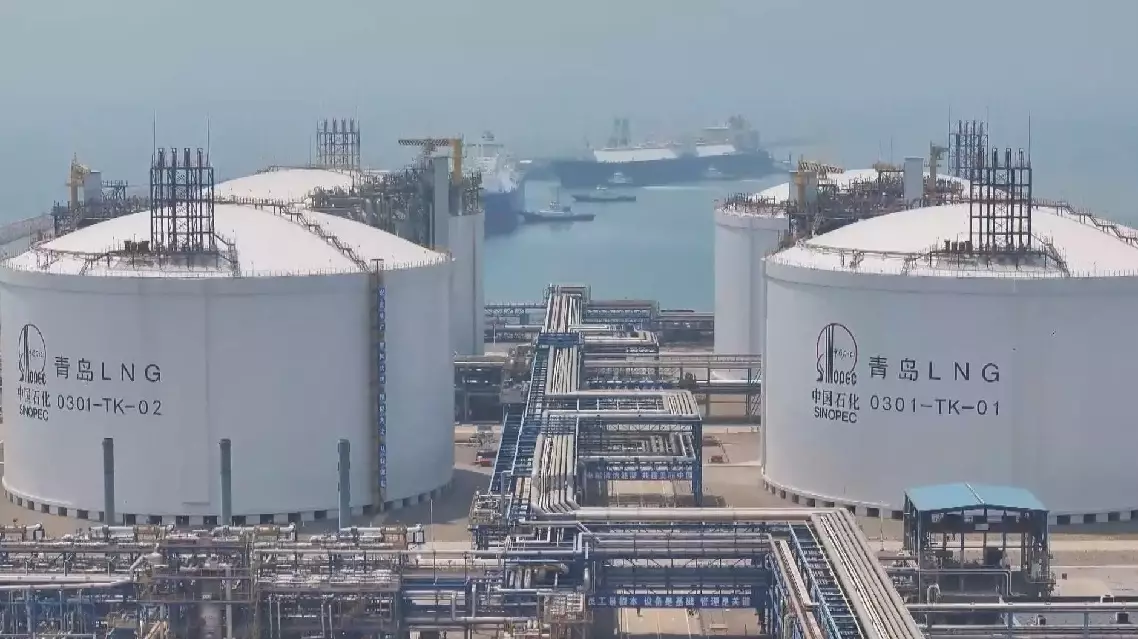
Affected by imported factors such as tensions in the Middle East and a sharp rise in international crude oil prices, China's energy and chemical price indices rose significantly, up 16.5 percent and 21.8 percent month on month, respectively.
Driven by rising international fertilizer prices and growing demand for biofuels, China's agricultural product price index increased by 2.8 percent month on month.
Analysts noted that the sharp rise in the commodity price index in March comes from factors such as the recovery of the domestic commodity market, the good outcomes of policies, and the ongoing tensions in the Middle East.
Given the increasingly volatile international commodity prices and the rising uncertainties in importing energy, chemicals and other commodities, it is necessary to diversify the sources of raw materials, expand the use of alternative resources, and enhance the ability to resist and respond to risky factors that may cause fluctuation in markets, said the analysts.
China's commodity price index up 4 pct in March
China's commodity price index up 4 pct in March
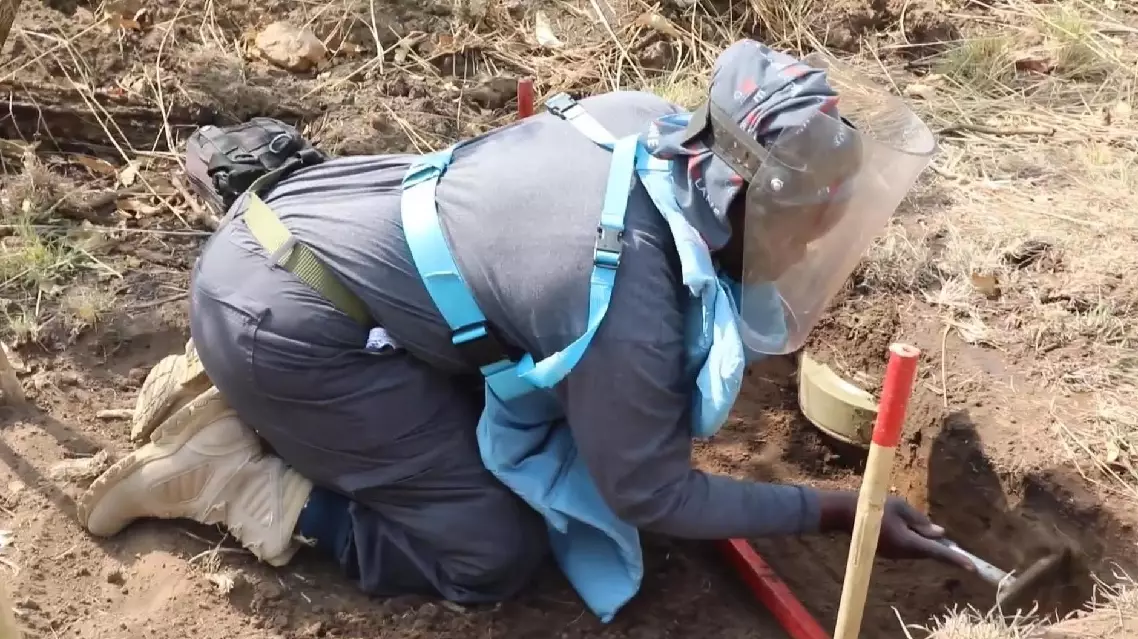
Years of war in South Sudan have left the East African country littered with landmines that may take more years to remove.
South Sudan had hoped to clear all anti-personnel minefields and cluster munitions in the country by this year.
However, the government says efforts are complicated by a lack of funding, continued insecurity and flooding in the country.
The United Nations says more than 5,000 South Sudanese have been killed or injured by landmines and unexploded ordnance since South Sudan's independence 15 years ago.
"In our country mine action is not only for clearing land but also for protecting civilians, supporting peacekeeping mobility, enabling humanitarian operations and creating safe conditions for returns, recovery and socio-economic growth," said Jurkuch Barach Jurkuch, chairperson of the South Sudan National Mine Action Authority.
South Sudan has fertile land that could be crucial to achieving the government's goal of national food self-sufficiency.
However, for far too long, landmines and other unexploded munitions have severely hindered farming activities.
"We are implementing critical interventions including survey, clearance, [safe destruction of explosive ordnance] and explosive ordnance risk education," said Albino Akol Atak, South Sudan's Minister of Humanitarian Affairs.
The government says the risk education initiatives equip farmers and community members with the knowledge and skills to identify potential threats and adopt safe practices.
The United Nations Mine Action Service in South Sudan says it has now destroyed more than one million explosive devices and 4.2 million bullets.
Families torn apart by landmines can be found all over South Sudan. The UN says the threat from the remnants of the country's long civil war is still huge.
"People living in these areas, even there is no accident, nothing happens, it doesn't mean that the hazard is out, so anything they see, anything they get, they still need to report it through the normal reporting system, informing the government," said Clement Aswali, a United Nations Mine Action Operations specialist.
South Sudan's government says most of the country's landmines are left over from the 21-year war between the then northern and Southern Sudanese people which ended in 2005. However, another war between 2013 and 2018 also left behind dangerous explosives.
South Sudan struggles to clear mines left by civil war