Indian households and businesses are facing mounting pressure amid a deepening energy crisis as the Middle East conflict has disrupted oil supplies to the world's third-largest crude importer.
While the escalating regional war has plunged global oil supplies into uncertainty, India has been diversifying its sources for imported oil as it looks to maintain the significant domestic demand necessitated by its huge population.
Last month, the country's imports of Russian crude jumped dramatically following a 30-day waiver of sanctions announced by the United States, which expired on April 4.
And, in spite of the U.S.-Israeli war on Iran, India is again buying oil and gas from Iran after a break of seven years, a move which comes following a separate temporary sanction waiver by the U.S.
The Indian government has also said that refiners across the nation are postponing scheduled maintenance shutdowns at many facilities to ensure adequate fuel supplies for the home market.
However, with India also ranking as the world's second-largest importer of liquefied petroleum gas (LPG), the impact of the supply chain disruptions brought by the Middle East crisis is growing.
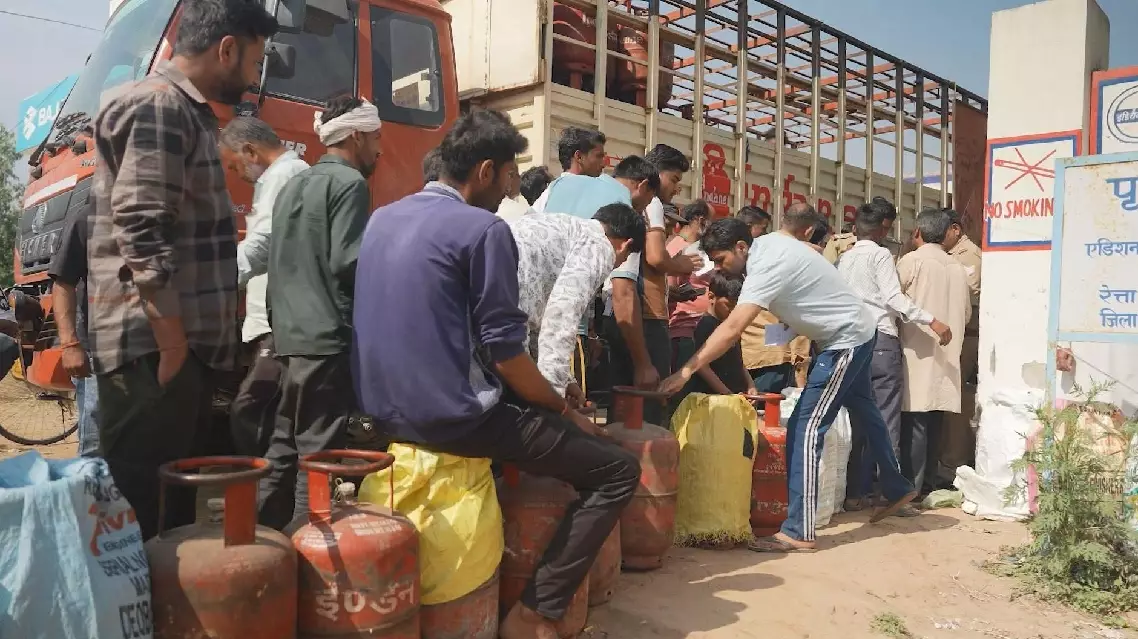
To ensure cooking gas for households, the government has cut supplies to industries, but in many parts of the country, consumers are struggling to secure cylinders.
Long queues have become a common sight outside cooking gas distribution centers across the country. "I have to travel five times from another town to get my cylinder. We certainly get assurance, but we never get a cylinder. In this area, people are using firewood or cow dung cakes to cook. Many who don't have cow dung cakes have to buy them," said Mohammed Arshad, a Delhi resident.
"Women will end up working more as we have this additional responsibility to find firewood to make food for our children," said Sarmishtha, another Delhi resident.
The Middle East conflict has also disrupted the supply of petrochemical-based raw materials, driving up input costs for many small and medium-sized enterprises.
Manufacturers of PET bottles, a type of disposable plastic widely used for packaging beverages and pharmaceuticals, are now purchasing raw materials at nearly double their previous cost, forcing many to scale back production.
"Even though we get the materials, then how to sell it, because already pharmaceuticals are going to [do] re-costing, because suddenly there is too much impact and they are having no option, [but] only ask to their manufacturer's marketing people to increase the rate. Now due to this, business gets slowed down," said RP Singh, a businessman.
India's federal government said on Friday it had asked local governments to take action to curb panic buying, hoarding and black marketing of LPG and other petroleum products.
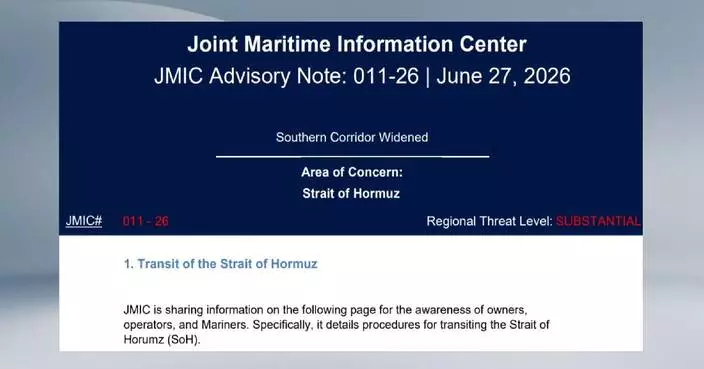
The tight supply of LPG in India comes amid the sharp reduction of sea traffic through the Strait of Hormuz, a narrow chokepoint and key oil shipping route between the Persian Gulf and the Gulf of Oman.
India grapples with deepening energy crisis as Middle East conflict disrupts oil supplies