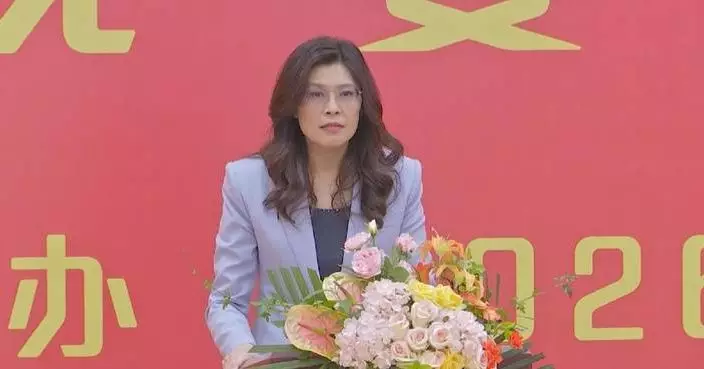
The United Nations Security Council's actions must not grant a license to the use of force, let alone further exacerbate tensions and add fuel to the fire, said Fu Cong, China's permanent representative to the United Nations, in his explanation of China's veto against the draft resolutionon on the Strait of Hormuz on Tuesday.
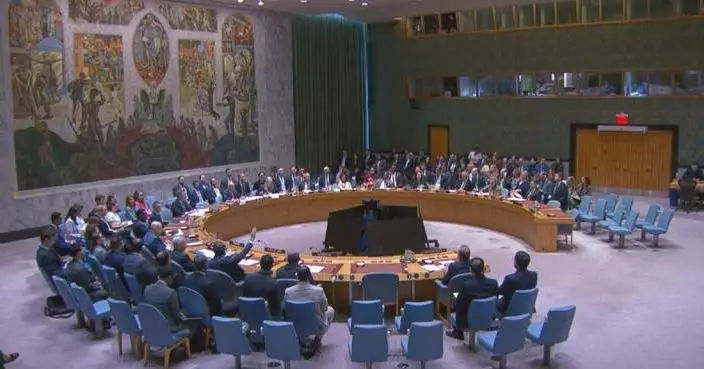
The UN Security Council failed to adopt a draft resolution that "strongly encourages" states interested in the use of commercial maritime routes in the Strait of Hormuz to coordinate efforts of a defensive nature to contribute to ensuring the safety and security of navigation across the Strait of Hormuz, including through the escort of merchant and commercial vessels.
Eleven members of the Security Council voted in favor of the draft resolution, China and Russia voted against it, while Colombia and Pakistan abstained.
The draft resolution was proposed by Bahrain in coordination with fellow Gulf Cooperation Council members Kuwait, Oman, Qatar, Saudi Arabia and the United Arab Emirates, as well as with Jordan.
In his explanation, Fu said the draft resolution failed to capture the root causes and the full picture of the war in a comprehensive and balanced manner.
"Under the current circumstances, this draft resolution should clearly identify the root causes of this war, seek appropriate solutions to address the root causes and ensure the safety and security of navigation, and strive to promote dialogue and achieve peace. It is regrettable, however, that the draft resolution fails to capture the root causes and full picture of the conflict in a comprehensive and balanced manner. It contains one-sided condemnation and pressure, the characterization of the situation as threat to international peace and security, as well as the use of armed escorts. Such language is highly susceptible to misinterpretation or even abuse," Fu noted.
He urged the United States and Israel to immediately halt their "illegal military actions," while emphasizing that the UN Security Council's actions must not grant a license to the use of force.
"At a time when the United States is openly threatening the very survival of a civilization, when the current hostilities imposed on Iran are very likely to further escalate, the draft resolution, should it have been adopted, would send an extremely wrong message and have very serious consequences. The Security Council has lessons to learn from issues such as the Libya issue and the Red Sea issue. Such past mistakes must not be repeated. The Security Council's actions should be aimed at deescalating the situation. They must not provide the legal veneer for unauthorized military operations. The Council's actions must not grant a license to the use of force, let alone further exacerbate tensions and add fuel to the fire, thereby leading to an escalation of the conflict. The Security Council should not rush to vote on the draft resolution where serious concerns among members have been raised. In light of the above, China had no choice but to vote against the draft resolution," said Fu.
Fu also expressed the hope that peace and stability will be restored, and affirmed China's commitment to addressing the situation properly by tackling its root causes.
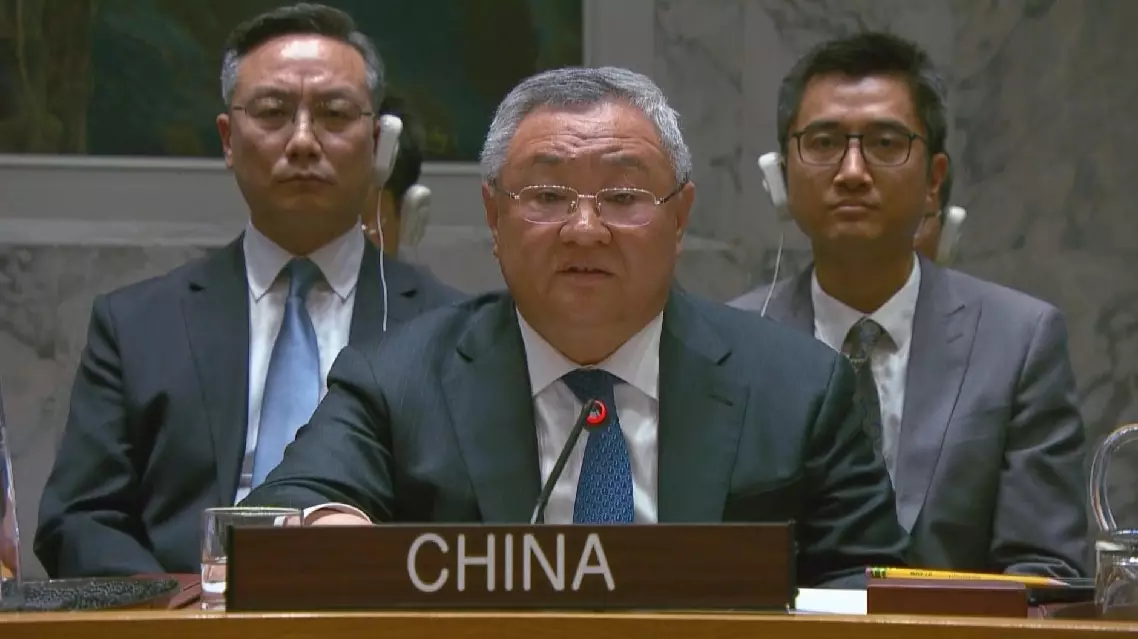
UN Security Council's actions must not grant license to use of force: Chinese envoy