UN Secretary-General Antonio Guterres welcomes the two-week ceasefire announced by the United States and Iran, a UN spokesperson said at a daily press briefing on Wednesday.
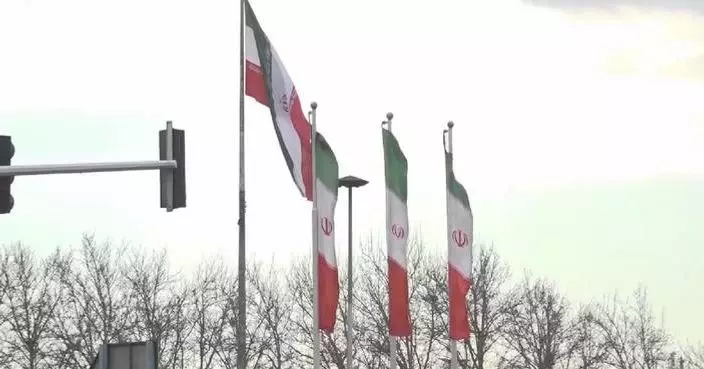
After some 40 days of deadly clashes, the United States and Iran on Wednesday agreed to a two-week ceasefire, and committed to begin a new round of peace consultations in Islamabad, the capital of Pakistan, on Friday.
"The secretary-general welcomed the announcement of a two-week ceasefire by the United States and Iran. He calls on all the parties to the current conflict in the Middle East to comply with their obligations under international law and to abide by the terms of the ceasefire in order to pave the way toward a lasting and comprehensive peace in the region," said Farhan Haq, deputy spokesperson for the UN chief.
Haq also announced that Jean Arnault, secretary-general's personal envoy for the Middle East Conflict and its consequences, has arrived in Iran to support efforts aimed at ending the conflict.
"During his visit, Mr. Arnault will engage with Iranian interlocutors to hear their perspective on the way forward and will reiterate the secretary-general's commitment to making every effort to support a peaceful settlement," he said.
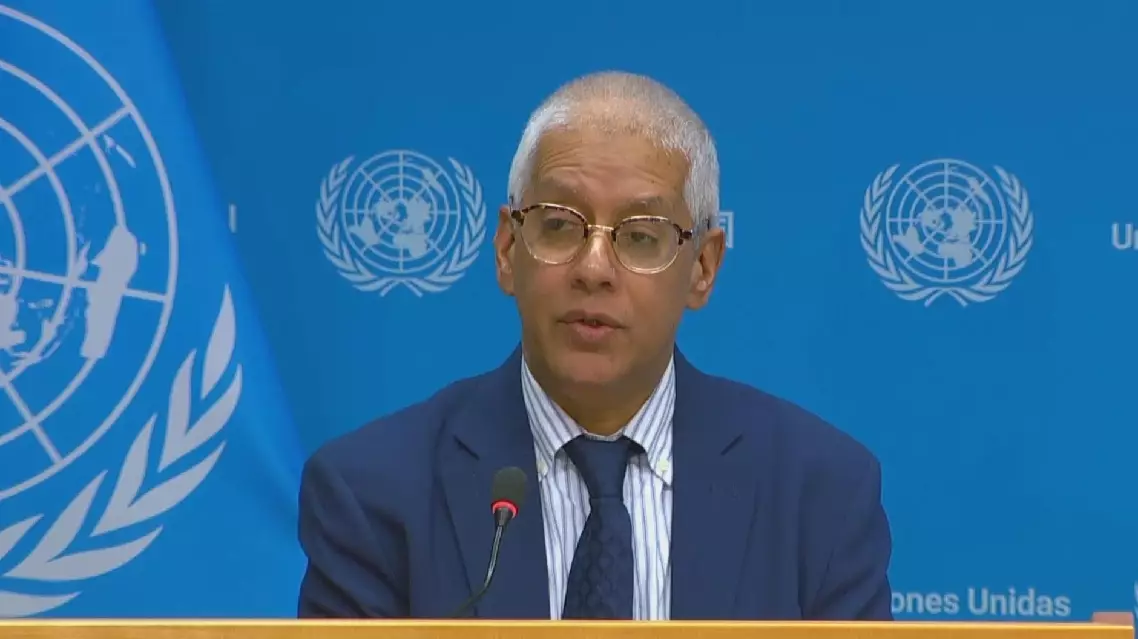
UN chief hails US-Iran two-week ceasefire: spokesperson
Violence targeting humanitarian workers has seen a sharp surge over the past three years, causing the death of over 1,000 humanitarian workers in the past three years, according to reports delivered by United Nations officials at a Security Council meeting on Wednesday.
UN Emergency Relief Coordinator Tom Fletcher told the Security Council that over 1,010 humanitarian workers were killed in that span, compared with 377 in the preceding three years, nearly triple the earlier toll.
Officials said the surge reflects intensifying conflicts and a growing disregard for humanitarian law, with aid staff increasingly targeted in war zones and perpetrators rarely held accountable.
Gilles Michaud, the UN's security chief, urged member states to establish strict accountability mechanisms that enable thorough investigation and prosecution against perpetrators.
Sun Lei, China’s deputy permanent representative to the UN, told the Council that the international community must unite to shield humanitarian workers and UN personnel from escalating conflicts. He urged concrete measures to build a "security shield" for aid staff on the front lines, stressing that global solidarity is essential in the face of mounting risks.
Sun outlined China's four priorities, namely, eliminating violence to secure safety; upholding international law to safeguard humanitarian operations; ending political smears and respecting the UN’s mandate; and strengthening global support to improve protection systems.
He noted that the proposals were aimed at reversing the surge in violence against humanitarian workers, and collective action on law, security, and support is essential to prevent further loss of life.
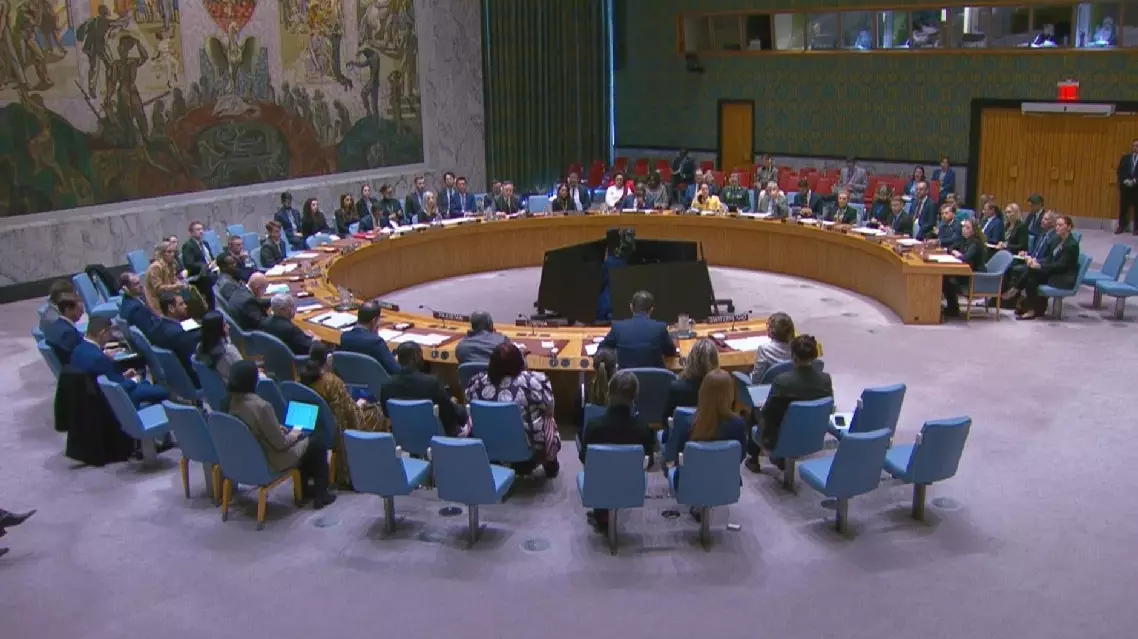
UN officials warn sharp surge in violence targeting humanitarian workers