High oil prices triggered by conflicts in the Middle East are boosting the popularity of Chinese electric vehicles in the United Arab Emirates (UAE), where consumers in Dubai are increasingly turning away from traditional fuel-powered cars.
Oil prices surged after U.S. and Israeli strikes against Iran in late February, compounded by the effective closure of the Strait of Hormuz, a key shipping lane that normally handles one-fifth of global crude. A two-week ceasefire announced this week has eased immediate market tensions, but analysts say prices are unlikely to return to pre-conflict levels soon given persistent supply risks and uncertainty surrounding the truce.
Despite being an oil-producing nation, the UAE links domestic fuel prices to international benchmarks, adjusting them monthly. April's revision reflected the global spike as diesel prices jumped more than 70 percent from March, while gasoline rose over 30 percent.
The steep increases have rippled through Dubai households and businesses, prompting many consumers to shift their attention to electric vehicles (EVs). Dealers report inquiries about Chinese EVs have risen more than 30 percent in the past month, highlighting how geopolitical shocks are accelerating demand for new energy cars in the Gulf.
"Due to the current situation that is taking place all over the UAE, the petrol is getting really very high and very expensive. The Chinese cars, their efficiency is very good. That's why today I've come to the showroom to get one Chinese car for myself," said a local resident.
"I choose these Chinese cars because of their technology and efficient systems. A lot of my friends own these cars, so it's really amazing," said another resident.
A car dealer in Dubai said there has been a noticeable increase in the number of customers inquiring about EVs over the past month, with Chinese models proving particularly popular.
"Due to the sharp rise in oil prices caused by the U.S.-Israel war on Iran, consumers who previously drove traditional high-displacement vehicles are now starting to consider Chinese new energy vehicles. Over the past month, the number of inquiries we've received about Chinese new energy vehicles has increased by more than 30 percent compared to usual," said Zhang Wanhuan from a local dealership.
Regarding future oil price trends, a UAE-based analyst said that even if the conflict were to end completely and the Strait of Hormuz were to reopen, international oil prices are not expected to return to pre-conflict levels in the short term due to factors such as damage to regional refining capacity and supply chain disruptions.
"A big portion of these refineries have been hit. If the war and the conflict ends this week, so in the next two to three days, and the Strait is opened, if you want refurbishment of these refineries to actually start, then we are looking maybe at around one to two months, approximately, to go back to normal production levels. Maybe for some refineries it will be a bit more because they have been hit hard. We're not going to see an instant sharp decline in prices," said George Khoury, head of research and education at CFI Financial Group, a brokerage company specializing in online investment and trading services.
Industry observers say the trend highlights both the vulnerability of fuel‑linked economies to external shocks and the opportunity for Chinese automakers to expand their footprint in Dubai and across the Middle East, where consumers are increasingly seeking alternatives to volatile fuel costs.
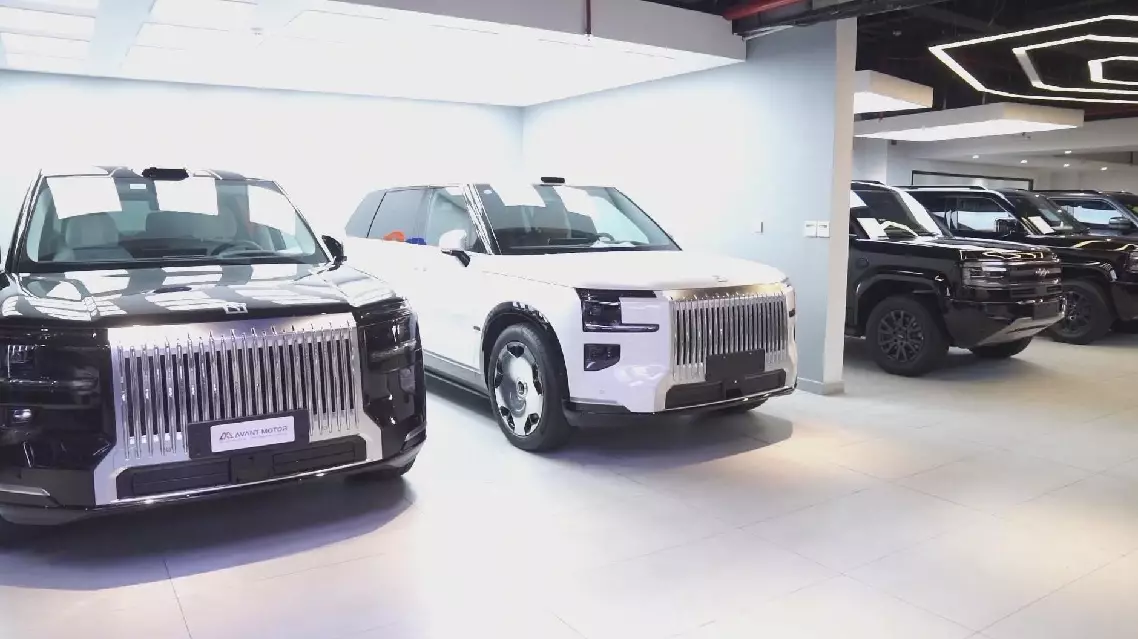
Chinese electric cars gain traction in Dubai as fuel prices climb