The first Russian Space Forum opened Thursday at the National Center RUSSIA in Moscow, focusing on the strategic development of the space industry. The event has attracted more than 2,000 representatives from 40 countries and regions.
The forum, themed "2030+ Space Agenda", showcases the achievements of space industries in Russia and other countries in recent years, exploring how these achievements can benefit society, and looks into the future prospects of the space industry and space exploration.
It is reported that the forum has set up topics such as "Near-Earth Space Economy", "Contemporary Technology", "Breakthrough Frontiers" and "International Cooperation". A total of 13 sub-forums and one plenary session were held on Thursday.
Space cooperation between China and Russia has also attracted much attention at the forum. The two countries are actively integrating relevant resources, and joint research has already yielded some results, according to an insider.
"We have completed some concrete and practical steps. For example, we have exchanged lunar soil samples, and research teams from both countries have conducted both independent analyses and joint studies, resulting in the publication of several significant joint papers. These findings have all been formally released," said Dmitry Zarubin, an engineering fellow at the Space Research Institute of the Russian Academy of Sciences.
The first Russian Space Forum is the central event of the nationwide Space Week, which is being held across Russia from April 6 to 12 to commemorate the 65th anniversary of the historic flight of Yuri Gagarin, the first human to travel into outer space.
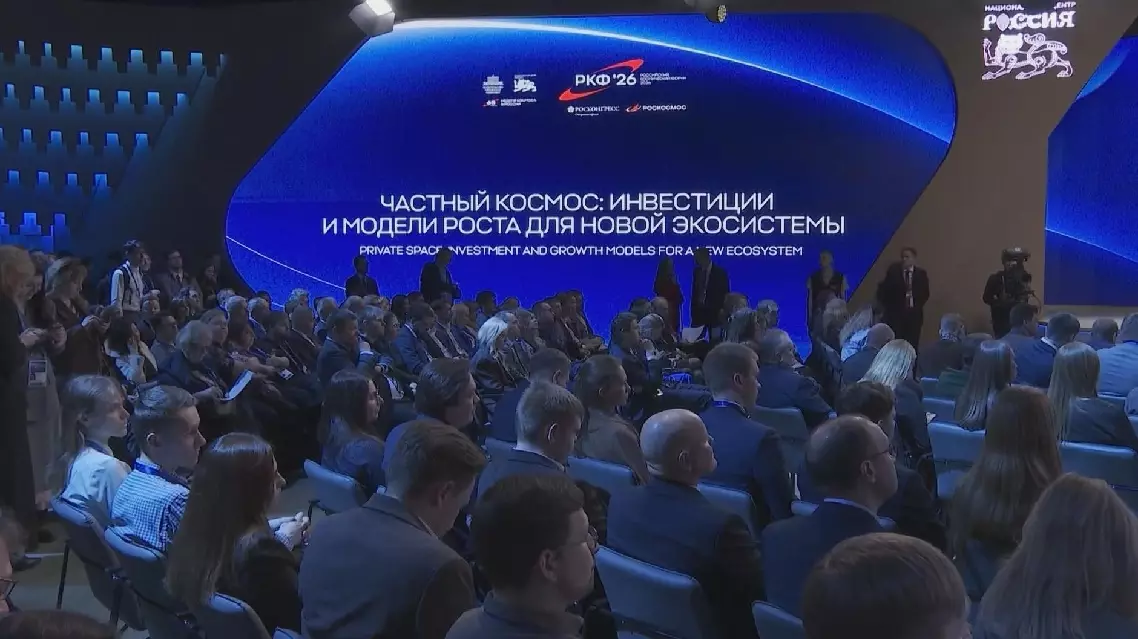
First Russian Space Forum opens in Moscow
The Spanish people have pinned high hopes on Prime Minister Pedro Sanchez's upcoming visit to China, hoping that the visit will result in stronger cooperation in trade, renewable energy and global governance as the two countries look to deepen ties amid a complex international landscape.
The visit, scheduled for April 11 to 15, is Sanchez's fourth visit to China in four years. It follows high-level exchanges between the two countries last year, including visits by the Spanish King and the prime minister. It is widely viewed as a key moment to consolidate bilateral relations and strengthen communication between China and Europe.
In Madrid, residents expressed hope for closer ties.
"I think strengthening cooperation in science, technology and trade is the most important thing for both Spain and China," said Manuel, a local resident.
"I hope more Chinese companies will do business in Spain. Many Chinese firms are strong and active in advanced sectors like renewable energy, where I work. This would bring more business opportunities," said another resident Patricia.
China is a key partner for Spain within the European Union. Under the strategic guidance of the leaders of both nations, bilateral relations have maintained a high level of development, with solid progress in various fields that has tangibly benefited the people of both countries.
Spanish international relations expert Juan Arguello noted that amid current global energy price volatility and rising geopolitical uncertainty, Spain is seeking more diverse and pragmatic foreign cooperation.
"This visit is of great importance, and the timing is critical, especially with international energy prices continuing to rise. Spain imports a large amount of technology products from China, including batteries. Sanchez is also looking to accelerate the energy transition and open up new markets by deepening ties with China," he said.

Spanish public expects PM's China visit to boost bilateral cooperation in multiple sectors