The traditional 'lei cha' drink of the Hakka people has survived centuries of changes and historical turmoil to remain a daily staple in Taiwan's Miaoli County thanks to its simple recipe and comforting taste, with the tea's enduring popularity reflecting the shared cultural roots and people-to-people ties across the Taiwan Strait.
From breakfast tables to community gatherings, the tea-based gruel is prepared by grinding tea leaves, sesame seeds, and peanuts into a fine powder before hot water is added, producing flavors that range from savory to sweet or spicy.
This simplicity made it an ideal choice for migrating ethnic groups across large periods of history, and today it continues to offer a familiar and hospitable taste of home that connects generations and reinforces cultural identity.
Local Miaoli resident Chan Jung-chin said the tradition dates back to periods of turmoil which unfolded in ancient China, spanning the late Western Jin Dynasty (265–316) to the early Northern and Southern Dynasties (420–589), when waves of migration made lei cha an essential food for Hakka communities on the move.
"During the period of northern ethnic groups migrating inward, Hakka people migrated to different parts of the world. Why did they carry lei cha with them? Because they were traveling with the elderly and children, and it could be easily ground and steamed into a rice paste or porridge to feed them," said Chan.
Chan added that lei cha is more than a simple means of sustenance, it embodies the resilience of the Hakka people, forged through generations of struggle and movement.
"My ancestral home is in Ganzhou, east China's Jiangxi Province. We have preserved the tradition of making lei cha because it is simple to make and affordable. More importantly, it represents the Hakka spirit, shown through the history of difficult migration. During those hard times, we carried lei cha with us to feed the elderly and children, relying on it to sustain their lives," he said.
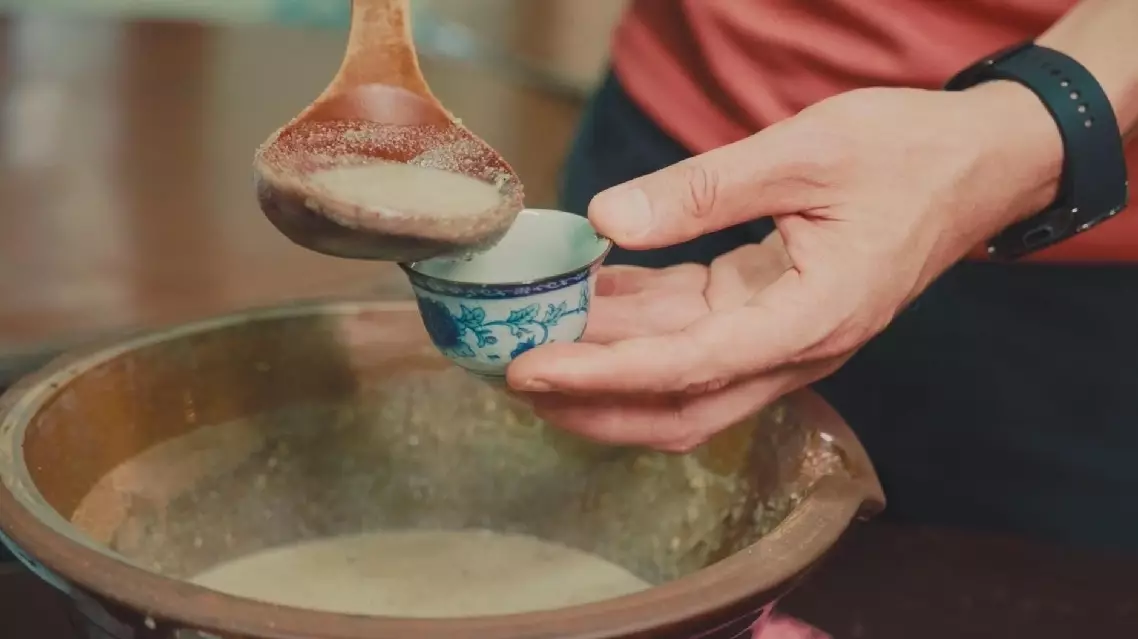
Traditional Hakka tea reflects heritage, connects communities across Taiwan Strait
A Japanese physician and clinic director has warned that escalating tensions in the Middle East are already causing shortages of critical medical consumable supplies in Japan, and that a prolonged conflict could lead to preventable deaths and a serious decline in medical care quality. According to the latest data released by Japan's Ministry of Economy, Trade and Industry (METI), more than 40 percent of the naphtha used in Japan relies on imports from the Middle East. Even domestically produced naphtha depends heavily on crude oil imported from the region. Naphtha, a product derived from crude oil, is a key raw material for dialysis supplies, medical gloves, syringes, and other medical goods.
"First, there have been shortages to varying degrees of syringes, needles, and rubber gloves. In addition, various testing consumables have also become generally difficult to procure. It can be said that panic buying-like situations have already emerged, and the prices of some supplies have even increased by about 50 percent," said Tomonari Watanabe, director of Shibuya Naika Clinic in Tokyo.
Ongoing tensions in the Middle East are also slowing the delivery of medical supplies. Japan has more than 100,000 primary care clinics, which play a vital supporting role in the country's overall medical system.
The doctor warned that if pressure on the production and delivery of medical supplies is not eased, it will seriously affect Japan's overall medical environment and quality of care.
"Items that used to arrive the day after placing an order may now take one to two weeks. Supplies that could previously be ordered without quantity limits are now rationed to just one or two sets per month, requiring distribution control. Some items are no longer available in pharmacies, such as antibiotics for example. If the war becomes protracted, it will inevitably affect logistics. Specifically, for petroleum-based products such as plastics, once their prices continue to rise, we could face an extreme situation where lives that could have been saved are not saved. Therefore, I am concerned that the medical care quality will decline," he said.
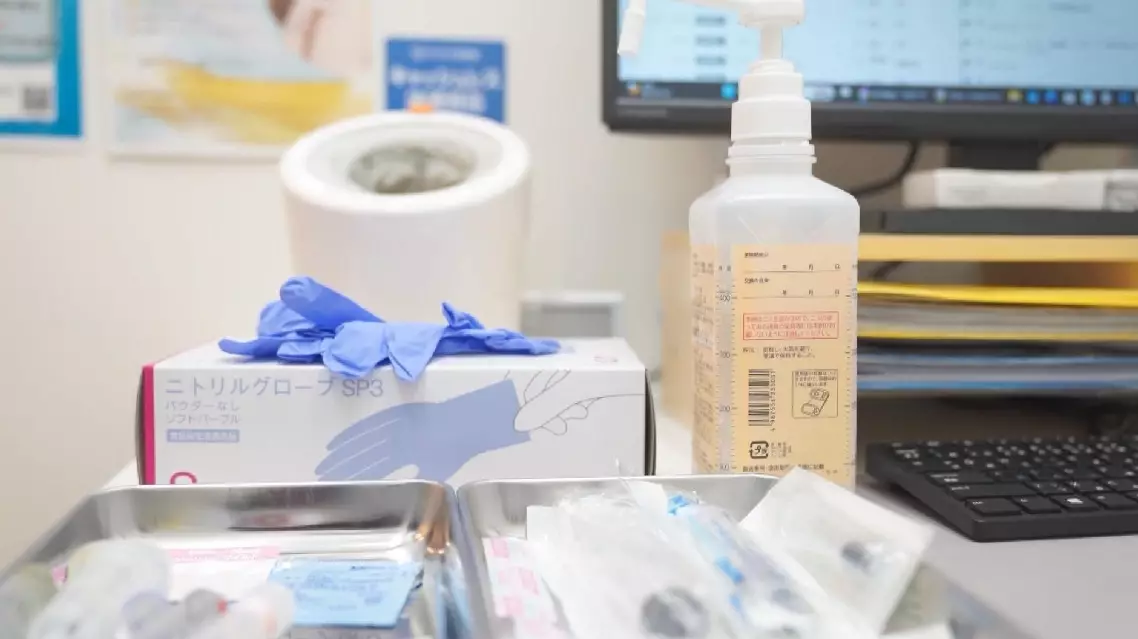
Middle East tensions disrupts Japan's medical consumable supplies