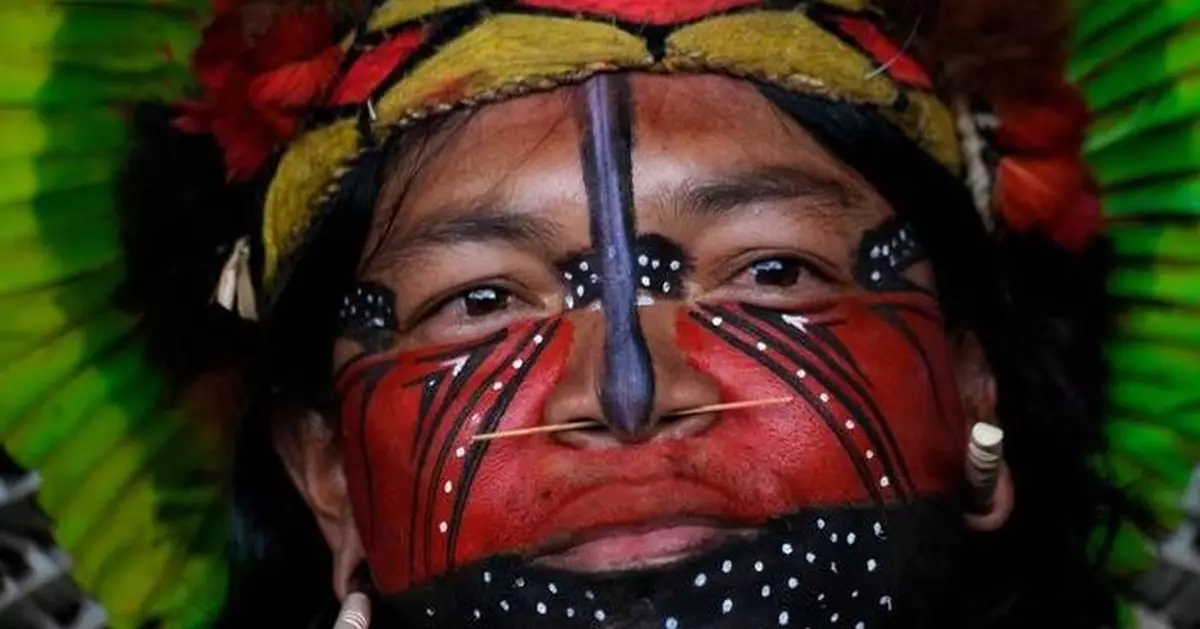
BRASILIA, Brazil (AP) — Indigenous people from across Brazil gathered in the capital for the annual Free Land Encampment rally to demand that the government honor longstanding promises, like the demarcation of Indigenous territories.
This is a photo gallery curated by AP photo editors.
Click to Gallery
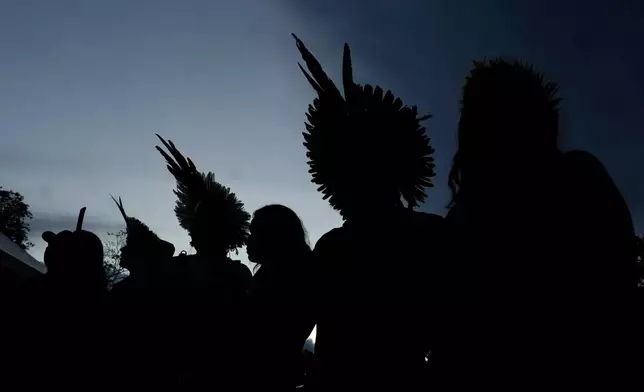
Kayapo people gather at the Acampamento Terra Livre, an Indigenous mobilization event focused on land rights and environmental protection, in Brasilia, Brazil, Sunday, April 5, 2026. (AP Photo/Eraldo Peres)
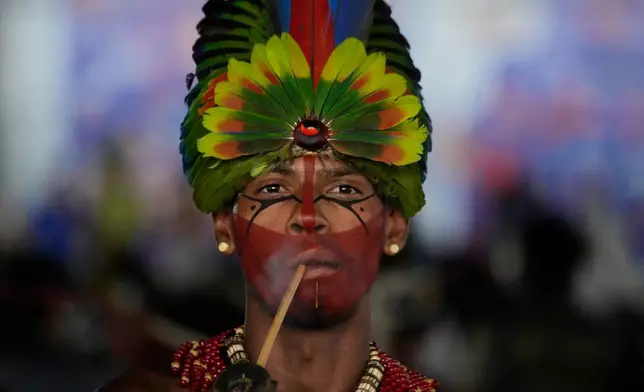
A Pataxo man smokes a traditional pipe before a march at the Acampamento Terra Livre 2026, an Indigenous mobilization focused on land rights and environmental protection, in Brasilia, Brazil, Thursday, April 9, 2026. (AP Photo/Eraldo Peres)
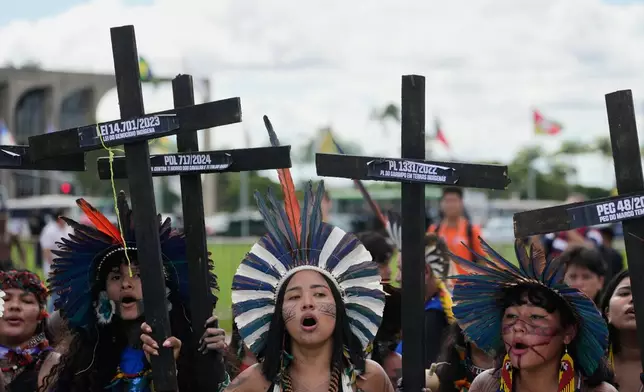
Indigenous protesters march during the annual "Acampamento Terra Livre," or Free Land Encampment, Brazil's largest annual Indigenous mobilization that focuses on land rights and environmental protection, in Brasilia, Brazil, Tuesday, April 7, 2026. (AP Photo/Eraldo Peres)
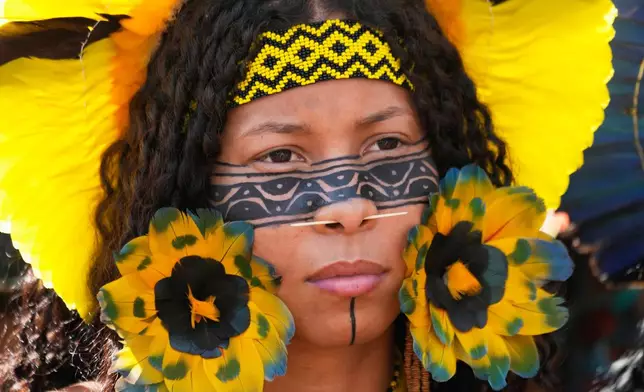
A Xakriaba Indigenous woman attends a march during the annual "Acampamento Terra Livre," or Free Land Encampment, Brazil's largest annual Indigenous mobilization that focuses on land rights and environmental protection, in Brasilia, Brazil, Tuesday, April 7, 2026. (AP Photo/Eraldo Peres)

An Indigenous woman wearing traditional body paint and handcrafted clothing poses for a portrait during the opening of the "Acampamento Terra Livre," or Free Land Encampment, Brazil's largest annual Indigenous mobilization that focuses on land rights and environmental protection, in Brasilia, Brazil, Monday, April 6, 2026. (AP Photo/Eraldo Peres)
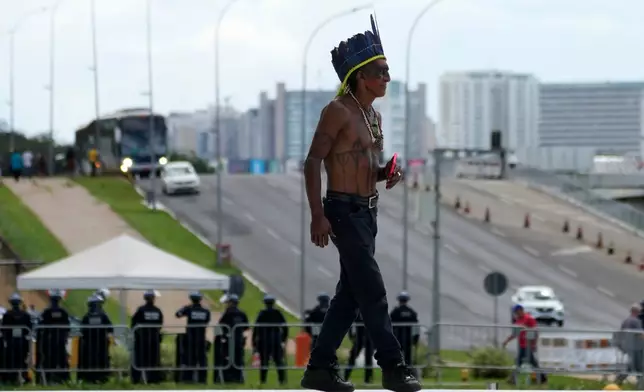
A Tupinamba Indigenous man arrives to Brazil's Supreme Court to attend a session, where justices discuss a case about reducing the size of Jamanxim National Park, in Brasilia, Wednesday, April 8, 2026. (AP Photo/Eraldo Peres)
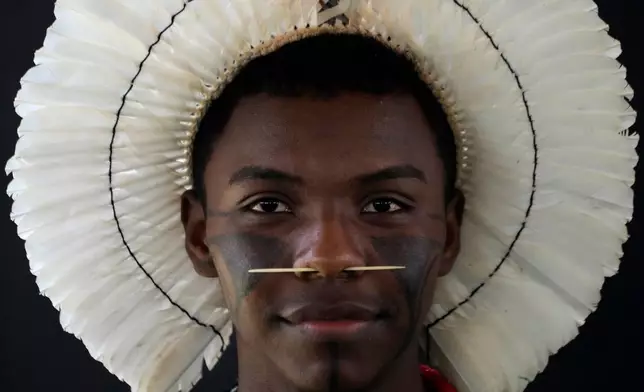
An Indigenous man wearing traditional face paint, feather headdress and piercing poses for a portrait during the opening of the "Acampamento Terra Livre," or Free Land Encampment, Brazil's largest annual Indigenous mobilization that focuses on land rights and environmental protection, in Brasilia, Brazil, Monday, April 6, 2026. (AP Photo/Eraldo Peres)
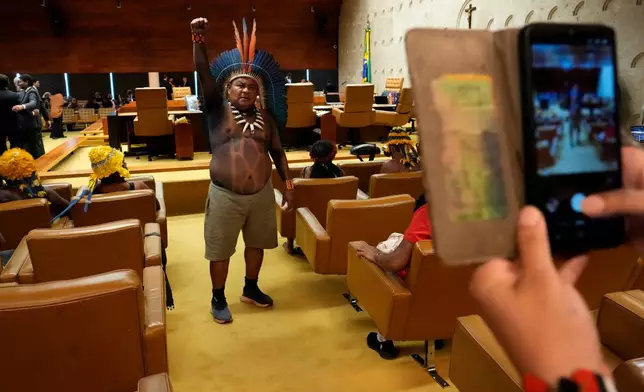
Tupinamba Indigenous leader Gilson Tupinamba raises a fist while posing for a photo inside Brazil's Supreme Court courtroom before a session, where justices will discuss a case about reducing the size of Jamanxim National Park, in Brasilia, Wednesday, April 8, 2026. (AP Photo/Eraldo Peres)
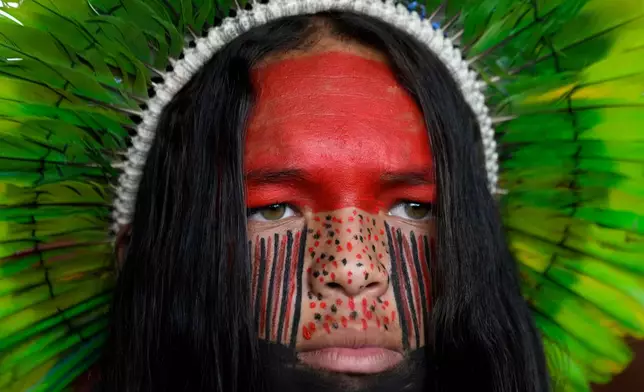
A Pataxo man looks on before a march at the Acampamento Terra Livre 2026, an Indigenous mobilization focused on land rights and environmental protection, in Brasilia, Brazil, Thursday, April 9, 2026. (AP Photo/Eraldo Peres)
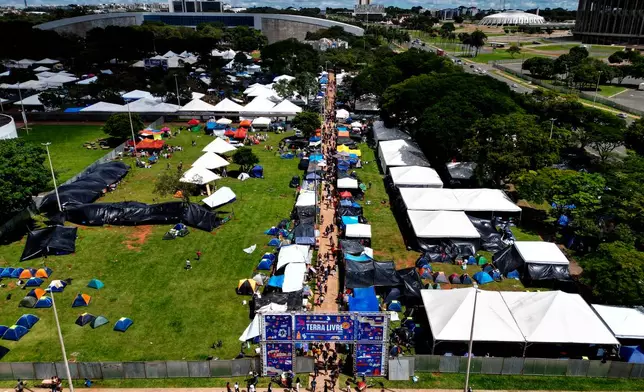
The "Acampamento Terra Livre," or Free Land Encampment, Brazil's largest annual Indigenous mobilization that focuses on land rights and environmental protection, stands in Brasilia, Brazil, Monday, April 6, 2026. (AP Photo/Eraldo Peres)
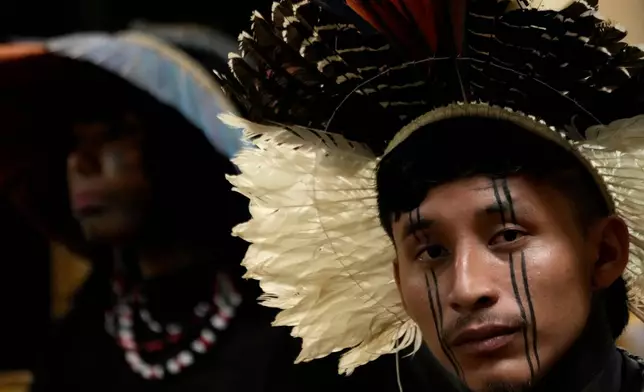
An Indigenous man eyes the camera while attending a Supreme Court session, where justices discuss a case about reducing the size of Jamanxim National Park, in Brasilia, Brazil, Wednesday, April 8, 2026. (AP Photo/Eraldo Peres)
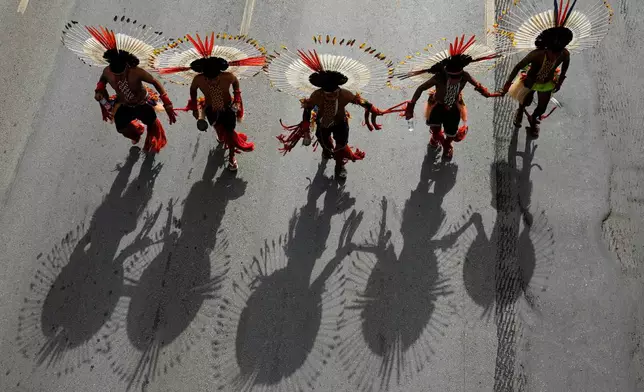
Karaja people take part in a march at the Acampamento Terra Livre 2026, an Indigenous mobilization focused on land rights and environmental protection, in Brasilia, Brazil, Thursday, April 9, 2026. (AP Photo/Eraldo Peres)
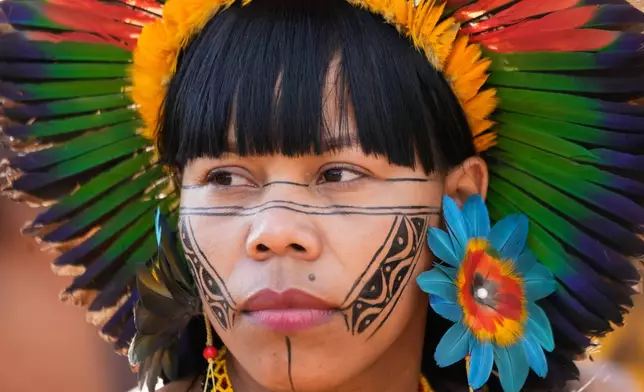
A Xakriaba Indigenous woman attends a march during the annual "Acampamento Terra Livre," or Free Land Encampment, Brazil's largest annual Indigenous mobilization that focuses on land rights and environmental protection, in Brasilia, Brazil, Tuesday, April 7, 2026. (AP Photo/Eraldo Peres)
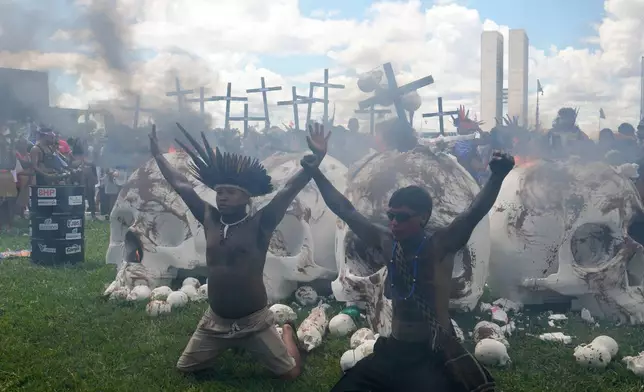
Indigenous protesters set fire to skull sculptures representing lawmakers to protest Congress during the annual "Acampamento Terra Livre," or Free Land Encampment, Brazil's largest annual Indigenous mobilization that focuses on land rights and environmental protection, in Brasilia, Brazil, Tuesday, April 7, 2026. (AP Photo/Eraldo Peres)
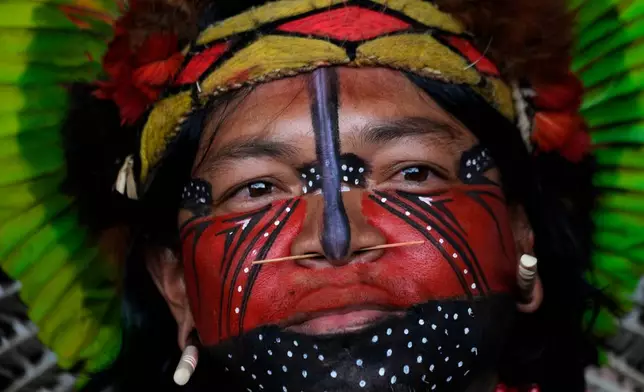
A Pataxo man looks on before a march at the Acampamento Terra Livre 2026, an Indigenous mobilization focused on land rights and environmental protection, in Brasilia, Brazil, Thursday, April 9, 2026. (AP Photo/Eraldo Peres)
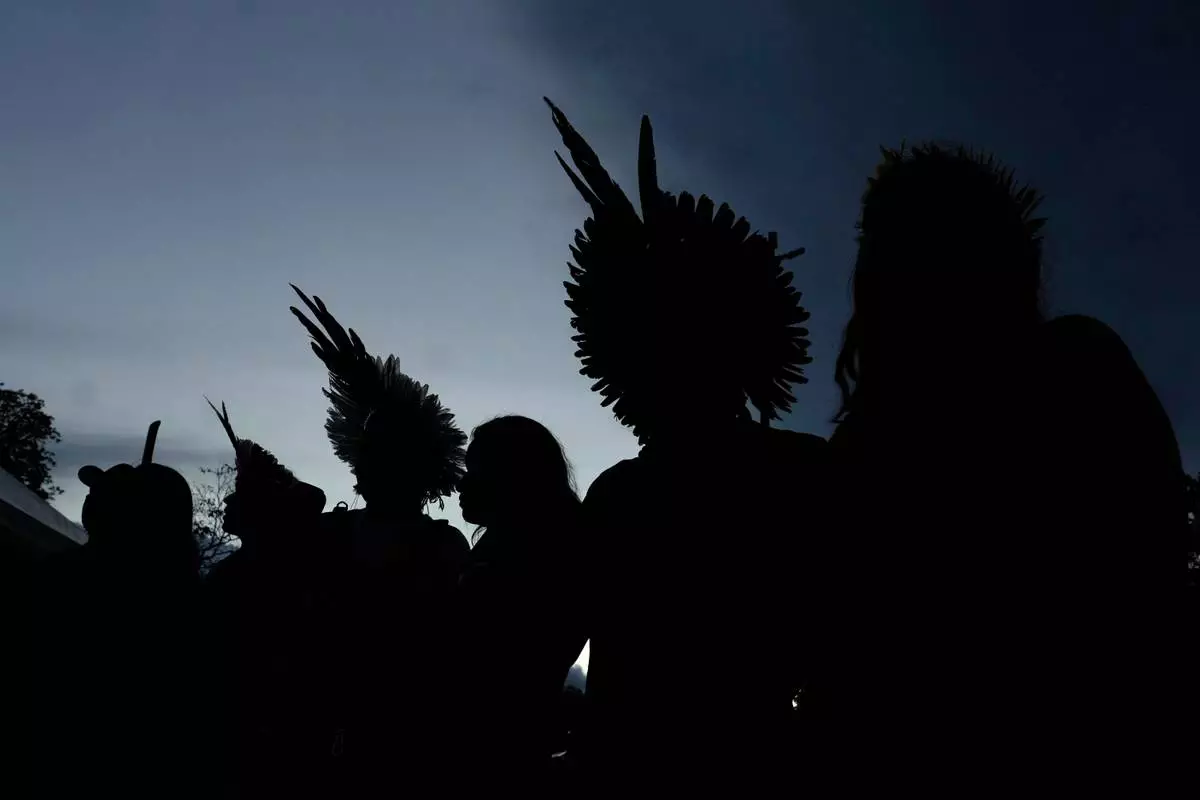
Kayapo people gather at the Acampamento Terra Livre, an Indigenous mobilization event focused on land rights and environmental protection, in Brasilia, Brazil, Sunday, April 5, 2026. (AP Photo/Eraldo Peres)
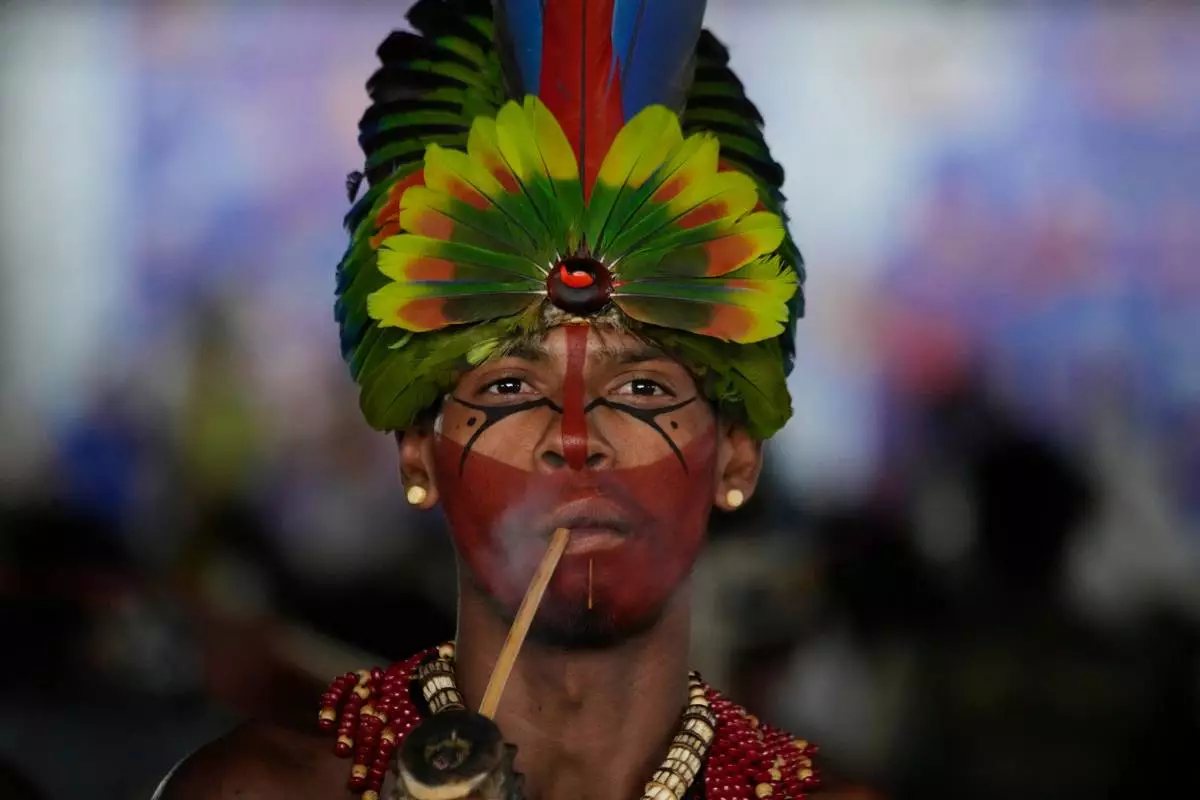
A Pataxo man smokes a traditional pipe before a march at the Acampamento Terra Livre 2026, an Indigenous mobilization focused on land rights and environmental protection, in Brasilia, Brazil, Thursday, April 9, 2026. (AP Photo/Eraldo Peres)
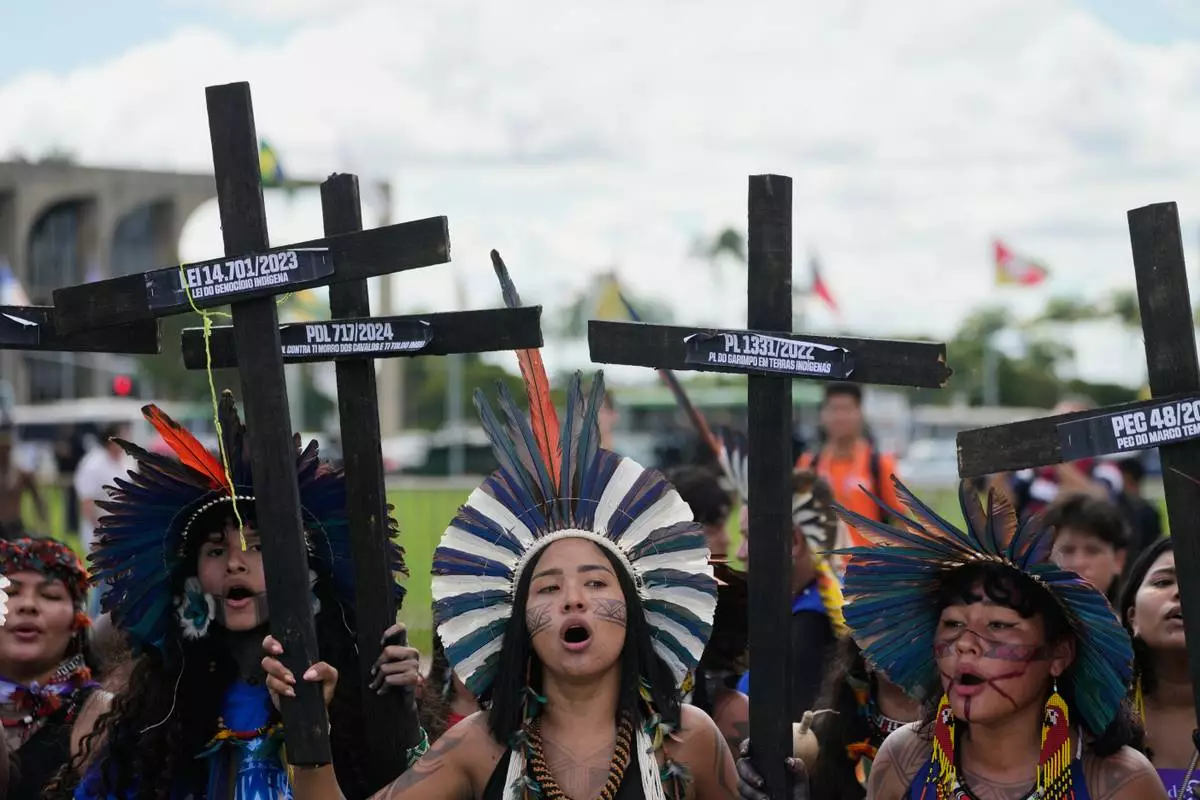
Indigenous protesters march during the annual "Acampamento Terra Livre," or Free Land Encampment, Brazil's largest annual Indigenous mobilization that focuses on land rights and environmental protection, in Brasilia, Brazil, Tuesday, April 7, 2026. (AP Photo/Eraldo Peres)
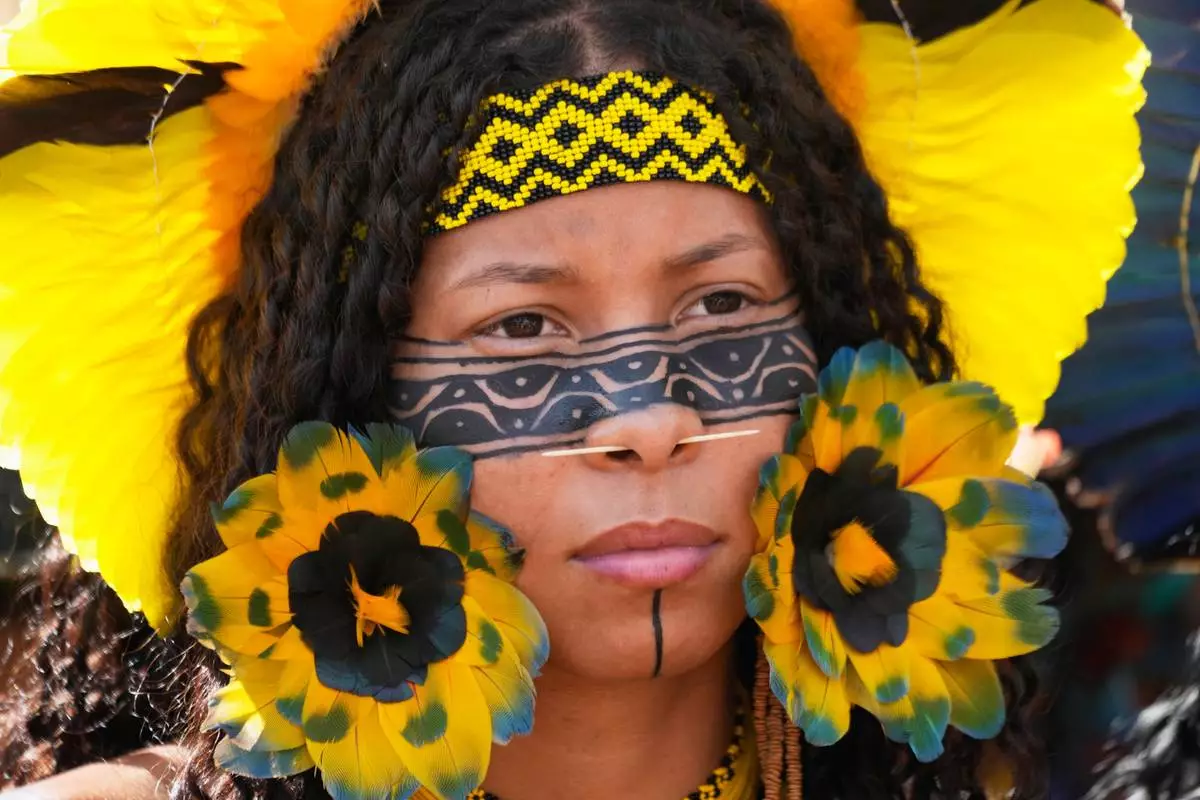
A Xakriaba Indigenous woman attends a march during the annual "Acampamento Terra Livre," or Free Land Encampment, Brazil's largest annual Indigenous mobilization that focuses on land rights and environmental protection, in Brasilia, Brazil, Tuesday, April 7, 2026. (AP Photo/Eraldo Peres)
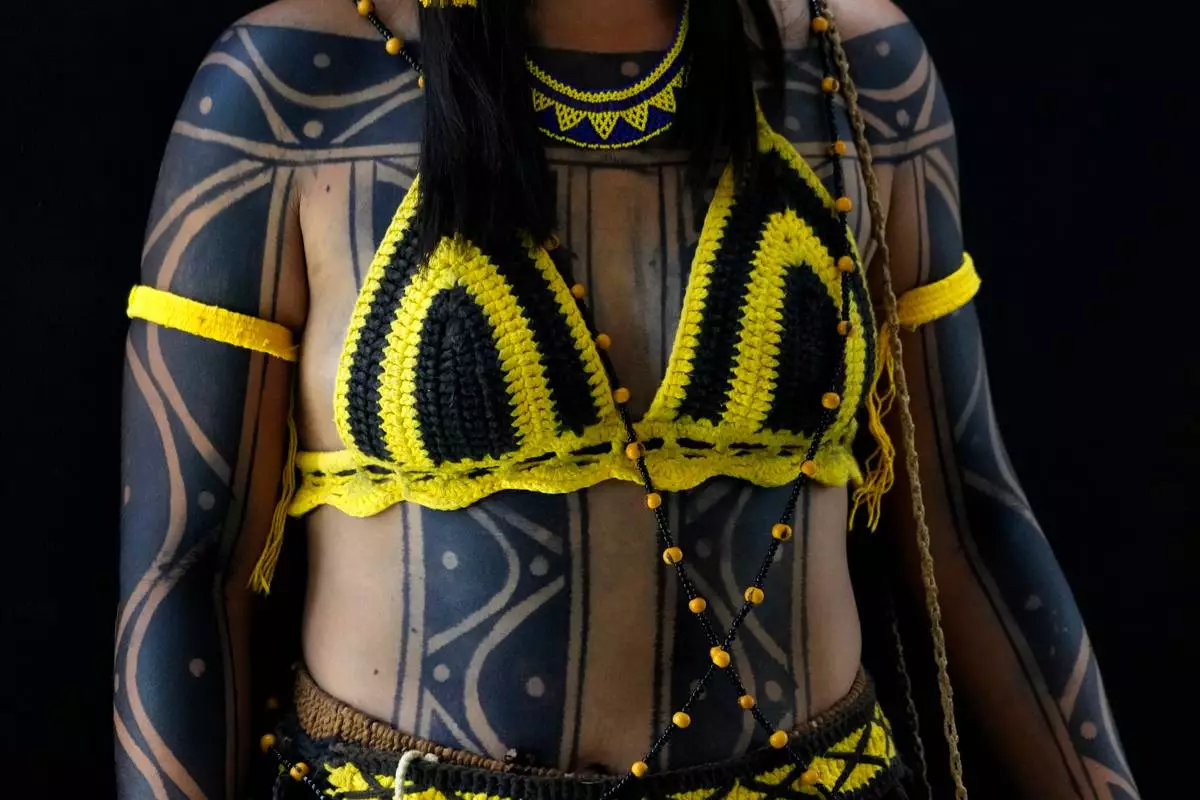
An Indigenous woman wearing traditional body paint and handcrafted clothing poses for a portrait during the opening of the "Acampamento Terra Livre," or Free Land Encampment, Brazil's largest annual Indigenous mobilization that focuses on land rights and environmental protection, in Brasilia, Brazil, Monday, April 6, 2026. (AP Photo/Eraldo Peres)
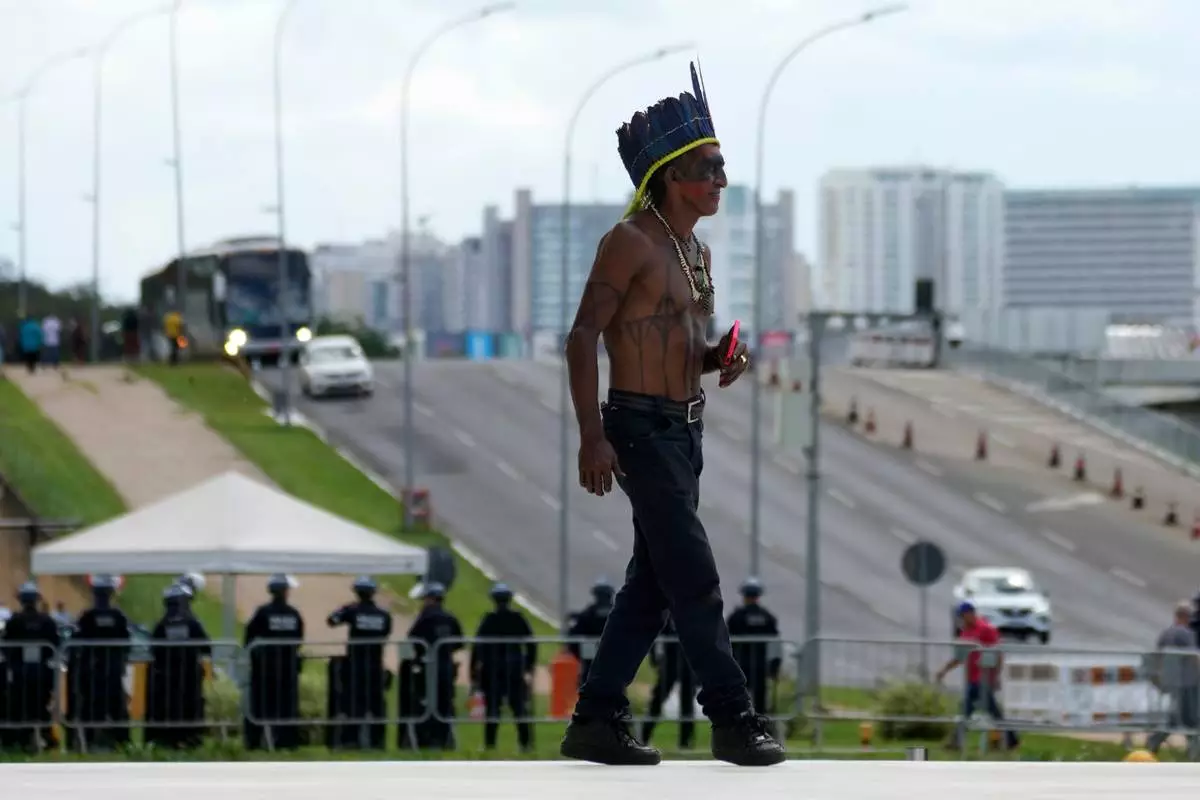
A Tupinamba Indigenous man arrives to Brazil's Supreme Court to attend a session, where justices discuss a case about reducing the size of Jamanxim National Park, in Brasilia, Wednesday, April 8, 2026. (AP Photo/Eraldo Peres)
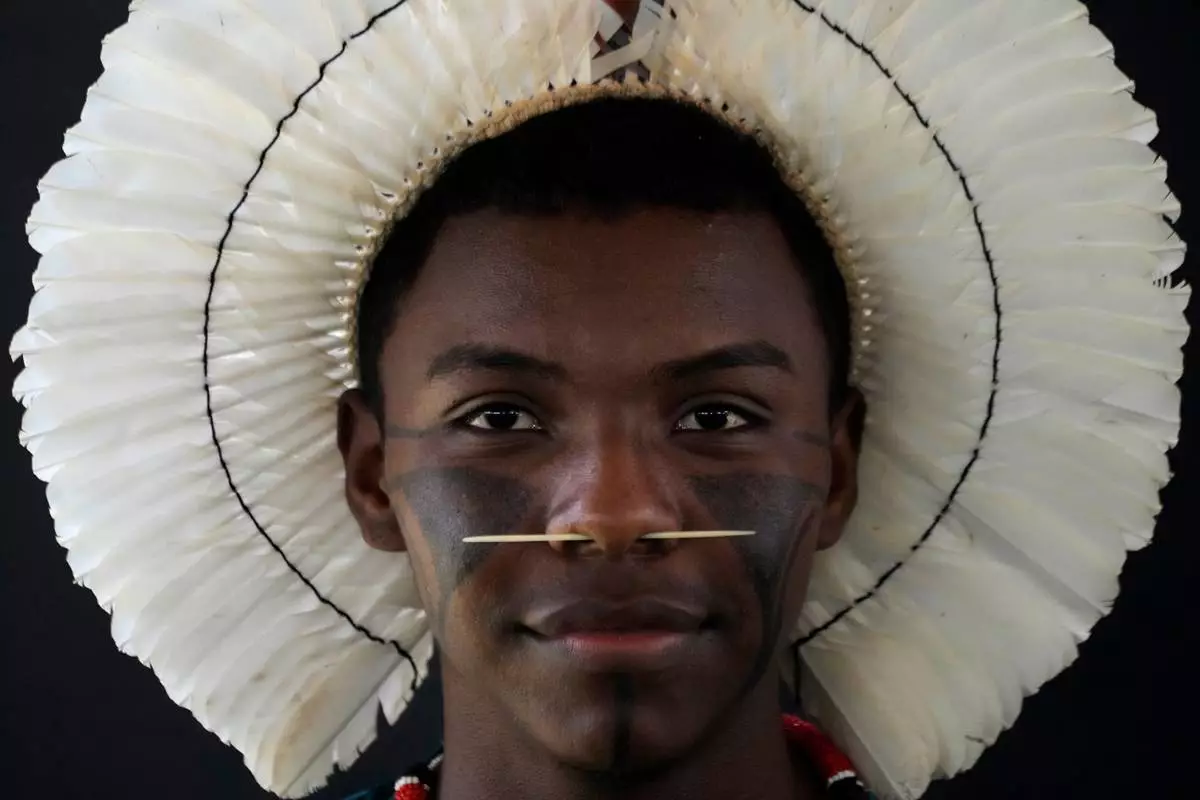
An Indigenous man wearing traditional face paint, feather headdress and piercing poses for a portrait during the opening of the "Acampamento Terra Livre," or Free Land Encampment, Brazil's largest annual Indigenous mobilization that focuses on land rights and environmental protection, in Brasilia, Brazil, Monday, April 6, 2026. (AP Photo/Eraldo Peres)
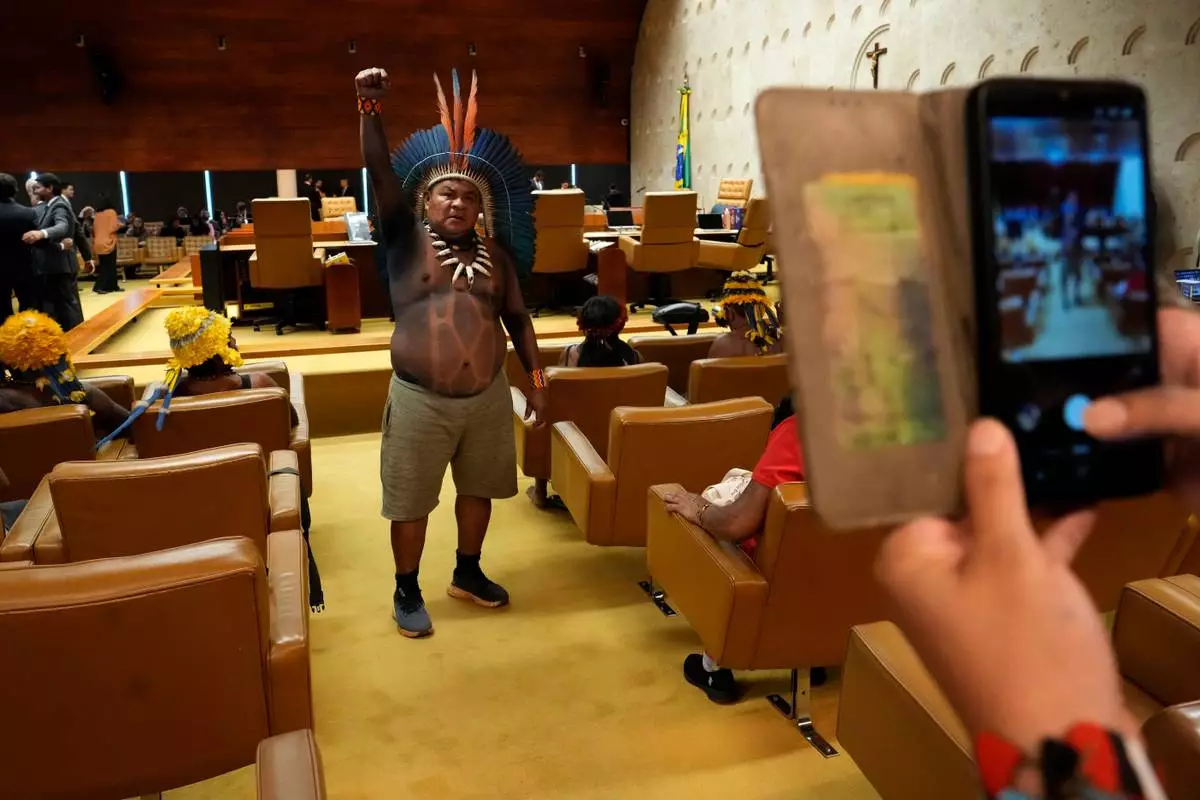
Tupinamba Indigenous leader Gilson Tupinamba raises a fist while posing for a photo inside Brazil's Supreme Court courtroom before a session, where justices will discuss a case about reducing the size of Jamanxim National Park, in Brasilia, Wednesday, April 8, 2026. (AP Photo/Eraldo Peres)
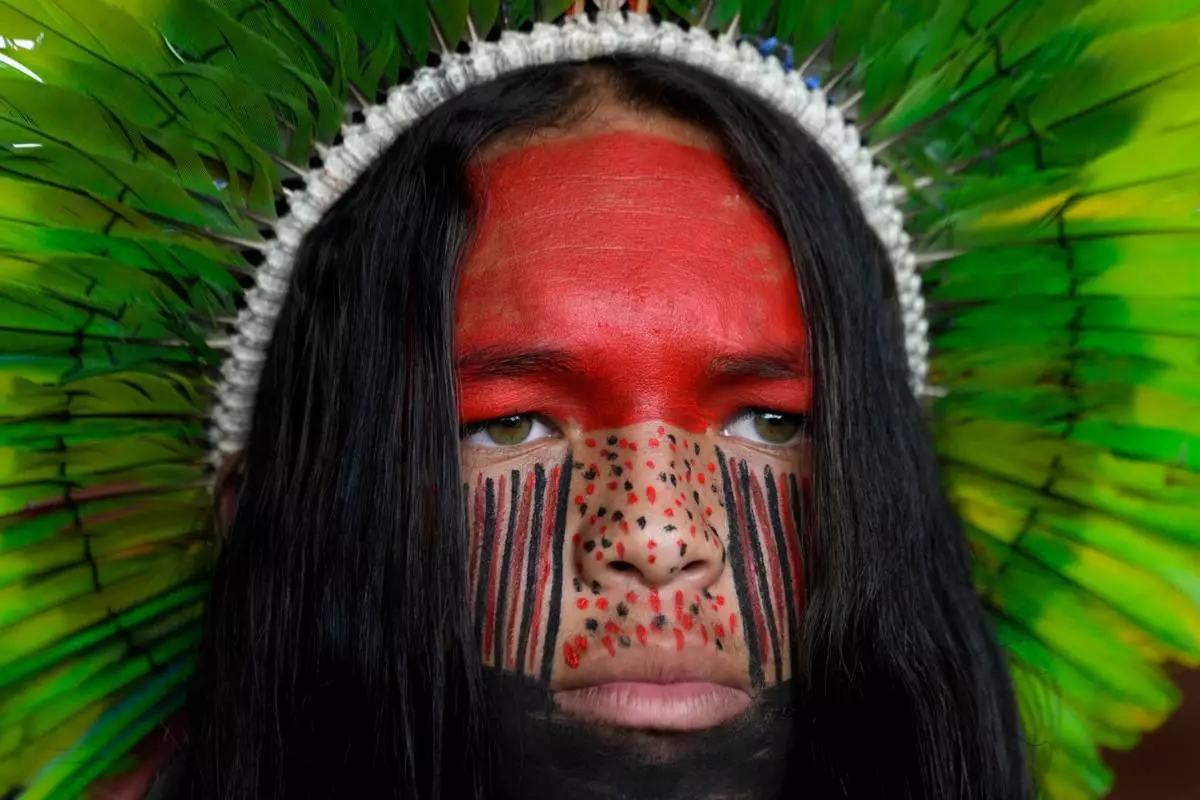
A Pataxo man looks on before a march at the Acampamento Terra Livre 2026, an Indigenous mobilization focused on land rights and environmental protection, in Brasilia, Brazil, Thursday, April 9, 2026. (AP Photo/Eraldo Peres)
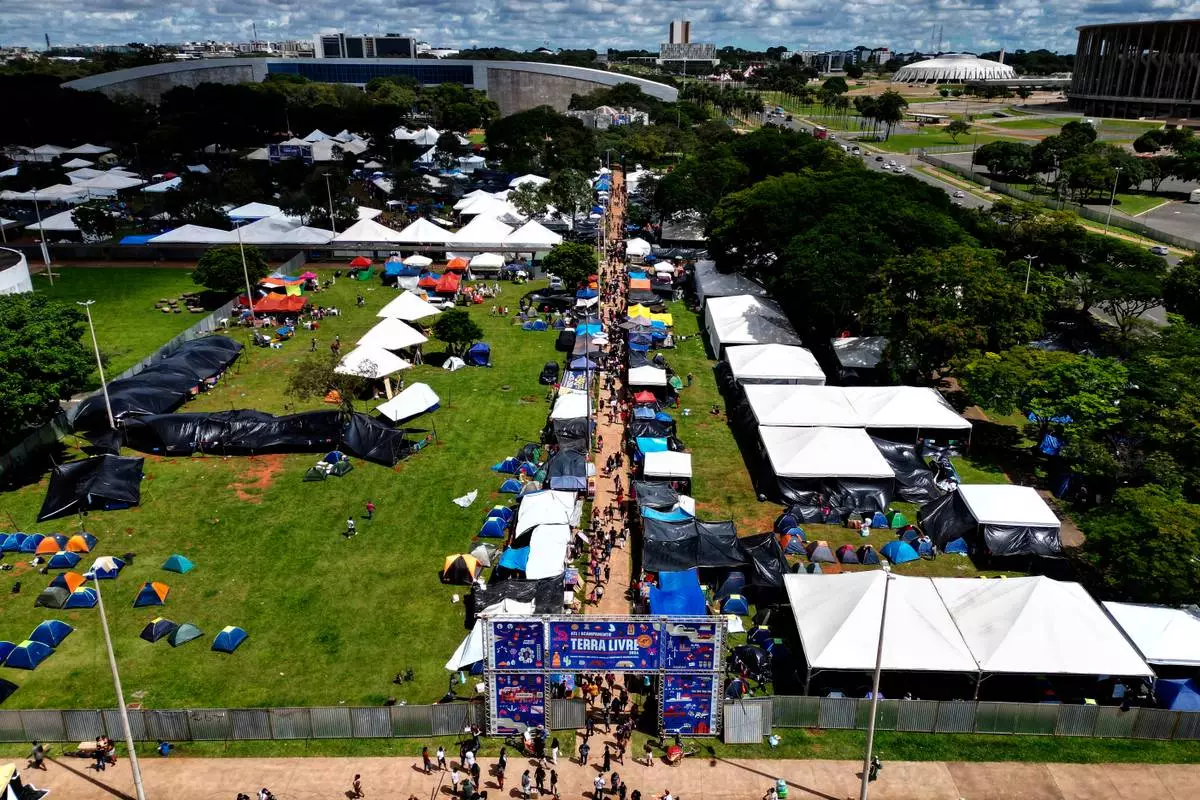
The "Acampamento Terra Livre," or Free Land Encampment, Brazil's largest annual Indigenous mobilization that focuses on land rights and environmental protection, stands in Brasilia, Brazil, Monday, April 6, 2026. (AP Photo/Eraldo Peres)
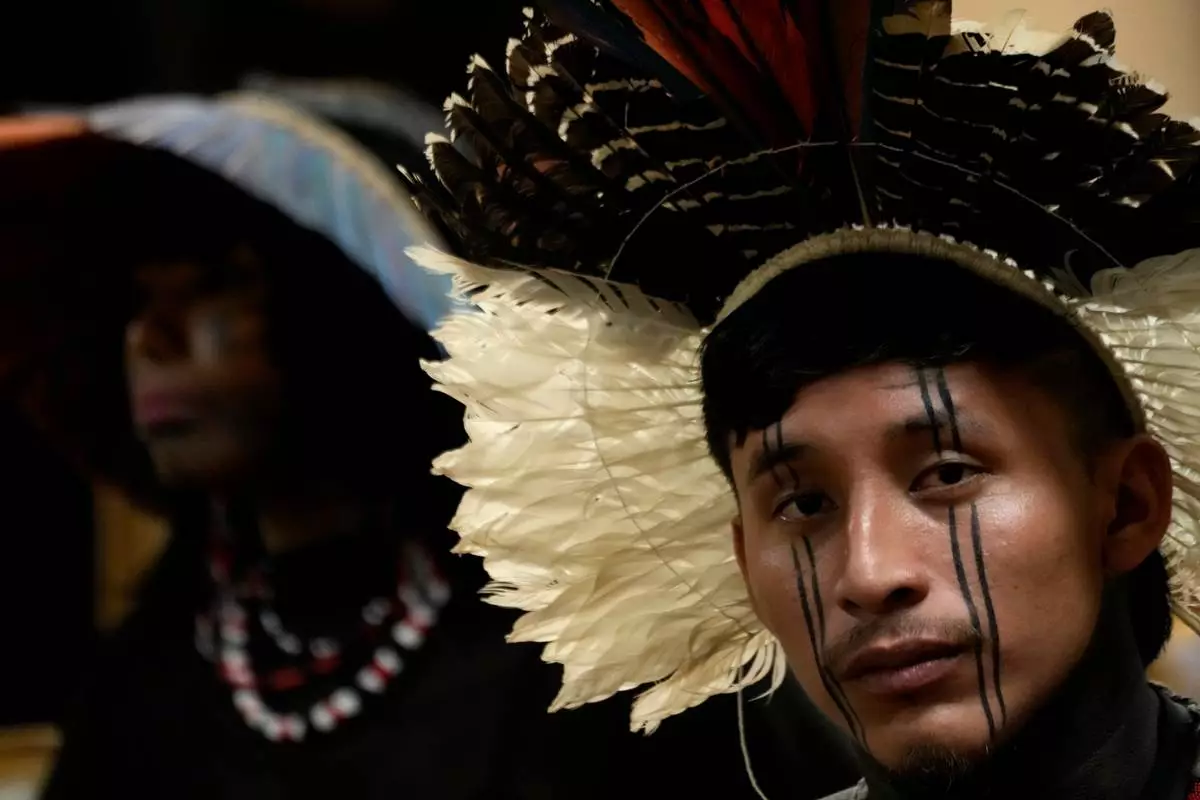
An Indigenous man eyes the camera while attending a Supreme Court session, where justices discuss a case about reducing the size of Jamanxim National Park, in Brasilia, Brazil, Wednesday, April 8, 2026. (AP Photo/Eraldo Peres)
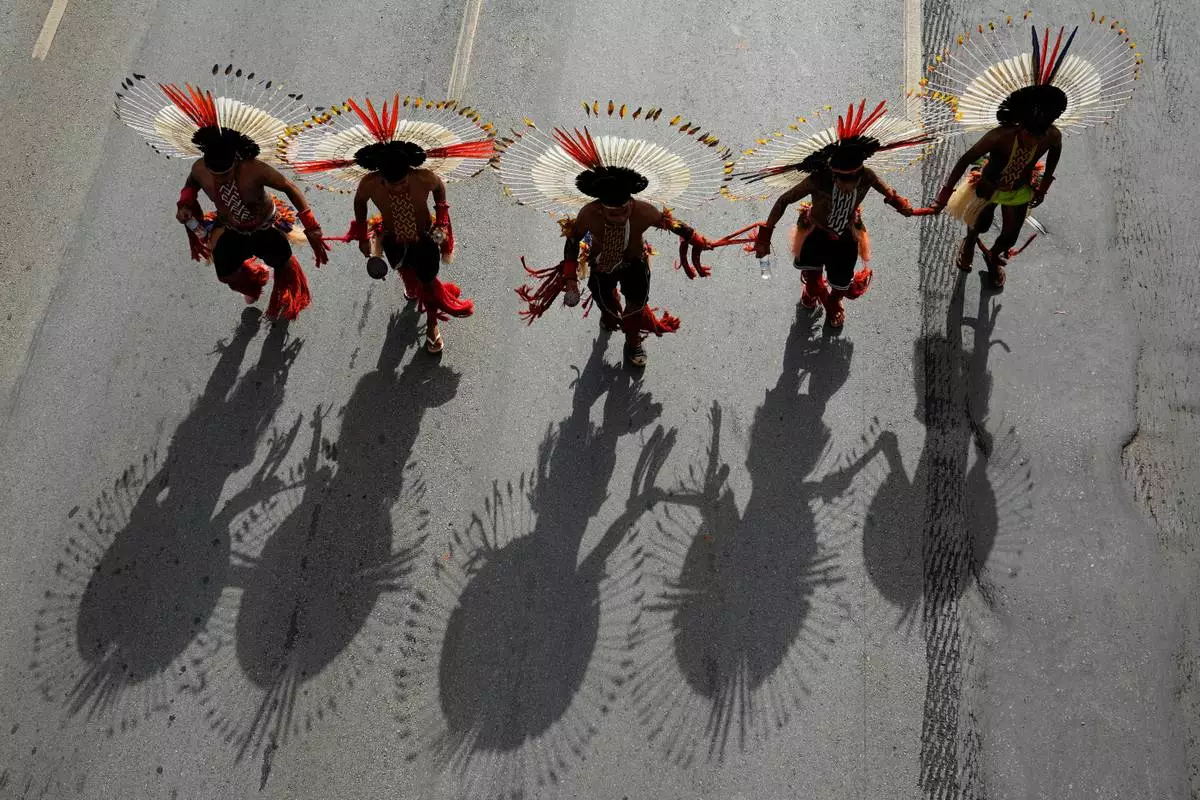
Karaja people take part in a march at the Acampamento Terra Livre 2026, an Indigenous mobilization focused on land rights and environmental protection, in Brasilia, Brazil, Thursday, April 9, 2026. (AP Photo/Eraldo Peres)
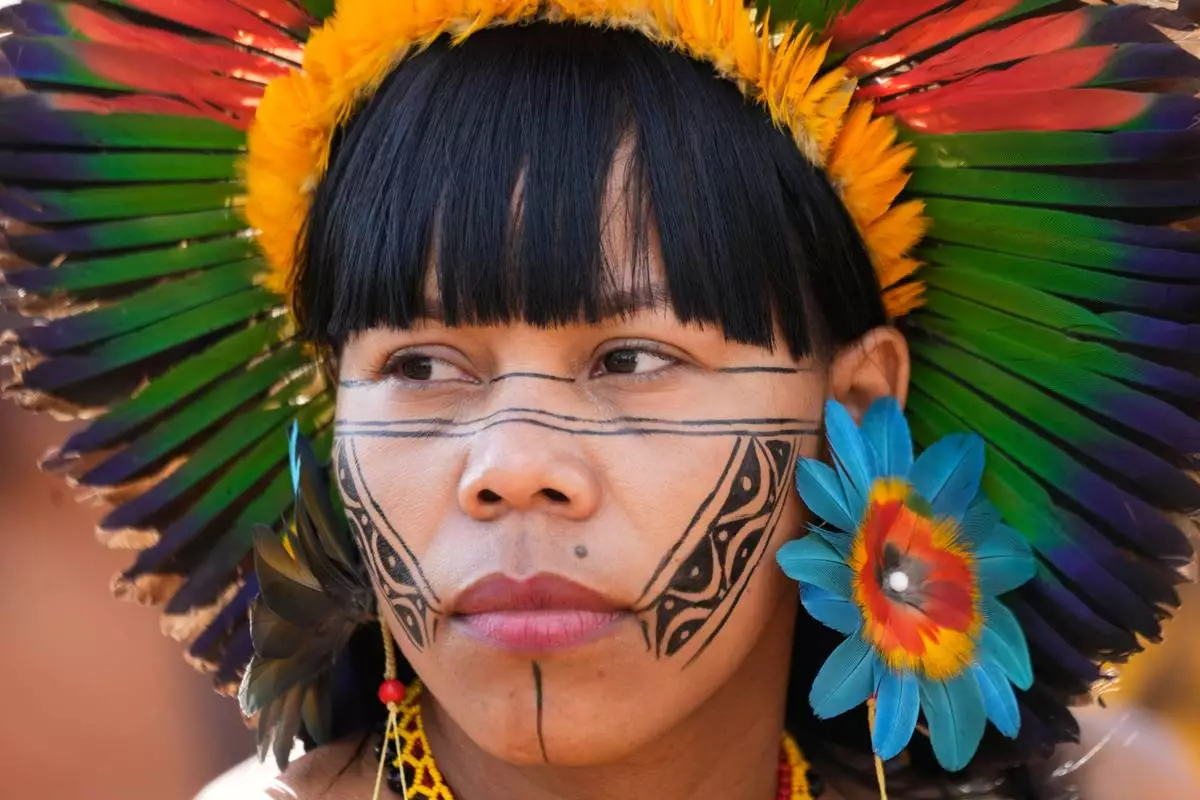
A Xakriaba Indigenous woman attends a march during the annual "Acampamento Terra Livre," or Free Land Encampment, Brazil's largest annual Indigenous mobilization that focuses on land rights and environmental protection, in Brasilia, Brazil, Tuesday, April 7, 2026. (AP Photo/Eraldo Peres)
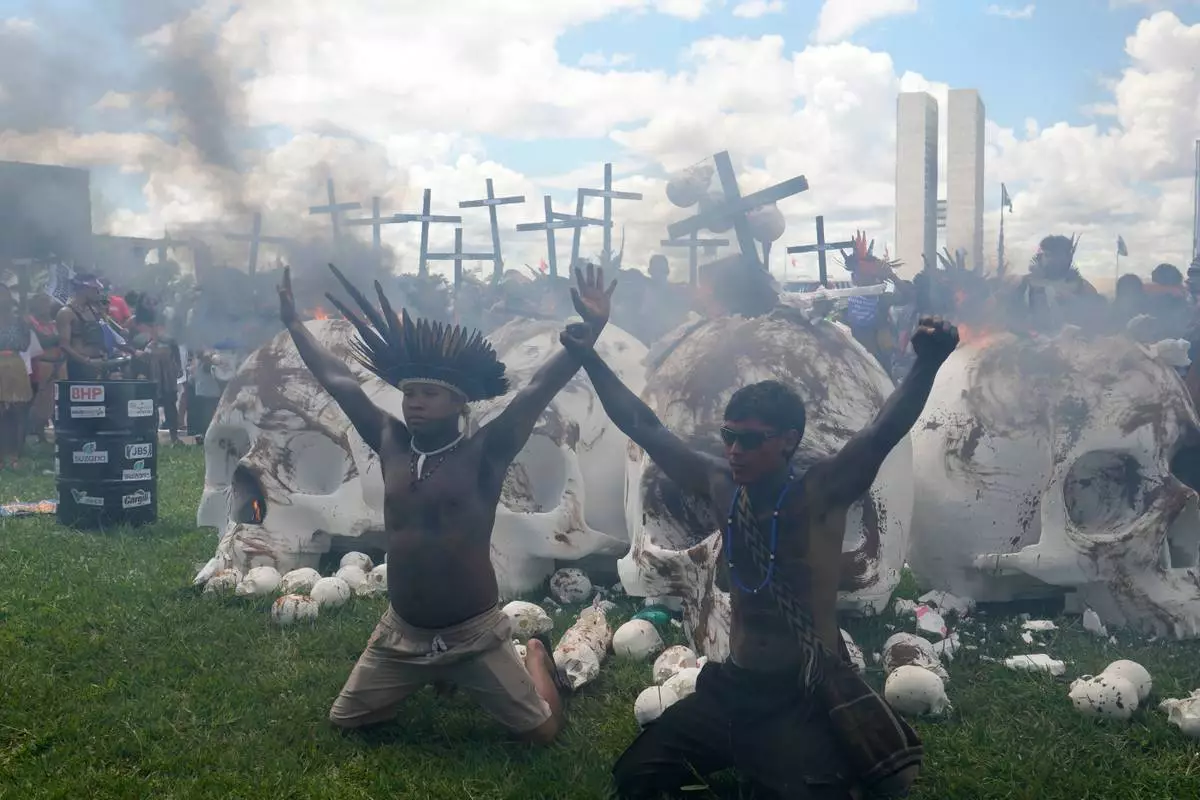
Indigenous protesters set fire to skull sculptures representing lawmakers to protest Congress during the annual "Acampamento Terra Livre," or Free Land Encampment, Brazil's largest annual Indigenous mobilization that focuses on land rights and environmental protection, in Brasilia, Brazil, Tuesday, April 7, 2026. (AP Photo/Eraldo Peres)
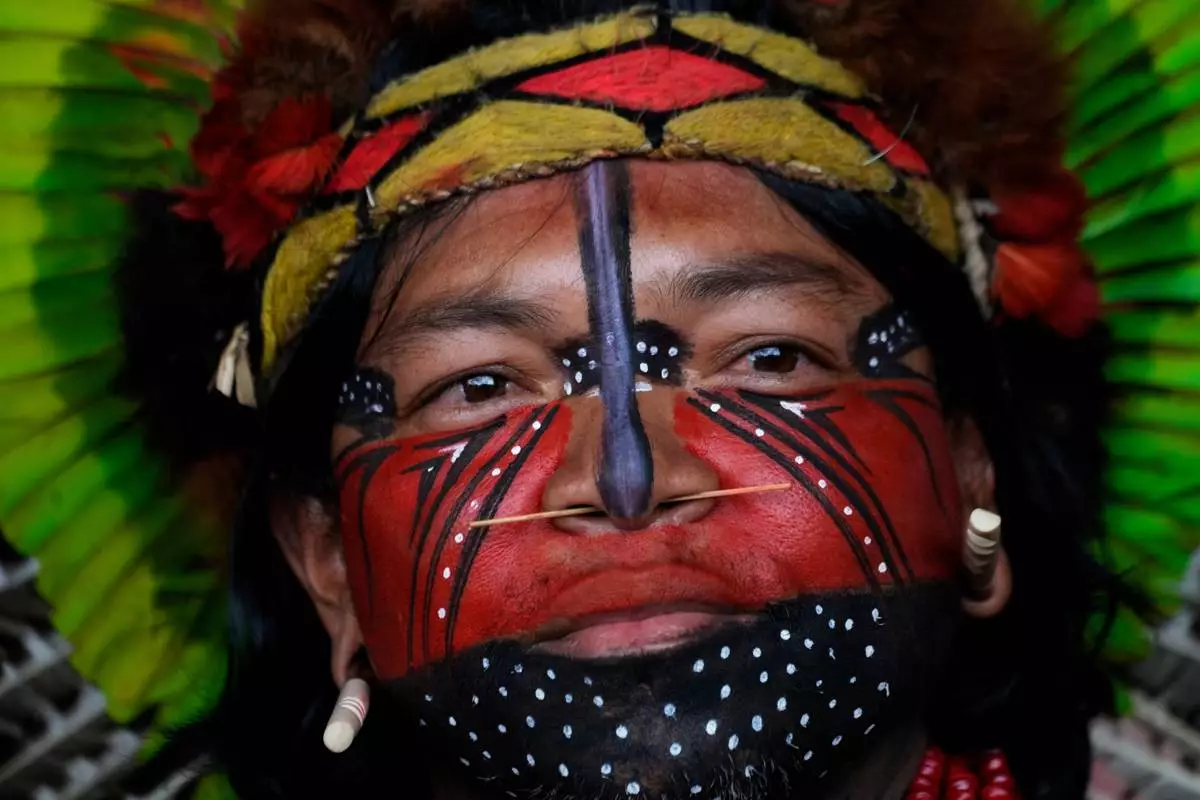
A Pataxo man looks on before a march at the Acampamento Terra Livre 2026, an Indigenous mobilization focused on land rights and environmental protection, in Brasilia, Brazil, Thursday, April 9, 2026. (AP Photo/Eraldo Peres)